


Brepols
Brepols is an international academic publisher of works in the humanities, with a particular focus in history, archaeology, history of the arts, language and literature, and critical editions of source works.501 - 550 of 3194 results
-
-
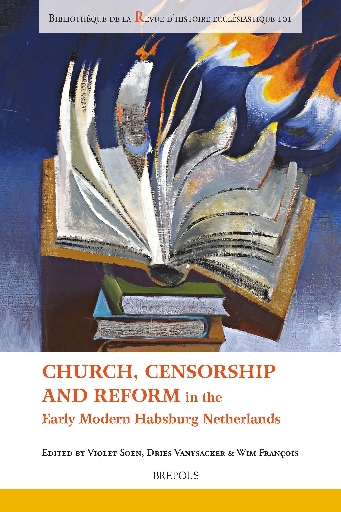
Church, Censorship and Reform in the Early Modern Habsburg Netherlands
show More to view fulltext, buy and share links for:Church, Censorship and Reform in the Early Modern Habsburg Netherlands show Less to hide fulltext, buy and share links for: Church, Censorship and Reform in the Early Modern Habsburg NetherlandsIn recent years, historiography has come to rethink the traditional account of a state-backed Counter-Reformation in the early modern Habsburg Netherlands. Hence, this volume takes a refreshing perspective on the themes of church and reform in this region from the late fifteenth century onwards. The first part interrogates the dynamics of repression and censorship in matters of religion. Six chapters underline that this censorship was not only state- or church-driven, but performed by a multitude of actors, ranging from professional organisations to university theologians. Throughout the Ancient Regime, this resulted in an institutionally and regionally fragmented policy, opening margins of manoeuver for those concerned. A second part focuses on more internal impulses for Catholic Reform in the sixteenth century, especially those created by the Council of Trent. As such, this volume helps to contextualise the Counter-Reformation of the seventeenth century in a long-term perspective, identifying the myriad of actors and motives behind this Catholic revival.
-
-
-
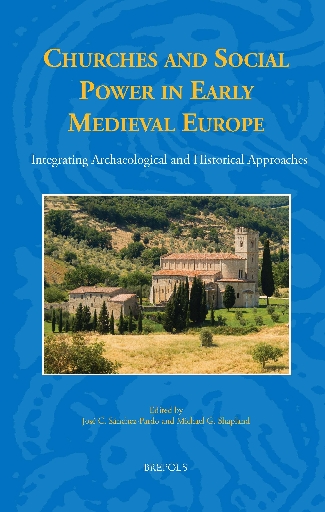
Churches and Social Power in Early Medieval Europe
Integrating Archaeological and Historical Approaches
show More to view fulltext, buy and share links for:Churches and Social Power in Early Medieval Europe show Less to hide fulltext, buy and share links for: Churches and Social Power in Early Medieval EuropeLocal churches were an established part of many towns and villages across early medieval Western Europe, and their continued presence make them an invaluable marker for comparing different societies. Up to now, however, the dynamics of power behind church building and the importance of their presence within the landscape have largely been neglected.
This book takes a comparative and interdisciplinary approach to the study of early medieval churches, drawing together archaeology, history, architecture, and landscape studies in order to explore the relationship between church foundation, social power, and political organization across Europe. Key subjects addressed here include the role played by local elites and the importance of the church in buttressing authority, as well as the connections between archaeology and ideology, and the importance of individual church buildings in their broader landscape contexts.
Bringing together case-studies from diverse regions across Western Europe (Italy, Spain, Portugal, Germany, France, the British Isles, Denmark, and Iceland), the seventeen contributions to this volume offer new insights into the relationships between church foundations, social power, and political organization. In doing so, they provide a means to better understand social power in the landscape of early medieval Europe.
-
-
-

Cinismo e Cristianesimo delle origini
show More to view fulltext, buy and share links for:Cinismo e Cristianesimo delle origini show Less to hide fulltext, buy and share links for: Cinismo e Cristianesimo delle originiGesù era Cinico? I suoi discepoli? E Paolo? Queste domande, che rientrano nel più generale tema della possibile influenza del Cinismo sul Cristianesimo delle origini, costituiscono un importante capitolo storiografico, nato in Germania nel primo Novecento e ampiamente sviluppatosi più tardi soprattutto negli Stati Uniti d’America.
A questi problemi è dedicato il presente volume, che, partendo da un’analisi sempre attenta alle evidenze testuali, intende vagliare, da una prospettiva storico-filosofica, la possibilità che Gesù e il Cristianesimo delle origini siano stati influenzati dal Cinismo, e da tale tradizione filosofica abbiano ricevuto sollecitazioni o stimoli. Lo studio è rivolto a testi quali i Vangeli Sinottici e le Lettere Paoline (nello specifico, la Prima Lettera ai Corinzi), in cui i fautori della Cynic Jesus Hypothesis hanno ritenuto di poter rinvenire elementi definibili come ‘cinici’.
Tale analisi si presta in maniera singolare a gettare luce non solo su autori importanti e temi della tradizione cinica particolarmente discussi, ma anche sui rapporti tra la tradizione ellenica e le origini del Cristianesimo.
Tema, quest’ultimo, di interesse non solamente storico-filosofico e teologico ma anche schiettamente teoretico, perché tocca la questione, viva e dibattuta ancora oggi, seppure talvolta sotto forme diverse, delle relazioni tra la riflessione filosofica e il credo religioso, tra fides e ratio.
-
-
-
Cinq parcours de recherche en sciences religieuses
show More to view fulltext, buy and share links for:Cinq parcours de recherche en sciences religieuses show Less to hide fulltext, buy and share links for: Cinq parcours de recherche en sciences religieusesÀl'heure de leur départ à la retraite, cinq directeurs d'études de la section des Sciences religieuses de l'EPHE ont choisi de rendre hommage à l'École : Odile Journet-Diallo, ethnologue africaniste, Christiane Zivie-Coche, égyptologue, Jean-Daniel Dubois, historien des gnostiques et des manichéens, Cristina Scherrer-Schaub, indianiste, et Jean-Paul Willaime, sociologue du protestantisme.
Chacun à sa manière retrace son parcours et ses préoccupations en soulignant, à l'occasion du 150e anniversaire de la création de l'EPHE, combien cette institution universitaire est originale et riche d'enseignements.
-
-
-
Cinquante années d’études médiévales. À la confluence de nos disciplines
Actes du Colloque organisé à l’occasion du cinquantenaire du CESCM, Poitiers, 1-4 septembre 2003
show More to view fulltext, buy and share links for:Cinquante années d’études médiévales. À la confluence de nos disciplines show Less to hide fulltext, buy and share links for: Cinquante années d’études médiévales. À la confluence de nos disciplinesEn 2003, le Centre d’Études supérieures de Civilisation médiévale de Poitiers a célébré ses cinquante années d’existence par la tenue d’une série de manifestations scientifiques et culturelles dont un grand colloque international au titre évocateur, retenu pour la présente publication: Cinquante années d’études médiévales. À la confluence de nos disciplines.
Les Actes de ce colloque, qui a reflété la place prééminente du CESCM au sein des études médiévales internationales ainsi que la diversité et la richesse du travail interdisciplinaire produit par les équipes de recherche et les services documentaires du Centre, constituent donc un ouvrage de référence non seulement pour les domaines abordés mais aussi pour la médiévistique en général.
-
-
-
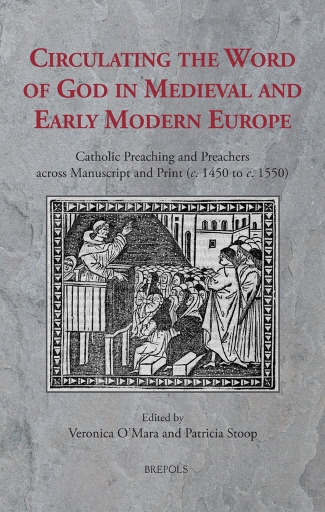
Circulating the Word of God in Medieval and Early Modern Europe
Catholic Preaching and Preachers across Manuscript and Print (c. 1450 to c. 1550)
show More to view fulltext, buy and share links for:Circulating the Word of God in Medieval and Early Modern Europe show Less to hide fulltext, buy and share links for: Circulating the Word of God in Medieval and Early Modern EuropeThis volume concentrates on how the sermon, a pivotal element in mass communication, aimed to shape the people of Europe. Rather than setting up the usual binary divides, it highlights the linguistic complications, the textual inter-relationships, the confessional cross-currents, and the variations between public and private sermon dissemination operating at different rates and with variable results throughout Europe. Effectively the emphasis here is on how Catholic preachers and Catholic preaching carried on in the period between the handwritten and the printed sermon, a time when not only the mode of production was changing but when the very purpose and meaning of preaching itself would soon alter in a western Christian world that was becoming no longer completely Catholic. By examining case-studies chosen from countries with contrasting manuscript and printing traditions (Denmark, England, Finland, France, Germany, Italy, the Low Countries, Romania, Spain, and Sweden), we aim to examine some of the main historical, literary, and theological factors in the development of the sermon in Latin and the vernaculars, which is itself in the process of changing formats, and sometimes languages, at a time of religious ferment from the advent of print to the death of Martin Luther. These essays, which are effectively in dialogue with each other, are divided into geographical/linguistic sections organized along broadly chronological lines. They circulate from the peripheries of Europe to the centre, moving from areas where evidence is now scarce to situations of thriving production.
-
-
-
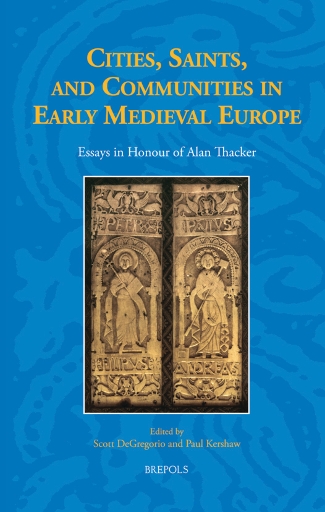
Cities, Saints, and Communities in Early Medieval Europe
Essays in Honour of Alan Thacker
show More to view fulltext, buy and share links for:Cities, Saints, and Communities in Early Medieval Europe show Less to hide fulltext, buy and share links for: Cities, Saints, and Communities in Early Medieval EuropeThis book honours the scholarship of English historian Dr. Alan Thacker by exploring the insular, the European and, more broadly, the Mediterranean connections and contexts of the history and culture of Anglo-Saxon England in the age of Bede, and beyond. It brings together original contributions by leading European and North American scholars of Late Antiquity and the early Middle Ages working across a range of disciplines: history, theology, epigraphy, and art history. Moving from the Irish Sea to the Bosporus, this collection presents a linked world in which saints, scholars, and the city of Rome all played powerful connective roles, creating communities, generating relationships, linking east to west, north to south, and present to past.
As in Thacker’s own work, Bede’s life and thought is a central presence. Bede’s attitudes to historical and contemporaneous conceptions of heresy, to the Irish church, and the evidence for his often complex relationships with his Northumbrian contemporaries all come under scrutiny, together with groundbreaking studies of his exegesis, christology, and historical method. Many of the contributions offer original insights into figures and phenomena that have been the focus of Dr. Thacker’s highly influential scholarship.
-
-
-
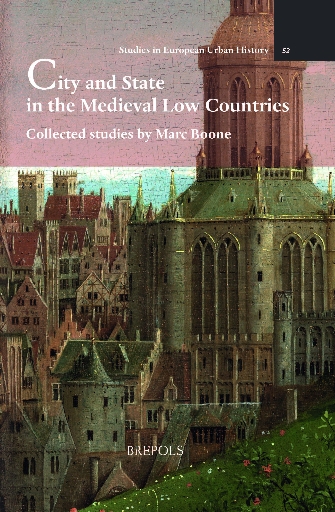
City and State in the Medieval Low Countries
Collected studies by Marc Boone
show More to view fulltext, buy and share links for:City and State in the Medieval Low Countries show Less to hide fulltext, buy and share links for: City and State in the Medieval Low CountriesThe oeuvre of Marc Boone (Ghent, 1955) has become standard reading for specialists of medieval European towns and cities, as well as for those interested in the history of state building - most notably that of the Burgundian polity. Honoring Ghent University’s venerable tradition of medieval studies begun by Henri Pirenne and building upon the work of his Doktorvater Walter Prevenier, Marc Boone also investigated taxation and the history of government spending, popular protest, and the persecution of “deviant” sexuality. Over the course of his rich career, he served as president of the European Association of Urban History and as dean of the Faculty of Arts and Philosophy of Ghent University. For more than twenty years, he taught the introductory course on historical criticism to every first-year student of the faculty, and thus had a major impact on the pensée critique of generations of young minds. Upon the occasion of his retirement in 2021, his former students have compiled this collection of some of his best historical essays, half of which have been translated from French and Dutch into English.
-
-
-
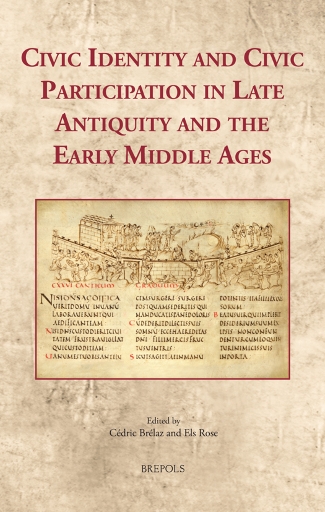
Civic Identity and Civic Participation in Late Antiquity and the Early Middle Ages
show More to view fulltext, buy and share links for:Civic Identity and Civic Participation in Late Antiquity and the Early Middle Ages show Less to hide fulltext, buy and share links for: Civic Identity and Civic Participation in Late Antiquity and the Early Middle AgesDuring the Ancient Greek and Roman eras, participation in political communities at the local level, and assertion of belonging to these communities, were among the fundamental principles and values on which societies would rely. For that reason, citizenship and democracy are generally considered as concepts typical of the political experience of Classical Antiquity. These concepts of citizenship and democracy are often seen as inconsistent with the political, social, and ideological context of the late and post-Roman world. As a result, scholarship has largely overlooked participation in local political communities when it comes to the period between the disintegration of the Classical model of local citizenship in the later Roman Empire and the emergence of ‘pre-communal’ entities in Northern Italy from the ninth century onwards.
By reassessing the period c. 300-1000 ce through the concepts of civic identity and civic participation, this volume will address both the impact of Classical heritage with regard to civic identities in the political experiences of the late and post-Roman world, and the rephrasing of new forms of social and political partnership according to ethnic or religious criteria in the early Middle Ages. Starting from the earlier imperial background, the fourteen chapters examine the ways in which people shared identity and gave shape to their communal life, as well as the role played by the people in local government in the later Roman Empire, the Germanic kingdoms, Byzantium, the early Islamic world, and the early medieval West. By focusing on the post-Classical, late antique, and early medieval periods, this volume intends to be an innovative contribution to the general history of citizenship and democracy.
-
-
-
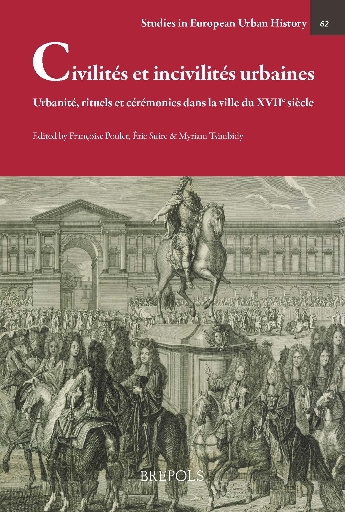
Civilités et incivilités urbaines
Urbanité, rituels et cérémonies dans la ville du xvii e siècle
show More to view fulltext, buy and share links for:Civilités et incivilités urbaines show Less to hide fulltext, buy and share links for: Civilités et incivilités urbainesLes notions d’urbanité, de politesse et de savoir-vivre connaissent depuis une dizaine d’années un intérêt renouvelé à la fois dans leurs dimensions politique, sociale et culturelle.
Cet ouvrage souhaite envisager le milieu urbain en tant qu’espace de civilité en croisant les regards des historiens et des spécialistes de la littérature de l’âge classique. Il s’agit aussi d’examiner les cérémonies et rituels du XVIIe siècle comme un ensemble de réseaux de pratiques codifiées, dans lequel interagissent notamment des usages collectifs et des préséances individuelles. Ces usages organisent l’espace urbain comme l’espace curial en se déployant en leur sein. La confrontation des archives et des documents littéraires, mais aussi des outils et des méthodologies utilisés par ces différents champs disciplinaires, permet d’étudier à nouveaux frais les relations entre des concepts trop rapidement perçus comme antonymiques : l’incivilité n’est jamais le contraire de la civilité, et il n’existe pas de civilisation, ni de société civilisée, qui puisse se revendiquer comme statique ou achevée. En revenant, dans le sillage des travaux de Norbert Elias, aux origines de la civilité moderne, envisagée à l’échelle européenne, cet ouvrage entreprend d’examiner ce processus, non pas de manière linéaire et téléologique, mais dans la complexité de ses évolutions et mutations, afin de mieux contextualiser les débats contemporains autour de l’incivilité.
-
-
-
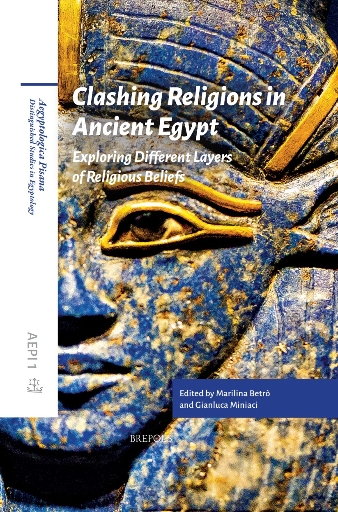
Clashing Religions in Ancient Egypt
Exploring Different Layers of Religious Beliefs
show More to view fulltext, buy and share links for:Clashing Religions in Ancient Egypt show Less to hide fulltext, buy and share links for: Clashing Religions in Ancient EgyptWhat did ‘religion’ mean for the Ancient Egyptians? Was the state involved in acting as a unifying and founding force for Egyptian religion or can we still identify some clashes between different religious practices? To what extent did different rituals, practices, and beliefs intersect and merge across time and space? Such questions have long preoccupied scholars working in the field, but they have often only been considered through the lens of official, ‘centralized’ texts. Yet increasingly, there is an acknowledgement that such texts require calibration from archaeological data in order to offer a more nuanced understanding of how people must have lived and worshipped.
The chapters gathered in the volume aim to offer a thorough exploration of Egyptian cultural and religious beliefs, and to explore how these impacted on other areas of daily life. Contributors explore the connection between religion and central power, the paradigms around burial and access to the afterlife, the interconnections between religion, demonology, magic, and medicine, and the impact of multicultural interaction on the religious landscape. What emerges from this discussion is an understanding that the only truly identifiable clash is that between modern, Eurocentric perspectives, and the views of the ancient Egyptians themselves.
-
-
-
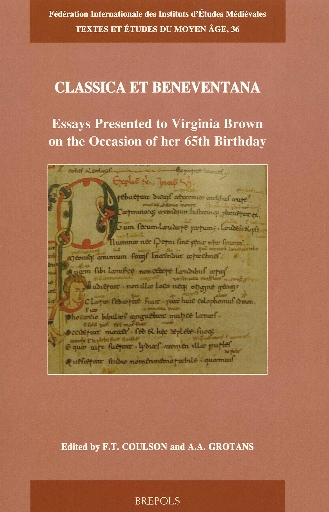
Classica et Beneventana
Essays Presented to Virginia Brown on the Occasion of her 65th Birthday
show More to view fulltext, buy and share links for:Classica et Beneventana show Less to hide fulltext, buy and share links for: Classica et BeneventanaThe Festschrift volume Classica et Beneventana, presented to Virginia Brown on the occasion of her 65th birthday, brings together eighteen insightful new essays by leading scholars devoted to the fields of classical reception and Latin palaeography. The authors investigate a wide-range of topics such as the development and application of the Beneventan script, comparative codicology, use of early liturgical manuscripts, medieval artes and biblical texts and their readers, and the reception and dissemination of classical texts during the Italian Renaissance.
Since 1970, Virginia Brown has been a Senior Research Fellow at the Pontifical Institute of Mediaeval Studies. She is recognized as one of the world’s leading authorities in classical reception and Latin palaeography. Her numerous publications on the Beneventan script have dramatically altered our knowledge of the dissemination of this southern Italian book hand from 800 to 1600. Her editorial work for the Catalogus translationum et commentariorum, as a member of the Editorial Board and since 1986 as Editor-in-Chief, has resulted in several learned volumes tracing the fortuna and study of classical authors from antiquity to the year 1600. As editor of Mediaeval Studies from 1975 to 1988, she single-handedly produced tomes noted for their scholarly rigor and acumen. This collection of essays serves as fitting tribute to a scholar who, via her scholarly research and editorial work, has done so much to advance the fields of palaeography, codicology, and the history of classical scholarship.
-
-
-
Cleveland Studies in the History of Art
show More to view fulltext, buy and share links for:Cleveland Studies in the History of Art show Less to hide fulltext, buy and share links for: Cleveland Studies in the History of ArtCleveland Studies in the History of Art publishes scholarly articles and shorter notes containing original research related to the museum’s permanent collection. While collection-based articles are particularly sought, others will also be considered. Articles are invited from outside contributors, as well as members of the staff.
-
-
-
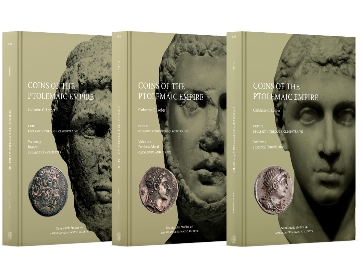
Coins of the Ptolemaic Empire, Part 2: Ptolemy V through Cleopatra VII
Volume 1: Historical Introduction, Volume 2: Catalogue of Precious-Metal Coins, Volume 3: Catalogue of Bronze Coins
show More to view fulltext, buy and share links for:Coins of the Ptolemaic Empire, Part 2: Ptolemy V through Cleopatra VII show Less to hide fulltext, buy and share links for: Coins of the Ptolemaic Empire, Part 2: Ptolemy V through Cleopatra VIIThirty years in the making, Coins of the Ptolemaic Empire, Part II, by Catharine C. Lorber, is the long-anticipated second half of the Coins of the Ptolemaic Empire (CPE) project, featuring the coins struck by Ptolemy V–Cleopatra VII. As with Part 1, Lorber essentially rewrites the sections on these rulers in J. N. Svoronos’ classic, but now much out-of-date, Ta Nomismata tou Kratous ton Ptolemaion (1904). The body of coinage catalogued by Svoronos is enlarged by hundreds of additional emissions in precious metal and bronze, recorded from subsequent scholarship, from hoards, from commercial sources, and from private collections. Lorber’s attributions, dates, and interpretations rest on numismatic research conducted after Svoronos, or on the latest archaeological and hoard information. She also provides extensive historical and numismatic introductions that give the coins deeper context and meaning.
-
-
-
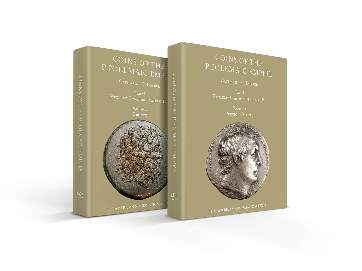
Coins of the Ptolemaic Empire, Part I: Ptolemy I through Ptolemy IV
Volume 1: Precious Metal, Volume 2: Bronze
show More to view fulltext, buy and share links for:Coins of the Ptolemaic Empire, Part I: Ptolemy I through Ptolemy IV show Less to hide fulltext, buy and share links for: Coins of the Ptolemaic Empire, Part I: Ptolemy I through Ptolemy IVCoins of the Ptolemaic Empire, Part 1, Volumes 1 and 2 (Precious Metal and Bronze) by Catharine Lorber, is the massive, long-anticipated catalogue of coins struck by the first four Ptolemaic kings. It essentially rewrites the sections on these rulers in J. N. Svoronos’ classic, but now much out of date, Ta Nomismata tou Kratous ton Ptolemaion (1904). The body of coinage catalogued by Svoronos is enlarged by more than 300 further emissions in precious metal and more than 180 emissions in bronze, recorded from subsequent scholarship, from hoards, from commercial sources, and from private collections, and constituting about a third of the total catalogue entries. Lorber’s attributions, dates, and interpretations rest on numismatic research since Svoronos, or on the latest archaeological and hoard information. She also provides extensive historical and numismatic introductions that give the coins deeper context and meaning. The coinage of Ptolemies I through IV is supplemented by a few issues possibly attributable to Cleomenes of Naucratis, the predecessor of Ptolemy I in Egypt, as well as by coinages of Ptolemy Ceraunus, Magas, and Ptolemy of Telmessus, members of the Lagid dynasty ruling their own kingdoms outside of Egypt.
-
-
-
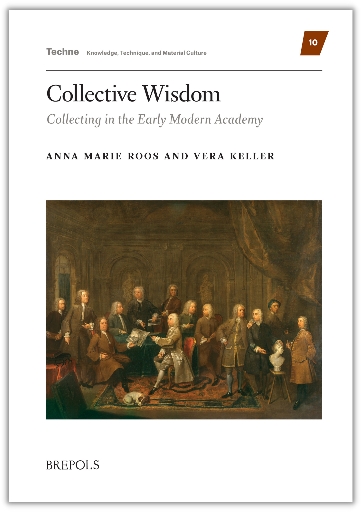
Collective Wisdom
Collecting in the Early Modern Academy
show More to view fulltext, buy and share links for:Collective Wisdom show Less to hide fulltext, buy and share links for: Collective WisdomThis volume analyses how and why members of scholarly societies such as the Royal Society, the Society of Antiquaries of London, and the Leopoldina collected specimens of the natural world, art, and archaeology in the seventeenth and eighteenth centuries. These scholarly societies, founded before knowledge became subspecialised, had many common members. We focus upon how their exploration of natural philosophy, antiquarianism, and medicine were reflected in collecting practice, the organisation of specimens and how knowledge was classified and disseminated. The overall shift from curiosity cabinets with objects playfully crossing the domains of art and nature, to their well-ordered Enlightenment museums is well known. Collective Wisdom analyses the process through which this transformation occurred, and the role of members of these academies in developing new techniques of classifying and organising objects and new uses of these objects for experimental and pedagogical purposes.
-
-
-
Colonial Congo
A History in Questions
show More to view fulltext, buy and share links for:Colonial Congo show Less to hide fulltext, buy and share links for: Colonial CongoColonialism tends to arouse emotional debate, often based on incomplete knowledge of the facts and context. Colonial Congo fills this gap by introducing the general reader to the latest academic thinking and research. Answering concrete questions, pre-eminent historians offer a unique insight into the history of the Congo Free State and the Belgian Congo.
How did Leopold II’s autocratic government function and what do we know about the victims of his rule? How much profit was made in the Congo and who benefitted the most? What was life like for Congolese men and women during colonial rule and how did they feel about it? Did the Congolese offer resistance, and in what ways? What was colonialism’s impact on the Congo’s natural world? How did colonial policy affect infrastructure, education, healthcare and science? Did missionaries give colonialism a more human face? Colonial Congo’s explorations of these issues and more are revealed in this eye-opening, indispensable guide.
-
-
-
Comment le Livre s'est fait livre. La fabrication des manuscrits bibliques (IVe-XVe siècle)
Bilan, résultats, perspectives de recherche
show More to view fulltext, buy and share links for:Comment le Livre s'est fait livre. La fabrication des manuscrits bibliques (IVe-XVe siècle) show Less to hide fulltext, buy and share links for: Comment le Livre s'est fait livre. La fabrication des manuscrits bibliques (IVe-XVe siècle)Dès l’Antiquité et tout au long du Moyen Âge, la Bible a été l’un des textes les plus reproduits dans le monde chrétien. Texte sacré par excellence, elle a été très largement commentée, remaniée, utilisée dans des contextes variés et avec des finalités diverses. C’est pourquoi, en tout lieu et à toute époque, elle constitua l’une des expressions les plus achevées, et parfois novatrices, du professionnalisme artisanal dans le domaine du livre médiéval. Si le texte de la Bible et sa tradition manuscrite ont depuis longtemps été l’objet d’une attention soutenue de la part des philologues, des exégètes et des historiens, il en va tout autrement pour ce qui est de son « incarnation » dans un objet matériel.
C’est aux diverses modalités de cette « incarnation » qu’était consacré le colloque international organisé à l’Université de Namur en mai 2012, dont les contributions sont ici réunies. Cette rencontre fut à la fois l’occasion de faire le point sur les connaissances déjà acquises sur la fabrication de la Bible de l’Antiquité tardive au xv e siècle, et d’ouvrir de nouvelles pistes de recherche. La perspective adoptée se veut globale et comparative, et met en lumière la diversité des solutions retenues pour répondre aux problèmes posés par la réalisation matérielle du texte sacré selon les époques et les contrées, des premières bibles pandectes à la diffusion des bibles incunables.
-
-
-

Commentaire de l'Apocalypse
show More to view fulltext, buy and share links for:Commentaire de l'Apocalypse show Less to hide fulltext, buy and share links for: Commentaire de l'ApocalypseL’Apocalypse johannique a longtemps posé problème dans l’Église ancienne, en raison de son caractère hermétique et de l’abus qu’en ont fait les sectes millénaristes. L’Orient ne l’a reçue que tardivement, non sans restriction, dans le canon des Écritures. En Occident, elle n’a pas suscité les mêmes réticences. Elle le doit à un exégète génial, qui a su en proposer une lecture à la fois politiquement correcte, théologiquement acceptable et spirituellement utile, dans un contexte historique très différent de celui où elle avait été rédigée. Tyconius, qui a vécu en Afrique du Nord dans la seconde moitié du IVe siècle, appartenait à l’Église donatiste, mais il était loin de partager sans réserve sa doctrine. Il en prenait même le contre-pied sur des points fondamentaux. Cela n’a pas empêché que son commentaire de l'Apocalypse ait subi le sort commun à la plupart des ouvrages réputés, à tort ou à raison, hérétiques: il n’a plus été recopié et s’est perdu. Cependant, les commentateurs de l’antiquité chrétienne et du haut moyen âge s’en sont inspirés de façon à ce point étroite, qu’il est possible de reconstituer, par comparaison, leur source commune. Ce texte fondateur, dont on trouvera ici la traduction, a été édité dans la série latine du Corpus Christianorum sous le numéro 107A. Des renvois aux pages correspondantes de l’édition sont fournis dans les marges de cette publication.
Monseigneur Roger Gryson, professeur émérite à l'Université catholique de Louvain, est connu notamment par ses travaux sur l'histoire des institutions ecclésiastiques dans l'antiquité, l'arianisme latin et la critique textuelle de la Bible latine.
-
-
-

Commentaries on The Angelic Hierarchy
show More to view fulltext, buy and share links for:Commentaries on The Angelic Hierarchy show Less to hide fulltext, buy and share links for: Commentaries on The Angelic HierarchyThomas Gallus (d. 1246) was the Abbot of Vercelli in the north of Italy. Initially a canon regular in the abbey of St Victor in Paris, he helped found a new monastery and church in the home town of his patron, Cardinal Guala Bicchieri. As well as commenting on the Canticle of Canticles three times, Thomas was renowned for his expositions of the works of Dionysius the Areopagite, commentaries which earned him the title magister in hierarchia (master of the hierarchies). This volume contains the first translation in any language of his Glosses on the Angelic (or Celestial) Hierarchy (completed in 1224), as well as his more detailed Explanation of the Angelic Hierarchy (finished in 1243). The commentaries are fascinating for their insights into Thomas’s teaching that love has a higher access to an experience of God than the intellect, the role of the angelic hierarchies in the mystical return of the soul, the psychological interpretation of the angels as representing faculties of the soul, and the use of symbols representing analogical features of the divine.
The source text of this volume appeared in Corpus Christianorum. Continuatio Mediaeualis as Thomas Gallus, Super angelica ierarchia (CCCM, 223) and Glose super angelica ierarchia (CCCM, 223A). References to the corresponding pages of the Corpus Christianorum edition are provided in the margins of this translation.
-
-
-
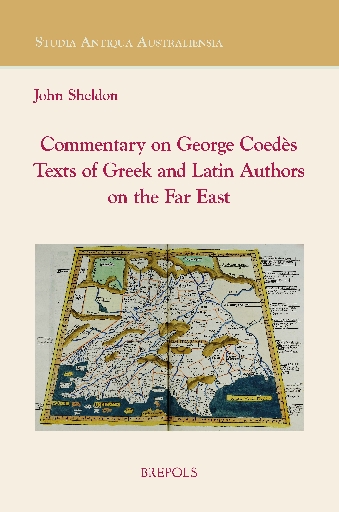
Commentary on George Coedès' Texts of Greek and Latin Authors on the Far East
show More to view fulltext, buy and share links for:Commentary on George Coedès' Texts of Greek and Latin Authors on the Far East show Less to hide fulltext, buy and share links for: Commentary on George Coedès' Texts of Greek and Latin Authors on the Far EastThis is a companion volume to Texts of Greek and Latin Authors on the Far East (Brepols 2010) originally compiled by George Coedès and recently translated by John Sheldon. There are nearly one hundred different authors whose writings have been quoted in the text volume. All these authors are introduced and all quotations are placed in context and given detailed literary, linguistic and historical commentary by Dr Sheldon. The Greek and Latin texts have been re-examined and a number of suggestions for improved readings are made in the Commentary. In a number of places traditional interpretations of the ancient geography of the Far East have been superseded mainly owing to an improved understanding of the text. This volume, which should be used in conjunction with the text volume, will be a useful, at times an essential, tool for future researchers in this field.
-
-
-
Commentary on Isaiah
show More to view fulltext, buy and share links for:Commentary on Isaiah show Less to hide fulltext, buy and share links for: Commentary on IsaiahAndrew of Saint Victor was one of the most prominent biblical scholars of the twelfth century. He was a regular canon of the Parisian abbey of St Victor, founded in 1108, which in the twelfth century had developed into a prestigious center of spiritual learning, closely connected to the nascent university in Paris. Because of his frequent use of Jewish exegetical materials, Andrew's commentaries are a rich source for the history both of biblical hermeneutics and of inter-religious dialogue during the Middle Ages. His Isaiah commentary caused outrage among medieval Christian scholars because it eschewed traditional christological interpretations, and instead offered a reading “according to the Hebrew.” This translation makes this work accessible in English for the first time.
The source text of this volume was published in 2021 by Frans van Liere (Corpus Christianorum, Continuatio Mediaeualis, 53C). References to the corresponding pages of the Corpus Christianorum edition are provided in the margins of this translation.
-
-
-
Commentary on Samuel and Kings
show More to view fulltext, buy and share links for:Commentary on Samuel and Kings show Less to hide fulltext, buy and share links for: Commentary on Samuel and KingsAndrew of St Victor († 1175) was an exegete of a rare quality who set out to expound Scripture according to its literal sense, guided by the examples of Jerome and Hugh of Saint Victor.
The books of Samuel and Kings had a great influence on the spirituality and theology of the Middle Ages. To the medieval mind, they were more than just historical accounts; they attested to an important period in God’s dealings with this world. When interpreted typologically, they could also relate to other periods in the history of salvation. Yet before such higher spiritual wisdom could be attained, students at the school of Saint Victor first had to study the scriptural texts at the most basic level of allegorical interpretation: their historical, or literal, sense. The Commentary on Samuel and Kings offers such a literal explanation and gives an opportunity to study Andrew at work: as a critical researcher, who used concepts of grammar, literary theory, and science to elucidate the text and who made Jewish exegesis available to Christian scholarship, and as a compiler. His meticulous scholarship on the literal sense of Scripture formed an important component of the curriculum of the school at Saint Victor, where thorough learning was seen as a preparation for mystical knowledge and spiritual understanding.
The source text of this volume appeared in the series Corpus Christianorum Continuatio Mediaeualis as Andreas de Sancto Victore - Expositio hystorica in librum Regum (CCCM 53A). References to the corresponding pages of the edition are provided in the margins of this translation.
Frans van Liere holds a Ph.D. in medieval studies from Groningen University and is Professor of History at Calvin College (USA). His critical edition of the latin text appeared in 1996.
-
-
-

Commento al profeta Abacuc
show More to view fulltext, buy and share links for:Commento al profeta Abacuc show Less to hide fulltext, buy and share links for: Commento al profeta AbacucGirolamo completa il Commentario al profeta Abacuc nel 393 e lo dedica all'amico Cromazio, vescovo di Aquileia. Nel percorso esegetico che lo vede impegnato a spiegare l'intero corpus profetico, l'interpretazione di Abacuc dipende fortemente da Origene, sulla cui eredità sorgerà proprio in quell'anno la famosa controversia. Girolamo offre un doppio commento, al testo ebraico e a quello greco dei Settanta. Al primo dedica una spiegazione per lo più letterale, mentre al secondo è riservata l'esegesi di stampo allegorico. Un punto qualificante del commento di Girolamo è la coerenza interpretativa, che riesce a stabilire anche fra l’esegesi dei primi due capitoli e il terzo, il cosiddetto cantico di Abacuc, che ha la forma di un salmo. I suoi predecessori, notando una certa estraneità fra la vicenda storica dell’oppressione di Nabucodonosor (cap. 1-2) e il cantico, avevano dato di quest’ultimo testo una lettura cristologica indipendente dall’interpretazione della prima parte. Girolamo, invece, riesce a congiungere nella sua esegesi anche quest’ultima parte (che verosimilmente risulta aggiunta da un redattore al testo profetico), anticipando e applicando il senso cristologico anche ai primi due capitoli grazie a inserti in cui annuncia proletticamente la venuta di Cristo.
La versione latina originale del testo proposto in traduzione in questo volume è pubblicata nella collana Corpus Christianorum. Series Latina con il titolo Hieronymus - Commentarius in Abacuc (CCSL 76-76A bis 1). I rimandi alle pagine corrispondenti dell’edizione sono forniti a margine di questa traduzione.
-
-
-
Commento alla Epistola ai Galati
show More to view fulltext, buy and share links for:Commento alla Epistola ai Galati show Less to hide fulltext, buy and share links for: Commento alla Epistola ai GalatiIl commento di Girolamo di Stridone all’Epistola ai Galati, composto nel 386 a Betlemme all’indomani della definitiva (e burrascosa) partenza da Roma, è un’impresa senza precedenti, come lo Stridonense dichiara nel prologo: applicando con coerenza tecniche note a Roma, ma guardate fino a quel momento con sospetto, lo Stridonense si propone di spiegare un’epistola paolina non più mediante la semplice parafrasi con qualche rara digressione filosofica che orienti il lettore (com’ era il caso dei predecessori latini Mario Vittorino e Ambrosiaster), bensì, alla maniera di Origene, come dibattitto aperto tra una pluralità di interpretazioni fra le quali il lettore può liberamente orientarsi. L’intuizione geronimiana ha, tra l’altro, il merito di dare nuova linfa ad un fenomeno culturale di grande portata per la letteratura latina in età tardoantica, che vede, nell’arco di pochi decenni, la fioritura a Roma, e più in generale in Occidente, di numerosi commentari paolini. Impossibile per noi moderni individuare gli autori greci delle molteplici spiegazioni menzionate da Girolamo; ma è certo che Origene è la fonte principale e che per questo l’opera geronimiana rappresenta uno dei frutti più belli della fortuna dell’Alessandrino nel IV secolo. L’interesse per il commento a Galati è infine accresciuto dalla diatriba a distanza che s’innesca tra Girolamo e Agostino a proposito della spiegazione dello Stridonense di Gal 2, 11-14: forse riprendendo da Origene una spiegazione assai peculiare dell’incidente di Antiochia, lo Stridonense finisce col provocare un’articolata e più volte reiterata protesta epistolare da parte di Agostino, il quale non ammette la novità geronimiana.
La versione latina originale del testo proposto in traduzione in questo volume è pubblicata nella collana Corpus Christianorum. Series Latina con il titolo Hieronymus - Commentarii in epistulam Pauli apostoli ad Galatas (CCSL 77A). I rimandi alle pagine corrispondenti dell’edizione sono forniti a margine di questa traduzione.
Giacomo Raspanti è Professore a contratto di Letteratura Cristiana Antica presso l'Università di Palermo (Italia). Si occupa di esegesi biblica patristica e di oratoria pagana e cristiana in età tardoantica.
-
-
-
Communautés maritimes et insulaires du premier Moyen Âge
show More to view fulltext, buy and share links for:Communautés maritimes et insulaires du premier Moyen Âge show Less to hide fulltext, buy and share links for: Communautés maritimes et insulaires du premier Moyen ÂgeComment les hommes et les femmes du premier Moyen Âge formaient-ils des communautés lorsqu’ils se trouvaient vivre près de l’eau - sur les littoraux, dans les zones humides ou le long des fleuves, mais aussi dans les îles ? La familiarité entretenue avec le milieu aquatique, objet de crainte ou source d’opportunités, signifie que les groupes humains « faisaient communauté » autrement, mais aussi que l’historien appréhende ces phénomènes d’une manière différente. Cela est vrai de toutes les communautés qui, dans la pratique des interactions quotidiennes, se formaient près de l’eau, grâce à elle ou face à elle : communautés d’habitants, communautés cléricales ou monastiques, communautés fondées sur une activité commune comme le commerce ou la pêche. Les douze contributions que compte ce livre constituent les actes d’un colloque tenu à Boulogne-sur-Mer en mars 2017. Leurs auteurs s’attachent à croiser les sources écrites et archéologiques pour offrir un regard équilibré sur des espaces et une période qui semblent à première vue moins bien documentés que d’autres. La question de la construction et de l’existence des communautés « du bord de l’eau » y est traitée à travers toute l’Europe latine, du vii e au xi e siècle, sur ses versants adriatique (à travers les lagunes de Venise et de Comacchio), atlantique (du littoral ibérique à l’Angleterre en passant par l’île de Noirmoutier) et septentrional (des Fens d’Est-Anglie à la mer Baltique et dans les emporia des mers du Nord), ainsi que dans la vallée de la Saône (de Lyon à Tournus).
-
-
-
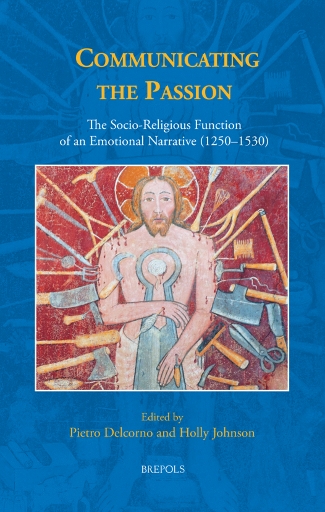
Communicating the Passion
The Socio-Religious Function of an Emotional Narrative (1250–1530)
show More to view fulltext, buy and share links for:Communicating the Passion show Less to hide fulltext, buy and share links for: Communicating the PassionThis volume investigates the vivid and emotionally intense commemoration of the Passion of Christ as a key element in late medieval religious culture. Its goal is to shed light on how the Passion was communicated and on its socio-religious function in late medieval Europe. By adopting a multidisciplinary approach, the volume analyses the different media involved in this cultural process (sermons, devotional texts, lively performances, statues, images), the multiple forms and languages in which the Passion was presented to the faithful, and how they were expected to respond to it. Key questions concern the strategies used to present the Passion; the interaction between texts, images, and sounds in different media; the dissemination of theological ideas in the public space; the fashioning of an affective response in the audience; and the presence or absence of anti-Jewish commonplaces.
By exploring the interplay among a wide range of sources, this volume highlights the pervasive role of the Passion in late medieval society and in the life of the people of the time.
-
-
-
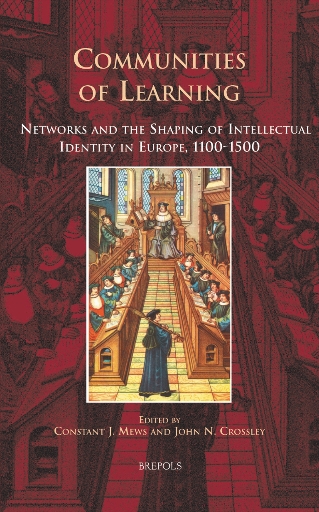
Communities of Learning
Networks and the Shaping of Intellectual Identity in Europe, 1100-1500
show More to view fulltext, buy and share links for:Communities of Learning show Less to hide fulltext, buy and share links for: Communities of LearningCommunities of Learning: Networks and the Shaping of Intellectual Identity in Europe, 1100-1500 explores the fundamental insight that all new ideas are developed in the context of a community, whether academic, religious, or simply as a network of friends. The essays in this volume consider this notion in a variety of contexts and locations within Europe, from the pioneering age of translation activity in twelfth-century Toledo, when Jewish, Christian, and Muslim scholars came together to discuss Aristotle, to the origins of the University of Paris in the thirteenth century, and up to the period of great cultural renewal in France, Germany, and Italy in the fourteenth and fifteenth centuries. The collected essays bring together disciplinary approaches that are often discussed quite separately, namely that of the history of ideas, and the sociologies of both intellectual and religious life, with a view to exploring the multiplicity of communities in which ideas are pursued. Underpinning these various essays is an awareness of the delicate relationship between education and the diversity of religious practice and expression within Europe from 1100 to 1500. The collection emphasizes the fundamental continuity of intellectual concerns, which were shaped by both classical thought and monotheist religious tradition, but interpreted in a variety of ways.
-
-
-
Communities, Environment and Regulation in the Premodern World
Essays in Honour of Peter Hoppenbrouwers
show More to view fulltext, buy and share links for:Communities, Environment and Regulation in the Premodern World show Less to hide fulltext, buy and share links for: Communities, Environment and Regulation in the Premodern WorldWho had a say in making decisions about the natural world, when, how and to what end? How were rights to natural resources established? How did communities handle environmental crises? And how did dealing with the environment have an impact on the power relations in communities? This volume explores communities’ relationship with the natural environment in customs and laws, ideas, practices and memories. Taking a transregional perspective, it considers how the availability of natural resources in diverse societies within and outside Europe impacted mobility and gender structures, the consolidation of territorial power and property rights. Communities, Environment and Regulation in the Premodern World marks Peter Hoppenbrouwers’s career, spanning over three decades, as a professor of medieval history at Leiden University.
-
-
-
Comparing Two Italies. Civic Tradition, Trade Networks, Family Relationships between the Italy of Communes and the Kingdom of Sicily
show More to view fulltext, buy and share links for:Comparing Two Italies. Civic Tradition, Trade Networks, Family Relationships between the Italy of Communes and the Kingdom of Sicily show Less to hide fulltext, buy and share links for: Comparing Two Italies. Civic Tradition, Trade Networks, Family Relationships between the Italy of Communes and the Kingdom of SicilyThe title of this volume recalls the famous 1977 book by David Abulafia, The Two Italies, about the origins of the so-called ‘unequal exchange’ and ‘dual economy’ between Northern and Southern Italy. These are supposed to have provided the ground for the so-called ‘Southern question’ (‘questione meridionale’), one of the foremost topics in the whole of Italian history. However, trade is not the only relevant theme in a comparison between the Italy of Communes and the Kingdom of Sicily. This collection of essays points to different interpretative paths, which concern not only trade networks, but also less well-known aspects of the interrelation, such as the rise of civic tradition, the spread of Mendicant Orders, and the circulation of wealth through family relationships, women, marriage and patrimonial assets.
-
-
-
Computus and its Cultural Context in the Latin West, AD 300-1200
Proceedings of the 1st International Conference on the Science of Computus in Ireland and Europe, Galway, 14-16 July, 2006
show More to view fulltext, buy and share links for:Computus and its Cultural Context in the Latin West, AD 300-1200 show Less to hide fulltext, buy and share links for: Computus and its Cultural Context in the Latin West, AD 300-1200The scientific knowledge that Irish, English, and continental European scholars nurtured and developed during the years c. AD 500 to c. AD 1200 was assimilated, in the first place, from the wider Roman world of Late Antiquity. Time-reckoning, calendars, and the minute reckonings required to compute the date of Easter, all involved the minutiae of mathematics (incl. the original concept of ‘digital calculation’) and astronomical observation in a truly scientific fashion. In fact, the ‘Dark Ages’ were anything but dark in the fields of mathematics and astronomy.
The first Science of Computus conference in Galway in 2006 highlighted the transmission of Late Antique Mathematical Knowledge in Ireland & Europe, the development of astronomy in Early Medieval Ireland & Europe and the role of the Irish in the development of computistical mathematics. The proceedings of that conference should, therefore, appeal equally to those interested in the history of science in Ireland and Europe, and in the origins of present-day mathematical and astronomical ideas.
-
-
-
Compétition et sacré au haut Moyen Âge : entre médiation et exclusion
show More to view fulltext, buy and share links for:Compétition et sacré au haut Moyen Âge : entre médiation et exclusion show Less to hide fulltext, buy and share links for: Compétition et sacré au haut Moyen Âge : entre médiation et exclusionLes actes du colloque « Compétition et sacré au haut Moyen Âge : entre médiation et exclusion » constituent le deuxième volume de la série de publications du groupe international de recherches sur la compétition dans les sociétés médiévales (400-1100). Ce programme de recherche considère les objets de la compétition, les moyens et les formes de la compétition qui dépendent des capacités de régulation de cette même compétition : règles du jeu édictées par les autorités, mécanismes de médiation plus ou moins forts, équilibre de la terreur, la performativité des moyens : résultats en termes d’objets et d’enjeux, les possibilités de mobilité sociale, de changement de statut ou de position qui sont plus ou moins grandes selon les périodes et les espaces. La rencontre de Limoges place le sacré au centre de la réfl exion sur la compétition, mais il est nécessaire de ne pas restreindre le sacré à ce qui est consacré par l’autorité ecclésiastique. Si le sacré est bien ce qui est doté d’une force surnaturelle et qui isole, la distinction sacré-profane ne passe pas complètement par l’opposition clercs-laïcs. Avec le sacré on touche au pouvoir, puisqu’il ne peut y avoir de pouvoir légitime au Moyen Âge sans lien avec le sacré, quelle que soit la forme prise par la relation. Même si les clercs tendent à monopoliser de plus en plus le sacré par le biais du « consacré », la spécifi cité de la période prégrégorienne tient précisément à ce que le sacré n’est pas encore entièrement contrôlé par les clercs et qu’il est donc objet de compétition. En même temps, le sacré est un instrument de la compétition et il est facteur d’exclusion.
-
-
-
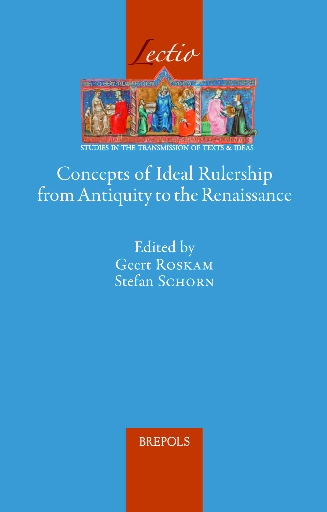
Concepts of Ideal Rulership from Antiquity to the Renaissance
show More to view fulltext, buy and share links for:Concepts of Ideal Rulership from Antiquity to the Renaissance show Less to hide fulltext, buy and share links for: Concepts of Ideal Rulership from Antiquity to the RenaissanceAncient works On Kingship have received a lot of attention in recent scholarship, where the main focus is usually on classic works such as Seneca’s On Clemency, Isocrates’ Cyprian Orations or Dio of Prusa’s Kingship Orations. In this volume, we deliberately turn to the periphery, to the grey zone where matters usually prove more complicated. This volume focuses on authors who deal with analogous problems and raise similar questions in other contexts, authors who also address powerful rulers or develop ideals of right rulership but who choose very different literary genres to do so, or works on kingship that have almost been forgotten. Departing from well-trodden paths, we hope to contribute to the scholarly debate by bringing in new relevant material and confront it with well-known and oft-discussed classics. This confrontation even throws a new light upon the very notion of ‘mirrors for princes’. Moreover, the selection of peripheral texts from Antiquity to the Renaissance reveals several patterns in the evolution of the tradition over a longer period of time.
-
-
-
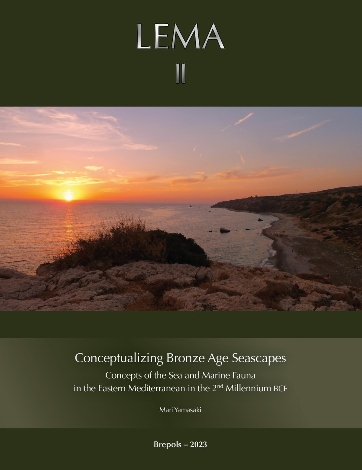
Conceptualizing Bronze Age Seascapes
Concepts of the Sea and Marine Fauna in the Eastern Mediterranean in the Second Millennium bce
show More to view fulltext, buy and share links for:Conceptualizing Bronze Age Seascapes show Less to hide fulltext, buy and share links for: Conceptualizing Bronze Age SeascapesThe Mediterranean has, for millennia, formed the heart of an intensive trading network of ideas, goods, and people. For the ancient populations of the Levant, Cyprus, and Southern Anatolia, interactions with the sea — from fishing to seafaring, and from trade to dye production — were a constant presence in their life. But how did the coastal peoples of the Bronze Age understand the sea? How did living on the shore influence their lives, from daily practices to mythological beliefs? And what was the impact on their conceptual world? This volume seeks to engage with these questions by addressing the relationship between environment, diet, material production, perception, and thought formation through a combination of archaeological analysis and engagement with primary sources, and in doing so, it offers unique insights into the conceptual world of the ancient Mediterranean maritime cultures of the 2nd millennium BCE.
-
-
-
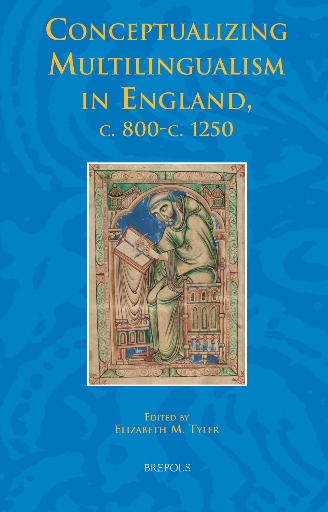
Conceptualizing Multilingualism in England, c.800-c.1250
show More to view fulltext, buy and share links for:Conceptualizing Multilingualism in England, c.800-c.1250 show Less to hide fulltext, buy and share links for: Conceptualizing Multilingualism in England, c.800-c.1250Throughout the period 800–1250, English culture was marked by linguistic contestation and pluralism: the consequence of migrations and conquests and of the establishment and flourishing of the Christian religion centred on Rome. In 855 the Danes ‘over-wintered’ for the first time, re-initiating centuries of linguistic pluralism; by 1250 English had, overwhelmingly, become the first language of England. Norse and French, the Celtic languages of the borderlands, and Latin competed with dialects of English for cultural precedence. Moreover, the diverse relations of each of these languages to the written word complicated textual practices of government, poetics, the recording of history, and liturgy. Geographical or societal micro-languages interacted daily with the ‘official’ languages of the Church, the State, and the Court. English and English speakers also played key roles in the linguistic history of medieval Europe. At the start of the period of inquiry, Alcuin led the reform of Latin in the Carolingian Empire, while in the period after the Conquest, the long-established use of English as a written language encouraged the flourishing of French as a written language. This interdisciplinary volume brings the complex and dynamic multilingualism of medieval England into focus and opens up new areas for collaborative research.
-
-
-
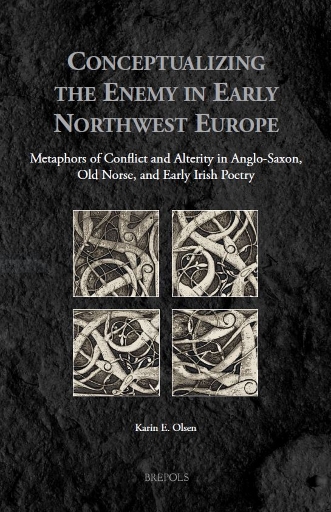
Conceptualizing the Enemy in Early Northwest Europe
Metaphors of Conflict and Alterity in Anglo-Saxon, Old Norse, and Early Irish Poetry
show More to view fulltext, buy and share links for:Conceptualizing the Enemy in Early Northwest Europe show Less to hide fulltext, buy and share links for: Conceptualizing the Enemy in Early Northwest EuropeDespite the prominence of conflicts in all mythological and heroic literature, perceptions of these conflicts and their participants are shaped by different cultural influences. Socio-economic, political, and religious factors all influence how conflict is perceived and depicted in literary form. This volume provides the first comparative analysis to explore conceptions of conflict and otherness in the literary and cultural contexts of the early North Sea world by investigating the use of metaphor in Old English, Old Norse, and Early Irish poetry. Applying Conceptual Metaphor Theory together with literary and anthropological analysis, the study examines metaphors of conflict and alterity in a range of (pseudo-)mythological, heroic, and occasional poetry, including Beowulf, Old Norse skaldic and eddic verse, and poems from the celebrated ‘Ulster Cycle’. This unique approach not only sheds new light on a wide spectrum of metaphorical techniques, but also draws important conclusions concerning the common cultural heritage behind these three poetic corpora.
-
-
-
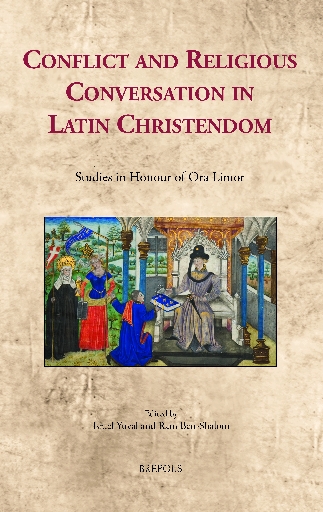
Conflict and Religious Conversation in Latin Christendom
Studies in Honour of Ora Limor
show More to view fulltext, buy and share links for:Conflict and Religious Conversation in Latin Christendom show Less to hide fulltext, buy and share links for: Conflict and Religious Conversation in Latin ChristendomThe literature against the Jews (contra Iudeos) was crucially influential in the shaping of Christianity during the centuries following the crucifixion, particularly during the period when Christianity remained outside official Roman toleration. And yet, this phenomenon did not decline in the Middle Ages when Christianity emerged as the supreme power in the western world and Judaism could no longer threaten it in any way. The Jewish response to this literary practice did not arise for some time, yet from the twelfth century onwards the effort to counter Christian ideological attacks became a central intellectual activity and a pressing concern on the part of Jewish scholars in the West. Although both Latin and Hebrew polemics were often intended, first and foremost, for local audiences in order to satisfy local needs and intellectual demands, they also engaged each other, and raised urgent theological and cultural questions in doing so. This cultural discourse did not just find expression in polemical literature (Nizahon and Adversus Iudaeos) but also in a variety of other representations and daily practices. This collection of studies is devoted to an examination of the significance of this phenomenon as a longue durée process, and pursues its concerns from a variety of innovative perspectives that join together authoritative scholars from the field of Jewish-Christian relations.
-
-
-
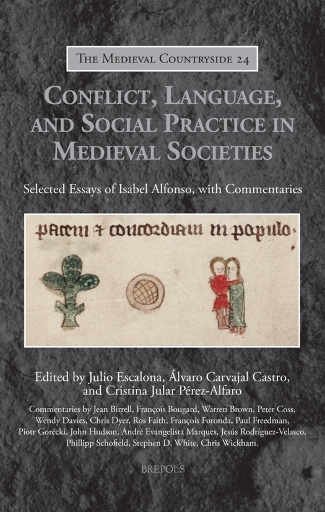
Conflict, Language, and Social Practice in Medieval Societies
Selected Essays of Isabel Alfonso, with Commentaries
show More to view fulltext, buy and share links for:Conflict, Language, and Social Practice in Medieval Societies show Less to hide fulltext, buy and share links for: Conflict, Language, and Social Practice in Medieval SocietiesIsabel Alfonso is one of the finest scholars on the rural and political history of the European Middle Ages. She is widely known for her contributions to the study of the peasantry, social conflict, and political discourses. Her research has transcended the boundaries of medieval studies, incorporating insights from disciplines beyond including legal anthropology, philology, and discourse analysis, among others. Over her academic career Isabel Alfonso has made a continued effort to make the work of international scholars known in Spain and to communicate advancements in Spanish historiography to international audiences; and yet most of her own research has only been published in Spanish. As a means to acknowledge her long-standing commitment to bridge different historiographies and overcome national boundaries, this unusual Festschrift offers a selection of her most relevant publications, many of which appear in English for the very first time. Each paper is preceded by commentaries by leading scholars that discuss the enduring relevance of Isabel Alfonso’s work, its richness and complexity, and its potential to inspire further research along a vast array of lines.
Commentaries by Jean Birrell, François Bougard, Warren Brown, Peter Coss, Wendy Davies, Chris Dyer, Ros Faith, François Foronda, Paul Freedman, Piotr Gorécki, John Hudson, André Evangelista Marques, Jesús Rodríguez-Velasco, Phillipp Schofield, Stephen D. White, Chris Wickham.
-
-
-
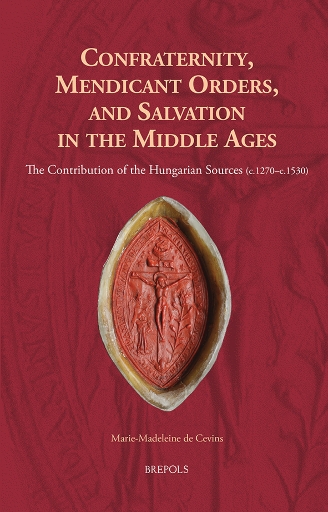
Confraternity, Mendicant Orders, and Salvation in the Middle Ages
The Contribution of the Hungarian Sources (c. 1270-c. 1530)
show More to view fulltext, buy and share links for:Confraternity, Mendicant Orders, and Salvation in the Middle Ages show Less to hide fulltext, buy and share links for: Confraternity, Mendicant Orders, and Salvation in the Middle AgesBy the late Middle Ages, mendicant spiritual confraternities had developed a poor reputation. Their spiritual status was ill-identified: somewhere between requests for intercession, necrological commemoration, and pious associations. In the hands of the mendicants, they seemed to resemble what indulgences had supposedly become in the hands of the papacy: bait that was handed out to extort funds from the faithful while offering an apparently immediate access to Paradise. Thus, like indulgences, they seem to have been gradually emptied of their substance and denounced (even before Luther) as glaring evidence of the corruption of the Roman Church. Much recent scholarship has followed this negative portrait of spiritual confraternities — unless it has conflated them with other non-spiritual confraternities, or indeed ignored them altogether.
This volume draws on the abundant number of letters of confraternity available from Hungarian sources in order to provide a more nuanced picture of mendicant spiritual confraternities. It sheds new light on the links between the mendicants and their supports among the laity, and emphasises the broader significance of the confraternity movement in late medieval piety in Central Europe and beyond.
-
-
-
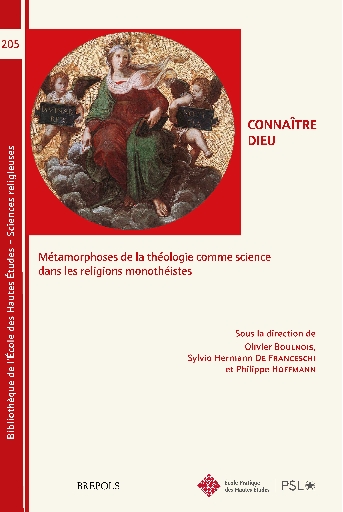
Connaître Dieu
Métamorphoses de la théologie comme science dans les religions monothéistes
show More to view fulltext, buy and share links for:Connaître Dieu show Less to hide fulltext, buy and share links for: Connaître DieuLa théologie est née comme science métaphysique. Dès Aristote, la science la plus haute se présente comme une discipline philosophique qu’il appelle épistémè théologikè, « science théologique ». Ce que nous appelons aujourd’hui « métaphysique », c’est ce que les traductions latines d’Aristote appellent scientia divina, « science divine ». Or cette « science divine » aristotélicienne ne porte pas sur les dieux de la religion. Aristote emploie d’ailleurs un terme tout à fait différent pour désigner le discours mythique et religieux sur les dieux : il parle alors de theologia ; la theologia est une autre sorte de discours, celui des mythologies sur les dieux, tandis que la « science divine » du philosophe porte sur une substance première, séparée du monde sensible et principe de son mouvement, soit le premier moteur. Ce principe n’opère aucun salut. Il ne faut donc pas confondre le discours scientifique (la « science théologique » ou « science divine », sur le premier moteur) et le discours religieux. La difficulté est alors de comprendre quand, comment et pourquoi cette discipline philosophique suprême, la science théologique, s’est orientée vers les religions vécues par les hommes. Quand le mur séparant la theologia de la « science théologique » a-t-il été abattu ? Le présent volume s’est donné pour visée de se confronter à la nécessité d’une prise en compte, non seulement du fait religieux, mais aussi de la rationalité religieuse. Le terme « théologie » est ambigu. Il désigne tantôt la compréhension d’une religion par elle-même, tantôt la compréhension du divin par un discours rationnel. C’est pourquoi une étude comparée de la théologie comme science dans les monothéismes a un double objet : il s’agit d’abord d’étudier comment la spéculation métaphysique sur les dieux, le divin et Dieu s’est transformée en « science théologique » ; il convient ensuite de montrer comment les religions monothéistes se sont construites en théologies sur les canons de la rationalité grecque.
-
