


Brepols Online Books Medieval Miscellanea Collection 2011 - bob2011mime

Collection Contents
2 results
-
-
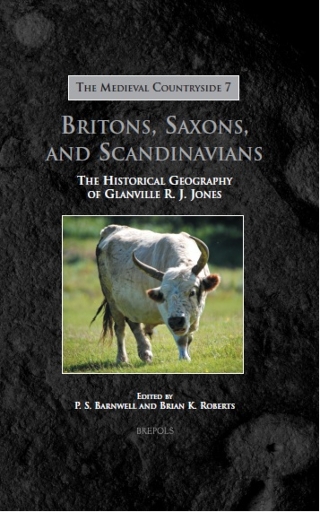
Britons, Saxons, and Scandinavians
show More to view fulltext, buy and share links for:Britons, Saxons, and Scandinavians show Less to hide fulltext, buy and share links for: Britons, Saxons, and ScandinaviansThis volume contains a selection of the collected papers of the late Professor Glanville R. J. Jones. Following a brief assessment of the man and his work, by J. Beverley Smith, an extensive introductory essay by the editors sets Jones’s work in a wide historiographical context. This material provides an overview of his ‘multiple estate’ model and concludes with an assessment of its continuing relevance in the twenty-first century. The selection of his published papers then begins with Welsh roots and the work from which his ideas grew, while the remaining items show how the questions he asked led him towards explorations of ‘early’ medieval estate structures in England, their links with rural settlement evolution, and the pragmatic, tenurial, and fiscal arrangements which bound individual rural settlements into broader spatial structures. Jones’s ideas are often cited — usually, but not invariably, with praise — and this corpus is intended to allow today’s scholars to reach a mature assessment of what he achieved. Right or wrong, he presented important challenges to the various disciplines working on the archaeology, history, and historical geography of the periods before and after the Norman Conquest of 1066.
-
-
-
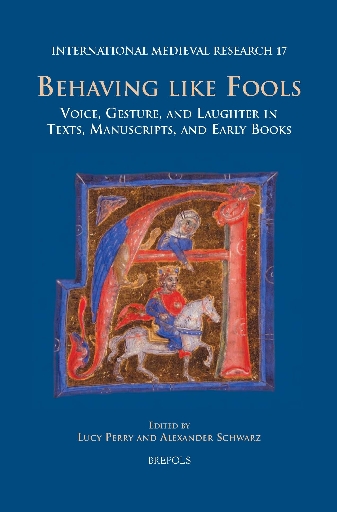
Behaving like Fools
show More to view fulltext, buy and share links for:Behaving like Fools show Less to hide fulltext, buy and share links for: Behaving like FoolsThe period from 1200 to 1600 was the golden age of fools. From representations of irreverent acts to full-blown insanity, fools appeared on the misericords of gothic churches and in the plots of Arthurian narratives, before achieving a wider prominence in literature and iconography in the decades around 1500. But how are we to read these figures appropriately? Is it possible to reconstruct the fascination that fools exerted on the medieval and early modern mind? While modern theories give us the analytical tools to explore this subject, we are faced with the paradox that by striving to understand fools and foolishness we no longer accept their ways but impose rational categories on them. Together these essays propose one way out of this dilemma. Instead of attempting to define the fool or trying to find the common denominator behind his many masks, this volume focuses on the qualities, acts, and gestures that signify foolishness. By investigating different manifestations of foolery rather than the figure of the fool himself, we can begin to understand the proliferation of fools and foolish behaviour in the texts and illustrations of manuscripts and early books.
-