


Brepols Online Books Medieval Monographs Collection 2014 - bob2014mome

Collection Contents
1 - 20 of 32 results
-
-
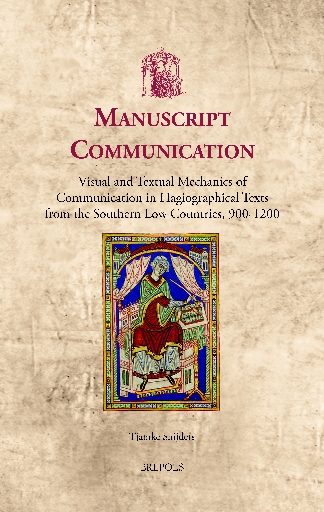
Manuscript Communication
show More to view fulltext, buy and share links for:Manuscript Communication show Less to hide fulltext, buy and share links for: Manuscript CommunicationThis study investigates how medieval abbeys in the Southern Low Countries used hagiographical manuscripts as a communicative tool. Four basic questions are addressed: How did layout influence a manuscript’s communicative potential? Was manuscript communication influenced by its composition? How did the flexibility of texts and manuscripts influence their communicative function? And how did the position of the monastery within the monastic landscape influence manuscript communication?
Ranging from in-depth case studies to discussions of structure and agency in manuscript terminology and layout in the aftermath of New Philology, this book argues that the High Middle Ages witnessed a fundamental process of manuscript diversification and specialisation, which was at the basis of the thirteenth-century revolution in manuscript layout. This led twelfth-century monks to start conceptualising the manuscript as an object with fixed contents, which was to be used and copied as a whole. Consequently, the production and spread of saints’ lives became part of a process of ideological homogenisation among Benedictine monasteries and started a crucial development in medieval literacy.
-
-
-
Aux marges du monde germanique : l'évêque, le prince, les païens (VIIIe-XIe siècles)
show More to view fulltext, buy and share links for:Aux marges du monde germanique : l'évêque, le prince, les païens (VIIIe-XIe siècles) show Less to hide fulltext, buy and share links for: Aux marges du monde germanique : l'évêque, le prince, les païens (VIIIe-XIe siècles)La conquête carolingienne de l’ensemble des espaces germaniques à la fin du VIIIe siècle a permis une nouvelle expansion du christianisme et de la latinité à l’Est de l’Europe : les évêques y sont les premiers responsables de la mise en place des structures d’encadrement et de pouvoir en liaison étroite avec la royauté. Dans le cadre de la mission et de l’implantation de nouvelles structures ecclésiastiques, ils transforment l’organisation de l’espace en créant des cités épiscopales là où aucune ville romaine n’avait jamais existé et développent des pôles de sacralité qui sont autant d’accroches de leur pouvoir. Ce nouveau monde est à conquérir en profondeur et la mission demeure un impératif tant politique que religieux : la rencontre des païens, à la fois recherchée et redoutée, est l’occasion de mieux définir les contours de la société chrétienne. Dans l’empire ottonien des Xe-XIe siècles les marches du monde germanique pénètrent profondément en territoire slave et les processus d’acculturation des élites, notamment polonaises et tchèques, mais aussi hongroises, permettent le développement de nouvelles structures politiques et l’essor d’une nouvelle chrétienté : on observe ici la formation de sociétés de la frontière où les processus d’acculturation et les interactions sociales ne sont jamais à sens unique.
-
-
-
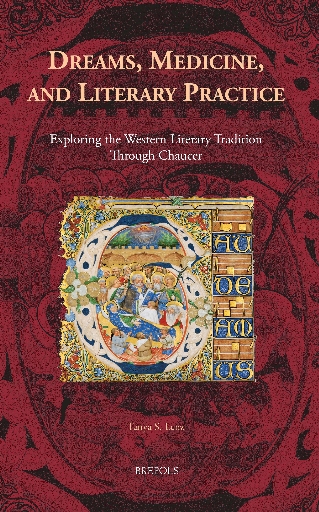
Dreams, Medicine, and Literary Practice
show More to view fulltext, buy and share links for:Dreams, Medicine, and Literary Practice show Less to hide fulltext, buy and share links for: Dreams, Medicine, and Literary PracticeThis groundbreaking volume explores the intersection of dreams, medicine, and literary practice in the poetry of Chaucer and influential literary works from antiquity through the late fourteenth century. An introductory exploration considers topics such as Asclepian dream healings of ancient Greece, Old English poetry, medieval mystics, and foundational works by Hippocrates, Aristotle, Galen, Avicenna, Macrobius, and others. Detailed analyses of a series of Chaucer’s poems follow. Frequently incorporating and commenting on antecedent works, these late medieval poems span various genres including the dream-vision, the romance-tragedy, and the comic tale. Dreams and medicine are woven into the fabric of these texts, the author contends, revealing distinct and often surprising insights. One such insight is the ‘double potential’ of literary practice, medicine, and dreams - that is, each is capable of facilitating healing and wholeness yet equally capable of causing harm and disease. Ultimately, this book shows that the joining together of medicine and dreams constitutes a vital dimension of these key works in Western literature - one that reveals a profound connection between literature and the fundamentally human experiences of disease, healing, and dreaming.
-
-
-
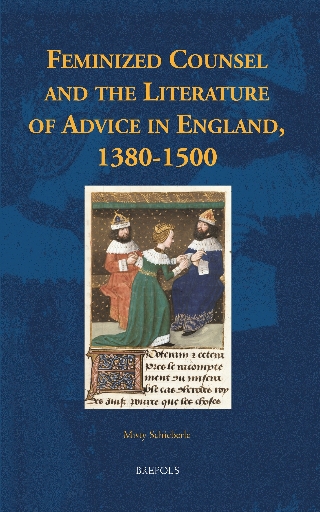
Feminized Counsel and the Literature of Advice in England, 1380-1500
show More to view fulltext, buy and share links for:Feminized Counsel and the Literature of Advice in England, 1380-1500 show Less to hide fulltext, buy and share links for: Feminized Counsel and the Literature of Advice in England, 1380-1500The term ‘feminized counsel’ denotes the advice associated with and spoken by women characters. This book demonstrates that rather than classify women’s voices as an opposite against which to define masculine authority, late medieval vernacular poets embraced the feminine as a representation of their subordination to kings, patrons, and authorities. The works studied include Gower’s Confessio Amantis, Chaucer’s Legend of Good Women and Melibee, and English translations of Christine de Pizan’s Epistre Othea. To advise readers, these texts draw on the politicized genre of mirrors for princes. Whereas Latin mirrors such as the Secretum secretorum and Giles of Rome’s De regimine principum represented women as inferior, weak, and detrimental to masculine authority, these vernacular texts break traditional expectations and portray women as essential and authoritative political counsellors.
By considering Latin and French sources, historical models of queens’ intercessions, and literary models of authoritative female personifications, this study explores the woman counsellor as a literary topos that enabled poets to criticize, advise, and influence powerful readers. Feminized Counsel elucidates the manner in which vernacular poets concerned with issues of counsel, mercy, and power identified with fictional women’s struggles to develop authority in the political sphere. These women counsellors become enabling models that paradoxically generate authority for poets who also lack access to traditionally recognized forms of intellectual or literary authority.
-
-
-
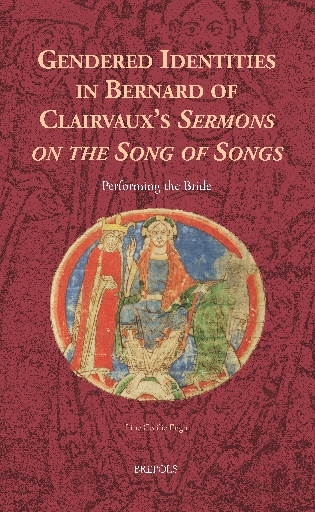
Gendered Identities in Bernard of Clairvaux’s 'Sermons on the Song of Songs'
show More to view fulltext, buy and share links for:Gendered Identities in Bernard of Clairvaux’s 'Sermons on the Song of Songs' show Less to hide fulltext, buy and share links for: Gendered Identities in Bernard of Clairvaux’s 'Sermons on the Song of Songs'In this analysis of Bernard of Clairvaux’s famous Sermons on the Song of Songs, gendered imagery is treated, for the first time, as an interpretative key. Through close readings of Bernard’s text and through the rich array of recent medieval studies on sex and gender, this book challenges familiar interpretations of body, gender, and asceticism, disrupting the commonplace view of medieval monasticism as desexualized and un-gendered.
Bernard not only interprets, but also embodies or actualizes the figure of the bride, generating images of celibacy as erotic pleasure and monks as fecund and female. Through his performance, Bernard provides a hermeneutical model on which he patterns himself and his audience, the Cistercian choir monk. By analyzing the rhetorical functions of Bernard’s female self-representation, the author explores how complex and varied female images in the text are absorbed into the bridal role - lactating mother, ecstatic virgin, weeping widow, needy girl.
By appropriating femaleness, Bernard transformed the Cistercian cloister into an inverted world that anticipated eschatological restoration and salvation. In this parallel monastic reality, the book argues, males performed all parts while gender hierarchy was upheld to establish notions of superior and inferior, worldly and heavenly, humility and sublimity. The male-female duality in this language is not one of equality, but was rather forged into a hermeneutical hierarchy in which, ultimately, a fully Christomimetic man both appropriates and negates femaleness.
-
-
-
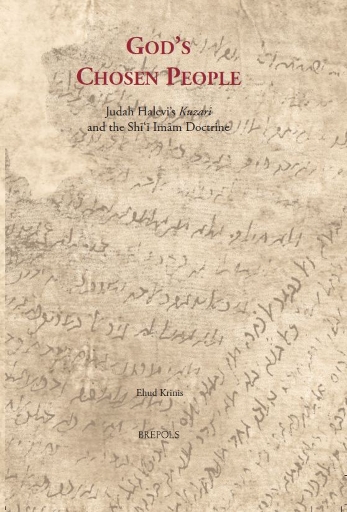
God's Chosen People
show More to view fulltext, buy and share links for:God's Chosen People show Less to hide fulltext, buy and share links for: God's Chosen PeopleThe systematic formulation of the status of the People of Israel as the Chosen People of God stands at the heart of Judah Halevi’s famous theological and polemical treatise - the Kuzari.
The idea of the Chosen People is an ancient one and is deeply rooted in Judaism. Through a wide-ranging textual and phenomenological investigation, this book highlights the novel and systematic presentation of the Chosen People in the Kuzari and shows how Judah Halevi draws, in a creative manner, on terms, concepts, and themes borrowed from the Shī‘ī doctrine of the Imām as presented in Shī‘ī literature.
This book presents a historical perspective for understanding the basis of Judah Halevi’s attraction to Shī‘ī theology, with its unique category of God’s Chosen. The polemical argument over the issue of the legitimate successor to leadership in early Islam, as well as the debate around the legitimate successor-group in medieval interreligious disputes, emerges as the historical background for the seemingly surprising link between the Shī‘ī Imām doctrine and the idea of the Chosen People in Judah Halevi’s thought. This link on the one hand portrays Halevi as a bold, original thinker and, on the other, portrays the Shī‘ī Imām doctrine as exceedingly fruitful and reaching beyond the bounds of Islam.
-
-
-
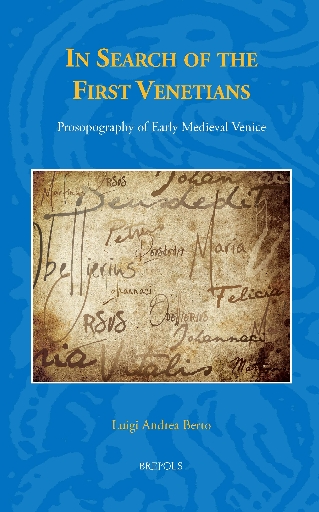
In Search of the First Venetians
show More to view fulltext, buy and share links for:In Search of the First Venetians show Less to hide fulltext, buy and share links for: In Search of the First VenetiansThis prosopographical study provides information about each Venetian living in the early Middle Ages, from the invasion of the Lombards in 569 - an action that forced part of northeast Italy’s population to seek refuge on the islands of the Venetian lagoon - to the rule of Duke Petrus Ursoylus II (991-1008). There is an entry for each individual listing all available information and quoting the full text of primary sources within the footnotes. The data are organized in categories such as families, first names, rulers, women, office holders, ecclesiastics, occupations, and places of residence (Venice was a duchy with different urban centres).
Venice is an extremely important place for this kind of analysis. It is the area in which family name use began for the first time in medieval Europe. Venice was never conquered by a ‘Germanic’ people, and therefore it is possible to study the evolution of a post-Roman/Byzantine society by analyzing the names of the Venetians. Moreover, scholars interested in later periods will be able to find the origins of all the most important Venetian families.
-
-
-
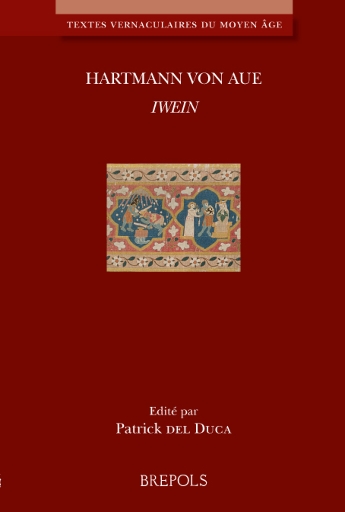
Iwein
show More to view fulltext, buy and share links for:Iwein show Less to hide fulltext, buy and share links for: IweinA la fin du XIIe siècle, Hartmann von Aue, un clerc allemand originaire de Souabe, adapte Yvain ou le Chevalier au Lion de Chrétien de Troyes. Iwein constitue sans nul doute l’œuvre la plus aboutie et la plus fascinante de Hartmann. L’adaptateur y reprend les aventures autour desquelles s’organise le roman français : la fontaine merveilleuse, la conquête d’une reine et d’un pays, la folie d’Iwein, l’aide apportée aux chevaliers prisonniers du géant Harpin ou aux trois cents captives d’un château, le combat contre Gawein. Toutefois, Hartmann ne se contente pas d’adapter le roman de Chrétien à la langue allemande, il réinterprète sa source et transforme en profondeur les motivations des personnages et le sens des aventures. Ce qui prime chez Hartmann n’est plus le rapport entre fin’ amor et prouesse mais le rôle de la chevalerie et l’idéal du miles christianus. Pour la première fois, ce roman allemand est traduit en français moderne.
Patrick del Duca est Maître de Conférences et enseigne la langue et la littérature allemandes du Moyen Âge à l’Université Blaise Pascal de Clermont-Ferrand.
-
-
-
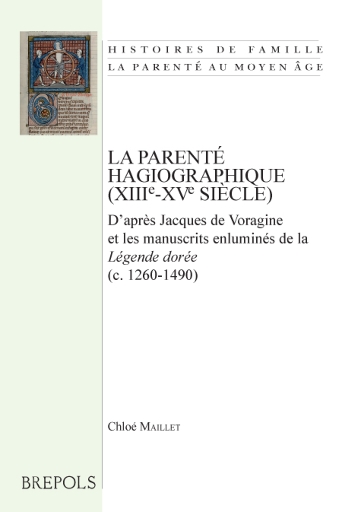
La parenté hagiographique (XIIIe-XVe siècle)
show More to view fulltext, buy and share links for:La parenté hagiographique (XIIIe-XVe siècle) show Less to hide fulltext, buy and share links for: La parenté hagiographique (XIIIe-XVe siècle)L'ouvrage de Chloé Maillet nous plonge au cœur d'une parenté bien extraordinaire : des femmes se travestissent, des hommes sont enceints, des moines maternent, des pères allaitent leur enfant, des époux pratiquent la chasteté conjugale, des jeunes filles vierges sont barbues, des fils égorgent leurs parents, des mères font des avances à leur fils, tuent leur propres enfants ou les mangent, etc. Cette parenté troublée, déviante, inversée, ou fantasmée est celle des saints et des saintes de l'Occident médiéval que l'auteure nomme la "parenté hagiographique" qui vient s'ajouter et se combiner à la parenté charnelle, à la parenté baptismale, à la parenté spirituelle et à la parenté divine. En s'appuyant pour l'essentiel sur la confrontation entre le texte de La Légende Dorée de Jacques de Voragine et les images de trente-sept manuscrits enluminés produits entre la seconde moitié du XIIIe siècle et la fin du XVe siècle de ce remarquable légendier qui connaît une immense diffusion dans toute l'Europe, Chloé Maillet nous livre une stimulante réflexion sur les fondements de la parenté médiévale et sur l'ensemble des liens sociaux qui la composent car les qualités des saints et des saintes révèlent et construisent l'idéal de la société qui a produit ces modèles.
Didier Lett
-
-
-
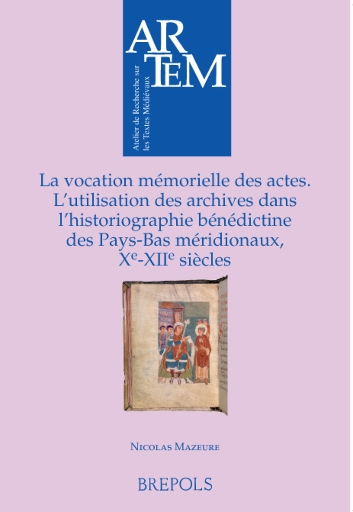
La vocation mémorielle des actes
show More to view fulltext, buy and share links for:La vocation mémorielle des actes show Less to hide fulltext, buy and share links for: La vocation mémorielle des actesCe livre comprend une analyse de la relation entre textes historiographiques et sources diplomatiques dans les milieux bénédictins au Moyen Âge central. Les (ré)écritures résultant de la transmission des archives y témoignent d’un maniement récurrent de passés locaux. Les vitae abbatiales, les gesta et les (cartulaires-)chroniques datant du Xe au XIIe siècle permettent par excellence d’étudier le dialogue entre gestion des archives, production d’actes et recréation narrative d’un passé local et institutionnel dans des récits et des codices.Par une analyse casuistique, l’auteur dévoile la perception et la valorisation d’un héritage documentaire sur le plan religieux, juridique, social et mémoriel. Il expose que les fonctions diverses, liées à la mémoire, à la représentation du passé et à la construction d’une identité communautaire, étaient autrefois confiées à un éventail de genres historiographiques et diplomatiques consciemment composés mais néanmoins complémentaires. Enfin, l’auteur accentue que il est crucial d’intégrer dans l’étude de l’historiographie monastique l’évolution dans la pratique de l’écrit documentaire, à savoir les modalités de rédaction ou de rôles tenus par les actes dans les procédures juridiques. Celle-ci influait en effet fortement sur l’évaluation de la conservation de documents diplomatiques et de leur mode de transmission, y compris par voie historiographique.
-
-
-

Le cartulaire et les chartes de l'abbaye de femmes d'Avesnes-lès-Bapaume (1128-1337)
show More to view fulltext, buy and share links for:Le cartulaire et les chartes de l'abbaye de femmes d'Avesnes-lès-Bapaume (1128-1337) show Less to hide fulltext, buy and share links for: Le cartulaire et les chartes de l'abbaye de femmes d'Avesnes-lès-Bapaume (1128-1337)En 1975, Pierre Bougard, archiviste du département du Pas-de-Calais, découvrit dans les archives privées du château de Tramecourt (France, département du Pas-de-Calais) un cartulaire inconnu de l'abbaye de femmes d'Avesnes, fondée vers 1128 par Clémence, comtesse douairière de Flandre. Il en commença l'édition qui a été terminée par Bernard Delmaire, professeur émérite d'histoire médiévale à l'université de Lille III.Cette découverte est d'autant plus précieuse que les archives de l'abbaye ont entièrement disparu. Pour cette raison, on a ajouté à l'édition des 153 actes du cartulaire celle d'une trentaine d'actes retrouvés en divers dépôts d'archives et bibliothèques.L'édition des documents, aux 4/5 inédits, est précédée d'une introduction codicologique sur le cartulaire, et historique sur le sort obscur et mouvementé de cette abbaye bénédictine qui accueillait trente moniales, qui fut détruite en 1553, lors des guerres entre Charles Quint et les rois de France, et transférée près d'Arras. Elle est complétée par cinq annexes, dont une liste refaite des abbesses jusqu'en 1789 et l'édition des restes de l'obituaire.Les documents édités touchent à l'histoire mal connue du monachisme féminin en Flandre, puis en Artois, à l'histoire rurale, à l'histoire seigneuriale et féodale de l'Artois et de la Picardie, et à l'histoire des villes de Bapaume et d'Arras.
-
-
-
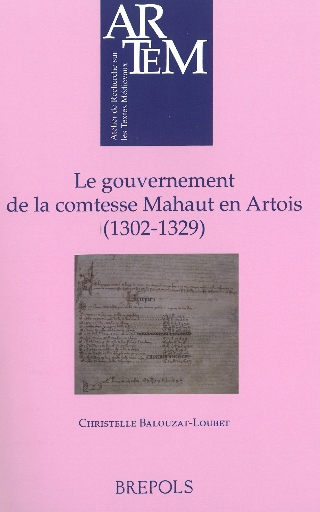
Le gouvernement de la comtesse Mahaut en Artois (1302-1329)
show More to view fulltext, buy and share links for:Le gouvernement de la comtesse Mahaut en Artois (1302-1329) show Less to hide fulltext, buy and share links for: Le gouvernement de la comtesse Mahaut en Artois (1302-1329)Le comté d’Artois illustre sous le règne de Mahaut (1302-1329) un moment spécifique du processus de construction des États princiers dans les derniers siècles du Moyen Âge.
Confrontée dès son arrivée au pouvoir à plusieurs revendications territoriales, ainsi qu’à l’ingérence royale qui se fait encore plus pressante lors de la révolte nobiliaire des années 1315-1319, Mahaut défend âprement son héritage. Entourée d’équipes de pouvoir fidèles et compétentes, elle gouverne son apanage à l’aide d’une administration centralisée, de plus en plus spécialisée, inspirée des pratiques royales et princières. Grâce à un mécénat particulièrement actif, dont elle fait un vecteur idéologique, elle assoit sa légitimité sur l’Artois et construit la mémoire de la dynastie comtale. Princesse capétienne, pair de France, elle s’efforce de rester au plus près du roi, pour défendre ses intérêts, participer au Conseil et prendre une part active à la vie politique du royaume.
Finalement, l’exemple artésien illustre l’originalité des premières principautés apanagistes, qui se construisent dans un champ de forces contradictoires, entre attraction monarchique et volonté d’émancipation. Il montre aussi les spécificités du pouvoir au féminin, à une époque où la tendance est à l’exclusion des femmes de la sphère politique.
-
-
-
Les constitutions des chanoines réguliers de Windesheim. Constitutiones canonicorum Windeshemensium
show More to view fulltext, buy and share links for:Les constitutions des chanoines réguliers de Windesheim. Constitutiones canonicorum Windeshemensium show Less to hide fulltext, buy and share links for: Les constitutions des chanoines réguliers de Windesheim. Constitutiones canonicorum WindeshemensiumDans la ligne du congrès historique de la Mendola (1959), qui a marqué la reviviscence des études canoniales, ont paru, année après année, les coutumiers et constitutions qui formèrent la littérature normative du mouvement canonial régulier. Ces éditions ont concerné les grandes fédérations ou congrégations canoniales, avec le coutumier primitif de Saint-Ruf (1963), le coutumier d’Arrouaise (1970), le Liber ordinis de Saint-Victor (1984) ou de Prémontré. Elles n’ont pas négligé les micro-congrégations ou les maisons autonomes. Faisaient encore défaut les Constitutions des chanoines réguliers de Windesheim dont on ne possédait, dans des éditions anciennes, que des versions tardives, prises à un moment d’un processus de constantes révisions et modifications décidées au fil de trois siècles de chapitres généraux. Ce manque était sensible, eu égard aux centaines de maisons de cette vaste congrégation, de son rôle dans le mouvement spirituel de la Devotiomoderna comme dans la production livresque. La présente édition met en lumière les méthodes de rédaction des constitutions, confiée à une commission, ses emprunts majeurs aux mondes cartusien, victorin et dominicain et offre le texte qui s’approche le plus possible de la version originelle.
Marcel Haverals a fait porter ses recherches sur les manuscrits et l’histoire de la bibliothèque du Val Saint-Martin à Louvain (en collaboration avec Willem Lourdaux) et sur la Dévotion moderne et le chapitre général de Windesheim.
Sœur Francis Joseph Legrand, chanoinesse du Couvent anglais de Bruges, a publié des éditions de Florent Radewijns et Gérard Zerbolt.
-
-
-
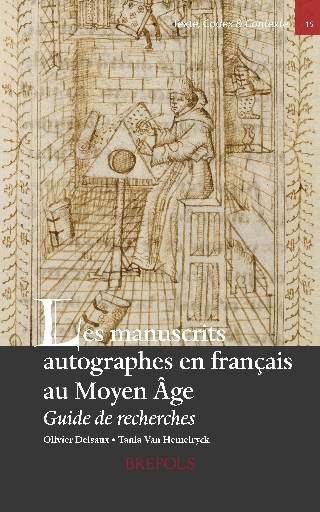
Les manuscrits autographes en français au Moyen Âge
show More to view fulltext, buy and share links for:Les manuscrits autographes en français au Moyen Âge show Less to hide fulltext, buy and share links for: Les manuscrits autographes en français au Moyen ÂgeLes manuscrits autographes en français médiéval constituent un champ d’étude fécond, mais qui n’a guère fait l’objet de synthèses et de mises au point historiques, documentaires ou méthodologiques. L’objectif de ce volume est de baliser la recherche sur les manuscrits français du Moyen Âge entièrement ou partiellement autographes. L’ouvrage offre une bibliographie sélective des travaux consacrés à ces manuscrits, des répertoires raisonnés des manuscrits autographes identifiés jusqu’ici et la version revue de trois articles de synthèse de Gilbert Ouy. Conçu comme un guide, ce volume s’adresse aussi bien aux spécialistes qu’aux novices dans l’étude des manuscrits autographes français.
Tania Van Hemelryck et Olivier Delsaux, docteurs en langues et lettres, sont respectivement chercheur qualifié et chargé de recherches au Fonds de la Recherche scientifique belge. Membres du Groupe de recherche sur le moyen français (Université catholique de Louvain), leurs recherches, centrées sur la fin du Moyen Âge, portent sur la matérialité du fait littéraire, la transmission des textes et les problèmes posés par leur édition.
-
-
-
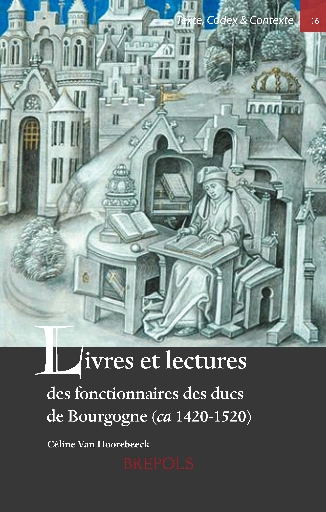
Livres et lectures des fonctionnaires des ducs de Bourgogne (ca. 1420-1520)
show More to view fulltext, buy and share links for:Livres et lectures des fonctionnaires des ducs de Bourgogne (ca. 1420-1520) show Less to hide fulltext, buy and share links for: Livres et lectures des fonctionnaires des ducs de Bourgogne (ca. 1420-1520)Longtemps restées dans l’ombre de la bibliophilie des grands lignages aristocratiques de la cour de Bourgogne, les bibliothèques des fonctionnaires au service des ducs de Bourgogne (ca 1420-1520) font pour la première fois l’objet d’une étude novatrice qui, à la croisée entre histoire, histoire de l’art, littérature et sociologie, en analyse les divers aspects : taille, type, illustrations et contenu, mais aussi usages du livre, pratiques de lecture ou encore rôle du livre dans les réseaux de sociabilité.
L’ouvrage, qui laisse une large part aux observations critiques et méthodologiques, comprend un répertoire biographique des fonctionnaires-possesseurs, un répertoire documentaire ainsi qu’un catalogue descriptif des manuscrits et incunables appartenant aux agents de l’État bourgondo-habsbourgeois.
Céline Van Hoorebeeck, docteur en Histoire, est Conservatrice de la Réserve précieuse de la Bibliothèque universitaire Moretus Plantin (Université de Namur). Ses recherches portent sur l’histoire du livre et des pratiques de lecture dans les Pays-Bas et en France du Nord.
-
-
-
Magic and Kingship in Medieval Iceland
show More to view fulltext, buy and share links for:Magic and Kingship in Medieval Iceland show Less to hide fulltext, buy and share links for: Magic and Kingship in Medieval IcelandThis volume examines the performative and ideological functions of texts dealing with magic in contexts of social and political conflict. While the rites, representations, and agents of medieval Scandinavian magic have been the object of numerous studies, little attention has been given to magic as a discourse. As a consequence, Old Norse sources mobilizing magic have been analysed mainly as evidence for a stable extra-textual phenomenon. This volume breaks with this perspective.
The book focuses on the use of discourses of magic in thirteenth- and fourteenth-century Icelandic texts concerned with kingship. It is argued that Icelanders constructed magic as a discursive answer to the increasingly pressing question of how to deal with the reality of their subordination to kings. This they did by telling stories of flattering Icelandic successes over kings brought about by magic in a bid to challenge dominant definitions and the social and political status quo. The book thus follows the conditions of emergence that made these subversive discourses of magic meaningful; it describes the various forms they were given, the various constraints weighing upon their use, and the particular political goals they served.
-
-
-
Manuale scholarium
show More to view fulltext, buy and share links for:Manuale scholarium show Less to hide fulltext, buy and share links for: Manuale scholariumLe texte présenté ici date de la fin du XV e siècle. Le Manuale Scolarium, a été écrit par un auteur inconnu sous forme de dialogues. Depuis l’Antiquité, bien des discussions et des conversations ont été écrites. Ce genre littéraire est particulièrement utilisé pour les traités pédagogiques : dialogues entre un père et son fils, un maître et son élève, un roi et son héritier, etc.
Mais les dialogues entre deux jeunes gens, moines ou étudiants, sont bien plus rares. On connaît, pour le IX e siècle, celui qu’a écrit Alcuin qui présente deux jeunes disciples, un franc et un saxon qui conversent à propos de la grammaire. Au XI e siècle, le “Colloque” d’Aelfric Bata écrit un dialogue entre quelques jeunes moines anglo-saxons. Pour le siècle suivant, nous n’avons pas de dialogue entre jeunes gens, avant ce Manuale Scolarium.
Ce texte est un témoignage vivant de la vie des étudiants à l'université d'Heidelberg et offre un regard sur les relations des étudiants entre eux et sur leur appréciation de la vie universitaire.
-
-
-

Nature, Virtue, and the Boundaries of Encyclopaedic Knowledge
show More to view fulltext, buy and share links for:Nature, Virtue, and the Boundaries of Encyclopaedic Knowledge show Less to hide fulltext, buy and share links for: Nature, Virtue, and the Boundaries of Encyclopaedic KnowledgeCan - and should - an encyclopaedia be a repository of all knowledge? Does the idea of total encyclopaedic knowledge constitute a boon for readers, or is it a labyrinthine nightmare? This book explores the pleasures and paradoxes of encyclopaedism, viewed through the interpretative lenses of the works of Alexander Neckam (1157-1217), an English Augustinian canon and scholar. Neckam wrote not just one but two encyclopaedias: the prose De naturis rerum (‘On the natures of things’) and the verse Laus sapientie divine (‘Praise of divine wisdom’). Poised between the end of the ‘renaissance’ of the twelfth century and the scholasticism-inspired thirteenth century, Neckam invites us into an unfamiliar universe in which encyclopaedias are intentionally incomplete, and in which warnings about the vanity of knowledge coexist with vivid descriptions of new technological inventions. This strange union is facilitated by the exegetical method of tropology or moral reading. Through analogy, vivid imagery, and constant recourse to ethics, Neckam’s encyclopaedias aim to educate their readers until they leave the text behind and engage in a reading of the world in a quest for knowledge, experiencing not only its pleasure and beauty, but also its inherent power.
-
-
-
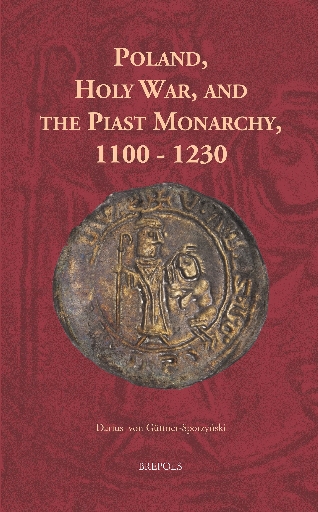
Poland, Holy War, and the Piast Monarchy, 1100-1230
show More to view fulltext, buy and share links for:Poland, Holy War, and the Piast Monarchy, 1100-1230 show Less to hide fulltext, buy and share links for: Poland, Holy War, and the Piast Monarchy, 1100-1230This study charts the evolution of the ideology of holy war and crusading in medieval Poland through Polish incursions into the Baltic, the last bastion of paganism in Europe. It traces the transmission of the idea of holy war and crusade to north central Europe, explaining its impact on political and religious life in Poland, and Polish missionary and crusading activity in Prussia, Pomerelia, and Pomerania. Holy war and crusade helped influence state formation, politics, and dynastic succession. Key mechanisms by which the idea of holy war was transmitted to Poland are examined and compelling evidence is provided that the Polish elites were highly familiar with, and receptive to, the idea of crusade. The Polish elites were deliberate participants in Christian holy wars and undertook various crusading activities during the twelfth century. The influence of the idea of holy war on the actions of the Polish dynasts and the central role of women in the establishment of family traditions of participating in crusading are examined in some detail. Furthermore, this book explores the conditions that enabled the cause of the Christianization of Prussia to be taken up by the Teutonic Order by tracing the divergence of the idea of holy war in the Piast realm away from the norms of Latin Christendom in the late twelfth and early thirteenth centuries. This work offers new perspectives for international studies of warfare sanctioned by religion.
-
-
-
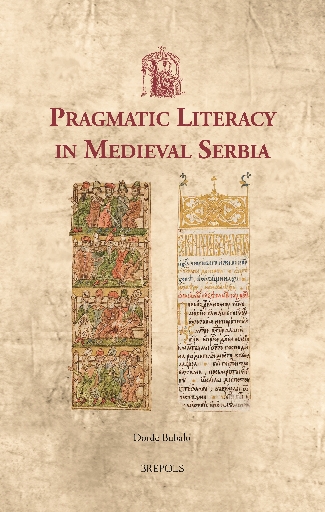
Pragmatic Literacy in Medieval Serbia
show More to view fulltext, buy and share links for:Pragmatic Literacy in Medieval Serbia show Less to hide fulltext, buy and share links for: Pragmatic Literacy in Medieval SerbiaThe interweaving of Latin and Byzantine influences shaped the culture of literacy in medieval Serbia. Unprecedented in the field, this study aims to show that, even if only about 1000 Serbian medieval documents are preserved, this does not mean that little had been written. An exploration of the use of written documents in commercial, legal, and private relations in late medieval Serbia constitutes the basic scope of the research. It focuses on the documents’ fate and on their social roles from the moment they were issued or submitted to their beneficiaries. The making of charters - by rulers, the Church, the aristocracy, towns, and public notaries - is analysed, as are the main fields of the use of the written word - evidentiary procedure, diplomacy, and correspondence. The citation of individual examples of pragmatic literacy allows us to give an approximate idea of how widespread the belief in the power of the written word really was. Even though the ways in which documentary literacy manifested itself in late medieval Serbia display certain idiosyncrasies, the growth in the use and reputation of written documents suggests that the Serbian case was not all that unlike the written customs and practices elsewhere in medieval Europe.
-