


Brepols Online Books Medieval Miscellanea Collection 2019 - bob2019mime

Collection Contents
42 results
-
-
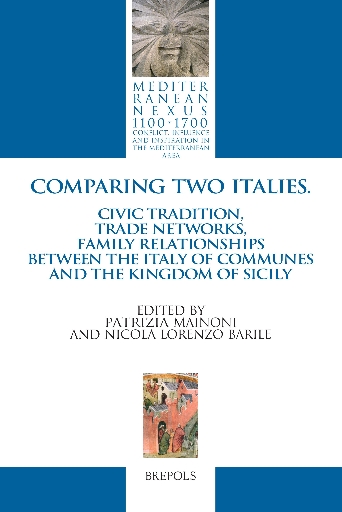
Comparing Two Italies. Civic Tradition, Trade Networks, Family Relationships between the Italy of Communes and the Kingdom of Sicily
show More to view fulltext, buy and share links for:Comparing Two Italies. Civic Tradition, Trade Networks, Family Relationships between the Italy of Communes and the Kingdom of Sicily show Less to hide fulltext, buy and share links for: Comparing Two Italies. Civic Tradition, Trade Networks, Family Relationships between the Italy of Communes and the Kingdom of SicilyThe title of this volume recalls the famous 1977 book by David Abulafia, The Two Italies, about the origins of the so-called ‘unequal exchange’ and ‘dual economy’ between Northern and Southern Italy. These are supposed to have provided the ground for the so-called ‘Southern question’ (‘questione meridionale’), one of the foremost topics in the whole of Italian history. However, trade is not the only relevant theme in a comparison between the Italy of Communes and the Kingdom of Sicily. This collection of essays points to different interpretative paths, which concern not only trade networks, but also less well-known aspects of the interrelation, such as the rise of civic tradition, the spread of Mendicant Orders, and the circulation of wealth through family relationships, women, marriage and patrimonial assets.
-
-
-
Digitizing Medieval Sources – L’édition en ligne de documents d’archives médiévaux
show More to view fulltext, buy and share links for:Digitizing Medieval Sources – L’édition en ligne de documents d’archives médiévaux show Less to hide fulltext, buy and share links for: Digitizing Medieval Sources – L’édition en ligne de documents d’archives médiévauxCet ouvrage rassemble les communications présentées lors du colloque qui s’est tenu à Nancy, les 9 et 10 juin 2016, sur le thème des éditions en ligne de documents d’archives médiévaux. Les communications présentées à cette occasion ont permis d’aborder les questions non seulement techniques mais également heuristiques soulevées par l’importance nouvelle des Humanités numériques pour les médiévistes.
-
-
-
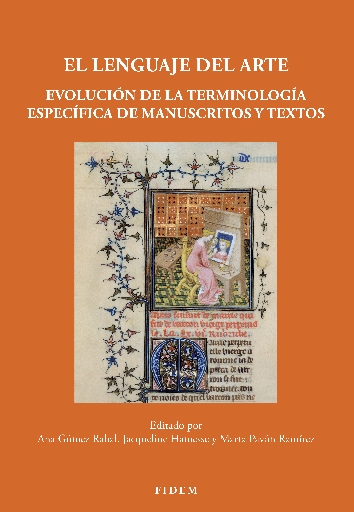
El lenguaje del arte
show More to view fulltext, buy and share links for:El lenguaje del arte show Less to hide fulltext, buy and share links for: El lenguaje del arteEl análisis de la evolución de la terminología técnica utilizada en la descripción científi ca de textos y manuscritos desde la Edad Media hasta nuestros días es el argumento que los responsables de este volumen pretenden poner al alcance del lector como tema de discusión y de reflexión. La particularidad del libro manuscrito reside en constituir un unicum donde los elementos materiales, estructurales y de contenido (texto e imagen) se relacionan necesariamente entre sí. Asimismo, los usos lingüísticos de los coetáneos de los manuscritos medievales para denominar su propia realidad libresca y textual se erigen en un objeto de estudio que ahonda en la consideración del manuscrito y del texto, de su forma y de su contenido, como entidades indisociables.
Es recomendable, por lo tanto, un acercamiento multidisciplinar al libro manuscrito, un acercamiento que exige la colaboración de especialistas de disciplinas diversas, cada una de ellas con una terminología técnica propia. Con esa perspectiva, los trabajos presentados en estas páginas servirán como descripción del estado de la cuestión y, a la vez, como punto de partida útil para que paleógrafos, codicólogos, historiadores del arte o fi lólogos comparen sus respectivos modos de abordar el análisis del libro manuscrito y de sus textos, enriqueciéndose unos a otros mediante sus conocimientos propios y particulares sobre la materia, todo ello con el fi n de favorecer la utilización de un vocabulario adecuado y, si se considera posible y conveniente, común.
El presente libro tiene su origen en el Coloquio Anual de la Fédération Internationale des Instituts d’Études Médiévales organizado en Barcelona en julio de 2017, en la Institución Milá y Fontanals del CSIC. Cuenta con las contribuciones de Marina Bernasconi, Joanna Frońska, Ana Gómez Rabal, Jacqueline Hamesse, Christine Jakobi-Mirwald, Marta Pavón Ramírez, Merce Puig Rodríguez-Escalona, Pere J. Quetglas y Elena E. Rodríguez Díaz.
-
-
-
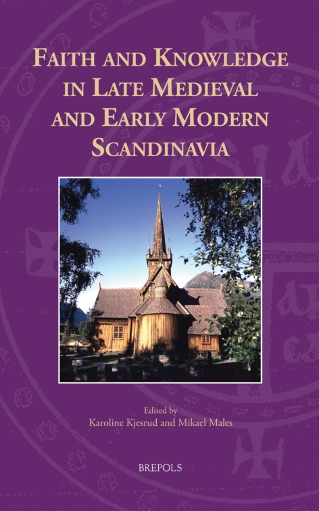
Faith and Knowledge in Late Medieval and Early Modern Scandinavia
show More to view fulltext, buy and share links for:Faith and Knowledge in Late Medieval and Early Modern Scandinavia show Less to hide fulltext, buy and share links for: Faith and Knowledge in Late Medieval and Early Modern ScandinaviaThis book investigates the interface between faith and knowledge in Scandinavia in the centuries before and after the Reformation, a period in which the line between belief and knowledge was often blurred, and local traditions remained influential. While Scandinavia was undoubtedly an integral part of Latin Christendom before the arrival of Lutheranism, the essays gathered together in this volume demonstrate that religious discourse still took a unique form in this region. Faith was influenced by magical practices centred on remnants of Nordic paganism, local wisdom literature, and metaphoric language about the divine that diverged considerably from that of the Judeo-Christian tradition. Texts, motifs, and practices that were common throughout Europe were also transformed and altered within this northern setting.
Covering the late medieval up to the early modern period, this volume offers new insights into intellectual culture in Scandinavia, and the remarkable longevity of local beliefs even into the early post-Reformation period.
-
-
-
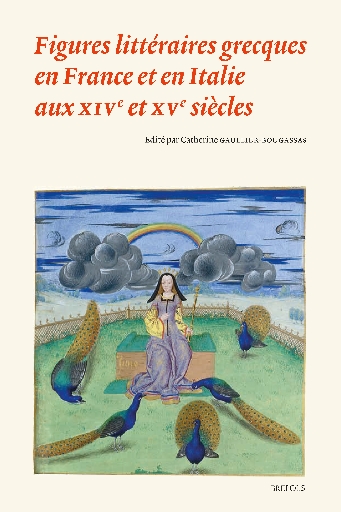
Figures littéraires grecques en France et en Italie aux xiv e et xv e siècles
show More to view fulltext, buy and share links for:Figures littéraires grecques en France et en Italie aux xiv e et xv e siècles show Less to hide fulltext, buy and share links for: Figures littéraires grecques en France et en Italie aux xiv e et xv e sièclesAux xiv e et xv e siècles, la Grèce suscite en Italie et en France un engouement nouveau, dans une tension entre admiration et méfiance face à l’altérité mal connue et mal perçue tant de son univers ancien que de son devenir byzantin. Se multiplient les œuvres en latin, en français et en italien qui évoquent le passé de la Grèce ancienne. Les héros et les héroïnes de la Grèce ancienne entrent dans des univers scripturaires nombreux qui manifestent des exploitations littéraires et esthétiques, mais aussi politiques, religieuses et éthiques très diverses. Ces appropriations ne cessent de s’élargir à des formes d’écriture nouvelles jusqu’à la fin du xv e siècle, entre réinterprétation, instrumentalisation, recréation poétique ou fidélité aux textes peu à peu redécouverts. Le présent ouvrage étudie la présence et l’exploitation des figures de la Grèce ancienne en France et en Italie aux xiv e et xv e siècles, et les nouvelles formes d’ « actualité » qu’elles prennent dans les textes, avec l’évolution du regard et de l’interprétation des auteurs, avec aussi les décalages qui existent entre l’Italie et la France.
-
-
-
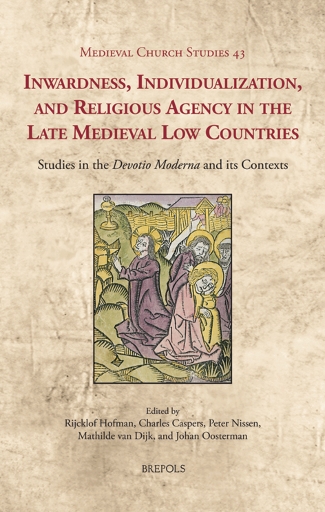
Inwardness, Individualization, and Religious Agency in the Late Medieval Low Countries
show More to view fulltext, buy and share links for:Inwardness, Individualization, and Religious Agency in the Late Medieval Low Countries show Less to hide fulltext, buy and share links for: Inwardness, Individualization, and Religious Agency in the Late Medieval Low CountriesRecent scholarship on the Middle Ages has highlighted the importance of individualistic tendencies in devotion in both the lay world and religious communities. This interaction between individualization and religious agency has been scrutinized in numerous studies, focusing on the beginnings during the so-called ‘Twelfth- Century Renaissance’, and further development in the later medieval and early modern periods.
However, there has hitherto been relatively little scholarship on the phenomenon in the Devotio Moderna: the flourishing of more personalized forms of devotion in north-western Europe during the later Middle Ages. The essays in this volume redress this gap by exploring the processes of inwardness and the emergent individualization of religious practices in the late medieval Low Countries. The essays explore issues including the early impact of the printing press on devotion; meditational aids such as identification with Christ, prayer cycles, practices of remembrance, and devout songs; and the tension between inner devotion and the ideal of communal piety in male and female religious communities. They also discuss some leading individuals of the Devotio movement.
-
-
-
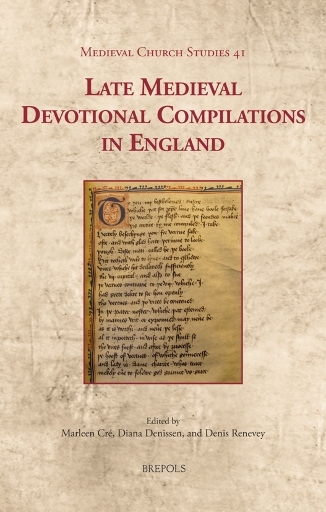
Late Medieval Devotional Compilations in England
show More to view fulltext, buy and share links for:Late Medieval Devotional Compilations in England show Less to hide fulltext, buy and share links for: Late Medieval Devotional Compilations in EnglandDevotional compilations were the staple spiritual food for lay and religious readers in the late medieval period. As well thought-out assemblages of texts or extracts of texts, they provided readers with material from basic catechetic instruction to advice and tools for the practice of contemplation. Their exploration enables a more sophisticated understanding of the authorial roles played by compilers, the reading practices of their recipients, and the patronage of compilations carried out by religious and secular individuals and communities. It also offers a new window into late medieval English religiosity as well as demonstrating the complexity and creativity associated with compiling activity.
In this volume, leading scholars in the field of medieval English literature consider the role and impact of a substantial number of devotional compilations, offering new evidence about the manuscripts, sources, and contexts that frame this important corpus.
-
-
-
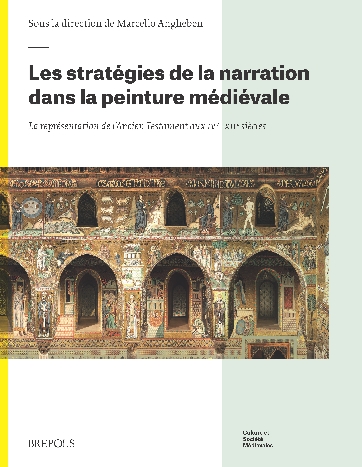
Les stratégies de la narration dans la peinture médiévale
show More to view fulltext, buy and share links for:Les stratégies de la narration dans la peinture médiévale show Less to hide fulltext, buy and share links for: Les stratégies de la narration dans la peinture médiévaleDepuis les débuts de l’art chrétien, l’Ancien Testament a reçu une place singulièr dans le décor des églises comme dans l’illustration des manuscrits. Certaines formules conçues aux IVe-Ve siècles se sont imposées durant tout le Moyen Âge, comme celles de Saint-Pierre de Rome, et une influence encore plus large a longtemps été attribuée à la Genèse Cotton ou à son modèle. Les oeuvres médiévales ne reproduisent toutefois presque jamais servilement celles qui les ont précédées. Les concepteurs les ont constamment réélaborées pour des raisons probablement multiples : adapter la composition au cadre imposé par l’architecture ou le découpage du folio, optimiser les ressorts de la narration pour en faciliter la lecture ou toucher plus efficacement la sensibilité du spectateur, enchaîner les scènes pour entraîner le regard dans le sens de la lecture ou relier sémantiquement deux épisodes voisins, induire un sens spécifique inspiré par la théologie ou la liturgie, ou encore exprimer visuellement des ambitions institutionnelles voire politiques. Les quinze articles réunis dans cet ouvrage développent ces questionnements en les appliquant à des ensembles peints ou en mosaïque représentatifs de la période envisagée : les oeuvres conservées ou perdues des premiers siècles, Saint-Pierre de Rome, Saint-Paul-hors-les-Murs et leurs avatars médiévaux, les bibles carolingiennes de Tours et celles de Ripoll, Galliano, les autres ensembles lombards, Saint-Savin-sur-Gartempe, Château-Gontier, Palerme et Monreale. Pour enrichir cette réflexion, le champ d’investigation a été étendu aux cycles néotestamentaires des églises médiobyzantines et aux mosaïques de Saint-Marc de Venise. Dans la conclusion, Herbert Kessler propose en effet une mise au point stimulante sur la délicate question de la Genèse Cotton en nuançant son influence sur le cycle vénitien. L’ouvrage offre ainsi un panorama très complet de la représentation de l’Ancien Testament et une réflexion foisonnante sur les stratégies de la narration.
-
-
-
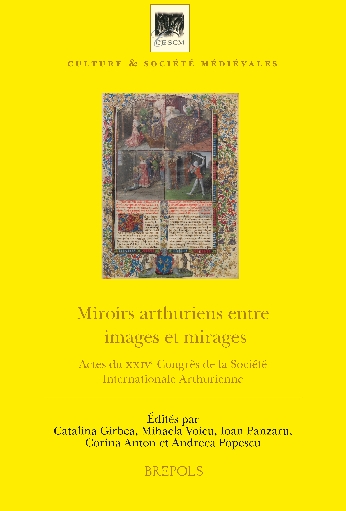
Miroirs Arthuriens entre images et mirages
show More to view fulltext, buy and share links for:Miroirs Arthuriens entre images et mirages show Less to hide fulltext, buy and share links for: Miroirs Arthuriens entre images et miragesCe volume, issu des travaux du XXIVe Congrès de la Société Internationale Arthurienne, réunit les derniers acquis de la recherche sur les romans arthuriens et leur réception au fil du temps. Organisées en fonction des axes thématiques du Congrès, les contributions apportent du nouveau au sujet des manuscrits arthuriens et de leurs impressionnants programmes iconographiques, suivant un mélange fascinant de philologie et histoire de l’art. Les interférences des motifs arthuriens, qui font en grande partie la richesse de ces textes, occupent aussi une place importante de même qu’elles préoccupent les médiévistes depuis quelques années. L’anthropologie culturelle n’est pas négligée non plus : des interventions sur les identités arthuriennes ainsi que sur les enjeux politiques de ces romans tellement de fois récupérés par les royautés européennes en guise de modèles rappellent l’universalité de l’arthurianisme qui fascine des milliers de lecteurs et auditeurs à travers le temps. Ceci explique également la riche réception des textes médiévaux, adaptés aussi bien à la modernité qu’à la période contemporaine. En somme, traitant des périodes variées ainsi que des espaces géopolitiques des plus divers, les articles réunis dans ce volume forment un beau bouquet arthurien mélangeant des réflexions les plus savantes aux contes de fées et aux couleurs d’antan.
-
-
-
Sicut dicit: Editing Ancient and Medieval Commentaries on Authoritative Texts
show More to view fulltext, buy and share links for:Sicut dicit: Editing Ancient and Medieval Commentaries on Authoritative Texts show Less to hide fulltext, buy and share links for: Sicut dicit: Editing Ancient and Medieval Commentaries on Authoritative TextsCommentaries on authoritative texts from Antiquity and the Middle Ages are increasingly being recognized as witnesses to a rich tradition of cultural reception and intellectual engagement. This renewed interest goes hand-in-hand with an increased demand for critical editions of the texts in question. However, the genre of the commentary presents a number of specific challenges to the editor, challenges related to the textual dynamic, the presentation on the page, and the intertwined transmission history of the commentary and the authoritative text that forms its subject. This volume brings together twelve case studies on texts written in Greek and Latin, which range from Antiquity to the Late Middle Ages. Touching upon a variety of fields, including literature, theology, philosophy, medicine, and law, these case studies offer an interdisciplinary perspective on commentaries on authoritative texts and the editors’ challenging work to accurately reconstruct and present them.
-
-
-
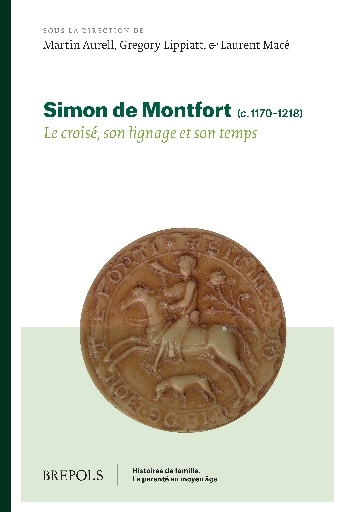
Simon de Montfort (c. 1170-1218)
show More to view fulltext, buy and share links for:Simon de Montfort (c. 1170-1218) show Less to hide fulltext, buy and share links for: Simon de Montfort (c. 1170-1218)La carrière de Simon de Montfort - seigneur français, earl anglais, croisé en Terre sainte et dans le Midi de la France - n’a pas cessé de marquer ses contemporains et sa postérité. Bien de ses compagnons d’armes ont vu en lui le plus pieux et le plus courageux des héros, le modèle du chevalier du Christ (miles Christi). Cette image prestigieuse a cours de son vivant et après son prétendu martyre au service du combat contre la dépravation hérétique. Cependant, dans les contrées occitanophones et dans la péninsule Ibérique, sa réputation devient aussi celle d’un brigand, d’un barbare, d’un intrus étranger, cupide et sans scrupules. Les actes du colloque tenu à Poitiers en 2018 reviennent sur sa vie et sur son lignage afin de comprendre l’homme dans toutes ses contradictions : le croisé incorruptible en Terre sainte, mutilant toute une garnison en Languedoc, le vainqueur du roi d’Aragon, soumettant toutes ses conquêtes au roi de France, le spoliateur des seigneurs légitimes du Midi, protégeant les veuves et le clergé local, le membre d’un puissant lignage franco-normand dont son héritage se perpétue dans toute l’Europe. Simon est à la fois le produit de son temps et l’agent de son devenir, un conquérant et un perdant. Caractère sombre et puissant, il semble être à l’image de son emblème héraldique: un lion à la queue fourchée.
-
-
-
Social Inequality in Early Medieval Europe: Local Societies and Beyond
show More to view fulltext, buy and share links for:Social Inequality in Early Medieval Europe: Local Societies and Beyond show Less to hide fulltext, buy and share links for: Social Inequality in Early Medieval Europe: Local Societies and BeyondThe goal of this book is to discuss the theoretical challenges posed by the study of social and political inequality of local societies in Western Europe during the Early Middle Ages. Traditional approaches have defi ned rural communities as passive bodies, poor and unstable in the framework of a self-suffi cient economy. In the last few decades, social approaches both in medieval history and archaeology have neglected the opportunity to re-evaluate the role of peasantry and other subaltern groups, even where new written and material evidence has challenged traditional assumptions. Conversely, scholars focussing on elites and aristocracies have promoted powerful research agenda.
As a consequence of the 2007-2008 recession, the social sciences began to be interested in social and economic inequality, opening up new avenues for a reassessment of social history. The early medieval period has been identifi ed by numerous scholars as a key arena for the analysis of political complexity and social inequality in long-term perspective.
The study of local societies has become one of the most fruitful areas for innovative research in medieval archaeology and history, using approaches related to micro-history. This book, dedicated to Chris Wickham, is formed of fourteen papers centred on early medieval local communities drawing on both written and material records, which identify complex frameworks of social inequality at the lo
-
-
-
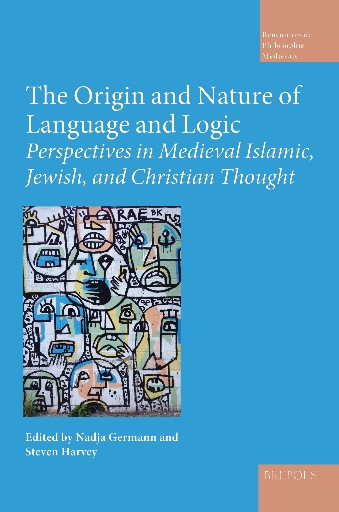
The Origin and Nature of Language and Logic.
show More to view fulltext, buy and share links for:The Origin and Nature of Language and Logic. show Less to hide fulltext, buy and share links for: The Origin and Nature of Language and Logic.The annual colloquium of the SIEPM in Freiburg, Germany, was groundbreaking in that it featured a more or less equal number of talks on all three medieval cultures that contributed to the formation of Western philosophical thought: the Islamic, Jewish, and Christian traditions. Indeed, the subject of the colloquium, ‘The Origin and Nature of Language and Logic in Medieval Islamic, Jewish, and Christian Thought’, lent itself to such a cross-cultural approach. In all these traditions, partially inspired by ancient Greek philosophy, partially by other sources, language and thought, semantics and logic occupied a central place. As a result, the chapters of the present volume effortlessly traverse philosophical, religious, cultural, and linguistic boundaries and thus in many respects open up new perspectives. It should not be surprising if readers delight in chapters of a philosophical tradition outside of their own as much as they do in those in their area of expertise.
Among the topics discussed are the significance of language for logic; the origin of language: inspiration or convention; imposition or coinage; the existence of an original language; the correctness of language; divine discourse; animal language; the meaningfulness of animal sounds; music as communication; the scope of dialectical disputation; the relation between rhetoric and demonstration; the place of logic and rhetoric in theology; the limits of human knowledge; the meaning of categories; the problem of metaphysical entailment; the need to disentangle the metaphysical implications of language; the quantification of predicates; and the significance of linguistic custom for judging logical propositions.
-
-
-
Achard de Saint-Victor métaphysicien
show More to view fulltext, buy and share links for:Achard de Saint-Victor métaphysicien show Less to hide fulltext, buy and share links for: Achard de Saint-Victor métaphysicienAprès plus de 800 ans d'oubli paraissait, il y a une trentaine d'années, un chef d'œuvre de la philosophie médiévale - si ce n'est de la pensée occidentale dans son ensemble -, le De unitate Dei et pluralitate creaturarum d'Achard de Saint-Victor, devenu évêque d'Avranches en 1161, dans l'édition et la traduction de son unique exemplaire padouan que procurait Emmanuel Martineau en 1987.
C'est pour marquer cette renaissance qu'a été rééditée cette première édition et organisé le colloque dont le présent ouvrage publie les actes. Il rassemble des contributions nécessairement modestes et partielles, mais pionnières, dont le seul but est d'initier à l'explication d'un traité d'une audace, d'une complexité et d'une puissance spéculative exceptionnelles : « génial entrelacs de spiritualité hyper-augustinienne et de métaphysique hyper-platonicienne », où il s'agit de rien de moins que de penser l'uni-distinction essentielle de la Sagesse divine.
Puisse ce volume de la collection Ad argumenta. Quaestio Special Issues ouvrir à d'autres études qui donneront à leur tour le goût de cette sagesse sans laquelle la vérité ne saurait être saisie « par elle-même » : ipsa generalis, qua omnes sapiunt, sapientia.
-
-
-
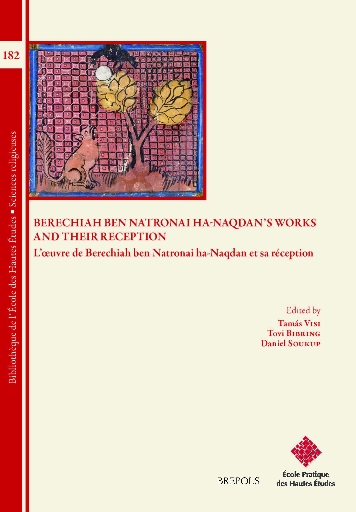
Berechiah ben Natronai ha-Naqdan’s Works and Their Reception
show More to view fulltext, buy and share links for:Berechiah ben Natronai ha-Naqdan’s Works and Their Reception show Less to hide fulltext, buy and share links for: Berechiah ben Natronai ha-Naqdan’s Works and Their ReceptionBerechiah ben Natronai ha-Naqdan, the illustrious Jewish scholar from Rouen, was probably the most prolific writer among the twelfth century Jewish authors in France. While all his creations are truly remarkable, two are the focus of this book: Mishlei Shu'alim, the largest compilation of Aesopic fables ever written in Hebrew, and Dodi ve-Nekhdi, a translation of Adelard of Bath's Questiones Naturales. The ten studies gathered here, written by internationally renowned scholars from Europe, Israel and the United States, explore the richness and uniqueness of these two major books, as well as their sources and their reception. A number of these studies accentuate specific themes and motives, some of which are discussed here for the first time. Other studies relate to the linguistic particularities, examined here in a novel and original manner. We also present innovative studies on the Hebrew version of Questiones Naturales, and use vibrant examples to demonstrate the translations, adaptations and uses of Berechiah's works from the Middle Ages until the modern era. This volume is the result of an international workshop that was held in the Center for Jewish Studies in Palacky University in May 2015.
-
-
-
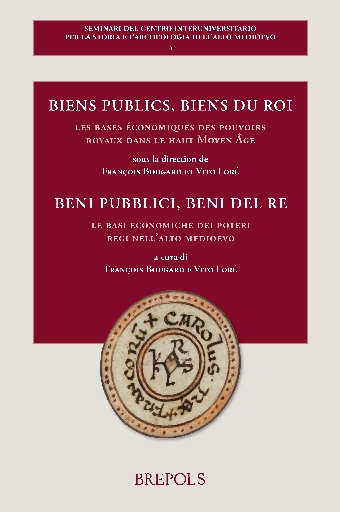
Biens publics, biens du roi
show More to view fulltext, buy and share links for:Biens publics, biens du roi show Less to hide fulltext, buy and share links for: Biens publics, biens du roiLes sociétés politiques du haut Moyen Âge sont caractérisées par une forte centralité royale, que l'historiographie a étudiée sous de multiples aspects comme les rituels et les formes de communication, la parenté et les alliances entre groupes aristocratiques, la compétition pour le trône ou la faveur du souverain etc. Le présent volume replace l'attention sur les fondements économiques des pouvoirs des pouvoirs des rois, ducs et princes en une période où l'imposition directe d'origine tardoantique s'est étiolée au profit de la rente. Que s'est-il passé entre l'épuisement de l'impôt foncier direct aux vi e-vii e siècles et la diffusion à large échelle des pouvoirs seigneuriaux, aux xi e-xii e siècles ? De quelles ressources foncières disposait le roi et quels étaient ses rapports avec l'exercice du pouvoir au niveau central et local ? Quels étaient les modes de redistribution de la terre publique, de quelle manière était-elle h économique des pouvoirs du souverain ? Historiens et archéologues s'efforcent de répondre à ces questions pour la plupart des régions de l'Europe occidentale.
-
-
-
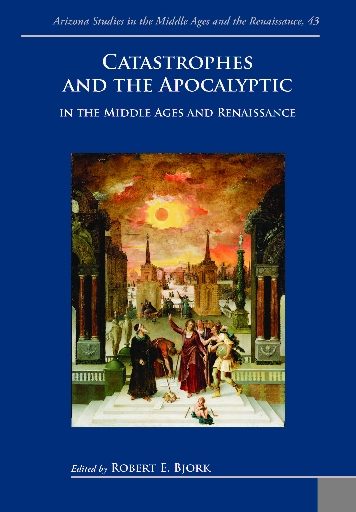
Catastrophes and the Apocalyptic in the Middle Ages and the Renaissance
show More to view fulltext, buy and share links for:Catastrophes and the Apocalyptic in the Middle Ages and the Renaissance show Less to hide fulltext, buy and share links for: Catastrophes and the Apocalyptic in the Middle Ages and the RenaissanceIn the twenty-first century, insurance companies still refer to 'acts of God' for any accident or event not influenced by human beings: hurricanes, floods, hail, tsunamis, wildfires, earthquakes, tornados, lightning strikes, even falling trees. The remote origin of this concept can be traced to the Hebrew Bible. During the Second Temple period of Judaism a new literary form developed called 'apocalyptic' as a mediated revelation of heavenly secrets to a human sage concerning messages that could be cosmological, speculative, historical, teleological, or moral. The best-known development of this type of literature, however, came to fruition in the New Testament and is, of course, the Book of Revelation, attributed to the apostle John, and which figures prominently in the Middle Ages and Renaissance.
This collection of essays, the result of the 2014 ACMRS Conference, treats the topic of catastrophes and their connection to apocalyptic mentalities and rhetoric in the Middle Ages and the Renaissance (with particular reference to reception of the Book of Revelation), both in Europe and in the Muslim world. The twelve authors contributing to this volume use terms that are simultaneously helpful and ambiguous for a whole range of phenomena and appraisal.
-
-
-
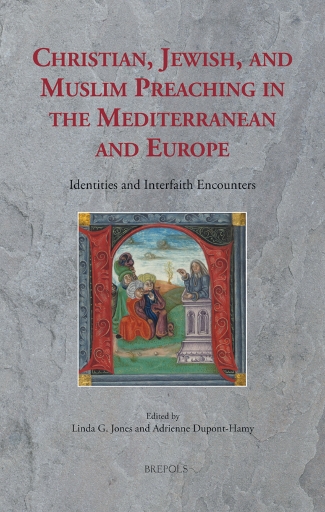
Christian, Jewish, and Muslim Preaching in the Mediterranean and Europe
show More to view fulltext, buy and share links for:Christian, Jewish, and Muslim Preaching in the Mediterranean and Europe show Less to hide fulltext, buy and share links for: Christian, Jewish, and Muslim Preaching in the Mediterranean and EuropeThis volume explores the sermons and activities of Christian, Jewish, and Muslim preachers who shaped ideas about religious and gendered identities and alterity throughout the Mediterranean and northern Europe. Preachers of all three traditions played a decisive role in defining the religious identities of their communities, often in response to negative images projected onto religious others. The studies cover a broad spectrum of premodern Europe and the Mediterranean and address the ways that preaching reflects transcultural contacts as well as social, intellectual, and hermeneutical encounters among diverse societies and religious communities.
The essays are divided into three themes. Part One, ‘Religious and Gendered Identities and Alterities,’ examines how religious identity is inflected by the presence or the ‘absent presence’ of religious others and interrogates how gender informs religious identity, piety, and alterity. The chapters in Part Two, ‘Hermeneutical Identities, Alterities, and Transcultural Relations in Christian and Jewish Preaching’, offer contrasting interpretations of the impact of anti-Judaism in Christian preaching and analyse Jewish responses to Christian polemic. Part Three, ‘Muslim and Christian Orators and Inter-faith Encounters,’ explores these encounters from the dual perspectives of Crusade and military conflict and interreligious dialogue, disputation, and proselytization. The volume positions itself at the intellectual crossroads between comparative medieval sermons studies and transcultural Mediterranean and European studies.
-
-
-

Crossing Borders in the Insular Middle Ages
show More to view fulltext, buy and share links for:Crossing Borders in the Insular Middle Ages show Less to hide fulltext, buy and share links for: Crossing Borders in the Insular Middle AgesThis volume offers an in-depth exploration of the cultural connections between and across Britain, Ireland, and Iceland during the high and late Middle Ages. Drawing together new research from international scholars working in Celtic Studies, Norse, and English, the contributions gathered together here establish the coherence of the medieval Insular world as an area for literary analysis and engage with a range of contemporary approaches to examine the ways, and the degrees to which, Insular literatures and cultures connect both with each other, and with the wider European mainstream.
The articles in this collection discuss the Insular histories of some of the most widely read literary works and authors of the Middle Ages, including Geoffrey of Monmouth and William Langland. They trace the legends of Troy and of Charlemagne as they travelled across linguistic and geographical borders, give fresh attention to the multilingual manuscript collections of great households and families, and explore the political implications of language choice in a linguistically plural society. In doing so, they shed light on a complex network of literary and cultural connections and establish the Insular world not as a periphery, but as a centre.
-
-
-

Crusading Europe
show More to view fulltext, buy and share links for:Crusading Europe show Less to hide fulltext, buy and share links for: Crusading EuropeThe image of the crusades often connotes exoticism and foreign adventuring. However, the underlying motivations, daily practicalities, and lasting impact of the crusades on their European birthplace are equally important. How did European anxieties, prejudices, and priorities propel the crusading movement? How did crusaders understand and manage the particularly European geographical, legal, and financial dimensions of their campaigns? How did the crusades mark medieval European architecture, spirituality, and literature? This volume not only engages these provocative questions but also serves as a monument to the career of Christopher Tyerman, who has done so much to integrate European and global crusading history. The collection of essays gathered here by leading crusade historians, Tyerman’s friends and former students, furthers study of the crusades within their European context, highlighting intriguing new directions for teaching and researching the crusades and their impact.
-
-
-

Historiography and Identity I: Ancient and Early Christian Narratives of Community
show More to view fulltext, buy and share links for:Historiography and Identity I: Ancient and Early Christian Narratives of Community show Less to hide fulltext, buy and share links for: Historiography and Identity I: Ancient and Early Christian Narratives of CommunityThe six-volume sub-series Historiography and Identity unites a wide variety of case studies from Antiquity to the Late Middle Ages, from the Latin West to the emerging polities in Northern and Eastern Europe, and also incorporates a Eurasian perspective which includes the Islamic World and China. The series aims to develop a critical methodology that harnesses the potential of identity studies to enhance our understanding of the construction and impact of historiography.
This first volume in the Historiography and Identity sub-series examines the many ways in which historiographical works shaped identities in ancient and medieval societies by focusing on the historians of ancient Greece and the late Roman Empire. It presents in-depth studies about how history writing could create a sense of community, thereby shedding light on the links between authorial strategies, processes of identification, and cultural memory. The contributions explore the importance of regional, ethnic, cultural, and imperial identities to the process of history writing, embedding the works in the changing political landscape.
-
-
-
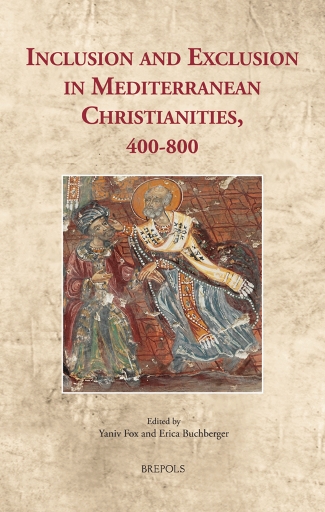
Inclusion and Exclusion in Mediterranean Christianities, 400–800
show More to view fulltext, buy and share links for:Inclusion and Exclusion in Mediterranean Christianities, 400–800 show Less to hide fulltext, buy and share links for: Inclusion and Exclusion in Mediterranean Christianities, 400–800The fifth to the ninth centuries were a formative period around the Mediterranean, in which new forces were redefining traditional social divisions. This volume will look at these centuries through the lens of inclusion and exclusion as social forces at work on the self, the community, and society as a whole. For late antique and early medieval societies, inclusion and exclusion were the means of redrawing the boundaries of cultural and political discourse, and ultimately, of deciding how resources - material, spiritual, and intellectual - were allocated.
This is the first of two volumes to explore inclusion and exclusion as processes affecting Mediterranean communities. Contributions to the present volume look at how distinctions were fostered through both space and text, along ethnic and religious lines, and at the level of both ecumenical councils and individual friendships. By examining a wide range of social and cultural phenomena, from historiography and political partisanship to private religious worship and the performance of the feast, the chapters of this volume illustrate the exceptional range of ways that late antique and early medieval people negotiated their place in a changing world, and brought a new one into being.
-
-
-

Jews and Muslims under the Fourth Lateran Council
show More to view fulltext, buy and share links for:Jews and Muslims under the Fourth Lateran Council show Less to hide fulltext, buy and share links for: Jews and Muslims under the Fourth Lateran CouncilThe Fourth Lateran Council (1215) was groundbreaking for having introduced to medieval Europe a series of canons that sought to regulate encounters between Christians and Jews and Muslims. Its canon 68 demanded that Jews and Muslims wear distinguishing dress, in order to prevent Christians from entering into illicit sexual relations with them, restricted the movement of Jews in public spaces during Holy Week, and exhorted secular authorities to punish Jews who in any way “insult” or blaspheme against Christ himself. Other canons sought to exercise greater control over moneylending, to provide relief to Christian borrowers, to extract tithes from Jews who held Christian properties as pledges, and prohibited Jews from exercising power as public officials over Christians. The canons condemned converts who preserved elements from their former religion, promoted a fifth Crusade to the East, exempted Crusaders from taxes and from interest payments to Jewish moneylenders, restricted trade with Muslims or Saracens, and condemned Christians who provided arms or assistance to Saracens. The Council’s canons affected the missionary efforts of the late medieval Church and its attempts to convert Jewish and Muslim minorities, and established essential guidance on minority relations not to be surpassed until Vatican II in the 1960s.
-
-
-
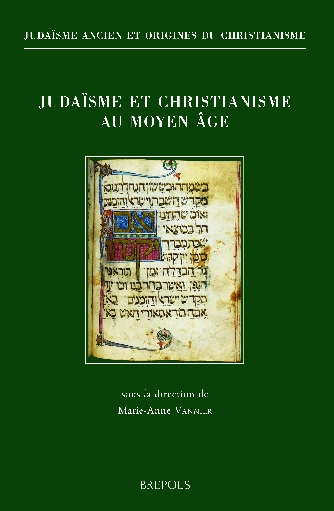
Judaïsme et christianisme au Moyen Âge
show More to view fulltext, buy and share links for:Judaïsme et christianisme au Moyen Âge show Less to hide fulltext, buy and share links for: Judaïsme et christianisme au Moyen ÂgeLes rapports entre Judaïsme au Moyen Âge ont été souvent présentés comme conflictuels. Or, il n’en a pas toujours été ainsi. Aussi cet ouvrage s’attache-t-il à mettre en évidence la synergie entre Judaïsme et christianisme à cette époque. Des auteurs comme Maïmonide et Eckhart ont, sur ce plan, un rôle décisif.
-
-
-
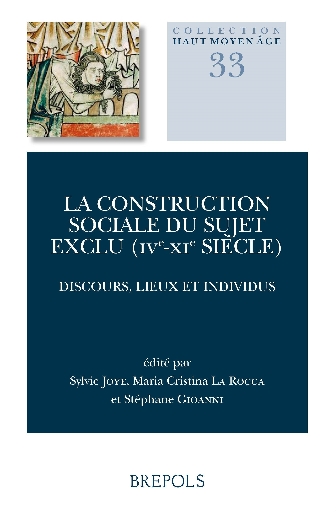
La construction sociale du sujet exclu (IVe-XIe siècle)
show More to view fulltext, buy and share links for:La construction sociale du sujet exclu (IVe-XIe siècle) show Less to hide fulltext, buy and share links for: La construction sociale du sujet exclu (IVe-XIe siècle)Préoccupation intense de l’époque contemporaine, l’exclusion sociale apparaît comme un sujet plus dramatique encore dans les sociétés anciennes, que l’on se représente plus volontiers fondées sur la communauté et la solidarité. L’existence du sujet exclu pourrait même y paraître impossible, tant les liens à la communauté semblent essentiels. Les sociétés de l’Antiquité tardive et du haut Moyen Âge se caractérisent en effet par l’existence de multiples communautés, plus ou moins fortement intégratives, qui s’enchevêtrent, se superposent, s’opposent.
Si la notion d’individu peut sembler contestable pour ces périodes, la personne ou le sujet s’y expriment sans conteste. L’exclusion, état extrême qui permet de mettre à nu le sujet dans sa tension avec la communauté, est un observatoire privilégié pour saisir comment se (re)construisent le statut et l'intériorité de la personne. Les quatorze contributions rassemblées dans ce volume, issues d'un colloque tenu à l'Université de Padoue, interrogent les traces, les lieux et les conséquences de l’exclusion aussi bien dans les sources textuelles qu'archéologiques, du IVe au XIe siècle. Elles montrent en particulier comment discours et pratiques de la justice ou des institutions chétiennes peuvent marquer le statut ou le corps du sujet, et comment celui-ci réagit face à l’exclusion, quitte à faire de celle-ci un élément revendiqué de son identité.
-
-
-

Le scribe d’archives dans l’Occident médiéval
show More to view fulltext, buy and share links for:Le scribe d’archives dans l’Occident médiéval show Less to hide fulltext, buy and share links for: Le scribe d’archives dans l’Occident médiévalContrairement aux scribes « de bibliothèque », les scribes « d'archives » - l'étiquette désigne ici de façon ouverte tous les acteurs de la pratique scripturaire dans le champ foisonnant des sources documentaires - sont très souvent les auteurs intellectuels des textes qu'ils tracent sur le parchemin ou le papier. Pour beaucoup d'entre eux, l'acte quotidien d'écrire n'est donc pas une fin en soi, ni même forcément un aspect prédominant du labeur ; ils exercent une ou plusieurs fonction(s) qui dépasse(nt) parfois très largement le cadre de cette activité technique. La palette de leurs profils socioprofessionnels présente une infinie variété, marquée par d'énormes écarts de statut et de prestige que le seul maniement commun de l'écriture ne saurait gommer. Qui étaient-ils vraiment ? Même si les médiévistes à l'œuvre dans les archives les côtoient intimement à travers leurs productions écrites, bien peu de recherches leur ont été dédiées : l'historiographie se contente trop souvent d'images d'Épinal qui masquent la complexité et la diversité des situations de terrain. Certes, la plupart des scribes se dérobent à l'historien, frappés d'anonymat. D'autres, cependant, se laissent saisir à la faveur d'une carrière saillante ou d'un dossier loquace : en reconstituant leurs parcours, ce volume collectif vise à jeter les fondements d'une histoire sociale des « scribes d'archives » dans l'Occident latin du second Moyen Âge.
-
-
-
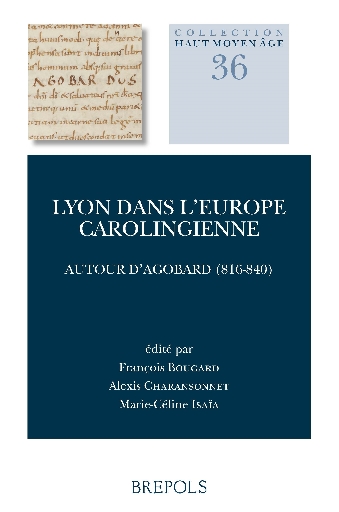
Lyon dans l’Europe carolingienne
show More to view fulltext, buy and share links for:Lyon dans l’Europe carolingienne show Less to hide fulltext, buy and share links for: Lyon dans l’Europe carolingienneLyon, capitale des Burgondes (Ve-VIe siècles), avait été marginalisée au temps des royaumes mérovingiens de l’Entre-Seine-et-Rhin, et ses élites décimées par les pouvoirs francs (VIIe-VIIIIe siècles). La création d’un empire par Pépin le Bref puis Charlemagne a changé la donne. Dans une construction politique qui veut unir la Germanie à l’Italie, la Saxe à la Catalogne, Lyon retrouve une place centrale : porte de l’Espagne chrétienne, voie d’accès privilégiée à l’Italie lombarde dont Charlemagne a fait son premier objectif militaire, la ville devient la tête de pont de la présence franque dans le sud de l’Europe.
Le pouvoir carolingien cependant ne s’impose pas à Lyon seulement par la force, mais en y relevant le gouvernement épiscopal. Des évêques choisis par les empereurs pour leurs compétences intellectuelles sont placés à la tête de la cité. Leidrade et Agobard, Amalaire puis Amolon assurent le rayonnement durable de Lyon par l’excellence des écoles qu’ils fondent et qui attirent des clercs de l’Europe entière, ainsi que par la profusion des manuscrits qu’ils réunissent dans la bibliothèque cathédrale. L’intense activité culturelle lyonnaise du IXe siècle n’est pas corsetée par le soutien politique initial des Carolingiens. Au contraire, les clercs proposent des politiques alternatives au gouvernement des princes francs ; ils appellent à la création d’une Europe unifiée par le respect d’une loi unique et la renaissance d’un empire chrétien universel… Des propositions qui tiennent de l’idéalisme et du fondamentalisme biblique, et qui ne seront jamais suivies d’effet.
Le présent volume réunit des contributions rédigées à l’occasion du douzième centenaire de l’élection épiscopale d’Agobard à Lyon (816-840).
-
-
-
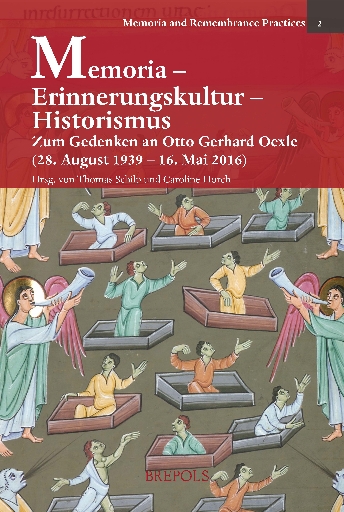
Memoria – Erinnerungskultur – Historismus
show More to view fulltext, buy and share links for:Memoria – Erinnerungskultur – Historismus show Less to hide fulltext, buy and share links for: Memoria – Erinnerungskultur – HistorismusZum Gedenken an Person und Wirken von Otto Gerhard Oexle (28. August 1939 - 16. Mai 2016).
Die Erforschung der Erinnerungskultur der vormodernen Gesellschaften Europas ist untrennbar mit Otto Gerhard Oexle, Direktor des Max-Planck-Instituts für Geschichte in Göttingen von 1987 bis 2004, verknüpft: Er hatte das Totengedenken des Ancien Régime als ‘totales soziales Phänomen’ und ‘Memoria’ als Exempel der transdisziplinären Historischen Kulturwissenschaften erkannt und erforscht. Dieser Band vereint Beiträge von Kollegen, Freunden und Schülern, die Themen, Thesen und Anregungen von Otto Gerhard Oexle aufgreifen - erweiternd, vertiefend und fortführend. Der Band führt einen Nachruf mit Beiträgen zusammen: eine ‘Schülerbiographie’ in Auseinandersetzung mit Otto Gerhard Oexle, zu Stiftung und Memoria in universalhistorischer Perspektive, über Memoria in textilen Schenkungen des Früh- und Hochmittelalters, zu Deutungsschemata der ‘mittelalterlichen Gesellschaft’ in Weltgerichtsbildern, über Stadtbau und Memoria im Italien des 15. und 16. Jahrhunderts, zu Ernst Robert Curtius und den Mittelalterbildern des 20. Jahrhunderts, zum Historismus, über das Gesetz vom Sinai in literarischen Verarbeitungen, bis hin zur Kultur der Erinnerung an die verfolgten und ermordeten Juden in den Niederlanden unter dem NS-Regime.
-
-
-
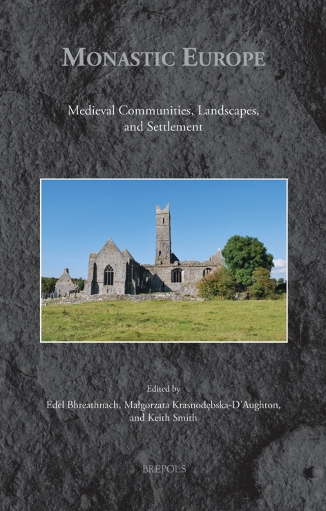
Monastic Europe
show More to view fulltext, buy and share links for:Monastic Europe show Less to hide fulltext, buy and share links for: Monastic EuropeMonasticism became part of European culture from the early period of Christianity and developed into a powerful institution that had a profound effect on the greater Church, on wider society, and on the landscape. Monastic communities were as diverse as the societies in which they lived, following a variety of rules, building monasteries influenced by common ideals and yet diverse in their regionalism, while also contributing to the economic and spiritual well-being inside and outside their precincts.
This interdisciplinary volume presents the diversity of medieval European monasticism with a particular emphasis on its impact on the immediate environs. Geographically it extends from the far west in Ireland, Scotland, and Wales, to the east in Romania and the Balkans, through the north of Scandinavia to the south of the Iberian Peninsula. Drawing on archaeological, art and architectural, textual and topographical evidence, the contributors explore how monastic communities were formed, how they created a landscape of monasticism, how they wove their identities with those around them, and how they interacted with all levels of society to leave a lasting imprint on European towns and rural landscapes.
-
-
-
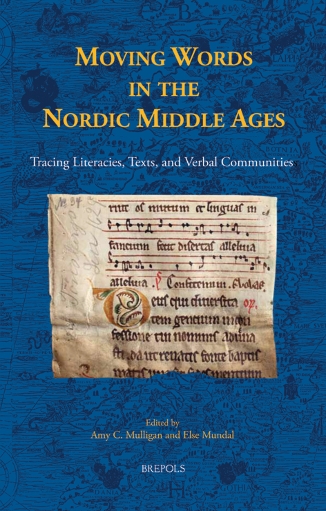
Moving Words in the Nordic Middle Ages.
show More to view fulltext, buy and share links for:Moving Words in the Nordic Middle Ages. show Less to hide fulltext, buy and share links for: Moving Words in the Nordic Middle Ages.The culmination of over a decade’s research on verbal culture in the pre- and post-Conversion medieval North at Bergen’s Centre for Medieval Studies, this volume traces the movement of words and texts temporally, geographically, and intellectually across different media and genres. The contributions gathered here begin with a reassessment of how the unique verbal cultures of Scandinavia and Iceland can be understood in a broader European context, and then move on to explore foundational Nordic Latin histories and vernacular sagas. Key case studies are put forward to highlight the importance of institutional and individual writing communities, epistolary and list-making cultures, and the production of manuscripts as well as runic inscriptions. Finally, the oral-written continuum is examined, with a focus on important works such as Íslendingabók and Landnámabók, Old-Norse Icelandic translated romances, and the development of prosimetra. Together, these essays form a state-of-the-art volume that offers new and vital insights into the role of literacy in the Norse-speaking world.
-
-
-
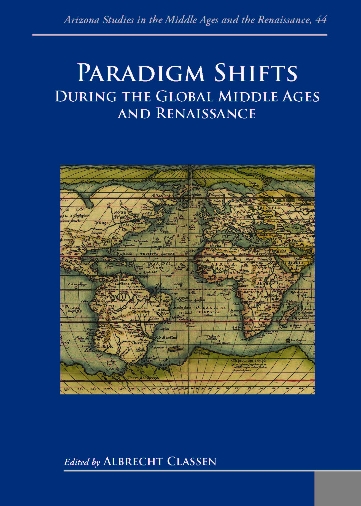
Paradigm Shifts During the Global Middle Ages and Renaissance
show More to view fulltext, buy and share links for:Paradigm Shifts During the Global Middle Ages and Renaissance show Less to hide fulltext, buy and share links for: Paradigm Shifts During the Global Middle Ages and RenaissanceFor a long time we have naively talked about the Middle Ages, the Renaissance, and other periods, but at closer analysis all those terms prove to be constructed models to help us understand in rough terms profound changes that affected human conditions throughout time. As the contributions to the present volume indicate, paradigm shifts have occurred regularly and constituted some of the critical developments in human existence. The notion of paradigm shift as first developed by Thomas Kuhn is here considerably expanded to address also literary, religious, scientific, and cultural-historical phenomena, to deal with contrasting conceptions of various parts of the world (China versus Europe), conflicts between genders, economic changes pertaining to women's roles, social and political criticism, models of how to explain our existence, ideological positions, and epistemological approaches. The study of paradigm shifts makes it possible to grasp fundamental movements both horizontally (the present world in global terms) and vertically (from the past to the present), exposing thereby central forces leading to shifts in power structures and in the mental-historical world-views. Focusing on paradigm-shifts allows us to gain deep insight into conflicting discourses throughout time and to illuminate the struggle between dominant and competing models explaining or determining reality.
-
-
-
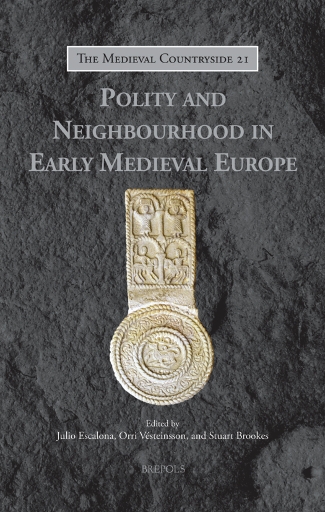
Polity and Neighbourhood in Early Medieval Europe
show More to view fulltext, buy and share links for:Polity and Neighbourhood in Early Medieval Europe show Less to hide fulltext, buy and share links for: Polity and Neighbourhood in Early Medieval EuropeHow were early medieval people connected to each other and to the wider world? In this collection, archaeologists and historians working in very different areas of early medieval Europe explore diverse evidence - from landscape and burial archaeology to charters and chronicles - to discuss the relationships that constituted neighbourhoods and the roles these played in the processes of state formation that can be observed in the peripheries of the Frankish world. What these case-studies teach us, the contributors argue, is that polities are formed not through the exclusive operation of either top-down or bottom-up agencies, but from the interplay between them. By exploring the ways in which local knowledge, social ties, and understandings of landscape interacted with higher-level authorities and institutions, we can gain real insights into the nature of early medieval power and people’s experiences of it.
Marking the culmination of a collective effort that has spanned over a decade and three funded projects, this volume brings together case-studies from Spain, Italy, England, northern Frankia, Norway, and Iceland to offer a comparative view of polities and neighbourhoods in early medieval Europe. Drawing on new research, and offering new perspectives driven by an interdisciplinary approach, this volume is of relevance to a range of disciplines including archaeology, history, onomastics, geography, and anthropology.
-
-
-
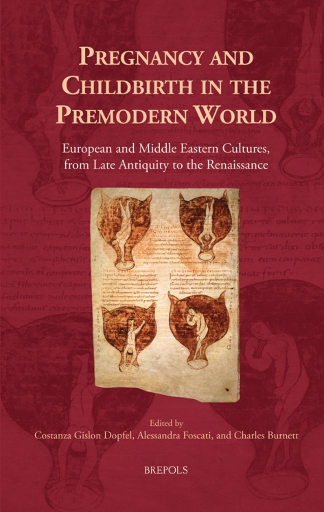
Pregnancy and Childbirth in the Premodern World
show More to view fulltext, buy and share links for:Pregnancy and Childbirth in the Premodern World show Less to hide fulltext, buy and share links for: Pregnancy and Childbirth in the Premodern WorldThis volume of contributions from international scholars offers a cross-cultural and multi-period analysis of pregnancy and childbirth traditions in Western and Middle Eastern cultures. The studies focus on the ideas, practices, and visual representations surrounding pregnancy and birth-giving from Late Antiquity to the Renaissance and offer the reader the possibility of observing the perception, representation, and theoretic paradigm of these events in a wide range of cultural contexts. The collection fits within multiple traditions of specialized scholarship, yet its scope suggests a geographically global approach and a new, multicultural methodology that encompasses a wide range of practices, historical periods, and topics. On one hand, it participates in the well-established medical, historical, and iconographic discourse on childbirth and family that has enticed much interest over the last two decades; on the other, its unique thematic structure includes cultures and periods previously ignored in similar collections of essays. The articles span from Northern Europe to the Mediterranean, the Middle East, and India, and connect the experience of childbirth to the exchanges of knowledge, religious beliefs, and social practices. With its variety of topics and specializations, the volume encourages a global comparative approach to the cultural narrative surrounding the activities and attitudes connected to conception and birth, paying particular attention to material culture, religion, history, and iconography, as well as to the exchange and dispersion of medical knowledge.
-
-
-
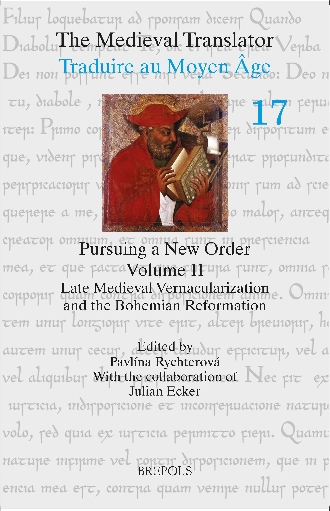
Pursuing a New Order II.
show More to view fulltext, buy and share links for:Pursuing a New Order II. show Less to hide fulltext, buy and share links for: Pursuing a New Order II.In the first two decades of the fifteenth century, the Hussite religious reform movement emerged in Bohemia; it used one of the realm's vernacular languages, Czech, both to disseminate its reform ideas, and to establish strong foundations for the reform. The vernacular became a significant strategy for identification, capable of binding together disconnected religious, ethnic, political and regional identities and generating a very potent aggregate of identifications. This volume considers material from the second half of the fourteenth century to the first half of the sixteenth, beginning with the so-called Hussite ‘forerunners’ and ending with the early German reformation. Individual essays discuss the various functions of the vernaculars in different text types, social situations and religious and political contexts. Together, they correct former assumptions about the topic and provide a basis for further study of Hussite vernacular theology and contribute to the transformation of scholarly narratives about the Hussite movement by including works of vernacular religious education among the most important source material. It offers a basis for the comparative research on the role of the vernaculars in late medieval European religious reform movements.
-
-
-

Quand les auteurs étaient des nains
show More to view fulltext, buy and share links for:Quand les auteurs étaient des nains show Less to hide fulltext, buy and share links for: Quand les auteurs étaient des nainsDepuis quelques dizaines d’années, l’avènement de l’individualité de l’auteur médiéval à la fin du Moyen Âge et l’émergence de stratégies auctoriales destinées à construire et à afficher une figure d’auteur dans l’espace du texte et du manuscrit ont (re)fait l’objet d’une attention soutenue de la critique. Étonnamment, alors que ce processus coïncide avec l’essor des traductions savantes d’autorités latines, la critique n’a guère considéré à sa juste valeur les stratégies auctoriales des traducteurs français des XIVe et XVe siècles, jugés comme un « corps » et corpus à la frontière du champ littéraire et de ses enjeux. Pourtant, les études sur les traductions modernes et pré-modernes ont depuis longtemps entrepris un travail historiographique destiné à revaloriser la figure du traducteur comme une figure auctoriale au sens plein et à part entière du champ littéraire. Dans cette démarche de revalorisation, le corpus médiéval a été négligé. Les contributions réunies ici visent à étudier la figure d’auteur des traducteurs français des XIVe et XVe siècles et sa mise en œuvre textuelle et matérielle afin de déterminer les continuités et les ruptures entre leurs stratégies auctoriales et celles des autres auteurs du même champ littéraire.
-
-
-
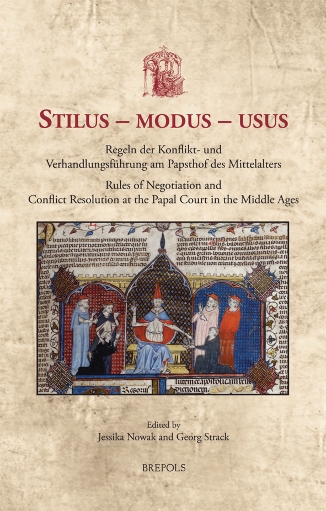
Stilus - modus - usus
show More to view fulltext, buy and share links for:Stilus - modus - usus show Less to hide fulltext, buy and share links for: Stilus - modus - ususBy exploring communication and social practices employed during negotiations at the papal court, this volume sheds light on a wide range of sources for studying the high and late medieval papacy. Analyzing the terminology and practice of the ‘stilus curiae’ in documents from all parts of Europe, this volume puts forward a new understanding of negotiation and conflict resolution at the papal court in the Middle Ages. ‘Stilus curiae’ usually refers to the language and style of curial documents, and it is often used to describe the customary application of legal procedure in court practice. The authors of this volume, however, argue for a broader understanding of ‘stilus curiae’ as an umbrella term that encompasses all forms of communication and social practices used during negotiations at the papal court. This volume (the first of two) publishes the results of a research network funded by the German Research Foundation (DFG). Through analysis of the concept(s) of the ‘stilus curiae’, the chapters throw new light on a wide range of sources from the High and Late Middle Ages, including chronicles, biographic and polemic texts, as well as administrative sources, such as letters of petitioners and proctors, speeches, and financial records of ambassadors. Thus, the volume offers a new approach towards the papacy between 1100 and 1500.
-
-
-
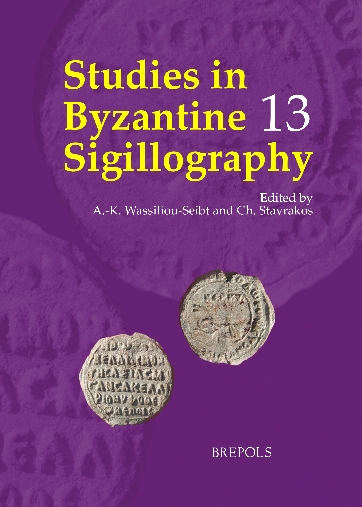
Studies in Byzantine Sigillography
show More to view fulltext, buy and share links for:Studies in Byzantine Sigillography show Less to hide fulltext, buy and share links for: Studies in Byzantine SigillographyThis volume contains primarily papers of the 11th International Symposium held in Istanbul (May 2014) and of the last Congres of Byzantine Studies in Belgrade (August 2016). There are papers about the seals as historical source and archaeological finding presenting their role in the Byzantine Prosopography, Byzantine Administration, Historical Geography and Byzantine Art History.
-
-
-
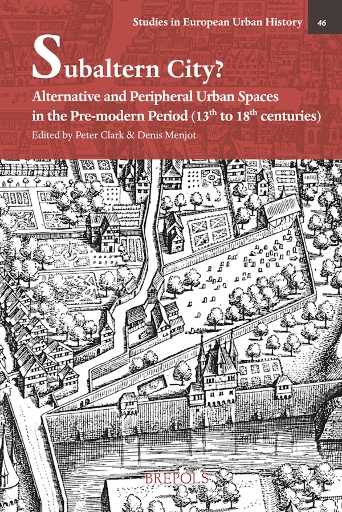
Subaltern City?
show More to view fulltext, buy and share links for:Subaltern City? show Less to hide fulltext, buy and share links for: Subaltern City?The purpose of this volume is to question traditional notions of city space in pre-modern Europe (with its stress on space being incorporated, regulated and integrated, dominated by its merchants and crafts), and to investigate how far it was in fact economically and politically pluralistic with a great variety of functions and juridictions. The volume examines comparatively the range of different urban spaces in and outside the medieval and early modern city from gardens, farmland and wasteland to industrial sites, poor and rich suburbs, shooting grounds, green space, grey space and military zones. Case studies cover cities in France, Germany, Italy, the Low Countries, England, Portugal and the Middle East. We ask: how far was the pre-modern city a compact city? Or was it in fact a ‘subaltern city’, as geographers have recently proposed, where many urban spaces were contested and the municipality has to be seen as only one key spatial actor?
-
-
-
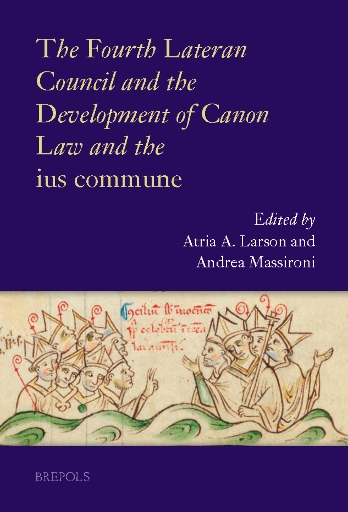
The Fourth Lateran Council and the Development of Canon Law and the ius commune
show More to view fulltext, buy and share links for:The Fourth Lateran Council and the Development of Canon Law and the ius commune show Less to hide fulltext, buy and share links for: The Fourth Lateran Council and the Development of Canon Law and the ius communeThis volume collects essays from an international group of scholars who treat various aspects of the Fourth Lateran Council's placement within the development of the ius commune. Topics include the canon law about armsbearing clergy, episcopal elections, heresy, degrees of affinity within marriage, the oversight of relic veneration; two essays highlight the council's reaction to the Fourth Crusade's sack of Constantinople in trying to incorporate the eastern church into the ecclesiastical structure and liturgical norms of the Roman Church; several essays concentrate on the usage of Roman or civil law in some of Lateran IV's constitutions and emphasize issues of private and procedural law. Collectively, and headed by an essay by Anne J. Duggan on the relationship of Pope Alexander III's pontificate to the Lateran IV constitutions, the essays create a fuller picture of Innocent III and his curia's reliance on developments within the jurisprudence of the preceding half century, but they also reveal the ways in which they forged new paths and made significant contributions to guide canon law in the years following the council.
-
-
-
The Literary Legacy of Byzantium
show More to view fulltext, buy and share links for:The Literary Legacy of Byzantium show Less to hide fulltext, buy and share links for: The Literary Legacy of ByzantiumNineteen scholars join forces to pay tribute to one of the leading scholars in Byzantine studies, Father Joseph A. Munitiz. As one of the founders of the Series Graeca of the Corpus Christianorum and because of his own exemplary work, Joe Munitiz had and has a lasting impact on the development of Byzantine studies. There is no better way to honour him and his work than to offer him a Festschrift with contributions that mimic his quality, passion, and curiosity.
The Festschrift contains several "firsts": the first English translation of Eustathius' Letter concerning the Two Natures against Severus, and the first critical editions (and studies) of an anonymous iambic canon on St John Chrysostom, of letter Z of the Etymologicum Symeonis, of some additions to letter A in the Florilegium Coislinianum, of a possible credo of Metrophanes of Smyrna, of a letter by Nicolas Pepagomenos to Gregory Palamas, and of Maximus Confessor's Tomos to Stephen of Dor against the Ekthesis.
The innovative studies in this volume deal with the Slavonic and Greek catenae on the Song of Songs, with Athanasius Letter to Marcelinus, with an ascetic miscellany in a thirteenth-century Atheniensis, with the so-called 'First Chapter Titles' in the second recension of the Florilegium Coislinianum, with the date of composition of the Maximia Corpus, with Raimundus Lullus' knowledge of Byzantium, with the reception of the Catalogue of Inventors in Gregory of Nazianzus' fourth oratio, and with Titus of Bostra's polemic against the Manicheans.
-
-
-
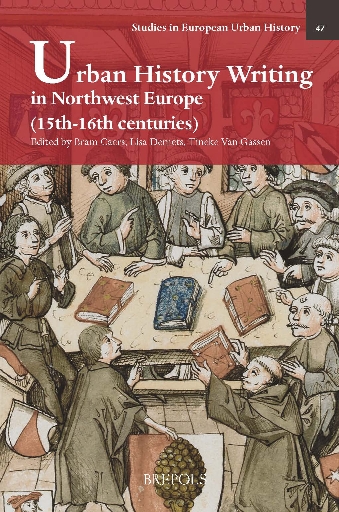
Urban History Writing in North-Western Europe (15th–16th centuries)
show More to view fulltext, buy and share links for:Urban History Writing in North-Western Europe (15th–16th centuries) show Less to hide fulltext, buy and share links for: Urban History Writing in North-Western Europe (15th–16th centuries)This volume aims at taking the first steps towards a revaluation of urban historiography in Northwest Europe, including rather than excluding texts that do not fit common definitions. It confronts examples from the Low Countries to well-studied cases abroad, in order to develop new approaches to urban historiography in general. In the authors' view, there are no fixed textual formats, social or political categories, or material forms that exclusively define ‘the urban chronicle’. Urban historiography in pre-modern Western Europe came in many guises, from the dry and modest historical notes in a guild register, to the elaborate heraldic images in a luxury manuscript made on commission for a patrician family, to the legally founded political narrative of a professional scribe in an official town chronicle. The contributions in this volume attest to the diversity of the ‘genre’ and look more closely at these texts from a broader, comparative perspective, unrestrained by typologies and genre definitions. It is mainly because of these hybrid guises, that many examples of urban historiography from the Low Countries for instance succeeded in going unnoticed for a considerable amount of time.
-
-
-
Middle and Late Byzantine Poetry: Texts and Contexts
show More to view fulltext, buy and share links for:Middle and Late Byzantine Poetry: Texts and Contexts show Less to hide fulltext, buy and share links for: Middle and Late Byzantine Poetry: Texts and ContextsIt is only in recent years that Byzantine poetry - a long-neglected aspect of Byzantine literature - has attracted the attention of philologists, literary and cultural historians. This holds true especially for the poetry written in middle and late Byzantium.Though many collections of poems are available in modern critical editions, a considerable amount of texts still remains completely unedited or accessible only in outdated and unreliable editions. Moreover, many works of this period have never been studied thoroughly with regard to their cultural impact on society. Issues of authorship and patronage, function, literary motives, generic qualities, and manuscripts still await further study.
This volume aims to take a step to fill this gap. Although it includes studies on poetry from the early tenth to the fifteenth centuries, the main focus is placed on the Komnenian and Palaeologan times. It presents editions of completely unknown texts, such as a twelfth-century cycle of epigrams on John Klimax. It includes studies on various types of poetry, including didactic, occasional, and even poetry written for liturgical purposes. By analysing these works and placing them within their literary and socio-cultural context, we can draw conclusions about the cultural tastes of the Byzantines and acquire a more nuanced picture of middle and late Byzantine poetry.
-