


Brepols Online Books Medieval Miscellanea Collection 2020 - bob2020mime

Collection Contents
2 results
-
-
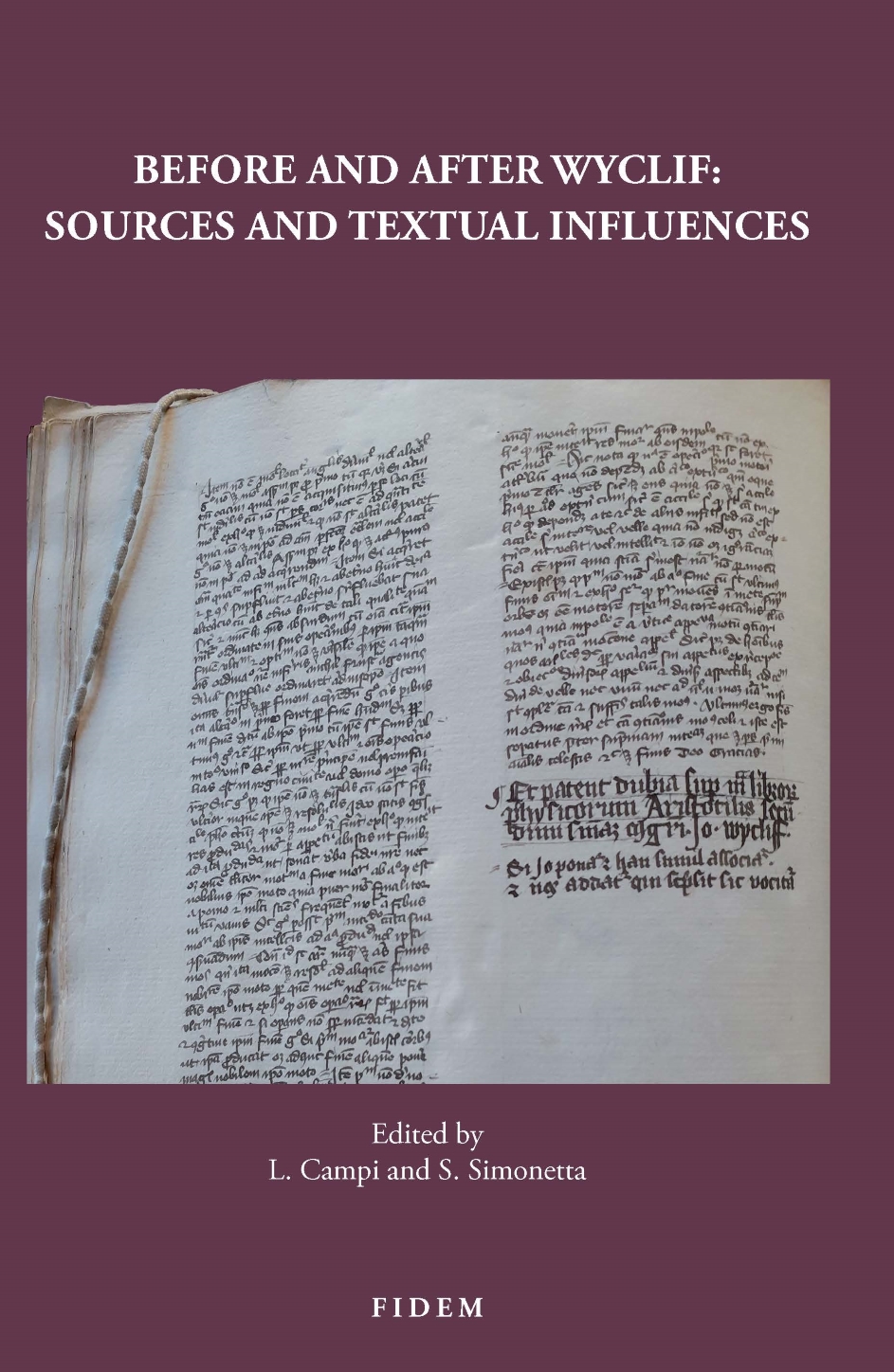
Before and After Wyclif: Sources and Textual Influences
show More to view fulltext, buy and share links for:Before and After Wyclif: Sources and Textual Influences show Less to hide fulltext, buy and share links for: Before and After Wyclif: Sources and Textual InfluencesIn the almost twenty years between the two international conferences on John Wyclif organised by the University of Milan, the most recent of which (September 2016) lies to some extent at the origin of the present volume, an increasing number of studies have been devoted to this great English thinker, theologian and reformer. These have enhanced our knowledge of his philosophical, theological and pastoral work, which had long remained in the shadows. The essays collected in the present book take further steps along this path, through the contribution of a range of specialists who have been called to further reconstruct Wyclif’s place in his intellectual milieu from the standpoint of his textual and doctrinal dependence and influence: the collected essays deal with the antecedents of Wyclif’s thought, his sources, and his role as a source for countless followers and opponents.The following authors have contributed to the volume: Mark Thakkar, Alessandro Conti, Aurélien Robert, Stephen E. Lahey, Ian Christopher Levy, Sean Otto, Kantik Ghosh, Jindřich Marek and Graziana Ciola.
-
-
-
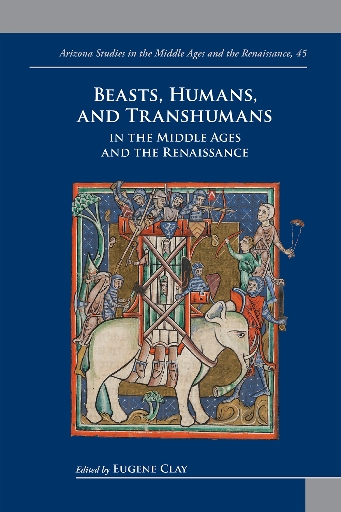
Beasts, Humans, and Transhumans in the Middle Ages and the Renaissance
show More to view fulltext, buy and share links for:Beasts, Humans, and Transhumans in the Middle Ages and the Renaissance show Less to hide fulltext, buy and share links for: Beasts, Humans, and Transhumans in the Middle Ages and the RenaissanceFrom shape-shifting Merlin to the homunculi of Paracelsus, the nine fascinating essays of this collection explore the contested boundaries between human and non-human animals, between the body and the spirit, and between the demonic and the divine. Drawing on recent work in animal studies, posthumanism, and transhumanism, these innovative articles show how contemporary debates about the nature and future of humanity have deep roots in the myths, literature, philosophy, and art of the Middle Ages and the Renaissance. The authors of these essays demonstrate how classical stories of monsters and metamorphoses offered philosophers, artists, and poets a rich source for reflection on marriage, resurrection, and the passions of love. The ambiguous and shifting distinctions between human, animal, demon, and angel have long been contentious. Beasts can elevate humanity: for Renaissance courtiers, horsemanship defined nobility. But animals are also associated with the demonic, and medieval illuminators portrayed Satan with bestial features. Divided into three sections that examine metamorphoses, human-animal relations, and the demonic and monstrous, this volume raises intriguing questions about the ways humans have understood their kinship with animals, nature, and the supernatural.
-