


Brepols Online Books Medieval Miscellanea Collection 2020 - bob2020mime

Collection Contents
37 results
-
-
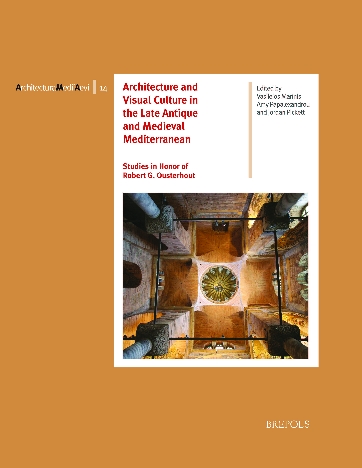
Architecture and Visual Culture in the Late Antique and Medieval Mediterranean
show More to view fulltext, buy and share links for:Architecture and Visual Culture in the Late Antique and Medieval Mediterranean show Less to hide fulltext, buy and share links for: Architecture and Visual Culture in the Late Antique and Medieval MediterraneanThis book comprises sixteen essays addressing issues of art and architecture together with archaeology within the context of sacred space, broadly defined. It encompasses a wide range of territories, methodologies, perspectives, and scholarly concerns. Our point of departure is the built environment, with all that this entails, including religious and political ceremony, painted interiors, patronage, contested spaces, structural and environmental concerns, sensory properties, the written word as it pertains to architectural projects, and imagined spaces. In all, the scholars involved in this project find fresh approaches and uncover new meanings and interpretations in the material examined within this volume, including buildings and objects from Europe to Asia, and spanning from Late Antiquity through the end of the Middle Ages.
-
-
-
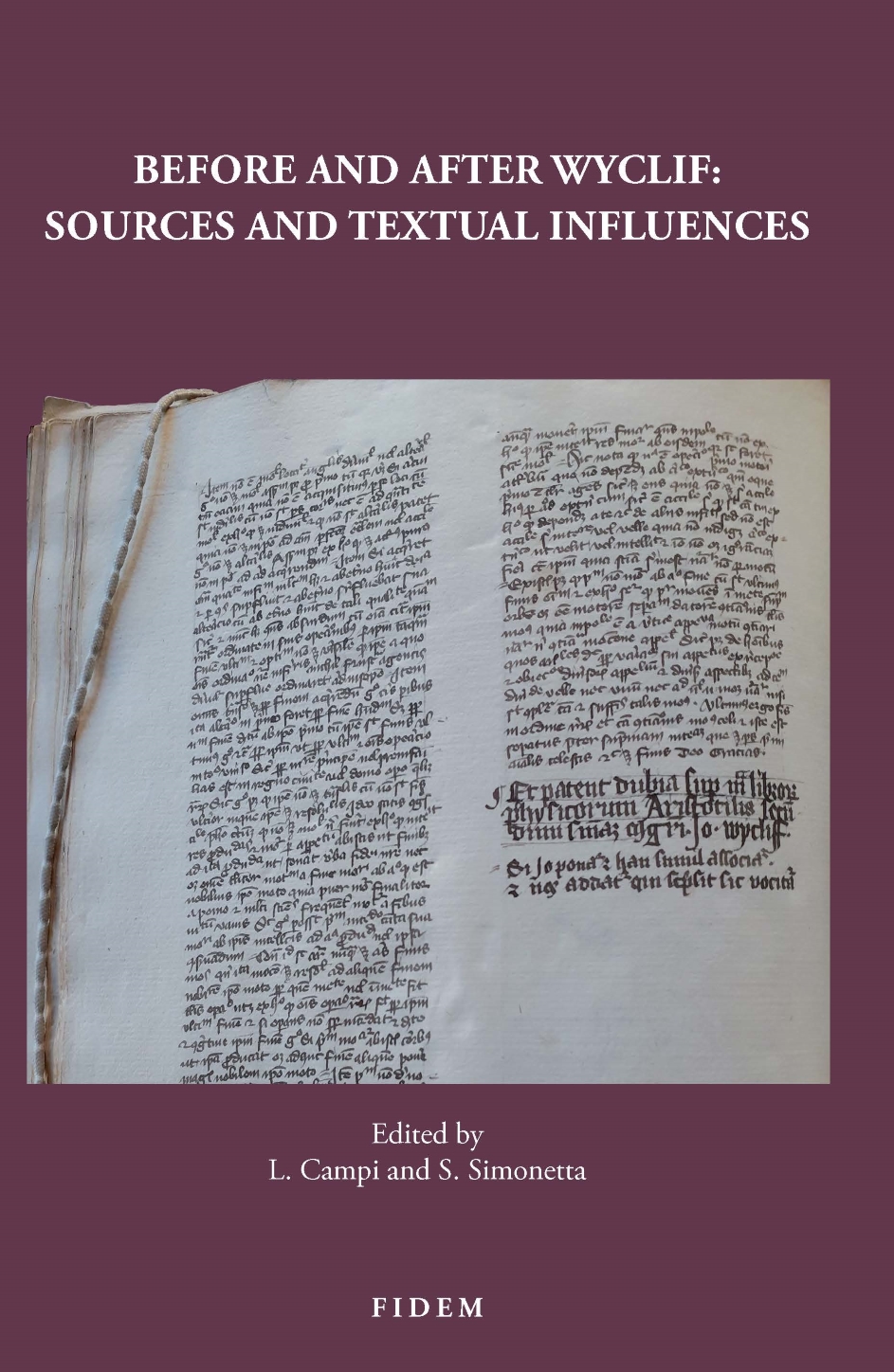
Before and After Wyclif: Sources and Textual Influences
show More to view fulltext, buy and share links for:Before and After Wyclif: Sources and Textual Influences show Less to hide fulltext, buy and share links for: Before and After Wyclif: Sources and Textual InfluencesIn the almost twenty years between the two international conferences on John Wyclif organised by the University of Milan, the most recent of which (September 2016) lies to some extent at the origin of the present volume, an increasing number of studies have been devoted to this great English thinker, theologian and reformer. These have enhanced our knowledge of his philosophical, theological and pastoral work, which had long remained in the shadows. The essays collected in the present book take further steps along this path, through the contribution of a range of specialists who have been called to further reconstruct Wyclif’s place in his intellectual milieu from the standpoint of his textual and doctrinal dependence and influence: the collected essays deal with the antecedents of Wyclif’s thought, his sources, and his role as a source for countless followers and opponents.The following authors have contributed to the volume: Mark Thakkar, Alessandro Conti, Aurélien Robert, Stephen E. Lahey, Ian Christopher Levy, Sean Otto, Kantik Ghosh, Jindřich Marek and Graziana Ciola.
-
-
-
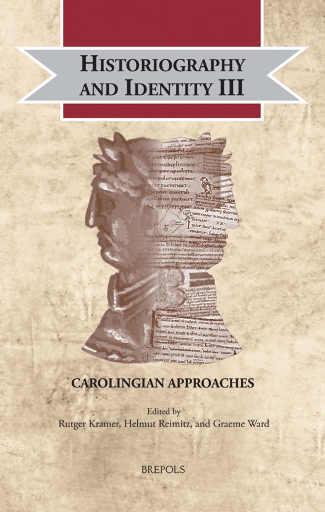
Historiography and Identity III: Carolingian Approaches
show More to view fulltext, buy and share links for:Historiography and Identity III: Carolingian Approaches show Less to hide fulltext, buy and share links for: Historiography and Identity III: Carolingian ApproachesThis volume explores the extent to which the reinstitution of the Empire in Western Europe brought about new ways of reconciling the multitude of post-Roman identities with the way the past was shaped in historiographical narratives. From universal histories to local chronicles, and from narratives that support Carolingian rule to histories with a more local focus, the centralization of power and authority in the course of the eighth and ninth centuries forced those who engaged with their own past and that of their community to acknowledge the new situation, and situate themselves in it. The contributions in this volume each depart from a single source, event, or community, and relate their findings to the broader issue of whether the rise of the multi-ethnic Carolingian court allowed for more inclusive narratives to be created, or if their self-proclaimed place at the centre of the Frankish world actually created a context in which local communities were given new tools to assert themselves.
-
-
-
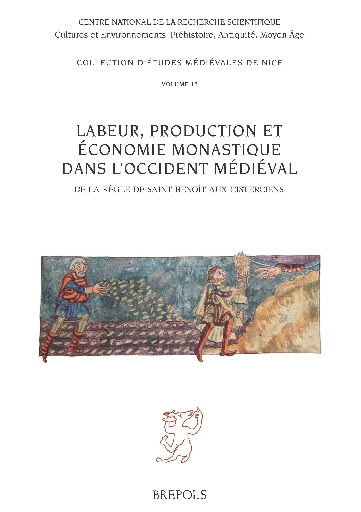
Labeur, production et économie monastique dans l’Occident médiéval
show More to view fulltext, buy and share links for:Labeur, production et économie monastique dans l’Occident médiéval show Less to hide fulltext, buy and share links for: Labeur, production et économie monastique dans l’Occident médiévalTous les groupes humains produisent afin d’assurer leur subsistance, mais il n’y a pas de « travail » ni a fortiori de « travailleurs » dans nombre de sociétés, au sens du moins que ces notions ont pris en Europe à l’époque de l’industrie et de l’économie politique. Reste que beaucoup d’historiens considèrent le monachisme du Moyen Âge comme une sorte de laboratoire des formes du « travail » en Occident, du reste à l’origine du processus de « croissance » qui caractérisa cette partie du monde.
Les quatorze auteurs de ce volume ont entrepris de reprendre sur nouveaux frais la question des représentations et des pratiques du labeur, en examinant tout à la fois les modèles, les règlements et les rapports sociaux à l’œuvre au sein des monastères occidentaux, depuis les premiers écrits latins et les premières traces archéologiques jusqu’au développement des établissements cisterciens aux XIIe-XIIIe siècles. Plusieurs contributions s’efforcent de reconstituer les catégories médiévales de l’activité humaine tout en interrogeant les modalités concrètes d’exploitation des ressources. L’ouvrage accorde une large place aux débats historiographiques en s’attachant notamment à saisir la genèse, entre xixe et xxe siècle, de la figure du « moine civilisateur » et de l’idéal du « travail monastique », souvent bien éloignés des réalités du Moyen Âge.
-
-
-
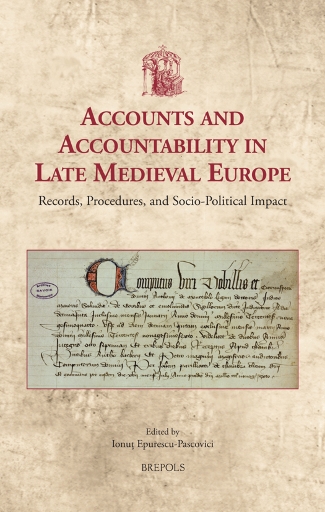
Accounts and Accountability in Late Medieval Europe: Records, Procedures, and Socio-Political Impact
show More to view fulltext, buy and share links for:Accounts and Accountability in Late Medieval Europe: Records, Procedures, and Socio-Political Impact show Less to hide fulltext, buy and share links for: Accounts and Accountability in Late Medieval Europe: Records, Procedures, and Socio-Political ImpactAccounts and Accountability in Late Medieval Europe traces the momentous transformation of institutions and administration under the impact of accounting records and procedures, c. 1250-1500. The volume’s focus on the materiality and organising logic of a range of accounts is complemented by close attention to the socio-political contexts in which they functioned and the agency of central and local officials.
The volume is divided into three parts: the role of financial accountability in the political designs of late medieval states, the uses of accounts auditing and information management as tools for governance, and their impact on the everyday life of local communities. Covering both the centre and the periphery of medieval Europe, from England and the Papal curia to Savoy and Transylvania, the case studies evince the difficult passage from the early experiments with financial accounts towards an accountability of office.
-
-
-
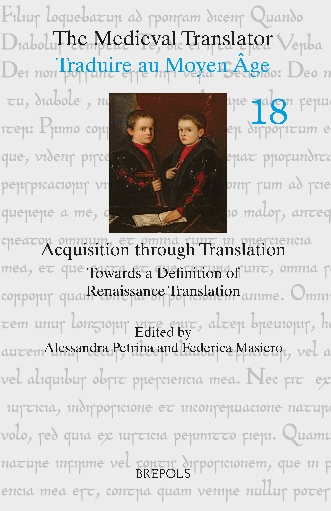
Acquisition through Translation
show More to view fulltext, buy and share links for:Acquisition through Translation show Less to hide fulltext, buy and share links for: Acquisition through TranslationThe definition of translation in Renaissance Europe is here proposed as a process of acquisition: the book studies how a number of European languages, finding their identification in the newly evolving concept of nation, shape their countries’ vernacular libraries by appropriating ancient and contemporary classics.
The emergence of standard modern languages in early modern Europa entailed a competition with the dominant Latin culture, which remained the prevalent medium for the language of science, philosophy, theology and philology until at least the eighteenth century. In this process, translation played a very special role: in a number of significant instances we can identify in the undertaking of a specific translation a policy of acquisition of classical - and by definition authoritative - texts that contributed to the building of an intellectual library for the emerging nation. At the same time, the transmission of ideas and texts across Europe constructed a diasporic and transnational culture: the emerging vernacular cultures acquired not only the classical Latin models, incorporating them in their own intellectual libraries, but turned their attention also to contemporary, or near-contemporary, vernacular texts, conferring on them, through the act of translation, the status of classics. Through the examination of case studies, that take into account both literary and scientific texts, this volume offers an overview of how early modern Europe developed its vernacular national literatures, following the model suggested in the late Middle Ages, through a process of acquisition and translation.
-
-
-
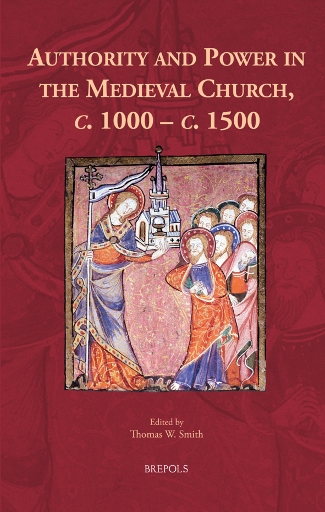
Authority and Power in the Medieval Church, c. 1000–c. 1500
show More to view fulltext, buy and share links for:Authority and Power in the Medieval Church, c. 1000–c. 1500 show Less to hide fulltext, buy and share links for: Authority and Power in the Medieval Church, c. 1000–c. 1500While they often go hand-in-hand and the distinction between the two is frequently blurred, authority and power are distinct concepts and abilities - this was a problem that the Church tussled with throughout the High and Late Middle Ages. Claims of authority, efforts to have that authority recognized, and the struggle to transform it into more tangible forms of power were defining factors of the medieval Church’s existence.
As the studies assembled here demonstrate, claims to authority by members of the Church were often in inverse proportion to their actual power - a problematic paradox which resulted from the uneven and uncertain acceptance of ecclesiastical authority by lay powers and, indeed, fellow members of the ecclesia. The chapters of this book reveal how clerical claims to authority and power were frequently debated, refined, opposed, and resisted in their expression and implementation. The clergy had to negotiate a complex landscape of overlapping and competing claims in pursuit of their rights. They waged these struggles in arenas that ranged from papal, royal, and imperial curiae, through monastic houses, law courts and parliaments, urban religious communities and devotional networks, to contact and conflict with the laity on the ground; the weapons deployed included art, manuscripts, dress, letters, petitions, treatises, legal claims, legates, and the physical arms of allied lay powers.
In an effort to further our understanding of this central aspect of ecclesiastical history, this interdisciplinary volume, which effects a broad temporal, geographical, and thematic sweep, points the way to new avenues of research and new approaches to a traditional topic. It fuses historical methodologies with art history, gender studies, musicology, and material culture, and presents fresh insights into one of the most significant institutions of the medieval world.
-
-
-
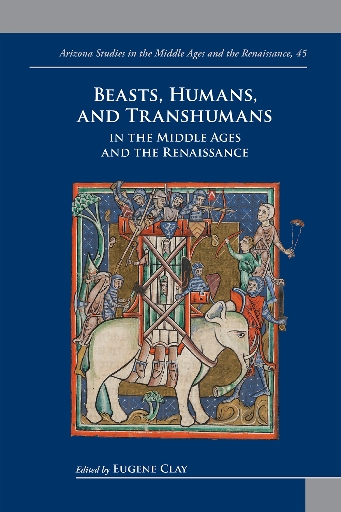
Beasts, Humans, and Transhumans in the Middle Ages and the Renaissance
show More to view fulltext, buy and share links for:Beasts, Humans, and Transhumans in the Middle Ages and the Renaissance show Less to hide fulltext, buy and share links for: Beasts, Humans, and Transhumans in the Middle Ages and the RenaissanceFrom shape-shifting Merlin to the homunculi of Paracelsus, the nine fascinating essays of this collection explore the contested boundaries between human and non-human animals, between the body and the spirit, and between the demonic and the divine. Drawing on recent work in animal studies, posthumanism, and transhumanism, these innovative articles show how contemporary debates about the nature and future of humanity have deep roots in the myths, literature, philosophy, and art of the Middle Ages and the Renaissance. The authors of these essays demonstrate how classical stories of monsters and metamorphoses offered philosophers, artists, and poets a rich source for reflection on marriage, resurrection, and the passions of love. The ambiguous and shifting distinctions between human, animal, demon, and angel have long been contentious. Beasts can elevate humanity: for Renaissance courtiers, horsemanship defined nobility. But animals are also associated with the demonic, and medieval illuminators portrayed Satan with bestial features. Divided into three sections that examine metamorphoses, human-animal relations, and the demonic and monstrous, this volume raises intriguing questions about the ways humans have understood their kinship with animals, nature, and the supernatural.
-
-
-
Cities, Saints, and Communities in Early Medieval Europe
show More to view fulltext, buy and share links for:Cities, Saints, and Communities in Early Medieval Europe show Less to hide fulltext, buy and share links for: Cities, Saints, and Communities in Early Medieval EuropeThis book honours the scholarship of English historian Dr. Alan Thacker by exploring the insular, the European and, more broadly, the Mediterranean connections and contexts of the history and culture of Anglo-Saxon England in the age of Bede, and beyond. It brings together original contributions by leading European and North American scholars of Late Antiquity and the early Middle Ages working across a range of disciplines: history, theology, epigraphy, and art history. Moving from the Irish Sea to the Bosporus, this collection presents a linked world in which saints, scholars, and the city of Rome all played powerful connective roles, creating communities, generating relationships, linking east to west, north to south, and present to past.
As in Thacker’s own work, Bede’s life and thought is a central presence. Bede’s attitudes to historical and contemporaneous conceptions of heresy, to the Irish church, and the evidence for his often complex relationships with his Northumbrian contemporaries all come under scrutiny, together with groundbreaking studies of his exegesis, christology, and historical method. Many of the contributions offer original insights into figures and phenomena that have been the focus of Dr. Thacker’s highly influential scholarship.
-
-
-
Communautés maritimes et insulaires du premier Moyen Âge
show More to view fulltext, buy and share links for:Communautés maritimes et insulaires du premier Moyen Âge show Less to hide fulltext, buy and share links for: Communautés maritimes et insulaires du premier Moyen ÂgeComment les hommes et les femmes du premier Moyen Âge formaient-ils des communautés lorsqu’ils se trouvaient vivre près de l’eau - sur les littoraux, dans les zones humides ou le long des fleuves, mais aussi dans les îles ? La familiarité entretenue avec le milieu aquatique, objet de crainte ou source d’opportunités, signifie que les groupes humains « faisaient communauté » autrement, mais aussi que l’historien appréhende ces phénomènes d’une manière différente. Cela est vrai de toutes les communautés qui, dans la pratique des interactions quotidiennes, se formaient près de l’eau, grâce à elle ou face à elle : communautés d’habitants, communautés cléricales ou monastiques, communautés fondées sur une activité commune comme le commerce ou la pêche. Les douze contributions que compte ce livre constituent les actes d’un colloque tenu à Boulogne-sur-Mer en mars 2017. Leurs auteurs s’attachent à croiser les sources écrites et archéologiques pour offrir un regard équilibré sur des espaces et une période qui semblent à première vue moins bien documentés que d’autres. La question de la construction et de l’existence des communautés « du bord de l’eau » y est traitée à travers toute l’Europe latine, du vii e au xi e siècle, sur ses versants adriatique (à travers les lagunes de Venise et de Comacchio), atlantique (du littoral ibérique à l’Angleterre en passant par l’île de Noirmoutier) et septentrional (des Fens d’Est-Anglie à la mer Baltique et dans les emporia des mers du Nord), ainsi que dans la vallée de la Saône (de Lyon à Tournus).
-
-
-
Epirus Revisited. New Perceptions of its History and Material Culture
show More to view fulltext, buy and share links for:Epirus Revisited. New Perceptions of its History and Material Culture show Less to hide fulltext, buy and share links for: Epirus Revisited. New Perceptions of its History and Material CultureThe opening of the borders of Albania in the 1990s stimulated an increased interest in its cultural heritage and led to extensive research, as well as archaeological investigations. These, however, have mainly concentrated within Albania's present-day borders and have lacked broader contextualization. Very recent excavations in Greece, which resulted from the construction of the new Ionia Odos highway, have, however brought to light unexpected and interesting material that changes our image of the monumental topography and the settlements in Epirus. New studies concerning Epirus and its broader connections during the early and later Ottoman periods provide a broader impression of the region and its relationships with the large economic centres of the West, as well as with the spiritual-religious and political centres of the Balkans.
-
-
-
Episcopal Power and Personality in Medieval Europe, c. 900–c. 1480
show More to view fulltext, buy and share links for:Episcopal Power and Personality in Medieval Europe, c. 900–c. 1480 show Less to hide fulltext, buy and share links for: Episcopal Power and Personality in Medieval Europe, c. 900–c. 1480The question of personality is a problematic one, beset by complications of cultural distance, the layers of the past, and the limitations of the source material.
Recognising these difficulties, this volume draws together character sketches based upon historical narratives and a range of sources, including architecture, liturgical manuscripts, chronicles, and hagiographical material, to show a multifaceted range of means by which historians can construct, reconstruct, and deconstruct episcopal power through the person of the bishop.
Building on a previous volume of essays, Episcopal Power and Local Society in Medieval Europe, 900-1400, which examined the construction, augmentation, and expression of episcopal power in local society, this second volume seeks to uncover the impact of the personalities behind that power. Through essays dealing with the construction of cultural and political personalities, the shadows they cast, and the contexts that forged them, this volume brings to life the careers of bishops across medieval Europe from c. 900 to c. 1480. This geographical range and broad time span throws up the similarity in applications and bene ts of interdisciplinarity which can be applied to ecclesiastical history, and presents a fascinating range of case studies for consideration.
-
-
-
Famagusta
show More to view fulltext, buy and share links for:Famagusta show Less to hide fulltext, buy and share links for: FamagustaThis is the second of two volumes on the history and archaeology of the port city of Famagusta in Cyprus from the beginning of the island’s Frankish rule in 1191 to the Ottoman conquest in 1571. The first volume, entitled Art and Architecture and edited by Annemarie Weyl Carr, was published in this series in 2014.
The volume provides a comprehensive survey of the four-century history of Famagusta under Frankish, Genoese, and Venetian rule down to the Ottoman siege and conquest, supplemented by an account of the image of the medieval and Renaissance city in retrospect. Based on original research and often using unpublished sources, fourteen acknowledged specialists study Famagusta’s political, social, economic, and ecclesiastical history from a multi- and interdisciplinary approach that involves aspects such as institutional continuities and discontinuities, military and spatial organisation, religious and cultural exchanges, gender roles, and the city’s image in travelogues, literature and art. Such an approach allows a better understanding of the evolution of the ethnically and religiously diverse Famagustian society from a rich commercial centre under the Lusignans to an enclave under the Genoese and a military outpost under the Venetians.
-
-
-
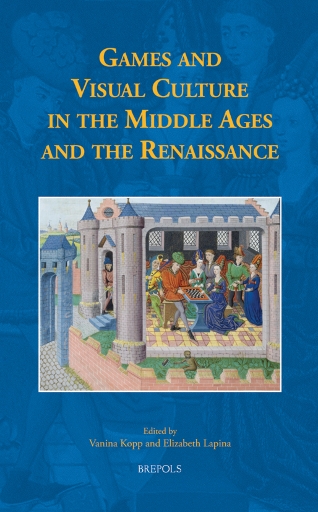
Games and Visual Culture in the Middle Ages and the Renaissance
show More to view fulltext, buy and share links for:Games and Visual Culture in the Middle Ages and the Renaissance show Less to hide fulltext, buy and share links for: Games and Visual Culture in the Middle Ages and the RenaissanceDuring the Middle Ages and the Renaissance, games were not an idle pastime, but were in fact important tools for exploring, transmitting, enhancing, subverting, and challenging social practices and their rules. Their study, through both visual and material sources, offers a unique insight into medieval and early modern gaming culture, shedding light not only on why, where, when, with whom and in what conditions and circumstances people played games, but also on the variety of interpretations that they had of games and play. Representations of games, and of artefacts associated with games, also often served to communicate complex ideas on topics that ranged from war to love, and from politics to theology.
This volume offers a particular focus onto the type of games that required little or no physical exertion and that, consequently, all people could enjoy, regardless of age, gender, status, occupation, or religion. The representations and artefacts discussed here by contributors, who come from varied disciplines including history, literary studies, art history, and archaeology, cover a wide geographical and chronological range, from Spain to Scandinavia to the Ottoman Turkey and from the early medieval period to the seventeenth century and beyond. Far from offering the ‘last word’ on the subject, it is hoped that this volume will encourage further studies.
-
-
-
Historiography and Identity II: Post-Roman Multiplicity and New Political Identities
show More to view fulltext, buy and share links for:Historiography and Identity II: Post-Roman Multiplicity and New Political Identities show Less to hide fulltext, buy and share links for: Historiography and Identity II: Post-Roman Multiplicity and New Political IdentitiesThe six-volume sub-series Historiography and Identity unites a wide variety of case studies from Antiquity to the Late Middle Ages, from the Latin West to the emerging polities in Northern and Eastern Europe, and also incorporates a Eurasian perspective which includes the Islamic World and China. The series aims to develop a critical methodology that harnesses the potential of identity studies to enhance our understanding of the construction and impact of historiography.
This second volume of the series studies the social function of historiography in the Justinianic age and the post-Roman kingdoms of the West. The papers explore how writers in Constantinople and in the various kingdoms from Italy to Britain adopted late antique historiographical traditions and adapted them in response to the new needs and challenges created by the transformation of the political and social order. What was the significance of their choices between different models (or their creation of new ones) for their ‘vision of community’? The volume provides a representative analysis of the historiographical resources of ethnic, political, and religious identifications created in the various Western kingdoms. In doing so, it seeks to understand the extant works as part of a once much wider and more polyphonic historiographical debate.
-
-
-
Homo, Natura, Mundus: Human Beings and Their Relationships
show More to view fulltext, buy and share links for:Homo, Natura, Mundus: Human Beings and Their Relationships show Less to hide fulltext, buy and share links for: Homo, Natura, Mundus: Human Beings and Their RelationshipsThe present volumes contain a number of studies first presented at the XIV International Congress of the Société Internationale pour l’Étude de la Philosophie Médiévale, July 24-28, 2017, Porto Alegre, Brazil - which happened to be the first SIEPM Congress in Latin America and the first in the Southern Hemisphere. In 65 essays on current research questions in Latin, Jewish, and Arabic Philosophy, and Early Modern Scholasticism, the contributors explore the general theme of "Homo - Natura - Mundus: Human Beings and their Relationships," and lead us to new perspectives. These essays relate to the following areas of interest: the human being’s self-understanding as a rational creature in multiple relationships (with God, the other, the community, the fellow and the different); the human being’s place in the natural world and the possibility of relating to nature through knowledge; medieval philosophical traditions and the challenges introduced by the "discovery" of the "New World" (dominium, war, hierarchies, and new areas of concern with respect to justice, the human good, and the law). Thus, these volumes offer a unique sample of scholarly studies that work with the idea of "relationships" in two distinct, but not opposing, directions. Firstly, they explore the ways in which human beings, according to the reach of their soul’s powers, construct their self-understanding and existence in relation to God, themselves, others and the natural world. Secondly, they explore the ways in which the philosophical bases for the understanding of these relationships were challenged by the transportation of medieval ideas to the "New World" and by the reception of these ideas in early modern times.
-
-
-
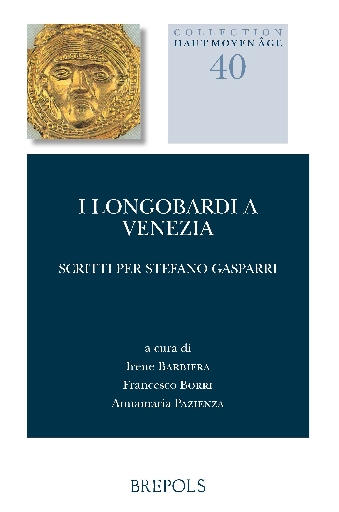
I Longobardi a Venezia
show More to view fulltext, buy and share links for:I Longobardi a Venezia show Less to hide fulltext, buy and share links for: I Longobardi a VeneziaGli scritti di Stefano Gasparri hanno contribuito in modo fondamentale allo sviluppo della medievistica in Italia ed Europa. La sua capacità di leggere le fonti con uno sguardo sempre nuovo e attento, ci ha offerto originali interpretazioni degli intricati secoli medievali. Argomenti di rilevanza internazionale, come la storia sociale, culturale e politica italiana ed europea, le origini di Venezia o le molteplici identità etniche delle gentes altomedievali, sono sempre stati affrontati con fresca criticità e avvalendosi di discipline, quali la paleografia, l’epigrafia o l’archeologia.
-
-
-
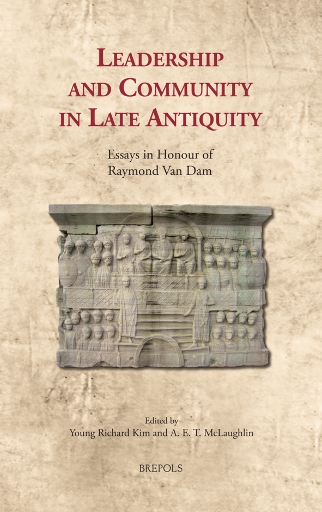
Leadership and Community in Late Antiquity
show More to view fulltext, buy and share links for:Leadership and Community in Late Antiquity show Less to hide fulltext, buy and share links for: Leadership and Community in Late AntiquityThroughout a distinguished career, Raymond Van Dam has contributed significantly to our understanding of Late Antiquity and the early Middle Ages with ground-breaking studies on Gaul, Cappadocia, and the emperor Constantine. The hallmarks of his scholarship are critical study of a wide variety of written and material sources and careful historical analysis, insightfully rooted in sociological and anthropological methodologies. The essays in this volume, written by Van Dam’s former students, colleagues, and friends, explore the dynamics between leaders and their communities in the fourth through seventh centuries. During this period, people negotiated profound religious, intellectual, and cultural change while still deeply enmeshed in the legacy of the Roman Empire. The memory of the classical past was a powerful and compelling social and political force for the denizens of Late Antiquity, even as their physical surroundings came to resemble less and less the ideals of the Greco-Roman city. These themes - leadership, community, and memory - have been central to Van Dam’s work, and the contributors to this volume build on the legacy of his scholarship. Their papers examine how leaders exercised their authority in their communities, at times exhibiting continuity with ancient patterns of leadership, but in other cases shifting toward new paradigms characteristic of a post-classical world. Taken together, the essays produce a fuller picture of the Mediterranean world and add further nuance to our understanding of Late Antiquity and early Middle Ages as a time of both continuity and transformation.
-
-
-
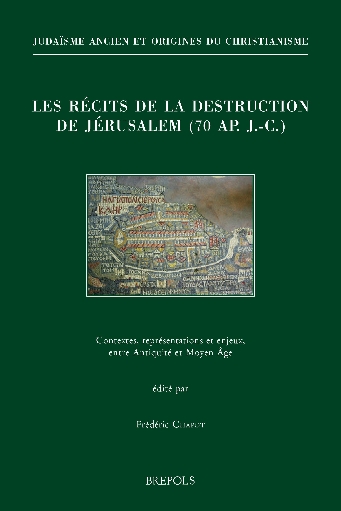
Les récits de la destruction de Jérusalem (70 ap. J.-C.) : contextes, représentations et enjeux, entre Antiquité et Moyen Âge
show More to view fulltext, buy and share links for:Les récits de la destruction de Jérusalem (70 ap. J.-C.) : contextes, représentations et enjeux, entre Antiquité et Moyen Âge show Less to hide fulltext, buy and share links for: Les récits de la destruction de Jérusalem (70 ap. J.-C.) : contextes, représentations et enjeux, entre Antiquité et Moyen ÂgeLes années 70-135 ont constitué un tournant pour le judaïsme et le christianisme mais c'est l'année 70, avec la chute de Jérusalem et la destruction du Temple, qui a joué le rôle de date symbolique de ce processus. Flavius Josèphe fit le récit des événements dans les derniers livres de sa Guerre des Juifs, et son œuvre connut un vaste retentissement, jusqu'à devenir le point de départ d'une longue tradition chrétienne.
Cet ouvrage collectif se propose d'explorer les traditions, juives et chrétiennes, du récit de la destruction de Jérusalem dans l'Antiquité et jusqu'au Haut Moyen Âge, en s'intéressant essentiellement à la perception et à la mise en récit qu'ont suscitées les événements. La démarche retenue consiste donc principalement à partir des textes, pour cerner les intentions qui ont présidé à leur rédaction, définir leur interprétation de l'événement, évaluer la portée qu'ils lui accordent. Deux volets composent cette enquête : le premier se propose de situer le récit de Flavius Josèphe dans l'histoire des « destructions » de ville et l'histoire des récits de prise de ville ; le second explore les lectures, interprétations et réécritures des événements et des sources qui les relatent.
Ce livre est le fruit d'un séminaire de recherche qui s'est tenu, pendant plusieurs années, à l'Université de Strasbourg, réunissant des chercheurs de cet établissement et d'autres universités (Evry-Val d'Essonne, Haute-Alsace, Lorraine, Tübingen).
-
-
-

Making the Profane Sacred in the Viking Age
show More to view fulltext, buy and share links for:Making the Profane Sacred in the Viking Age show Less to hide fulltext, buy and share links for: Making the Profane Sacred in the Viking AgeThe term ‘sacred’ is often used in relation to the pre-Christian religions of Iron Age and medieval Scandinavia. But what did sacred really mean? What made something sacred for people? Why was one particular person, place, act, or text perceived to hold a sacral quality, while others remained profane? And what impact did such sacrality have on wider society, culture, politics, and economics, both for contemporaries and for future generations?
This volume seeks to engage with such questions by drawing together essays from many of the pre-eminent scholars of Old Norse in order to reinterpret the concept of the sacred in the Viking Age North and to challenge pre-existing frameworks for understanding the sacred in this space and time. Including essays from Margaret Clunies Ross, Stephen Mitchell, John Lindow, and Judy Quinn, it is a treasury of commentary and information that ranges widely across theories and sources of evidence to present significant primary research and reconsiderations of existing scholarship. This edited collection is dedicated to Stefan Brink, an outstanding figure in the study of early Scandinavian language, society, and culture, and it takes as its inspiration the diversity, interdisciplinarity and vitality of his own research in order to make a major new contribution to the field of Old Norse studies.
-
-
-
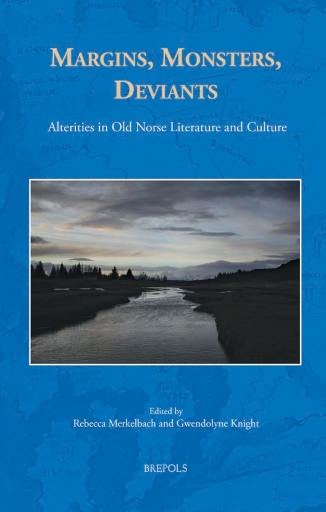
Margins, Monsters, Deviants
show More to view fulltext, buy and share links for:Margins, Monsters, Deviants show Less to hide fulltext, buy and share links for: Margins, Monsters, DeviantsMedieval Icelandic literature has often been reduced to the supposedly realist Íslendingasögur and their main protagonists at the expense of other genres and characters. Indeed, such a focus obscures and erases the importance of those beings and narratives that move on the margins of mainstream culture - whether socially, ethnically, ontologically, or textually. This volume aims to offer a new perspective on a variety of theoretical and comparative approaches to explore depictions of alterity, monstrosity, and deviation. Engaging with the interplay of genre, character, text, and culture, and exploring questions of behavioural, socio-cultural, and textual alterity, these contributions examine subjects ranging from the study of fragmented and ‘Othered’ saga narratives, to attitudes towards foreign people and lands, and alterities in mythological and legendary texts. Together the papers effectively challenge long-held perceptions about the lack of ambiguity in medieval Icelandic literature, and offer a far more nuanced understanding of the importance of the ‘Other’ in that society.
-
-
-
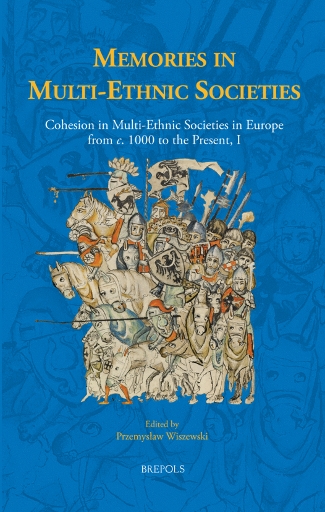
Memories in Multi-Ethnic Societies
show More to view fulltext, buy and share links for:Memories in Multi-Ethnic Societies show Less to hide fulltext, buy and share links for: Memories in Multi-Ethnic SocietiesThe three-volume project Cohesion in Multi-Ethnic Societies in Europe from c. 1000 to the Present explores and seeks to find solutions to a crucial problem facing contemporary Europe: in what circumstances can different ethnic groups co-operate for the common good? They apparently did so in the past, combining to form political societies, medieval and early modern duchies, kingdoms, and empires. But did they maintain their ethnic traditions in this process? Did they pass on elements of their cultural memory when they were not in a dominant position in a given polity?
This first volume of the project focuses on the cohesive function of memory, tradition, and identity politics in multi-ethnic societies. Featuring chapters written by authors from Southern, Central, and Eastern Europe, it presents sixteen case studies of the co-habitation or co-operation of different ethnic groups from the so-called ‘peripheries’ of medieval and early modern Europe that resulted in peaceful acculturation or the birth of a new identity on the basis of multi-ethnic political society. The volume suggests that ethnic identities were consciously accepted as one among various forms of identity that were possessed by social groups: they were rarely absolutized, and members of these groups preferred pragmatic approaches in their relations with other ethnicities.
-
-
-
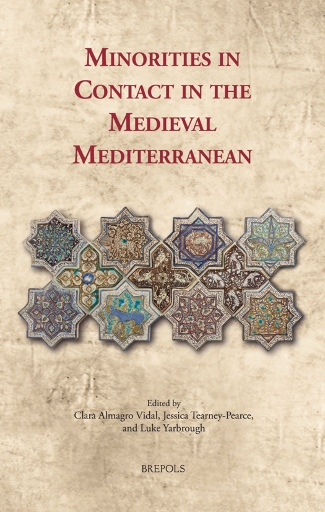
Minorities in Contact in the Medieval Mediterranean
show More to view fulltext, buy and share links for:Minorities in Contact in the Medieval Mediterranean show Less to hide fulltext, buy and share links for: Minorities in Contact in the Medieval MediterraneanWhat is a minority? How did members of minority groups in the medieval Mediterranean world interact with contemporaries belonging to other groups? In what ways did those contacts affect their social positions and identities? The essays collected in this volume approach these questions from a variety of angles, examining polemic, social norms, economic exchange, linguistic transformations, and power dynamics.
These essays recast the concept of minority - as a mutable condition rather than a fixed group designation - and explore previously-neglected collective and individual interactions between and among minorities around the medieval Mediterranean basin. Minorities are often defined as such because they were in some way excluded from access to resources or denied participation as a consequence of a group affiliation or facet of their identity. Yet, at times their distinctiveness also lay less in their exclusion than in particular ways of relating to spheres of power, whether political or moral, and in certain dissenting conceptions of the world. Through these contributions we shed light on both the continuities that such interactions displayed across intervals of space and time, and the changes that they underwent in particular locales and historical moments.
-
-
-
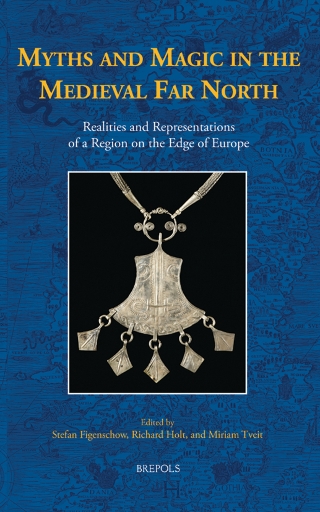
Myths and Magic in the Medieval Far North
show More to view fulltext, buy and share links for:Myths and Magic in the Medieval Far North show Less to hide fulltext, buy and share links for: Myths and Magic in the Medieval Far NorthThe history of the Far North is tinged by dark fantasies. A remote location, harsh climate, a boundless and often mountainous wasteland, complex ethnic composition, and strange ways of life: all contributed to how the edge of Europe was misunderstood by outsiders. Since ancient times, the North has been considered as a place that exuded evil: it was the end of the world, the abode of monsters and supernatural beings, of magicians and sorcerers. It was Europe’s last bastion of recalcitrant paganism. Many weird tales of the North even came from within the region itself, and when newly literate Scandinavians began to re-work their oral traditions into written form after 1100 AD, these myths of their past underlay newer legends and stories serving to support the development to Christian national monarchies.
The essays in this volume engage closely with these stories, questioning how and why such traditions developed, and exploring their meaning. Through this approach, the volume also examines how historiographical traditions were shaped by authors pursuing agendas of nation-building and Christianization, at the same time that myths surrounding and originating among the multi-ethnic populations of the Far North continued to dominate the perception of the region and its people, and to define their place in Norwegian medieval history.
-
-
-
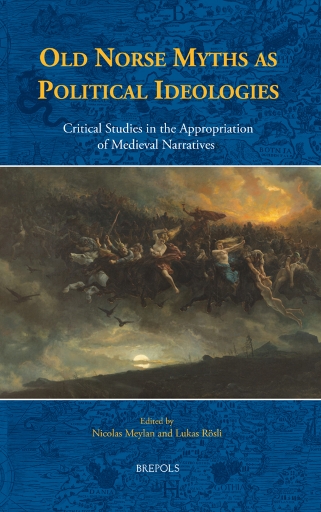
Old Norse Myths as Political Ideologies
show More to view fulltext, buy and share links for:Old Norse Myths as Political Ideologies show Less to hide fulltext, buy and share links for: Old Norse Myths as Political IdeologiesThe mythology of the Norse world has long been a source of fascination, from the first written texts of thirteenth-century Iceland up to the modern period. Most studies, however, have focused on the content of the narratives themselves, rather than the broader political contexts in which these myths have been explored. This volume offers a timely corrective to this broader trend by offering one of the first in-depth examinations of the political uses of Norse mythology within specific historical contexts. Tracing the changing interests and usages of Norse myths from the medieval period, via the nineteenth century and the importance of ancient Norse beliefs to both the Romantic and völkisch movements, up to the co-option of mythology and symbolism by political groups across the twentieth and early twenty-first centuries, the papers gathered here offer new and critical insights into the changing nature of historiography and the political agendas that Old Norse myths are made to serve, as well as shedding new light on the way in which ‘myths’ are conceptualized.
-
-
-
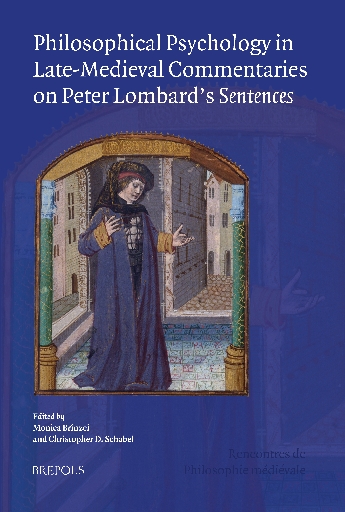
Philosophical Psychology in Late-Medieval Commentaries on Peter Lombard’s Sentences
show More to view fulltext, buy and share links for:Philosophical Psychology in Late-Medieval Commentaries on Peter Lombard’s Sentences show Less to hide fulltext, buy and share links for: Philosophical Psychology in Late-Medieval Commentaries on Peter Lombard’s SentencesThe proceedings of the SIEPM Colloquium at Nijmegen published in this volume bring together new evidence for how the corpus of late-medieval commentaries on the Sentences, especially from the second half of the fourteenth century, contributed to the development of philosophical psychology within the discipline of theology. The relation among the faculties of the soul, the limits of knowledge, hylomorphism and the union of soul and body, intuitive and abstractive cognition, the immortality of the soul, the experience of the beatific vision, divine foreknowledge and the knowability of species are some of the topics involving psychological issues that are examined in this volume. The wealth of new information presented in this volume results from the interpretation of previously unexplored sources. The essays in this volume demonstrate that the various parts and Books of Peter Lombard’s Sentences,the standard textbook of theology in the Middle Ages, provided lecturers and commentators with a variety of loci for the discussion of philosophical topics, from the principia (Denys of Montina), the Prologue (Alfonsus Vargas of Toledo, Hugolino of Orvieto, John Regis, Francis Toti of Perugia), Book I (Gregory of Rimini, John of Mirecourt, Pierre Ceffons, Hugolino of Orvieto, Pierre d’Ailly, Peter of Candia, the Vienna Group, John Capreolus, Henry of Gorkum, Denys the Carthusian), Book II (Pierre Ceffons, Peter of Candia, Guillaume de Vaurouillon, Gabriel Biel, Denys the Carthusian), and Book III (Heymericus de Campo). This diversity, within large works on theology conceived broadly, constitutes a tradition parallel to that found in commentaries on Aristotle’s De anima in the late Middle Ages.
-
-
-
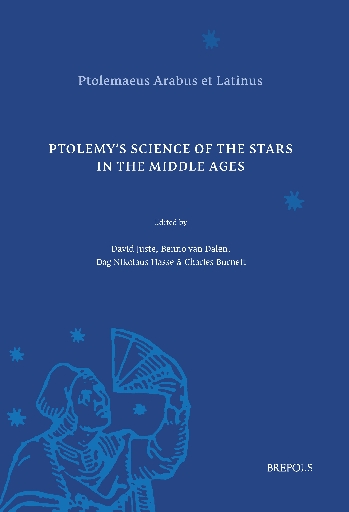
Ptolemy’s Science of the Stars in the Middle Ages
show More to view fulltext, buy and share links for:Ptolemy’s Science of the Stars in the Middle Ages show Less to hide fulltext, buy and share links for: Ptolemy’s Science of the Stars in the Middle AgesClaudius Ptolemy (c. 100-170 ad) is one of the most influential scholars of all time. While he is also the author of treatises on geography, optics and harmonics, his fame primarily stems from two works on the science of the stars, dealing with mathematical astronomy (the Almagest) and astrology (the Tetrabiblos). The Almagest and the Tetrabiblos remained the fundamental texts on the science of the stars for some 1500 years. Both were translated several times into Arabic and Latin and were heavily commented upon, glossed, discussed, and also criticised and improved upon, in the Islamic world and in Christian Europe. Yet, the reception of Ptolemy in medieval cultures is still to a large extent a terra incognita of the history of science. The Arabic and Latin versions of the Almagest and the Tetrabiblos are for the most part unavailable in modern editions, their manuscripts remain largely unexplored and, generally speaking, their history has never been systematically investigated.
This volume gathers together fifteen contributions dealing with various aspects of the reception of Ptolemy’s astronomy and astrology in the Islamic world and in Christian Europe up to the seventeenth century. Contributions are by José Bellver, Jean-Patrice Boudet, Josep Casulleras, Bojidar Dimitrov, Dirk Grupe, Paul Hullmeine, Alexander Jones, Richard L. Kremer, Y. Tzvi Langermann, H. Darrel Rutkin, Michael H. Shank, Nathan Sidoli, Carlos Steel, Johannes Thomann and Henry Zepeda.
-
-
-
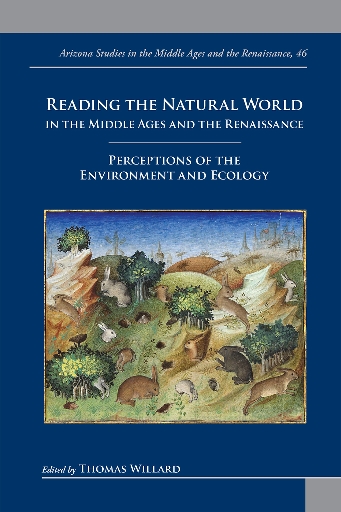
Reading the Natural World in the Middle Ages and the Renaissance
show More to view fulltext, buy and share links for:Reading the Natural World in the Middle Ages and the Renaissance show Less to hide fulltext, buy and share links for: Reading the Natural World in the Middle Ages and the RenaissanceThe environment - together with ecology and other aspects of the way people see their world - has become a major focus of pre-modern studies. The thirteen contributions in this volume discuss topics across the millennium in Europe from the late 600s to the early 1600s. They introduce applications to older texts, art works, and ideas made possible by relatively new fields of discourse such as animal studies, ecotheology, and Material Engagement Theory. From studies of medieval land charters and epics to the canticles sung in churches, the encyclopedic natural histories compiled for the learned, the hunting parks described and illustrated for the aristocracy, chronicles from the New World, classical paintings from the Old World, and the plays of Shakespeare, the authors engage with the human responses to nature in times when it touched their lives more intimately than it does for people today, even though this contact raised concerns that are still very much alive today.
-
-
-
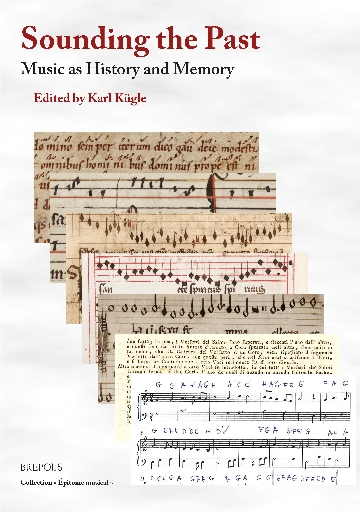
Sounding the Past
show More to view fulltext, buy and share links for:Sounding the Past show Less to hide fulltext, buy and share links for: Sounding the PastThis volume offers the first systematic exploration of the past as manifested in music of the later Middle Ages and the early modern period. It takes the reader on a journey of discovery across the continent, from the genesis of a new sense of a musical past in early thirteenth-century Paris to the complex and diverse roles and pedigrees given music of the past in sources, media, genres, communities, and regions in the Age of Reformations. Particular attention is given to the use of older styles and musical traditions in changing constructions of religious and political identity, laying the groundwork for a revised narrative of European music history that accommodates within its framework the full plurality of styles and regions found in the sources. The volume concludes with reflections on the conflicting appropriations and effects of the musical past today in composition, performance, musicological discourse, and tourism.
-
-
-

The Chronicles of Medieval Wales and the March
show More to view fulltext, buy and share links for:The Chronicles of Medieval Wales and the March show Less to hide fulltext, buy and share links for: The Chronicles of Medieval Wales and the MarchThe chronicles of medieval Wales are a rich body of source material offering an array of perspectives on historical developments in Wales and beyond. Preserving unique records of events from the fifth to the fifteenth centuries, these chronicles form the essential narrative backbone of all modern accounts of medieval Welsh history. Most celebrated of all are the chronicles belonging to the Annales Cambriae and Brut y Tywysogyon families, which document the tumultuous struggles between the Welsh princes and their Norman and English neighbours for control over Wales.
Building on foundational studies of these chronicles by J. E. Lloyd, Thomas Jones, Kathleen Hughes, and others, this book seeks to enhance understanding of the texts by refining and complicating the ways in which they should be read as deliberate literary and historical productions. The studies in this volume make significant advances in this direction through fresh analyses of well-known texts, as well as through full studies, editions, and translations of five chronicles that had hitherto escaped notice.
-
-
-
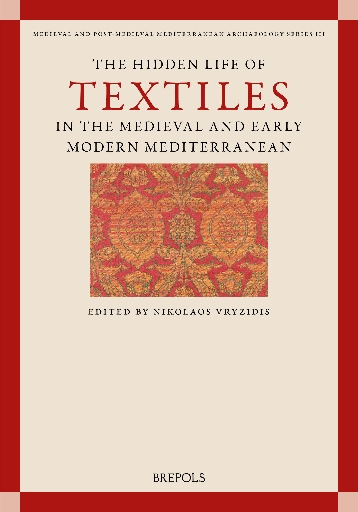
The Hidden Life of Textiles in the Medieval and Early Modern Mediterranean
show More to view fulltext, buy and share links for:The Hidden Life of Textiles in the Medieval and Early Modern Mediterranean show Less to hide fulltext, buy and share links for: The Hidden Life of Textiles in the Medieval and Early Modern MediterraneanThe book contains published papers of the conference 'Textiles & Identity in the Medieval and Early Modern Mediterranean: Paradigms of Contexts and Cross-Cultural Exchanges' of the British School at Athens held at the (Benaki) Museum of Islamic Art in 2016, as well as some new contributions.
The focus in this wide-ranging collection of studies by key scholars in the field is on textiles and their functions in various Mediterranean contexts (and beyond) during medieval and post-medieval times (ca. 10th-19th c.). The scope of the contributions encompasses archaeological, anthropological and art historical perspectives on a great variety of subjects, such as textiles from the Byzantine Empire and the Medieval Islamic World (e.g. Spain, Mamluk Egypt, Seljuk Anatolia), as well as the production and use of textiles in Italy, the Ottoman Empire, Armenia and Ethiopia. The volume offers a state-of-the-art of an often still hardly known area of study of textiles as historical and cultural sources of information, which makes it essential reading for scholars and a larger audience alike.
The book includes contributions by Laura Rodríguez Peinado, Ana Cabrera-Lafuente, Avinoam Shalem, Scott Redford, Maria Sardi, Vera-Simone Schulz, Nikolaos Vryzidis, Marielle Martiniani-Reber, Elena Papastavrou, Jacopo Gnisci and Dickran Kouymjian.
-
-
-
The Notion of Liminality and the Medieval Sacred Space
show More to view fulltext, buy and share links for:The Notion of Liminality and the Medieval Sacred Space show Less to hide fulltext, buy and share links for: The Notion of Liminality and the Medieval Sacred SpaceThe thematic frame of this issue is the anthropological notion of liminality, applied both to physical as well as imaginary places of transition in medieval art. The volume is thus dedicated to the phenomenon of the limen, the threshold in medieval culture, understood mainly as a spatial, ritual and temporal category. The structure of the book follows the virtual path of any medieval visitor entering the sacred space. While doing so, the visitor encountered and eventually crossed several "liminal zones" that have been constructed around a series of physical and mental thresholds. In order to truly access the sacred - once again both physically and metaphorically - many transitional (micro)rituals were required and were therefore given particular attention within this volume. The volume was published as proceedings of the Liminality and Medieval Art II conference, which was held in October 2018 at the Masaryk University in Brno. Authors were supposed to conceive their contributions in pairs in order to reflect on the selected topics with an interdisciplinary approach. In the end, the very same pattern was also maintained for the final publication.
-
-
-
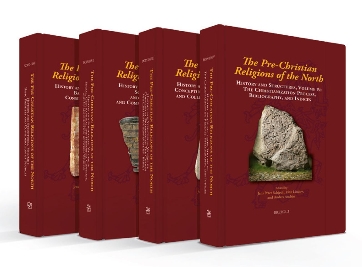
The Pre-Christian Religions of the North: History and Structures
show More to view fulltext, buy and share links for:The Pre-Christian Religions of the North: History and Structures show Less to hide fulltext, buy and share links for: The Pre-Christian Religions of the North: History and StructuresThe product of an international interdisciplinary team, the History and Structures strand of the Pre-Christian Religion of the North series aims to approach the subject by giving equal weight to archaeological and textual sources, taking into consideration recent theories on religion within all the disciplines that are needed in order to gain a comprehensive view of the religious history and world view of pre-Christian Scandinavia from the perspective of the beginning of the twenty-first century. Volume I presents the basic premises of the study and a consideration of the sources: memory and oral tradition, written sources, religious vocabulary, place names and personal names, archaeology, and images. Volume II treats the social, geographical, and historical contexts in which the religion was practiced and through which it can be understood. This volume also includes communication between worlds, primarily through various ritual structures. Volume III explores conceptual frameworks: the cosmos and collective supernatural beings (notions regarding the cosmos and regarding such collective supernatural beings as the norns, valkyries, giants, and dwarfs) and also gods and goddesses (including Þórr, Óðinn, Freyr, Freyja, and many others). Volume IV describes the process of Christianization in the Nordic region and also includes a bibliography and indices for the entire four-volume work.
-
-
-

Transferts culturels franco-italiens au Moyen Âge – Trasferimenti culturali italo francesi
show More to view fulltext, buy and share links for:Transferts culturels franco-italiens au Moyen Âge – Trasferimenti culturali italo francesi show Less to hide fulltext, buy and share links for: Transferts culturels franco-italiens au Moyen Âge – Trasferimenti culturali italo francesiLa Società italiana di Filologia romanza, la Société de langues et littératures médiévales d’oc et d’oïl et la Société de Linguistique romane ont décidé d’organiser conjointement un colloque consacré au thème des « transferts culturels franco-italiens au Moyen Âge ». Le thème des transferts culturels, choisi par les trois sociétés, est apparu comme le meilleur moyen d’étudier ce qui à la fois rapproche et sépare ces deux espaces centraux de la Romania.
Le colloque a permis de contribuer au renouvellement des études comparatistes dans le domaine des lettres médiévales, favorisant une meilleure communication entre les spécialistes de la civilisation littéraire du Moyen Âge. La structuration des trois journées en cinq séances principales et deux tables rondes a également permis de réfléchir à ce sujet selon cinq approches complémentaires qui entendent tenir compte de l’ensemble des mouvements qui mettent en relation et en tension les lettres gallo-romanes et le volgare tout au long du Moyen Âge vernaculaire.
-
-
-
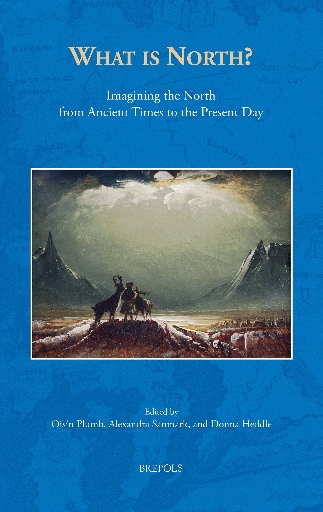
What is North?
show More to view fulltext, buy and share links for:What is North? show Less to hide fulltext, buy and share links for: What is North?The British Isles, Scandinavia, Iceland, Greenland, and Eastern Canada, alongside many small islands, form a broken bridge across the northern extremities of the Atlantic Ocean. This ‘North Atlantic World’ is a heterogeneous but culturally intertwined area, ideally suited to the fostering of an interest in all things northern by its people. For the storytellers and writers of the past, each more northerly land was far enough away that it could seem fabulous and even otherworldly, while still being just close enough for myths and travellers’ tales to accrue. This book charts attitudes to the North in the North Atlantic World from the time of the earliest extant sources until the present day. The varied papers within consider a number of key questions which have arisen repeatedly over the centuries: ‘where is the North located?’, ‘what are its characteristics?’, and ‘who, or what lives there?’. They do so from many angles, considering numerous locations and an immense span of time. All are united by their engagement with the North Atlantic World’s relationship with the North.
-
-
-
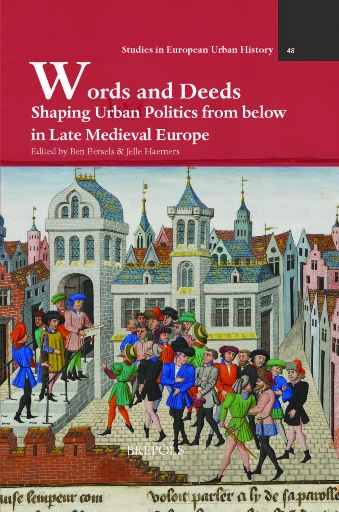
Words and Deeds
show More to view fulltext, buy and share links for:Words and Deeds show Less to hide fulltext, buy and share links for: Words and DeedsThis book focuses on the city and urban politics, because historically towns have been an interesting laboratory for the creation and development of political ideas and practices, as they are also today. The contributions in this volume shed light on why, how and when citizens participated in the urban political process in late medieval Europe (c. 1300-1500). In other words, this book reconsiders the involvement of urban commoners in political matters by studying their claims and wishes, their methods of expression and their discursive and ideological strategies. It shows that, in order to garner support for and establish the parameters of the most important urban policies, medieval urban governments engaged regularly in dialogue with their citizens. While the degree of citizens’ active involvement differed from region to region and even from one town to the next, political participation never remained restricted to voting for representatives at set times. This book therefore demonstrates that the making of politics was not the sole prerogative of the government; it was always, to some extent, a bottom-up process as well.
-
-
-
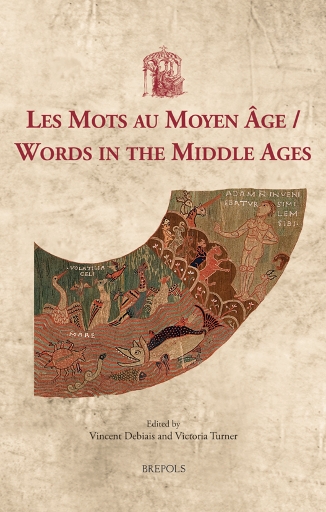
Words in the Middle Ages / Les Mots au Moyen Âge
show More to view fulltext, buy and share links for:Words in the Middle Ages / Les Mots au Moyen Âge show Less to hide fulltext, buy and share links for: Words in the Middle Ages / Les Mots au Moyen ÂgeThis collection of essays is a return to words of the Middle Ages in and of themselves, uniting philologists, historians, epigraphers, palaeographers, and art historians. It probes the intellectual, technical, and aesthetic principles that underpin their use and social function in medieval graphical practices, from epigraphy and inscriptions, to poetics, ‘mots’, and ‘paroles’. By analysing the material and symbolic properties of a particular medium, the conditions in which texts become signs, and scribal expertise, the contributors address questions that initially seem simple yet which define the very foundations of medieval written culture. What is a word? What are its components? How does it appear in a given medium? What is the relationship between word and text, word and letter, word and medium, word and reader? In a Middle Ages forever torn between economic and extravagant language, this volume traces the status of the medieval word from ontology to usage, encompassing its visual, acoustic, linguistic, and extralinguistic forms.
-