Brepols Online Books Medieval Miscellanea Collection 2021 - bob2021mime

Collection Contents
47 results
-
-
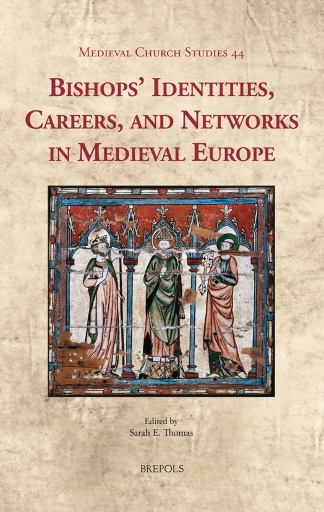
Bishops’ Identities, Careers, and Networks in Medieval Europe
show More to view fulltext, buy and share links for:Bishops’ Identities, Careers, and Networks in Medieval Europe show Less to hide fulltext, buy and share links for: Bishops’ Identities, Careers, and Networks in Medieval EuropeBishops were powerful individuals who had considerable spiritual, economic, and political power. They were not just religious leaders; they were important men who served kings and lords as advisers and even diplomats. They also controlled large territories and had significant incomes and people at their command. The nature of the international Church also meant that they travelled and had connections well beyond their home countries, were players on an increasingly international stage, and were key conduits for the transfer of ideas.
This volume examines the identities and networks of bishops in medieval Europe. The fifteen papers explore how senior clerics attained their bishoprics through their familial, social, and educational networks, their career paths, relationships with secular lords, and the papacy. It brings together research on bishops in central, southern, and northern Europe, by early career and established scholars. The first part features five case-studies of individual bishops’ identities, careers, and networks. Then we turn to examine contact with the papacy and its role in three regions: northern Italy, the archbishopric of Split, and Sweden. Part III focuses on five main issues: royal patronage, reforming bishops, nepotism, social mobility, and public assemblies. Finally Part IV explores how episcopal networks in Poland, Sigüenza, and the Nidaros church province helped candidates achieve promotion. These contributions will thus enhance of our understanding of how bishops fit into the religious, political, social, and cultural fabrics of medieval Europe.
-
-
-
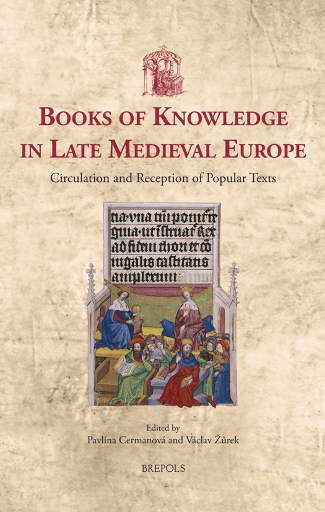
Books of Knowledge in Late Medieval Europe
show More to view fulltext, buy and share links for:Books of Knowledge in Late Medieval Europe show Less to hide fulltext, buy and share links for: Books of Knowledge in Late Medieval EuropeThis book provides a series of studies concerning unique medieval texts that can be defined as ‘books of knowledge’, such as medieval chronicles, bestiaries, or catechetic handbooks. Thus far, scholarship of intellectual history has focused on concepts of knowledge to describe a specific community, or to delimit intellectuals in society. However, the specific textual tool for the transmission of knowledge has been missing. Besides oral tradition, books and other written texts were the only sources of knowledge, and they were thus invaluable in efforts to receive or transfer knowledge. That is one reason why texts that proclaim to introduce a specific field of expertise or promise to present a summary of wisdom were so popular. These texts discussed cosmology, theology, philosophy, the natural sciences, history, and other fields. They often did so in an accessible way to maintain the potential to also attract a non-specialised public. The basic form was usually a narrative, chronologically or thematically structured, and clearly ordered to appeal to readers. Books of this kind could be disseminated in dozens or even hundreds of copies, and were often available (by translation or adaptation) in various languages, including the vernacular.
In exploring these widely-disseminated and highly popular texts that offered a precise segment of knowledge that could be accessed by readers outside the intellectual and social elite, this volume intends to introduce books of knowledge as a new category within the study of medieval literacy.
-
-
-
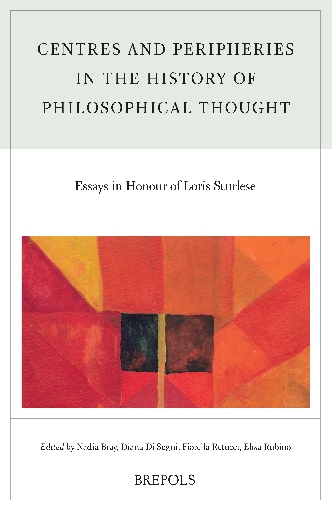
Centres and Peripheries in the History of Philosophical Thought / Centri e periferie nella storia del pensiero filosofico
show More to view fulltext, buy and share links for:Centres and Peripheries in the History of Philosophical Thought / Centri e periferie nella storia del pensiero filosofico show Less to hide fulltext, buy and share links for: Centres and Peripheries in the History of Philosophical Thought / Centri e periferie nella storia del pensiero filosoficoThis volume is an homage to the great intellectual contribution made by Loris Sturlese to the field of history of medieval philosophy. Its point of departure lies in a methodological line, which Sturlese has maintained throughout his whole academic career: the importance in the historical and conceptual reconstruction of medieval philosophical thought of focusing not only on the classical, most famous centers of knowledge production and transmission, but also on the often-neglected peripheries, which during the Middle Ages were increasingly more relevant in propelling the circulation of texts and ideas. In this volume, the notions of ‘center’ and ‘periphery’ are not understood in a merely geographical sense, but also in conceptual, linguistic, historical and literary terms. The richness of this approach is demonstrated by the broad spectrum of the contributions, which range from Islamic philosophy to Italian Renaissance, including the reception of ancient philosophy and of Arabic scientific works in the Latin world, and up to eighteenth-century French geography. Special attention is devoted to the philosophical thought developed in the German area. The volume does not lack in giving space to important medieval figures, such as Dante, as well as to more general philosophical notions, such as the concept of rationality.
The volume explores connections, ruptures, relations and affinities through the analysis of paradigmatic figures, places and topics within the micro- and macro-histories of philosophy.
-
-
-
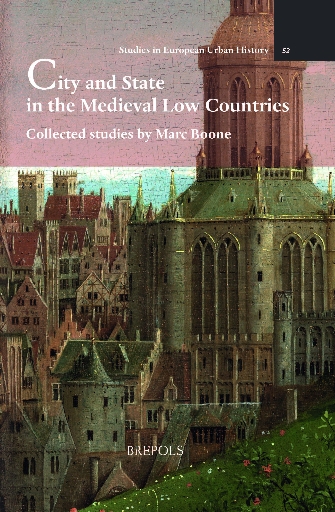
City and State in the Medieval Low Countries
show More to view fulltext, buy and share links for:City and State in the Medieval Low Countries show Less to hide fulltext, buy and share links for: City and State in the Medieval Low CountriesThe oeuvre of Marc Boone (Ghent, 1955) has become standard reading for specialists of medieval European towns and cities, as well as for those interested in the history of state building - most notably that of the Burgundian polity. Honoring Ghent University’s venerable tradition of medieval studies begun by Henri Pirenne and building upon the work of his Doktorvater Walter Prevenier, Marc Boone also investigated taxation and the history of government spending, popular protest, and the persecution of “deviant” sexuality. Over the course of his rich career, he served as president of the European Association of Urban History and as dean of the Faculty of Arts and Philosophy of Ghent University. For more than twenty years, he taught the introductory course on historical criticism to every first-year student of the faculty, and thus had a major impact on the pensée critique of generations of young minds. Upon the occasion of his retirement in 2021, his former students have compiled this collection of some of his best historical essays, half of which have been translated from French and Dutch into English.
-
-
-
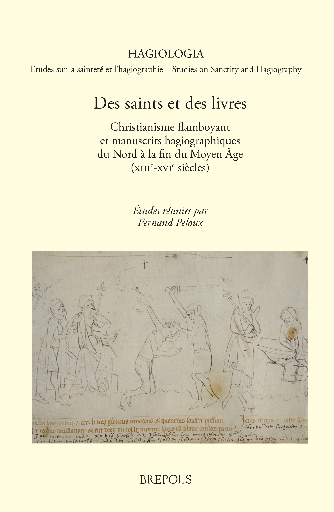
Des saints et des livres
show More to view fulltext, buy and share links for:Des saints et des livres show Less to hide fulltext, buy and share links for: Des saints et des livresÀ la fin du Moyen Âge, la production hagiographique manuscrite se transforme et connaît son dernier âge d’or entre le succès éditorial de la Légende dorée et l’arrivée de l’imprimerie. De nombreux textes anciens sont abrégés pour intégrer de nouvelles collections. Ce phénomène est en partie responsable du relatif désintérêt des historiens à leur égard : à quoi bon s’intéresser à ces abrégés alors qu’il reste tant à découvrir dans les grands légendiers du Moyen Âge central, et qu’on commence à peine à mieux connaître les tout premiers manuscrits conservés ? L’objectif de ce livre est de mieux saisir la fonction sociale du manuscrit hagiographique, à une période, celle du « christianisme flamboyant », caractérisée par l’accumulation et la multiplication des dévotions. En se focalisant sur les Pays-Bas méridionaux et une large France septentrionale, une région traversée par la devotio moderna et d’intenses dynamiques religieuses, son objectif est aussi de comprendre ensemble les légendiers latins et vernaculaires, en moyen néerlandais comme dans les parlers d’oïl. Il s’agit de saisir les conditions matérielles de la circulation des textes hagiographiques, mais aussi l’usage de ces manuscrits, dans le cadre de la pastorale et des pratiques cultuelles collectives comme dans celui de l’affirmation de l’individu à la fin du Moyen Âge.
-
-
-
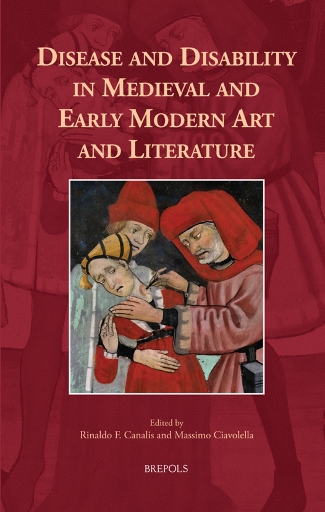
Disease and Disability in Medieval and Early Modern Art and Literature
show More to view fulltext, buy and share links for:Disease and Disability in Medieval and Early Modern Art and Literature show Less to hide fulltext, buy and share links for: Disease and Disability in Medieval and Early Modern Art and LiteratureHumanity has always shown a keen interest in the pathological, ranging from a morbid fascination with ‘monsters’ and deformities to a genuine compassion for the ill and suffering. Medieval and early modern people were no exception, expressing their emotional response to disease in both literary works and, to a somewhat lesser extent, in the plastic arts. Consequently, it becomes necessary to ask what motivated writers and artists to choose an illness or a disability and its physical and social consequences as subjects of aesthetic or intellectual expression. Were these works the result of an intrusion in their intent to faithfully reproduce nature, or do they reflect an intentional contrast against the pre-modern portrayal of spiritual ideals and, later, through the influence of the classics, the rediscovered importance and beauty of the human body?
The essays contained in this volume address these questions, albeit not always directly but, rather, through an analysis of the societal reactions to the threats and challenges that essentially unopposed disease and physical impairment presented. They cover a wide range of responses, variable, of course, according to the period under scrutiny, its technological moment, and the usually fruitless attempts at treatment.
-
-
-
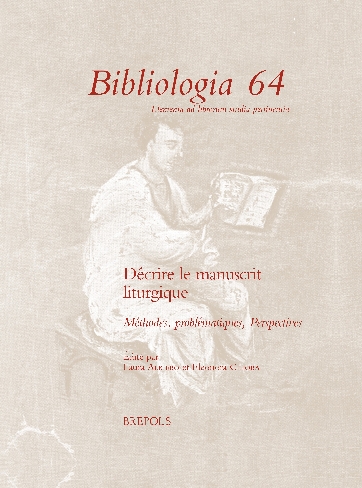
Décrire le manuscrit liturgique
show More to view fulltext, buy and share links for:Décrire le manuscrit liturgique show Less to hide fulltext, buy and share links for: Décrire le manuscrit liturgiqueObjet complexe en raison de sa nature à la fois normative et ‘documentaire’, le livre liturgique offre une diversité de formes qui rend parfois son classement malaisé. Les différents livres destinés au culte sont à considérer non seulement en fonction des textes qu’ils contiennent, mais aussi quant à la manière dont les textes sont organisés, voire présentés, aux aspects codicologiques et surtout aux raisons pour lesquelles ils ont été copiés, à savoir les circonstances liturgiques, le lieu et / ou le destinataire ultime. Malgré cette approche analytique déjà expérimentée, il faut constater une difficulté considérable, de la part des chercheurs et conservateurs de bibliothèques, à comprendre les manuscrits liturgiques et à en donner une description efficace. Ces aspects ont fait l’objet de deux journées d’étude qui se sont tenues à Paris, l’une en 2014 (« Aspiciens a longe. Sources et transmission des livres liturgiques. Répertoires, éditions et catalogues ») et l’autre en 2019 (« La description du manuscrit liturgique. Hommage à Victor Leroquais », destinataire de la dotation Hermans). Le présent volume regroupe une grande partie des communications, qui offrent des approches différentes et s’avèrent être d’une importance fondamentale pour la compréhension de ce type de sources.
-
-
-
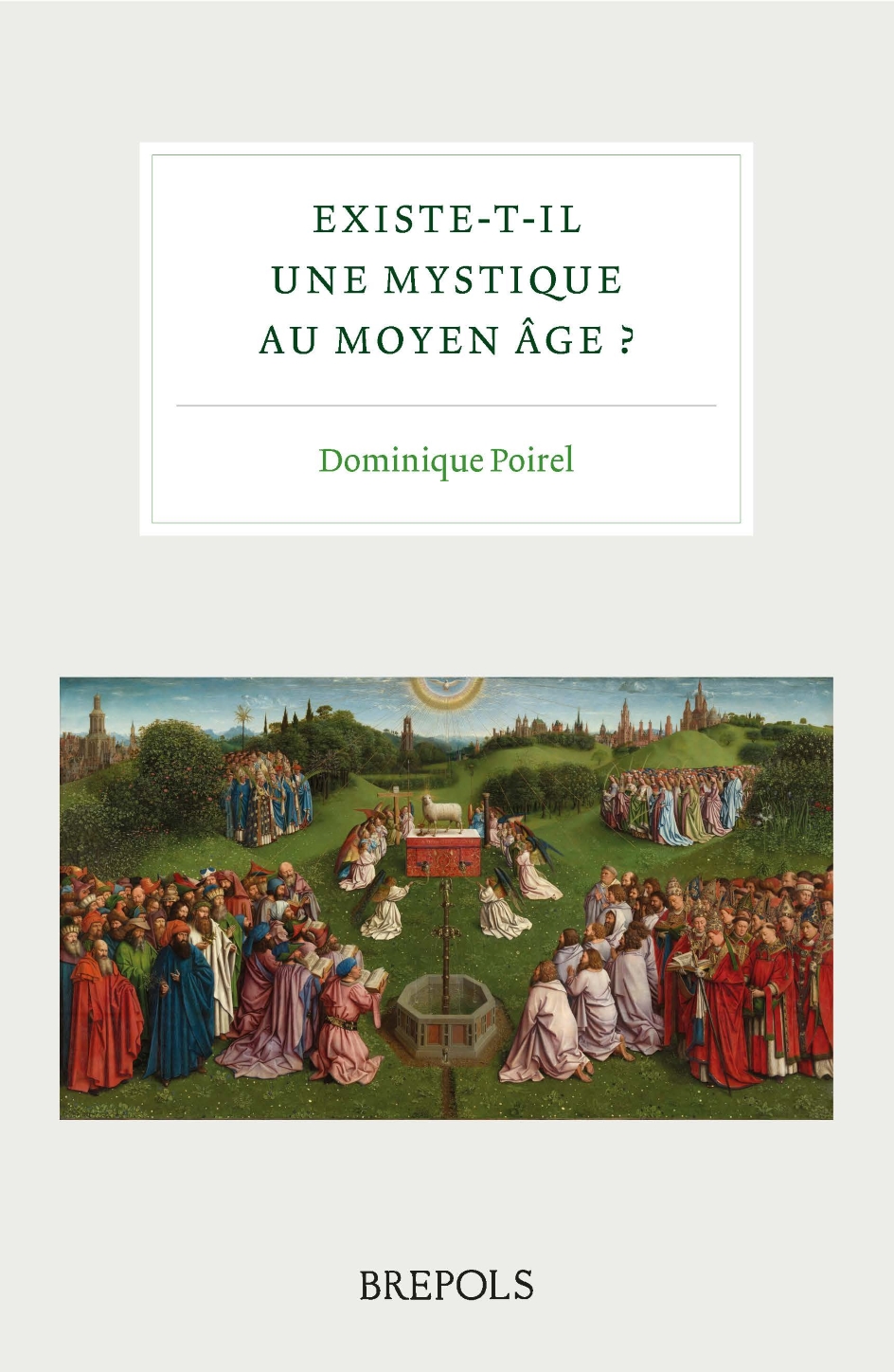
Existe-t-il une mystique au Moyen Âge ?
show More to view fulltext, buy and share links for:Existe-t-il une mystique au Moyen Âge ? show Less to hide fulltext, buy and share links for: Existe-t-il une mystique au Moyen Âge ?Si la notion de mystique semble aller de soi pour le Moyen Âge, ce semble être par suite d’un malentendu. Car si l’historiographie du xixe siècle flétrissait volontiers de ce mot ce qui, dans la littérature médiévale, lui semblait mièvre, irrationnel ou extravagant, les auteurs médiévaux se servent quant à eux de l’adjectif “mystique” pour désigner bien autre chose : une certaine manière d’interpréter les Écritures (sens mystique), une façon de discourir sur Dieu (théologie mystique), une appartenance à la même Église (corps mystique). Il convient donc de revenir aux textes, en leur posant ces questions. Quand le mot “mystique” est-il employé dans des œuvres médiévales, et que veut-il dire ? À l’inverse, dans les œuvres dites aujourd’hui “mystiques”, comment ce qui relève de cette catégorie est-il nommé, défini, compris par les auteurs eux-mêmes ? Est-il pertinent d’enclore dans un même genre des textes aussi divers que les visions, la littérature de dévotion, les analyses de la contemplation, les itinéraires de l’âme vers Dieu, la Théologie mystique du pseudo-Denys ? De la fin de l’époque patristique aux début de la Renaissance, le sens du mot “mystique” est-il resté stable, ou bien a-t-il évolué ? Au fond, peut-on dire que la notion moderne de mystique a son origine dans les temps médiévaux ?
-
-
-
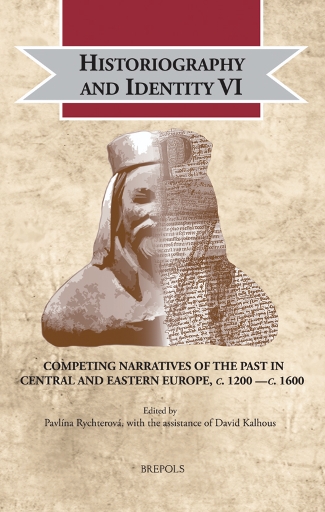
Historiography and Identity VI: Competing Narratives of the Past in Central and Eastern Europe, c. 1200 —c. 1600
show More to view fulltext, buy and share links for:Historiography and Identity VI: Competing Narratives of the Past in Central and Eastern Europe, c. 1200 —c. 1600 show Less to hide fulltext, buy and share links for: Historiography and Identity VI: Competing Narratives of the Past in Central and Eastern Europe, c. 1200 —c. 1600The volume discusses Central European and Eastern Central European historiographies of the High and Late Middle Ages. It deals with histories written in a time which brought about a profound differentiation of medieval societies in these regions. As new social classes achieved economic and political power, the demand for reassuring identifications grew more pressing. Narratives of the past were tailored specifically for distinct social groups, often using vernacular languages instead of the universal language of elite education, Latin.
The volume pays attention to the interplay between languages and focuses on the strategies that individual works developed in order to balance the many alternative modes of identification. Filling a significant scholarly gap, the volume offers important insights into narratives of identification written in Latin and in the various vernaculars emerging as the new political languages of the period.
-
-
-

Historiography and Identity IV
show More to view fulltext, buy and share links for:Historiography and Identity IV show Less to hide fulltext, buy and share links for: Historiography and Identity IVHistorical writing has shaped identities in various ways and to different extents. This volume explores this multiplicity by looking at case studies from Europe, Byzantium, the Islamic World, and China around the turn of the first millennium. The chapters in this volume address official histories and polemical critique, traditional genres and experimental forms, ancient traditions and emerging territories, empires and barbarians. The authors do not take the identities highlighted in the texts for granted, but examine the complex strategies of identification that they employ. This volume thus explores how historiographical works in diverse contexts construct and shape identities, as well as legitimate political claims and communicate ‘visions of community’.
-
-
-
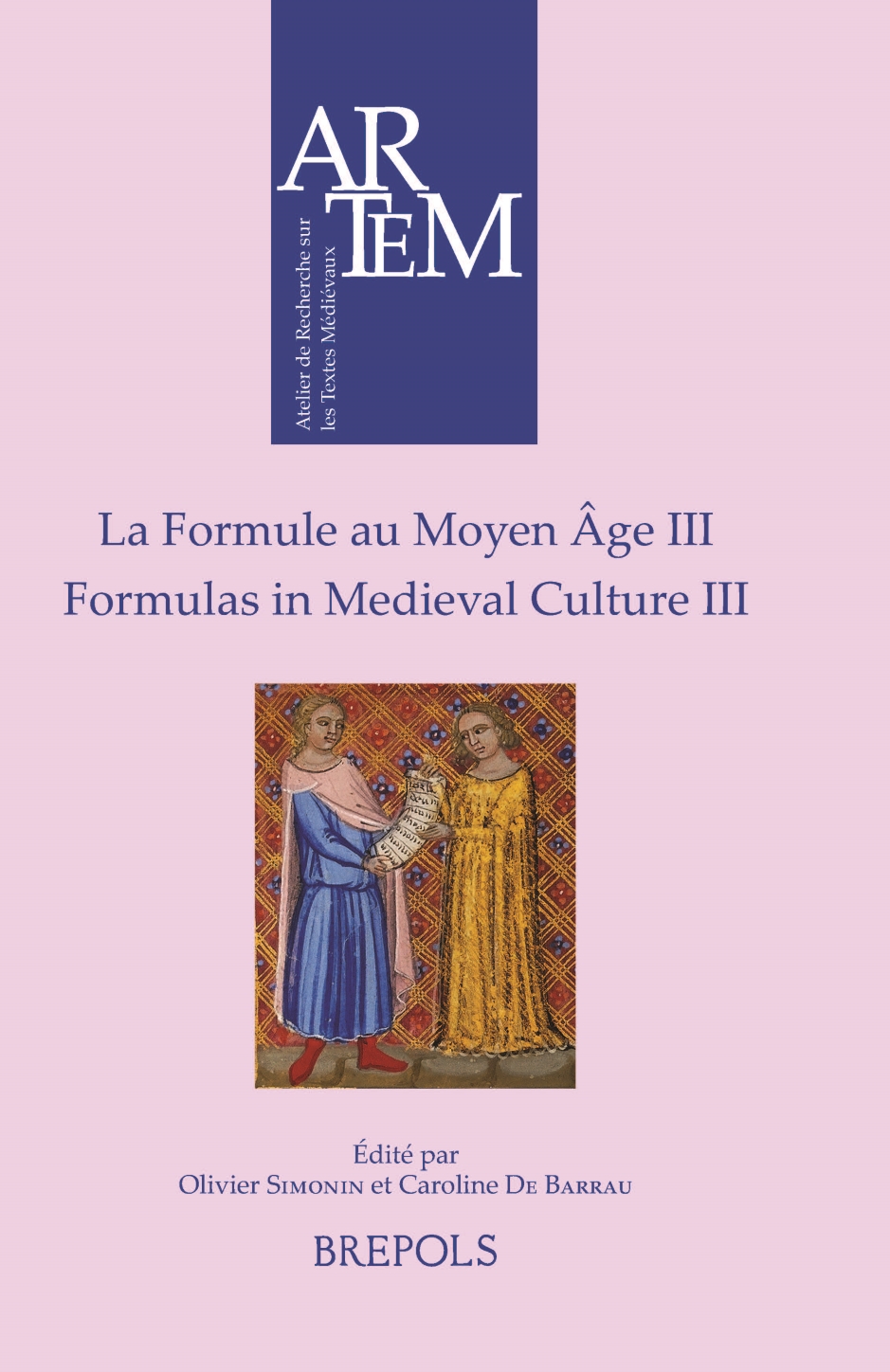
La Formule au Moyen Âge
show More to view fulltext, buy and share links for:La Formule au Moyen Âge show Less to hide fulltext, buy and share links for: La Formule au Moyen ÂgeLes modes de pensée et de représentation médiévaux sont profondément marqués par l'usage de reprises et de régularités attendus et reconnaissables, qui sont sources de tensions productives entre expression individuelle et normes collectives, changement et continuité, création et convention. De façon très générale, toute formule se caractérise par un figement ou une régularité plus ou moins marquée laissant la place, en creux, à l'innovation. La définition de la formule se décline différemment en fonction de la discipline considérée, et cet ouvrage propose une réflexion interdisciplinaire sur ses différentes acceptions et sur les recoupements que l’on peut observer entre elles. En outre, un échange entre plusieurs intervenants, poursuivant une discussion sous forme de table ronde à l’occasion du colloque international organisé à Perpignan en 2014, vient clore le volume et propose un premier aperçu synthétique de l’emploi de la notion pour les différentes disciplines concernées : codicologie, diplomatique, épigraphie, histoire, histoire de l’art, littérature, linguistique, musicologie.
Ce travail sera prolongé par de futures publications dans la même collection, dans l’espoir que l’effort de clarification voulu permettra à d’autres d’explorer encore plus avant la notion de formule et de continuer à attester de sa fécondité pour les études médiévales.
-
-
-
Latin Anonymous Sermons from Late Antiquity and the Early Middle Ages (ad 300-800)
show More to view fulltext, buy and share links for:Latin Anonymous Sermons from Late Antiquity and the Early Middle Ages (ad 300-800) show Less to hide fulltext, buy and share links for: Latin Anonymous Sermons from Late Antiquity and the Early Middle Ages (ad 300-800)This volume contains the proceedings of the international conference on anonymous sermons, funded by the F.R.S.-FNRS and held on 16 May 2019 at the Université de Namur (Belgium), within the Faculty of Philosophy and Letters and the research centre Pratiques Médiévales de l’Écrit (PraME). It brings together scholars working on late antique and early medieval Latin preaching, and follows on previous volumes on Augustine and African sermons published in the Ministerium Sermonis subseries. The focus here is on Christian Latin preached texts, thought to date from the period c. 300-800 ad, which are not currently attributed to a known author. Long neglected because of their uncertain attribution, these sermons offer new material for the study of late antique and early medieval Christianity. The contributions assembled here provide an essential entry point to the study of these little-known sermons: after an introduction which sets the aims of the book, discusses the state of the art and describes main avenues for research, individual papers present future tools to classify sermons and explore their medieval transmission in manuscripts, offer new critical editions of previously unknown sermons, and develop methods and reliable criteria to shed new light on their historical context of composition. Both engaging with current issues and challenges and offering innovative case studies, this book opens up new ground for future research on late antique and early medieval Latin Christian preaching in general.
-
-
-
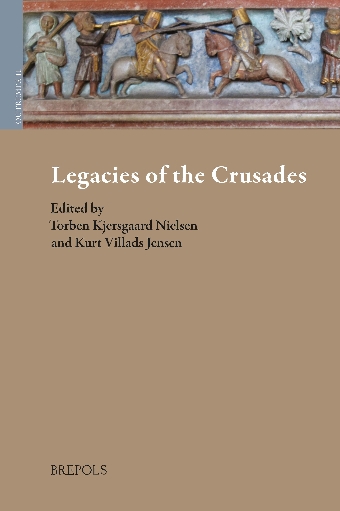
Legacies of the Crusades
show More to view fulltext, buy and share links for:Legacies of the Crusades show Less to hide fulltext, buy and share links for: Legacies of the CrusadesWhen war ended, the hard work began. Crusader warfare was only the beginning, for after peace came huge and often fundamental changes for individuals and societies. First it was necessary to establish firm and secure agreements between enemies, and take care of prisoners of war and refugees. Soon followed new legal systems, and new social groups emerged as old and new families intermarried, or entire segments of the population became subordinates under new rulers. And in a longer time perspective, the entire physical landscape was changed to conform to and express the beliefs and values of the conquerors.
The military expeditions of the medieval crusades are well studied, at different times and in many diverse areas, but the consequences for individuals and societies much less. This book opens up a new research area, and contributes with 11 studies covering the Middle Eastern crusader states, the Mediterranean, and the Baltic Sea.
-
-
-
Les Communautés menacées au Haut Moyen Âge (vi e-xi e siècles)
show More to view fulltext, buy and share links for:Les Communautés menacées au Haut Moyen Âge (vi e-xi e siècles) show Less to hide fulltext, buy and share links for: Les Communautés menacées au Haut Moyen Âge (vi e-xi e siècles)Ce volume découle d’une double interrogation: sur la manière dont on peut appréhender les communautés du haut Moyen Âge, qu’elles soient religieuses ou politiques, rurales ou urbaines, textuelles ou émotionnelles, et sur le rôle que jouent les menaces de tous ordres (politique, économique, environnemental) dans la constitution, le fonctionnement et l’évolution de ces communautés. Car la menace structure l’action collective: elle est déstabilisante, mais aussi créatrice d’ordre. Elle impose de renégocier les rapports entre intérieur et extérieur, entre normalité et anormalité, entre individu et groupe. Ce sont ces rapports de création et de destruction entre menace, ordre et communauté qui forment le principal objet de ces études menées par des historiens et éclairées par l’apport des sciences sociales.
-
-
-
Litterarum dulces fructus
show More to view fulltext, buy and share links for:Litterarum dulces fructus show Less to hide fulltext, buy and share links for: Litterarum dulces fructusDrawing inspiration from the scholarship of Professor Michael Herren, founding editor of The Journal of Medieval Latin, this florilegium of studies advances our understanding of the dynamics of Latin and vernacular literature and learning in the early medieval world. Taken together, the papers gathered in this volume cast light on authors, poets, glossators, and compilers at work as they grappled with linguistic and literary ambitions and challenges, while negotiating their use of ancient authorities to address contemporary concerns.
-
-
-
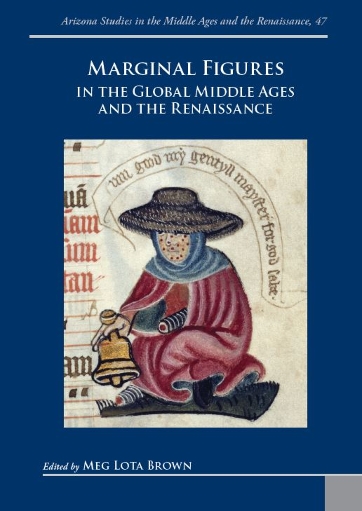
Marginal Figures in the Global Middle Ages and the Renaissance
show More to view fulltext, buy and share links for:Marginal Figures in the Global Middle Ages and the Renaissance show Less to hide fulltext, buy and share links for: Marginal Figures in the Global Middle Ages and the RenaissanceThe essays in this collection explore the motives and methods of marginalization throughout pre-modern Europe, Japan, the Ottoman Empire, and areas that are now Mexico, Iran, Peru, Syria, and Costa Rica. The authors offer a rich variety of perspectives on precarity and privilege, resistance and hybridity, they unpack the intersections of power, tradition, and difference, and they examine the relationship of marginality to both violence and creativity not only in the global Middle Ages and Renaissance but also in our present moment. While deepening readers’ understanding of our antecedents, the collection illuminates the contemporary urgency of being 'ethically awake to the needs, sufferings, sorrows, and dignity of others around the globe'.
-
-
-
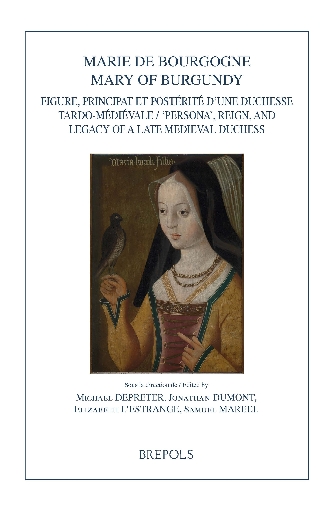
Marie de Bourgogne/Mary of Burgundy
show More to view fulltext, buy and share links for:Marie de Bourgogne/Mary of Burgundy show Less to hide fulltext, buy and share links for: Marie de Bourgogne/Mary of BurgundyMary of Burgundy (r. 1477-1482) occupies an important place in the history of late medieval and Early Modern Europe, yet her life and principate have received relatively little scholarly attention. They are, however, key to the history both of the Low Countries and of Europe, since her marriage to Maximilian of Austria united the Habsburgs with the Valois-Burgundy dynasty, giving them vast territories on the borders of France. In this book, some of the best specialists in the field contribute to a better understanding of Mary’s principate, its features, and its long-term perception. In the first part, the authors address the issue of Mary’s contested legitimacy as a late-medieval female ruler: law, literature, visual art and theatrical representations are examined as means of communication, strengthening or weakening her authority. In the second part, the authors examine some of Mary’s governmental tools and the agents behind them. Finally, the last part questions the ways in which Mary’s power and her principate have been represented and reinterpreted in subsequent eras, often with political or social intent, beginning with Maximilian’s long regency and reign immediately after her death, right up to modern-day Belgium.
-
-
-
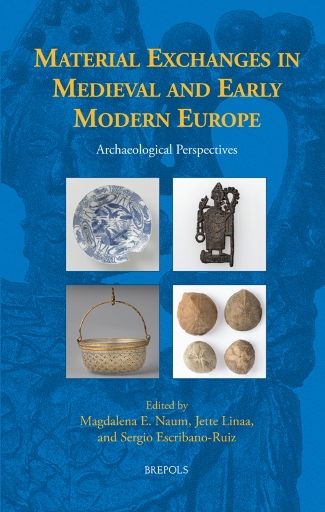
Material Exchanges in Medieval and Early Modern Europe
show More to view fulltext, buy and share links for:Material Exchanges in Medieval and Early Modern Europe show Less to hide fulltext, buy and share links for: Material Exchanges in Medieval and Early Modern EuropeThe study of the movement of ‘things’ - the exchange of objects as gifts or through trade, the itineraries that they followed when on the move, and their changing importance from location to location - can offer unique insights into our understanding of past societies; and archaeology plays a vital role in allowing such movements to be traced. Nonetheless the circulation of objects across time, and between peoples and places, has long been neglected as a field of research in its own right. This volume aims to address this gap in scholarship by drawing on recent archaeological research to provide a detailed study of the moment of objects across Europe in the late medieval and early modern period. The contributions gathered here trace the interactions between peoples, ideas, and objects in order to explore the impact of movement both on the material things themselves, and on the people who manufactured, exchanged, or used such goods. The volume draws on a wide range of archaeological evidence to explore subjects as varied as production and transport, modes of trade, the connections between trade and religion, and the emotional connections between things and people. Together, they offer a pioneering approach to our understanding of objects and their movement in the past.
-
-
-
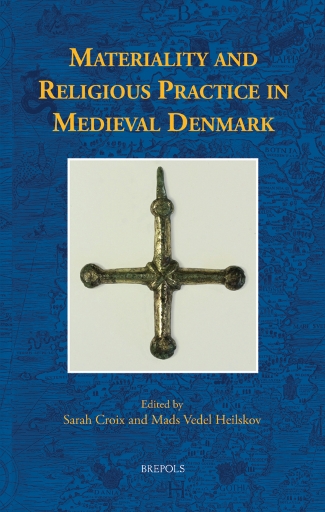
Materiality and Religious Practice in Medieval Denmark
show More to view fulltext, buy and share links for:Materiality and Religious Practice in Medieval Denmark show Less to hide fulltext, buy and share links for: Materiality and Religious Practice in Medieval DenmarkFrom bread and wine to holy water, and from oils and incense to the relics of saints, the material objects of religion stood at the heart of medieval Christian practice, bridging the gap between the profane and the divine. While theoretical debates around the importance of physicality and materiality have animated scholarship in recent years, however, little attention has been paid to finding solid, empirical evidence upon which to base such discussions.
Taking medieval Denmark as its case study, this volume draws on a wide range of different fields to explore and investigate material objects, spaces, and bodies that were employed to make the sacred tangible in the religious experience and practice of medieval people. The contributions gathered here explore subjects as diverse as saints’ relics, sculptures, liturgical vessels and implements, items used for personal devotion, gospel books, and the materiality of Christian burials to explore the significance of objects that moved the souls, bodies, hearts, and minds of the faithful. In doing so, they also open new insights into religion and belief in medieval Denmark.
-
-
-
Meanings of Water in Early Medieval England
show More to view fulltext, buy and share links for:Meanings of Water in Early Medieval England show Less to hide fulltext, buy and share links for: Meanings of Water in Early Medieval EnglandWater is both a practical and symbolic element. Whether a drop blessed by saintly relics or a river flowing to the sea, water formed part of the natural landscapes, religious lives, cultural expressions, and physical needs of medieval women and men.
This volume adopts an interdisciplinary perspective to enlarge our understanding of the overlapping qualities of water in early England (c. 400 – c. 1100). Scholars from the fields of archaeology, history, literature, religion, and art history come together to approach water and its diverse cultural manifestations in the early Middle Ages. Individual essays include investigations of the agency of water and its inhabitants in Old English and Latin literature, divine and demonic waters, littoral landscapes of church archaeology and ritual, visual and aural properties of water, and human passage through water. As a whole, the volume addresses how water in the environment functioned on multiple levels, allowing us to examine the early medieval intersections between the earthly and heavenly, the physical and conceptual, and the material and textual within a single element.
-
-
-
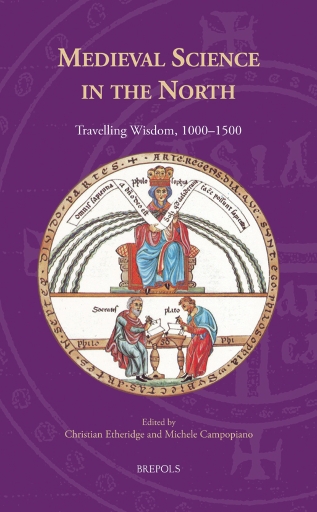
Medieval Science in the North
show More to view fulltext, buy and share links for:Medieval Science in the North show Less to hide fulltext, buy and share links for: Medieval Science in the NorthMedieval science has become an increasingly popular area of academic interest over the past couple of decades, but much of this work has up to now concentrated on France and the Mediterranean, while relatively little attention has been paid to the north of Europe. This has led to the assumption that Northern Europe stood aside from the mainstream of scientific knowledge in the Middle Ages, when in fact the region was a vital part of the medieval network of scientific scholarship. This important volume aims to redress the balance in scholarship by bringing together for the first time a collection of studies on medieval scientific knowledge that focuses on both Scandinavia and England.
The essays gathered here examine topics as wide-ranging as the intellectual network between Denmark and Paris; the role of Dominican friars in spreading scientific knowledge in Scandinavia; the practical application of technology by English armourers; fragments of scientific manuscripts found in early modern Swedish documents; the use of scientific volumes and descriptions of university life in medieval Icelandic literature; and fresh insights into the careers of the English scientists Roger of Hereford, Roger Bacon, and Robert Grosseteste. Together, these papers show the dynamism and depth of science in the medieval North, and offer new insights into how scientific wisdom travelled through, across, and between the peoples of this region.
-
-
-

Medieval Stories and Storytelling
show More to view fulltext, buy and share links for:Medieval Stories and Storytelling show Less to hide fulltext, buy and share links for: Medieval Stories and StorytellingThe shaping and sharing of narrative has always been key to the negotiation and recreation of reality for individuals and cultural groups. Some stories, indeed, seem to possess a life of their own: claiming a peculiar agency and taking on distinct voices which speak across time and space. How, for example, do objects, manuscripts, and other artefacts communicate alternative or complementary narratives that transcend textual and linguistic boundaries? How are stories created, reshaped, and re-experienced, and how do these shifting contexts and media change meaning?
This volume of essays explores these questions about meaning and identity in a range of ways. As a collection, it demonstrates the importance of interdisciplinary and context-focused enquiry when approaching key issues of activity and identity in the medieval period. Ultimately, the process of making meaning through shaping narrative is shown to be as vital and varied in the medieval world as it is today.
With a wide range of different disciplinary approaches from leading scholars in their respective fields, chapters include considerations of art, architecture, metalwork, linguistics, and literature. Alongside examinations of medieval cultural productions are explorations of the representation and adaptation of medieval storytelling in graphic novels, classroom teaching, and computer gaming. This volume thus offers an interdisciplinary exploration of how stories from across the medieval world were shaped, transformed, and transmitted.
-
-
-
Metaphrasis in Byzantine Literature
show More to view fulltext, buy and share links for:Metaphrasis in Byzantine Literature show Less to hide fulltext, buy and share links for: Metaphrasis in Byzantine LiteratureThroughout the centuries Byzantium's ambitious authors were conscious of the significance of literary registers for the reception of their texts. They deliberately made use of stylistic elements or refrained from using certain features in order to reach their target audience. There are certain groups of texts dating from various periods where these stylistic elements can be tracked precisely by comparison of two or even more versions with their model text. Such examples of rewriting can be found particularly within genres with a broader audience appeal, namely hagiography and historiography. It is in both genres that we encounter metaphrastic processes, in terms of stylistic elaboration and in terms of stylistic simplification.
As well as stylistic reshaping, metaphrasis may also encompass the addition or removal of literary and/or thematic aspects. All these processes signify intent as well as authorial interpretation. Frequently, the ideological orientation of a text is refurbished through rewriting. Teasing out these strands for exploration helps to supply a potential wealth of information on the author (if known), cultural (social, religious, historical) context, and creative ability, as well as levels of education and literacy.
-
-
-
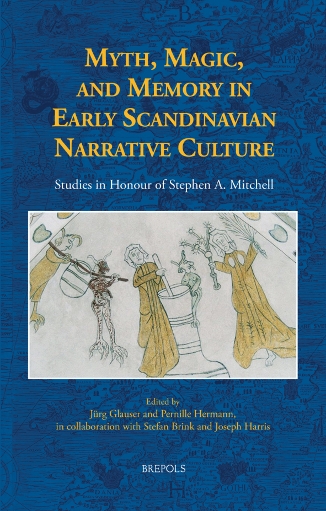
Myth, Magic, and Memory in Early Scandinavian Narrative Culture
show More to view fulltext, buy and share links for:Myth, Magic, and Memory in Early Scandinavian Narrative Culture show Less to hide fulltext, buy and share links for: Myth, Magic, and Memory in Early Scandinavian Narrative CultureMyth, magic, and memory have together formed important, and often intertwined, elements to recent studies in the narrative culture of Viking-Age and Medieval Scandinavica. Analytical approaches to myth (prominent in the fields of history of religion, archaeology, language, and literature, and central to studies of visual cultures up to modern times), magic (drawing on a wealth of Norse folkloric and supernatural material that derives from pre-modern times and continues to impact on recent practices of performance and ritual), and memory (the concept of how we remember and actively construe the past) together combine to shed light on how people perceived the world around them.
Taking the intersection between these diverse fields as its starting point, this volume draws together contributions from across a variety of disciplines to offer new insights into the importance of myth, magic, and memory in pre-modern Scandinavia. Covering a range of related topics, from supernatural beings to the importance of mythology in later national historiographies, the chapters gathered here are written to honour the work of Stephen A. Mitchell, professor of Scandinavian Studies and Folklore at Harvard University, whose research has heavily influenced this multi-faceted field.
-
-
-
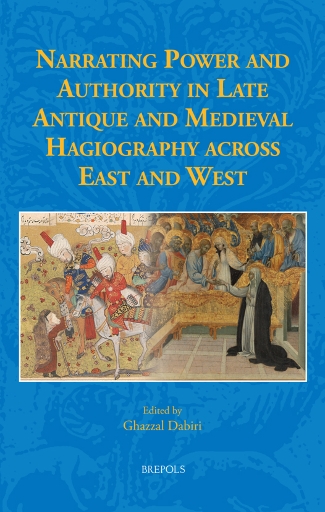
Narrating Power and Authority in Late Antique and Medieval Hagiography from East to West
show More to view fulltext, buy and share links for:Narrating Power and Authority in Late Antique and Medieval Hagiography from East to West show Less to hide fulltext, buy and share links for: Narrating Power and Authority in Late Antique and Medieval Hagiography from East to WestThis collection of essays explores the multifaceted representation of power and authority in a variety of late antique and medieval hagiographical narratives (Lives, Martyr Acts, oneiric and miraculous accounts). The narratives under analysis, written in some of the major languages of the Islamicate world and the Christian East and Christian West - Arabic, Armenian, Georgian, Greek, Latin, Middle Persian, Ottoman Turkish, and Persian - prominently feature a diverse range of historical and fictional figures from a wide cross-section of society - from female lay saints in Italy and Zoroastrians in Sasanian and Islamic Iran to apostles and bishops and emperors and caliphs. Each chapter investigates how power and authority were narrated from above (courts/ saints) and below (saints/laity) and, by extension, navigated in various communities. As each chapter delves into the specific literary and social scene of a particular time, place, or hagiographer, the volume as a whole offers a broad view; it brings to the fore important shared literary and social historical aspects such as the possible itineraries of popular narratives and motifs across Eurasia and commonly held notions in the religio-political thought worlds of hagiographers and their communities. Through close readings and varied analyses, this collection contributes to the burgeoning interest in reading hagiography as literature while it offers new perspectives on the social and religious history of late antique and medieval communities.
-
-
-
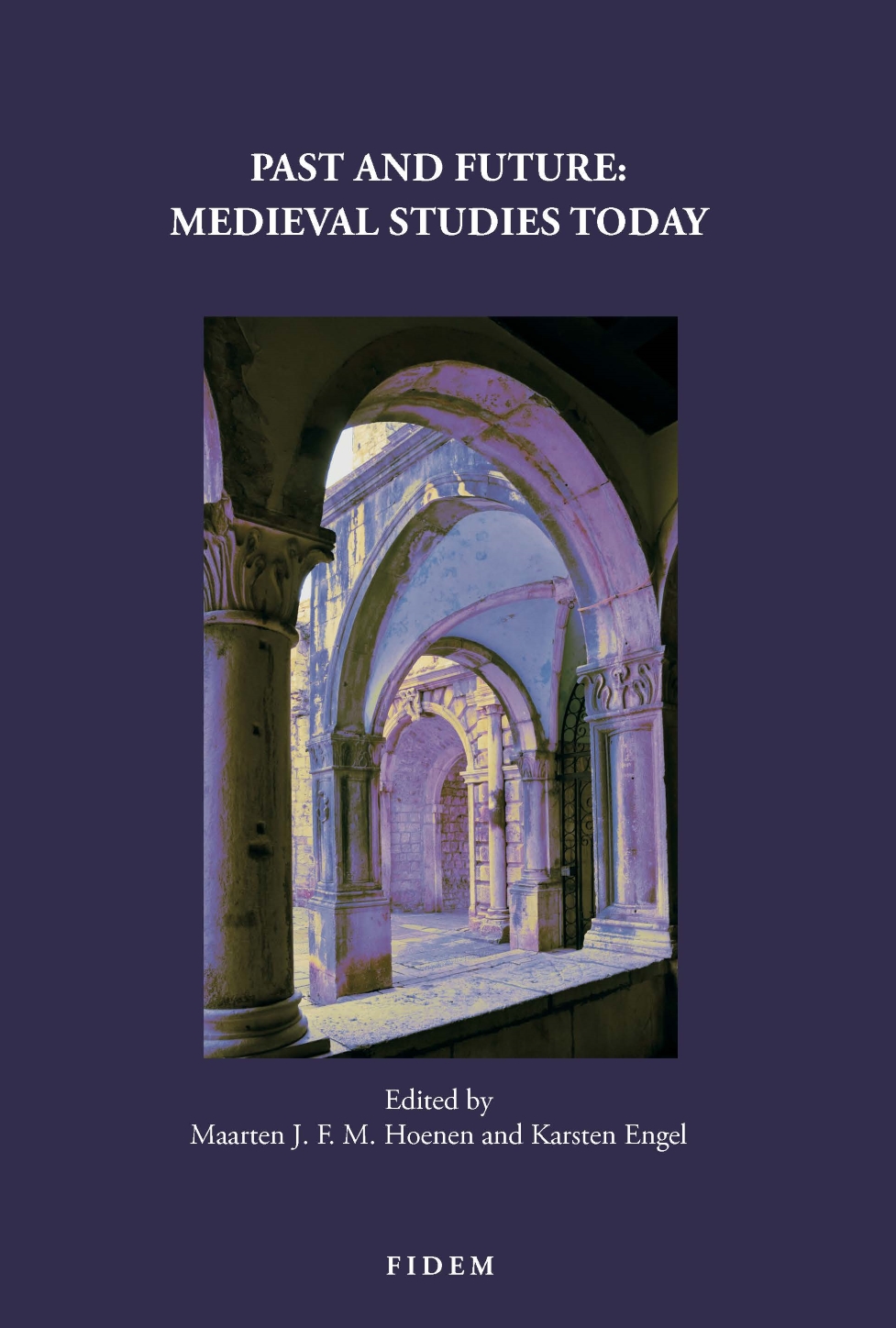
Past and Future
show More to view fulltext, buy and share links for:Past and Future show Less to hide fulltext, buy and share links for: Past and FutureThere was a time, not so long ago, when Medieval Studies constituted a major pillar for the understanding of the history of human civilization. Today, things are different. While the medieval contribution to the project of humanity remains beyond doubt, the challenges facing those interested in history have changed definitively. Currently, different responses to the new situation are under discussion, each with its own potential and challenges: e.g., global medievalism, digital humanities, comparative history, rethinking the cultural narrative. In this volume, specialists from the fields of Digital Humanities, History, Literary Studies, Philosophy, and Theology share with the readers their views about the possible futures of Medieval Studies. They evince the vitality and multi-perspectivism characteristic of the field today, showing that Medieval Studies looks to a future that, while different from the past, promises to be at least as rich and creative.
The papers collected here were first presented and discussed at the 6th European Congress of Medieval Studies of the Fédération Internationale des Instituts d’Etudes Médiévales (FIDEM), which was held at the University of Basel, Switzerland, 2-5 September 2018.
-
-
-
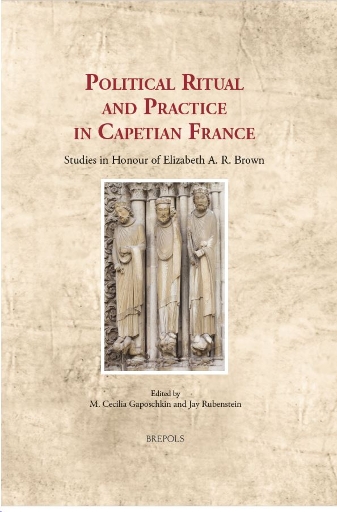
Political Ritual and Practice in Capetian France
show More to view fulltext, buy and share links for:Political Ritual and Practice in Capetian France show Less to hide fulltext, buy and share links for: Political Ritual and Practice in Capetian FranceIn this volume, thirteen of the world’s leading scholars of medieval France explore some of the most important ideas, events, personalities, and artistic creations of the Capetian world (987-1328). From some of the earliest medieval attempts to make narrative treatments of French history, through the invention of the schools, the creation of Gothic architecture, the practices of chivalry, the practice of statecraft, and the promulgation of law codes, the volume offers a panoramic view of the kingdom and the era that has come to define the medieval world in both the scholarly and popular imaginations.
The scholars brought together in this volume share as well a common sense of gratitude and an intellectual debt to Elizabeth A. R. Brown, whose own rigour and brilliance has inspired their work and shaped their sense of the past. Political Ritual and Practice in Capetian France is both a tribute to a scholar of real accomplishment and a collection of original scholarship raised upon on the foundations that Elizabeth A. R. Brown herself set down.
-
-
-

Premodern Translation
show More to view fulltext, buy and share links for:Premodern Translation show Less to hide fulltext, buy and share links for: Premodern TranslationThis edited collection offers six essays on translations and their producers and users in premodern societies, which explore possibilities for contextualizing and questioning the well-established narratives of translations and translating in history of science and philosophy. To enable such explorations, the editors decided to go beyond a conventional focus on Latin and Arabic medieval cultures. Thus a discussion of translation in East Asia that asks questions about the technologies of translation invites readers familiar with Western contexts to reflect on shared cross-cultural practices. Other authors ask new questions concerning mathematical, medical, or philosophical translations, such as the character and the role of ‘submerged’ translations that never made it into any of the traditional histories of translation in medieval societies. A third group of authors offer perspectives on early modern professionals, which open up the traditional research on translations to other fields of study, and allow us to reflect on changed practices and purposes of translation.
Featuring studies on Old Uyghur translations of Buddhist texts, on the fortune of a Latin translation of Arabic mathematics from al-Andalus, on Arabic philosophy and the division of the sciences in thirteenth-century Paris and Naples, on Albert the Great’s concept of interpretatio as an epistemic practice that combines translation and explanation, on translation between classical Arabic and Humanist traditions in early modern Spain, and on astronomy in early modern German scholarship, this volume offers a unique survey of premodern translations across a variety of languages and disciplines, exploring both their technical commonalities and cultural specificities, while also addressing the reception of the ideas they transmit.
-
-
-
Questioning the World
show More to view fulltext, buy and share links for:Questioning the World show Less to hide fulltext, buy and share links for: Questioning the WorldThis volume discusses cosmological issues in Greek Patristic and Byzantine question-and-answer literature. By adopting this focus, it yields novel insights into both the (theological / philosophical) content and the (literary) form of the texts under scrutiny. How did Greek Patristic and Byzantine authors understand the cosmos of which they were a part and the world in which they lived? And what literary forms did they use to express their questions and answers on these issues? This collection of studies shows that, in order to bring out the important intellectual contribution of the authors under discussion, both ‘cosmology’ and ‘question-and-answer literature’ should be defined more broadly than expected. Several papers deal with the crucial corpora by Pseudo-Justin and Maximus the Confessor. Other authors under discussion include Philoponus, Pseudo-Caesarius, Michael Psellus, Severian of Gabala, and Nilus Doxopatres. Attention also goes to the critical edition of question-and-answer literature, as well as to the Greek Patristic and Byzantine reception of cosmological questions and answers from Antiquity (i.c. Aristotle, Philo of Alexandria, Plutarch, and Iamblichus).
-
-
-
Reading the Church Fathers with St. Thomas Aquinas
show More to view fulltext, buy and share links for:Reading the Church Fathers with St. Thomas Aquinas show Less to hide fulltext, buy and share links for: Reading the Church Fathers with St. Thomas AquinasIn his richly documented and still valuable study of Aquinas and the Church Fathers, published in 1946, Gottfried Geenen, o.p. noted that the study of this aspect of Thomas Aquinas’s thought was just beginning to take place. More than seventy years later considerable progress has been made, both historically and doctrinally, not at least due to the technological advances in the area of the study of Aquinas’s writings. It has been argued both that Aquinas had a remarkable knowledge of a wide range of the Church Fathers and that he was actively engaged in acquiring new material from hitherto unknown Fathers. Due to Thomas’s profound commitment to both Latin and Greek patristic sources he was not only able to draw on the rich tradition of the past but also to explore new possibilities and solutions. This commitment and interaction between tradition and speculative reason has led some to claim tentatively that one might characterize Thomas Aquinas’s theology as being ad mentem patrum.
The goal of this volume is to explore ways to corroborate this claim. In order to do so, the contributions investigate the presence and use of the Church Fathers in Aquinas’s thought both historically and systematically.
-
-
-

Religious Connectivity in Urban Communities (1400–1550)
show More to view fulltext, buy and share links for:Religious Connectivity in Urban Communities (1400–1550) show Less to hide fulltext, buy and share links for: Religious Connectivity in Urban Communities (1400–1550)The boundaries between sacred and secular in the late Middle Ages, traditionally perceived as separate domains, are nowadays perceived as porous or non-existent. This collection on religious connectivity explores a new approach to religious culture in the late Middle Ages. In assessing the porosity of the domains of sacred and secular, and of religious and lay, the contributors to this collection investigate processes of transfer of religious knowledge, literature, and artefacts, and the people involved.
Religious connectivity describes people in networks. This concept emphasises dynamics and processes rather than stability, and focuses on all persons involved in transfer and appropriation, not just the producers. It is therefore a fruitful concept by which to explore medieval society and the continuum of sacred and secular. By using the lens of religious connectivity, the authors of this collection shed new light on religious activities and religious culture in late medieval urban communities.
-
-
-
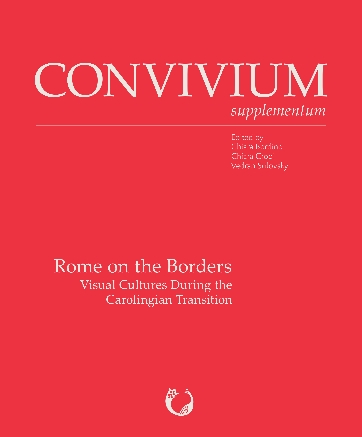
Rome on the Borders. Visual Cultures During the Carolingian Transition
show More to view fulltext, buy and share links for:Rome on the Borders. Visual Cultures During the Carolingian Transition show Less to hide fulltext, buy and share links for: Rome on the Borders. Visual Cultures During the Carolingian TransitionBased upon the conference Rome in a Global World: Visual Cultures During the Carolingian Transition (Brno, 14th-15th October 2019), this Supplementum volume of Convivium collects eleven articles that look at Rome’s artistic production in the Carolingian era across historiographical, disciplinary, methodological and geopolitical borders.
-
-
-
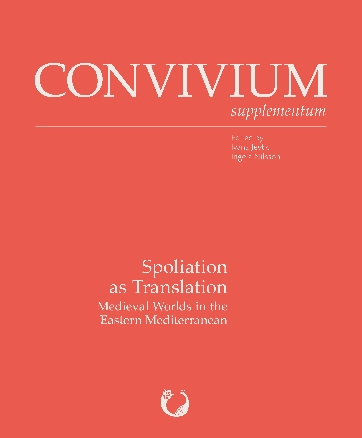
Spoliation as Translation
show More to view fulltext, buy and share links for:Spoliation as Translation show Less to hide fulltext, buy and share links for: Spoliation as TranslationThe articles gathered in this special issue of Convivium offer a variety of perspectives - history of medieval art, architecture, literary studies - that explore the relations between spoliation and translation, with a particular focus on the interconnections and similarities between material/artistic and textual/literary cultures. Building on current research in spolia and translation studies, these contributions respond to the increasing interest in and popularity of these two topics in recent scholarship. A conceptual point of departure is that reuse and translation represent two crucial processes facilitating cultural dialogues and exchanges across time and space. Material and textual spolia fascinate us, because they provide various means and levels of engagement with the past with a tangible form, sometimes of an ambivalent nature. Objects, artefacts, buildings, and texts have been subject to constant reworkings, through which they have been interpreted and translated: old stories gain new significance in new contexts, just as old objects gain new meanings in new settings. The aim of this collection is to foster a better understanding of such processes and, at the same time, of the history of the medieval worlds of the Eastern Mediterranean, which is marked by constant cross-cultural encounters and interactions.
-
-
-
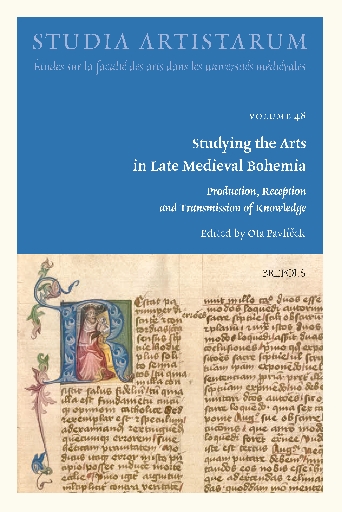
Studying the Arts in Late Medieval Bohemia
show More to view fulltext, buy and share links for:Studying the Arts in Late Medieval Bohemia show Less to hide fulltext, buy and share links for: Studying the Arts in Late Medieval BohemiaFrom its foundation in 1348, the University of Prague attracted students as well as scholars from all over Europe to its Faculty of Arts, where they studied and taught the subjects of the curriculum in all their variety. Nevertheless, our knowledge about these Prague scholars and their thought is still rather limited. In an effort to fill this gap, this volume is the first devoted entirely to the production, reception, and transmission of knowledge in the Arts Faculty of the medieval University of Prague, covering topics in astronomy, linguistics, logic, metaphysics, meteorology, and optics. It also links Prague's Faculty of Arts to several others at universities across Europe and it examines the study of the arts in Bohemia outside the university, including the Jewish milieu. The book contributes to advancing the status quaestionis in various ways, mainly through the analysis of less well-known and even unpublished texts, critical editions of some of which are printed here for the first time.
-
-
-

The Crusades: History and Memory
show More to view fulltext, buy and share links for:The Crusades: History and Memory show Less to hide fulltext, buy and share links for: The Crusades: History and MemoryThe crusades have been remembered and commemorated in many ways, from the late eleventh century until today. Soon after the conquest of Jerusalem in 1099, the fate of the First Crusade inspired literary, historiographical and artistic traditions. Participants in the subsequent crusades would look to the first Crusade for inspiration and spiritual guidance, while playing out their own ideas of crusading. Since then the crusades have been put to use in very divers ways and for different purposes. This volume explores how the crusades have been remembered, revered and ridiculed by those who participated in them and by those who in later periods made use of the crusades as an historical phenomenon. The volume thus traces the memory and legacy of the crusades by putting together essays that focus on the specific ways in which the crusades have been memorized, evoked and exploited from the eleventh century until today.
-
-
-
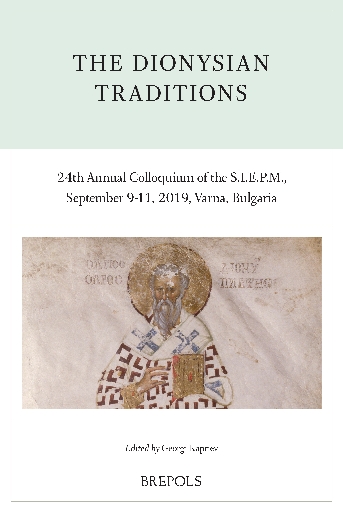
The Dionysian Traditions
show More to view fulltext, buy and share links for:The Dionysian Traditions show Less to hide fulltext, buy and share links for: The Dionysian TraditionsThe volume contains the contributions of the 24th Annual Colloquium of S.I.E.P.M. "The Dionysian Traditions", which took place in Varna, Bulgaria from September 9 to 11, 2019. The theme of the colloquium is not coincidentally related to the topic of the 9th Annual Colloquium "The Dionysius Reception" (1999 in Sofia, Bulgaria). The aim was to consider the continuity of research and to ensure its new dimensions. The colloquium demonstrated the multifaceted, advanced development of Dionysius research over the past twenty years. The Corpus Dionysiacum exerted an enormous influence on the Christian cultures of the European Middle Ages, which also had and still has an impact on modern times. Focal points of the medieval - Latin and Byzantine - Dionysius traditions are discussed in detail, previously undiscussed topics and perspectives are presented. A large part of the analyses develop a new approach to post-medieval culture and a clearly defined commitment to the current problems of thought and social life. The profoundly analyzed questions and topics convincingly open new horizons for today's science.
-
-
-
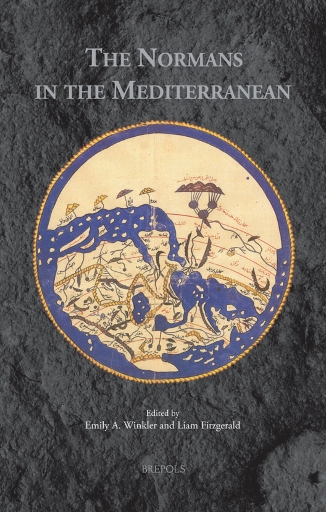
The Normans in the Mediterranean
show More to view fulltext, buy and share links for:The Normans in the Mediterranean show Less to hide fulltext, buy and share links for: The Normans in the MediterraneanIn both popular memory and in their own histories, the Normans remain almost synonymous with conquest. In their relatively brief history, some of these Normans left a small duchy in northern France to fight with Empires, conquer kingdoms, and form new ruling dynasties. This book examines the explosive Norman encounters with the medieval Mediterranean, c. 1000-1250. It evaluates new evidence for conquest and communities, and offers new perspectives on the Normans’ many meetings and adventures in history and memory.
The contributions gathered here ask questions of politics, culture, society, and historical writing. How should we characterize the Normans’ many personal, local, and interregional interactions in the Mediterranean? How were they remembered in writing in the years and centuries that followed their incursions? The book questions the idea of conquest as replacement, examining instead how human interactions created new nodes and networks that transformed the medieval Mediterranean. Through studies of the Normans and the communities who encountered them - across Iberia, the eastern Roman Empire, Lombard Italy, Islamic Sicily, and the Great Sea - the book explores macro- and micro-histories of conquest, its strategies and technologies, and how medieval people revised, rewrote, and remembered conquest.
-
-
-
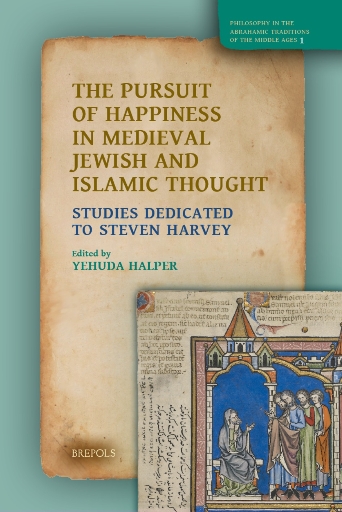
The Pursuit of Happiness in Medieval Jewish and Islamic Thought
show More to view fulltext, buy and share links for:The Pursuit of Happiness in Medieval Jewish and Islamic Thought show Less to hide fulltext, buy and share links for: The Pursuit of Happiness in Medieval Jewish and Islamic ThoughtThe articles in this volume explore the teachings on happiness by a range of thinkers from antiquity through Spinoza, most of whom held human happiness to comprise intellectual knowledge of that which is Good in itself, namely God. These thinkers were from Greek pagan, Muslim, Jewish, and Christian backgrounds and wrote their works in Greek, Arabic, Hebrew, and Latin. Still, they shared similar philosophical views of what constitutes the Highest Good, and of the intellectual activities to be undertaken in pursuit of that Good. Yet, they differed, often greatly, in the role they assigned to deeds and practical activities in the pursuit of this happiness. These differences were, at times, not only along religious lines, but also along political and ethical lines. Other differences treated the relationship between the body and intellectual happiness and the various ways in which bodily health and well-being can contribute to intellectual health and true happiness.
-
-
-
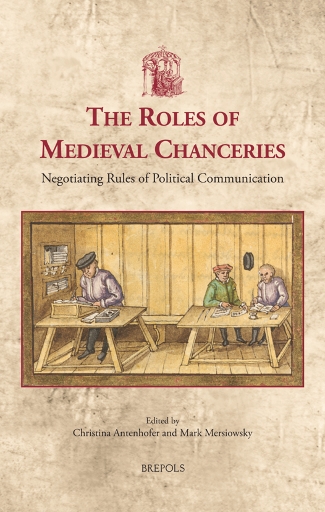
The Roles of Medieval Chanceries
show More to view fulltext, buy and share links for:The Roles of Medieval Chanceries show Less to hide fulltext, buy and share links for: The Roles of Medieval ChanceriesMedieval communication followed rules that were defined, negotiated, and altered in processes of exchange. Conflicts resulting from different communication practices, as well as forms of innovation, revolve around rules that are not self-evident. Political actors such as princes and cities, chanceries, secretaries, ambassadors, and councillors formed rules of political participation, which became visible in written documentation. These rules were both formed and negotiated via processes of communication. Medieval chanceries can thus be understood as a vast field of experimentation where different solutions were tested, passed on, or discarded.
This book explores communication practices in German, French, Italian, Tyrolian, and Gorizian chanceries, as well as at diets from the tenth to the sixteenth century. Its chapters examine royal, monastic, princely, and communal chanceries. For the early and high Middle Ages, a close analysis of documents will reconstruct negotiation and communication from within the documents themselves. For the later Middle Ages, focus will turn to the chancery, with the appearance of chancery orders and chancery annotations that provide explicit insight in communication between the chancellors, secretaries, and political authorities. The growing amount and variety of documents issued in the late Middle Ages allows us to retrace conflicts resulting from differing chancery practices as well as attempts to reorganise the chancery into a political instrument for the prince. The processes of political communication will be followed in three parts. Part I focuses on the rules within documents. Part II looks at administrative processes within specific chanceries, while Part III explores forms of exchange between the chancery and other political actors.
-
-
-

Transcultural Approaches to the Bible
show More to view fulltext, buy and share links for:Transcultural Approaches to the Bible show Less to hide fulltext, buy and share links for: Transcultural Approaches to the BibleThis volume, the first in the new series Transcultural Medieval Studies, draws together scholars from around the world to offer new insights into the importance and role of the Bible across the varied cultures of medieval Europe. The papers gathered here take a comparative and multidisciplinary approach to the subject, focusing on the biblical background of perceptions of the religious and cultural ‘Self ’ and ‘Other’ in the Mediterranean, in Latin Europe, and in the Baltic. In doing so, the contributions identify commonalities and differences of the ‘uses of the Bible’ in these various worlds, combining and contrasting studies on Bible manuscripts, their exegesis, and their use for historical writing.
-
-
-
Transformed by Emigration. Welcoming Russian Intellectuals, Scientists and Artists (1917–1945)
show More to view fulltext, buy and share links for:Transformed by Emigration. Welcoming Russian Intellectuals, Scientists and Artists (1917–1945) show Less to hide fulltext, buy and share links for: Transformed by Emigration. Welcoming Russian Intellectuals, Scientists and Artists (1917–1945)The thematic framework of this special issue is an examination of the impact Russian émigrés had on the humanities and art. From art history to philosophy, artistic creation to ecumenical dialogue, the volume is dedicated to figures who, through their emigration from Russia, transformed their places of arrival and relevant fields. The articles in the volume assess these topics from an interdisciplinary point of view, extending the usual horizons of Convivium to other fields as well. The volume was published as the proceedings of the conference Transformed by Emigration. Welcoming Russian Intellectuals, Scientists, and Artists 1917-1945 held at the Hans Belting Library in February 2019.
-
-
-
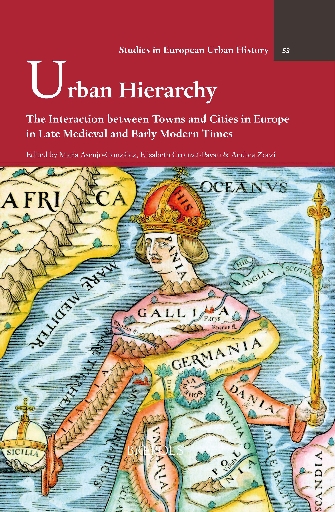
Urban Hierarchy
show More to view fulltext, buy and share links for:Urban Hierarchy show Less to hide fulltext, buy and share links for: Urban HierarchyUrban hierarchy means a new study approach that focuses on the reciprocal concurrence of relationships between urban centers, their complementarity, opposition, support and ongoing collaboration. The goal is to go beyond the single analysis of a city and focus on the interaction between towns and cities and to distinguish their dynamics and the degree of specialization within a political framework. The final objective is to provide a comprehensive historical analysis as urban history requires, open to the advantages of interdisciplinarity and the contributions of the international researchers that will take part in the session. The processes of urban hierarchization are not only vital for observing the dynamics of cities, but also for studying in depth the response capabilities of the urban systems in the face of new challenges and stimuli. These aspects of the historical analysis of cities are still quite unexplored and, therefore, they will receive a great deal of attention in the book. The initial regional frameworks will not exclude small towns and rural centers since, even though they may look less potentially relevant, they might display greater specific development. Thanks to a renewed methodology and special attention to the empirical basis, it is possible to improve our knowledge of the urban systems of European regions at the end of the Middle Ages and the beginning of the Early Modern Era, shedding light on some aspects of the medieval past that will also influence other scientific areas of humanities.
-
-
-
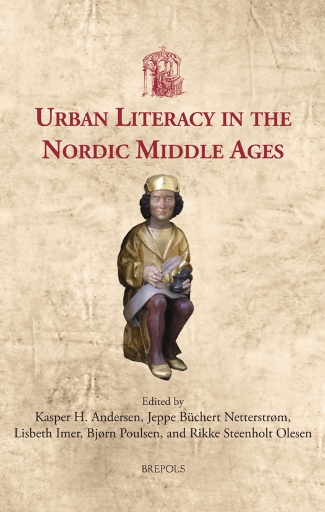
Urban Literacy in the Nordic Middle Ages
show More to view fulltext, buy and share links for:Urban Literacy in the Nordic Middle Ages show Less to hide fulltext, buy and share links for: Urban Literacy in the Nordic Middle AgesThis volume is about literacy in the medieval towns of Denmark, Norway, Sweden, and Finland, and aims to understand to what extent these medieval urban societies constituted a driving force in the development of literacy in Nordic societies generally.
As in other parts of Europe, two languages - Latin and the vernacular - were in use. However, the Nordic area is also characterised by its use of the runic alphabet, and thus two writing systems were also in use. Another characteristic of the North is its comparatively weak urbanization, especially in Finland, Sweden, and Norway.
Literacy and the uses of writing in medieval towns of the North is approached from various angles of research, including history, archaeology, philology, and runology. The contributions cover topics related to urban literacy that include both case studies and general surveys of the dissemination of writing, all from a Northern perspective. The thematic chapters all present new sources and approaches that offer a new dimension both to the study of medieval urban literacy and also to Scandinavian studies.
-
-
-
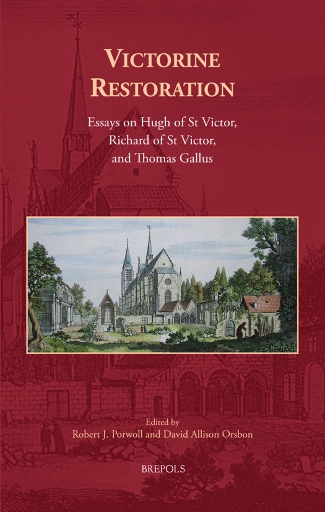
Victorine Restoration
show More to view fulltext, buy and share links for:Victorine Restoration show Less to hide fulltext, buy and share links for: Victorine RestorationThe Victorines were scholars and teachers of philosophy, liberal arts, sacred scripture, music, and contemplation at the Abbey of Saint-Victor in Paris. This collection focuses on the three greatest Victorines: Hugh (d. 1141), who established the direction of the school; Richard (d. 1173), who developed Victorine contemplation; and Thomas Gallus (d. 1246), who culminated Victorine contemplative thought and transmitted it to other schools, especially the Franciscans. They offer an innovative revival of the Christian spiritual and intellectual tradition for their reforming pastoral mission in their urban setting and for the Church.
Their contemporaries saw the Victorines as beacons of spiritual love and intellectual richness. Later reformers and thinkers held their writings as touchstones of contemplative love, including, for example, Bonaventure, Thomas Aquinas, Jean Gerson, Thomas à Kempis, the Devotio Moderna, and many others. The writings of the Victorines found broad appeal among later medieval readers, as well as praise among early modern reformers, Protestant and Catholic alike. In recent decades, the Victorines have returned to scholarly attention and renewed appreciation. Scholarly studies, critical editions, and translation projects reveal the treasures of Victorine thought and spirituality.
This volume showcases the findings of recent research and scholarly advances in Victorine studies, offering new readers a status quaestionis of the field. It also features new research by eminent experts in Victorine thought that points out promising directions for future research, thus offering important new findings for established specialists.
-
-
-
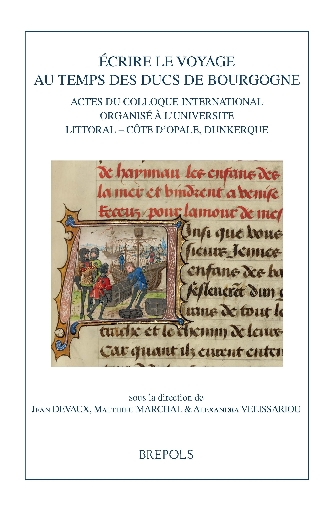
Écrire le voyage au temps des ducs de Bourgogne
show More to view fulltext, buy and share links for:Écrire le voyage au temps des ducs de Bourgogne show Less to hide fulltext, buy and share links for: Écrire le voyage au temps des ducs de BourgogneIssu des rencontres internationales qui se sont tenues à l’Université Littoral - Côte d’Opale (Dunkerque) les 19 et 20 octobre 2017, le présent ouvrage vise à mieux appréhender le rôle prépondérant joué par les États bourguignons dans l’essor de l’écriture du voyage. Il s’attache en particulier au genre du récit de voyage qui, dans les villes des Pays-Bas comme à la cour des ducs, gagna bien vite la faveur des élites bourguignonnes : pèlerins, diplomates, soldats ou marchands, les voyageurs écrivains apportent pour beaucoup une contribution originale à ce mode spécifique de narration. Ce recueil d’études a par ailleurs pour objectif de mettre en lumière les liens subtils que ce genre littéraire entretient tout à la fois avec la littérature romanesque et la production historiographique qui s’épanouissent alors en terre bourguignonne et réservent une place non négligeable à l’écriture du voyage, imaginaire ou réel.
-
-
-
Franks and Crusades in Medieval Eastern Christian Historiography
show More to view fulltext, buy and share links for:Franks and Crusades in Medieval Eastern Christian Historiography show Less to hide fulltext, buy and share links for: Franks and Crusades in Medieval Eastern Christian HistoriographyThis volume is an introduction to eleven of the main medieval Eastern Christian historians used by modern scholars to reconstruct the events and personalities of the crusading period in the Levant. Each of the chapters examines one historian and their work(s), and first contains an introductory examination of their life, background and influences. This is then followed by a study of their work(s) relevant to the Crusades, including the reasons for writing, themes, and methodology. Such an approach will allow modern researchers to better understand the background and contexts to these texts, and thus to reconstruct the past in a more nuanced and detailed way. Written by eleven eminent scholars in their fields, and examining chronicles written in Armenian, Greek, Syriac, and Arabic, this book will be essential reading for anybody engaged in research on the Crusades, as well as Eastern Christian and Islamic history, and medieval historiography.
-