


Brepols Online Books Medieval Miscellanea Collection 2022 - bob2022mime

Collection Contents
3 results
-
-
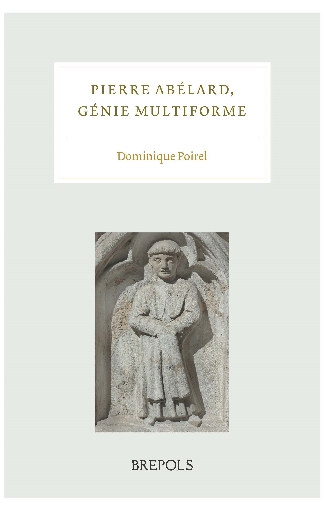
Pierre Abélard, génie multiforme
show More to view fulltext, buy and share links for:Pierre Abélard, génie multiforme show Less to hide fulltext, buy and share links for: Pierre Abélard, génie multiformeÉtudiant terrible et maître illustre, amant légendaire et logicien virtuose, moine instable et abbé réformateur, poète de génie et philosophe précurseur, théologien prestigieux et deux fois condamné pour hérésie, auteur entre autres de commentaires sur Porphyre et sur la Bible, de traités sur la dialectique et sur la Trinité, de poèmes amoureux et liturgiques, et encore - dans le même dossier - d’une autobiographie controversée, d’une correspondance passionnée et d’une règle religieuse, Pierre Abélard n’est pas seulement une des figures les plus célèbres de tout le Moyen Âge, il en est aussi, comme homme, comme écrivain et comme penseur, une des plus riches, des plus complexes et des plus insaisissables. Aussi a-t-il semblé utile de rassembler autour de sa personne - il en aurait sûrement été ravi - quelques spécialistes parmi les meilleurs de l’histoire, de la logique, de l’éthique, de la théologie, du droit, de la littérature et de l’historiographie du Moyen Âge.
-
-
-
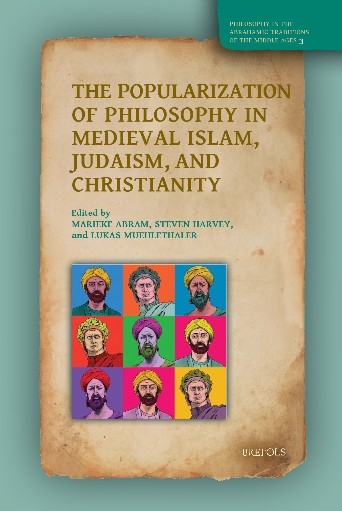
The Popularization of Philosophy in Medieval Islam, Judaism, and Christianity
show More to view fulltext, buy and share links for:The Popularization of Philosophy in Medieval Islam, Judaism, and Christianity show Less to hide fulltext, buy and share links for: The Popularization of Philosophy in Medieval Islam, Judaism, and ChristianityThis volume explores attempts at the popularization of philosophy and natural science in medieval Islam, Judaism, and Christianity. Medieval philosophers usually wrote their philosophical books for philosophers, so the desire to convey psychological, cosmological, metaphysical, or even physical teachings to the ‘vulgus’ may seem surprising. Yet philosophy was indeed taught to non-philosophers and via a variety of literary genres. Indeed, scholars have argued that philosophy most infl uenced medieval society through popular forms of transmission. Among the questions this volume addresses are the following: Which philosophers or theologians sought to direct philosophical writings to the many? For what purposes did they seek to popularize philosophy? Was the goal to teach philosophical truths? For whom exactly were these popularized texts written? How did they go about teaching philosophy to a wide audience? In what ways did popularized philosophy impact upon society? To what extent were the considerations and problems in the medieval popularization of philosophy the same or different in the various religious traditions of philosophy? How philosophical was the popularized philosophy?
In addressing these questions and others, this pioneering volume is the fi rst of its kind to bring together scholars of medieval Islamic, Jewish, and Christian thought to discuss the popularization of philosophy in these three religious traditions of philosophy.
-
-
-
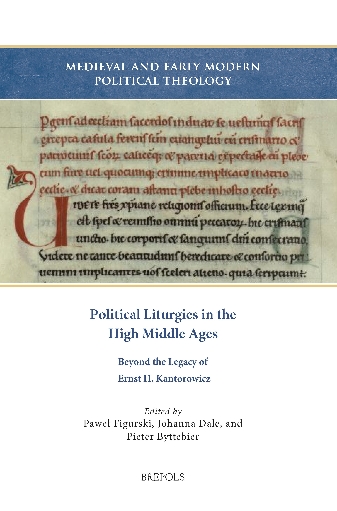
Political Liturgies in the High Middle Ages
show More to view fulltext, buy and share links for:Political Liturgies in the High Middle Ages show Less to hide fulltext, buy and share links for: Political Liturgies in the High Middle AgesAlthough as long ago as the 1940s Ernst H. Kantorowicz exhorted medievalists to make greater use of liturgical sources, historians largely continued to ignore the “magic thicket of prayers, benedictions, and ecclesiastical rites” that comprise the liturgy. Instead they left liturgical sources to specialists interested in the development of individual rites through time. This volume, inspired by Kantorowicz’s insights, builds on the work of a new generation of scholars, who see liturgical sources as integral to understanding medieval politics and society. The individual essays focus on different polities and regions of medieval Christian Europe, but all concentrate on the high Middle Ages, a period in which the importance of liturgy to political cultures has traditionally been seen as being in decline. Together the essays demonstrate how a careful reading of liturgical sources can shed new light on political cultures and practices, how liturgical rituals shaped politics, and how political realities influenced liturgical ceremonial. They demonstrate the interrelationship between liturgical scholarship and political theory, and challenge the paradigm of the desacralization of kingship and politics in this period.
-