


BOB2024MIOT

Collection Contents
2 results
-
-
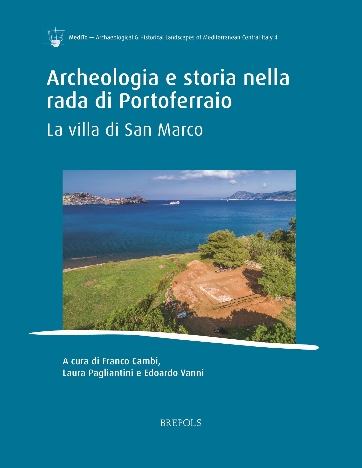
Archeologia e storia nella rada di Portoferraio
show More to view fulltext, buy and share links for:Archeologia e storia nella rada di Portoferraio show Less to hide fulltext, buy and share links for: Archeologia e storia nella rada di PortoferraioIl libro raccoglie una serie di contributi che scaturiscono dallo scavo e dallo studio della villa romana di San Marco sull’isola d’Elba, dei suoi reperti e del suo contesto storico ed ambientale. I ritrovamenti archeologici sono pertinenti un periodo molto ristretto di vita dell’insediamento, all’incirca tra il II secolo a.C e il II secolo d.C., quando la villa fu verosimilmente distrutta da un’incendio. Tale drammatico evento ha permesso la conservazione straordinaria di una serie di reperti organici (come la travatura di un solaio), attraverso i quali è stato possibile procedere ad una ricostruzione dettagliata della planimetria e degli elevati dell’edificio. Lo studio poi delle incredibili decorazioni pittoriche, insieme ad i ritrovamenti epigrafici, hanno permesso di attribuire la villa ad una delle proprietà dell’importante famiglia senatoria dei Valerii.
-
-
-
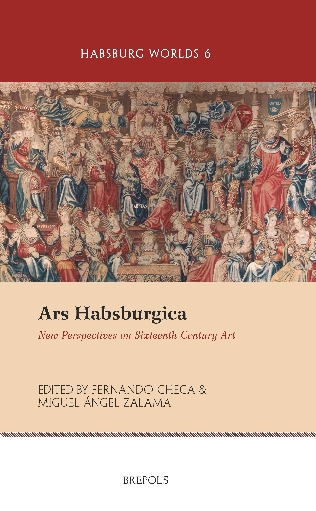
Ars Habsburgica
show More to view fulltext, buy and share links for:Ars Habsburgica show Less to hide fulltext, buy and share links for: Ars HabsburgicaStarting from a political reality, which is, at the same time, artistic and cultural, the book Ars Hasburgica aims to review the still so common historiographical conception of the Renaissance that conceives this period from a geographically Italocentric, artistically classicist and politically centered the idea of "national" arts and schools.
But Renaissance is a more global and complex phenomenon. What this book aims to offer is an idea of the art of that period that considers the role played by the Habsburg dynasty and its various courts in this period, trying to verify whether, by applying other historiographic models, and having the art of the Casa de Austria as a focus, traditional ideas can continue to be maintained well into the twenty-first century. We refer to the so-called "Vasari paradigm", on which art history of the sixteenth century has largely been built over the last centuries. It is also intended to structure concepts about the art of the period not so much around nationalist considerations and identities of the arts, but to raise these issues throughout ideas such as that of the court as a political, artistic and cultural sphere, in the wake of the classical studies by Norbert Elias, Amedeo Quondam or Carlo Ossola.
-