


BOB2024MOME

Collection Contents
2 results
-
-
Hagiografía hispana de los siglos ix-xiii en los reinos de Aragón y Castilla y León
show More to view fulltext, buy and share links for:Hagiografía hispana de los siglos ix-xiii en los reinos de Aragón y Castilla y León show Less to hide fulltext, buy and share links for: Hagiografía hispana de los siglos ix-xiii en los reinos de Aragón y Castilla y LeónEste libro reúne las traducciones anotadas de las obras hagiográficas latinas publicadas en el volumen Hagiographica hispana regnorum Aragonum et Castellae Legionisque saeculorum IX-XIII (Corpus Christianorum, Continuatio Mediaeualis, vol. 310), publicado en 2022. Se trata de las más importantes Vidas, traslados de reliquias y colecciones de milagros compuestas en la Edad Media en los monasterios de San Juan de la Peña, San Millán de la Cogolla y San Zoilo de Carrión en honor de san Indalecio (uno de los siete míticos evangelizadores de Hispania); dos santos de época visigoda, san Felices de Bilibio (maestro de San Millán) y el propio san Millán; y dos santos medievales: san Voto y san Félix de Zaragoza (fundadores de lo que más tarde sería San Juan de la Peña). Los otros dos escritos del volumen son dos Vidas dedicadas a san Urbez (eremita aragonés de posible origen francés) y, sobre todo, al famoso patrón de la ciudad de Madrid, san Isidro Labrador. La mayoría de estas traducciones son las primeras que se han realizado en una lengua moderna.
-
-
-
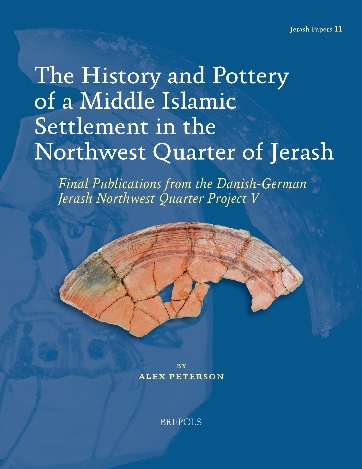
The History and Pottery of a Middle Islamic Settlement in the Northwest Quarter of Jerash
show More to view fulltext, buy and share links for:The History and Pottery of a Middle Islamic Settlement in the Northwest Quarter of Jerash show Less to hide fulltext, buy and share links for: The History and Pottery of a Middle Islamic Settlement in the Northwest Quarter of JerashIn 2015, the Danish-German Northwest Quarter Project working in Jerash uncovered a Middle Islamic farmstead. Subsequent excavations revealed that this settlement, far from marking a decline at the site, is in fact indicative of a broader active and dynamic rural community living within the ancient urban landscape of Jerash.This volume offers an in-depth focus on this Islamic settlement, with a particular focus on the ceramic material yielded by the site, which is here fully quantified and contextually analysed alongside historical sources. Through this approach, the author has reconstructed a new synthesis of Middle Islamic settlement history, shedding new light on the economic and social structures of a rural community in northern Jordan, as well as establishing a typology that can be used to refine the chronologies of Middle Islamic Jerash.
-