


BOB2024MOME

Collection Contents
4 results
-
-
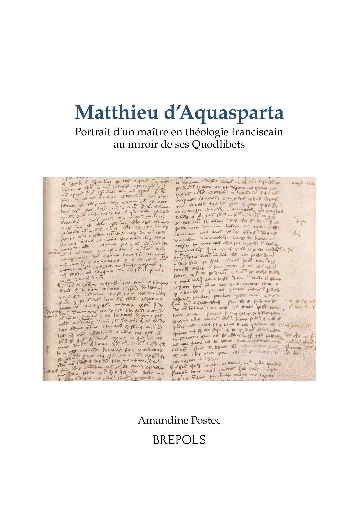
Matthieu d’Aquasparta
show More to view fulltext, buy and share links for:Matthieu d’Aquasparta show Less to hide fulltext, buy and share links for: Matthieu d’AquaspartaFranciscain d’origine ombrienne, Matthieu d’Aquasparta (v. 1240-1302) est maître en théologie à l’université de Paris au moment de la censure de 1277. Il rejoint ensuite la Curie pontificale en 1279. Doté de talents politiques certains, il est brièvement ministre général de l’ordre franciscain avant d'être créé cardinal par Nicolas IV en 1288. Il obtient la charge de grand pénitencier et devient un soutien fidèle de Boniface VIII. Depuis le début du XXe siècle, la pensée du théologien avait surtout fait l'objet d'études construites à partir de l'édition progressive de ses Questions disputées. Cet ouvrage propose une biographie complète de Matthieu d’Aquasparta au prisme de ses textes universitaires grâce à l’analyse de sa bibliothèque personnelle, de ses manuscrits de travail, légués aux couvent d'Assise et de Todi et de ses Quodlibets, encore inédits.
-
-
-
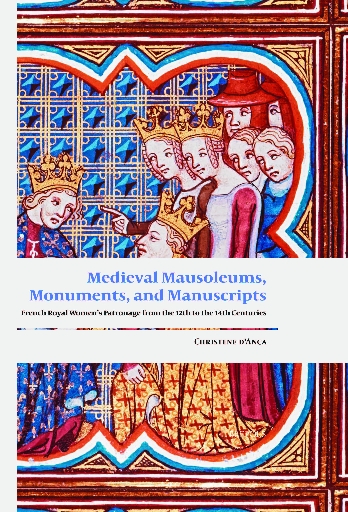
Medieval Mausoleums, Monuments, and Manuscripts
show More to view fulltext, buy and share links for:Medieval Mausoleums, Monuments, and Manuscripts show Less to hide fulltext, buy and share links for: Medieval Mausoleums, Monuments, and ManuscriptsMedieval Mausoleums, Monuments, and Manuscripts: Royal Women’s Patronage from the Twelfth to the Fourteenth Centuries explores the manuscripts, monuments, and other memorabilia associated with the artistic patronage of Eleanor of Aquitaine (1122-1204), her daughters, Marie de Champagne (1145-98) and Matilda of Saxony (1156-98), as well as works generated by three queens of France, Marie de Brabant (1254-1322), Jeanne d’Évreux (1310-71), and Blanche de Navarre (1330-98). Through this study the shift in women’s artistic patronage over the centuries may be brought to light, as well as its evolution, evincing how each generation built upon the previous one.
Further, despite the assorted shapes these women’s efforts embodied, ranging from manuscripts to stained glass windows, from funerary plaques, paintings, jewels and linens to monuments, mausoleums and endowments of institutions, including a variety of other forms, these women were notably unified in that their greatest output tellingly occurred during precarious points in their lives that threatened their positions, such as the potential political turmoil associated with the deaths of husbands or children. At these times their participation in acts of patronage solidified their places at court, in society, and within cultural memory while doubling as assertions of their political power and lineage. Thus, testaments, manuscript books, monuments, and memorials were not only a declaration or signs of one’s possessions, but also sites and documents that continued the politicking of the deceased.
-
-
-
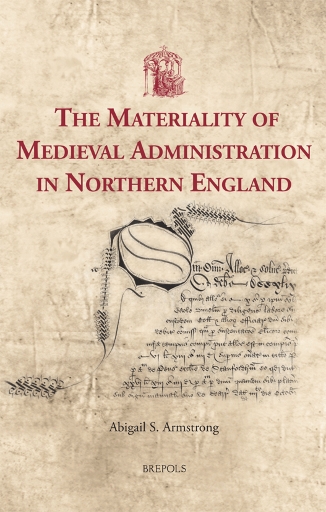
The Materiality of Medieval Administration in Northern England
show More to view fulltext, buy and share links for:The Materiality of Medieval Administration in Northern England show Less to hide fulltext, buy and share links for: The Materiality of Medieval Administration in Northern EnglandIn the late Middle Ages, the Percy earls of Northumberland and the bishops of Durham were two of the largest landholders in the North East of England. This book is a study of their estate administrations based on the extant manorial accounts from the fourteenth through sixteenth centuries. Examining the documents holistically, it investigates the shapes of the records and the materials they were written upon, as well as how they were used and stored to provide new insights into late medieval lordly administration. Such a material-focussed approach explores the concurrent use of rolls, booklets, paper, and parchment for different types of manorial accounts and at different steps of the multistage production and audit process. It also examines the hands drafting, editing, and auditing the accounts, in addition to the layout and presentation of the contents of the records to further our understanding of the written burden of proof required in the management and audit of large estates in late medieval England. Studying the financial accounts of the earls of Northumberland and the bishops of Durham from a material perspective reveals two highly sophisticated administrative systems and structures of accountability.
-
-
-
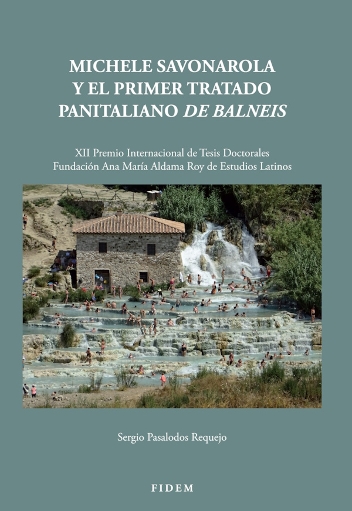
Michele Savonarola y el primer tratado panitaliano de balneis
show More to view fulltext, buy and share links for:Michele Savonarola y el primer tratado panitaliano de balneis show Less to hide fulltext, buy and share links for: Michele Savonarola y el primer tratado panitaliano de balneisEn la Italia del Renacimiento, Michele Savonarola, abuelo del famoso Girolamo, es llamado a la corte de los Este en Ferrara, donde ejercerá como médico de la familia gobernante y como profesor de la universidad de la ciudad. Poco a poco la escritura se convertirá en su principal ocupación, dando lugar a una prolija y variada producción literaria que acoge temas políticos, religiosos, históricos o morales, sin descuidar su principal interés: la medicina. En este ámbito dedica escritos a materias tan dispares como la ginecología o la parasitología, y acoge todos ellos en su obra enciplopédica Practica. Analizamos en el presente trabajo su obra monográfica sobre el termalismo y los baños de Italia, texto fundamental que marca un punto de inflexión en la evolución del género de balneis, al incluir en su estudio de los baños de Italia termas ubicadas en Sicilia y gran parte de la península itálica, desde Padua hasta Nápoles, además de analizar los diversos tipos de baños y la composición química de las aguas mineromedicinales.
-