


BOB2025MOOT

Collection Contents
3 results
-
-
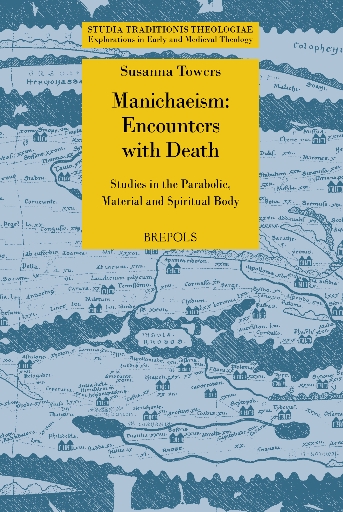
Manichaeism: Encounters with Death
show More to view fulltext, buy and share links for:Manichaeism: Encounters with Death show Less to hide fulltext, buy and share links for: Manichaeism: Encounters with DeathBorn in Persian Mesopotamia in the year 232 CE, the self-proclaimed prophet Mani promulgated a dualist faith that rapidly spread throughout the Roman Empire, Central Asia and China. This monograph comprises a series of studies of the Manichaean conceptualization of death and the afterlife in the context of Manichaean soteriology, eschatology and anthropology. Material, documentary and liturgical evidence is analysed to enrich knowledge of Manichaean funeral ritual and mourning practice. The book explores the thematic symbolism of the corpse in Manichaean parabolic literature, offering fresh interpretations and exploring the influence of Buddhist teachings on the impermanence of the body, karma and metempsychosis.
-
-
-
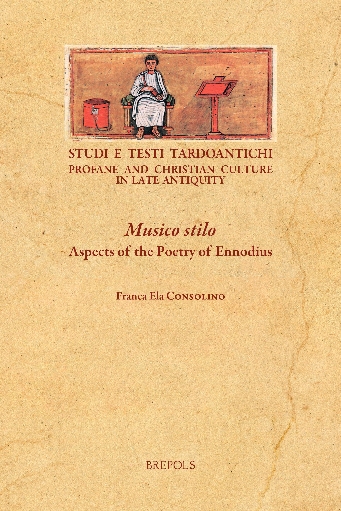
Musico stilo
show More to view fulltext, buy and share links for:Musico stilo show Less to hide fulltext, buy and share links for: Musico stiloSince the end of the last century, Ennodius has been the object of increasing interest among scholars of late antiquity. Developments in Ennodian criticism are also addressed in this volume, that presents the results of more than twenty years of research on the relationship – always dialectical and not infrequently innovative – that Ennodius maintains as a poet with the Latin literary tradition, both profane and Christian. The chapters of the book revisit – in English and in one case with substantial modifications – eight of the author’s previously published papers on Ennodius, along with one unpublished contribution.
Areas that have been specifically investigated include the functions that he assigns to poetry compared to those he assigns to prose, his original re-treatment of some literary genres, and his thematic, stylistic, lexical and metric choices. The last chapter explores the literary influence exerted by Ennodius’ poetry on the text of his epitaph. The very fact that its unknown author – certainly a great admirer of the deceased – did his best to imitate his style is a significant testimony to the prestige that Ennodius enjoyed after his death in the diocese of Pavia of which he had been the bishop.
-
-
-
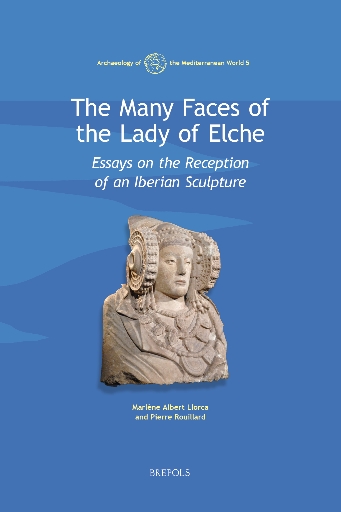
The Many Faces of the Lady of Elche
show More to view fulltext, buy and share links for:The Many Faces of the Lady of Elche show Less to hide fulltext, buy and share links for: The Many Faces of the Lady of ElcheOn 4 August 1897, farm workers in Elche — the site of ancient Ilici — discovered an Iberian sculpture of a woman that dated from the fifth– fourth centuries BCE. French archaeologist Pierre Paris dubbed this figure ‘the Lady of Elche’, and promptly purchased the sculpture on behalf of the Louvre Museum. There, she drew the attention of European scholars who were intrigued by her stylistic features, finally concluding that she bore witness to the existence of a specifically Iberian art. Since her discovery, the Lady of Elche has been a source of fascination not only for scholars, but also for artists, and she has become an icon of regional and national identity across Spain. This volume, co-written by an archaeologist and an anthropologist and translated here into English for the first time, seeks to explore the importance of the Lady of Elche, both for students of the past, and for the peoples of Iberia. The authors here explore not only what we know — and still do not know — about her creation, but also engage with key questions about what she represents for the men and women of our time who have questioned, manipulated, admired, loved, and often reinvented the singular beauty of this iconic figure.
-