


Brepols Online Books Other Monographs Archive v2016 - bobar16moot

Collection Contents
2 results
-
-
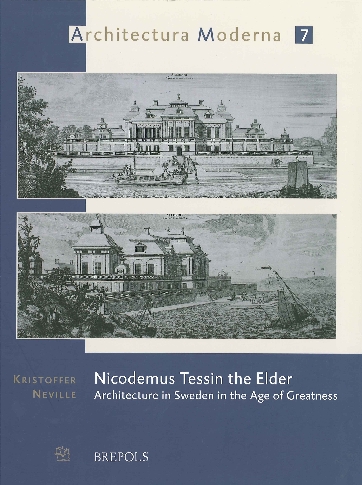
Nicodemus Tessin the Elder. Architecture in Sweden in the Age of Greatness
show More to view fulltext, buy and share links for:Nicodemus Tessin the Elder. Architecture in Sweden in the Age of Greatness show Less to hide fulltext, buy and share links for: Nicodemus Tessin the Elder. Architecture in Sweden in the Age of GreatnessNicodemus Tessin the Elder was an architect, gentleman, and founder of the artistic dynasty that was immensely influential at the Swedish court in the seventeenth and eighteenth centuries. He was architect to the crown, to the nobility, and to the city of Stockholm, and he supplied buildings for a wide range of functions, from palaces to banks, courthouses, and fortifications. His unusually extensive travels in the Netherlands, Italy, France and Germany provided him with a comprehensive picture of contemporary European architecture, which he drew on as he synthesized a new group of buildings that would attract international attention as models for princely architecture. His productivity required a new approach to architecture, and he was part of the first generation of architects in northern Europe to develop the architectural studio, distinguishing the design process from the business of building, and in the process recreating himself as the modern architect.
Kristoffer Neville is assistant professor of early modern art and architecture in the department of art history at the University of California, Riverside.
-
-
-
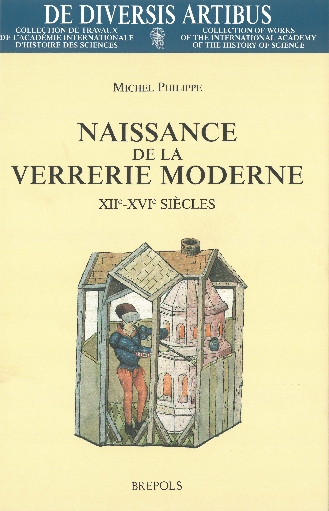
Naissance de la verrerie moderne, XIIe-XVIe siècles
show More to view fulltext, buy and share links for:Naissance de la verrerie moderne, XIIe-XVIe siècles show Less to hide fulltext, buy and share links for: Naissance de la verrerie moderne, XIIe-XVIe sièclesCet ouvrage représente la première synthèse générale de toutes les données archéologiques et archivistiques relatives à l'histoire de la verrerie dans l'espace géographique français du xii e au xvii e siècle. Il analyse, région par région, l'évolution économique des ateliers, les dynasties verrrières, les approvisionnements, l'espace de travail, les fours et les techniques de la fabrication, les aspects administratifs et humains, ainsi que le commerce et l'usage du verre.
-