EMISCA

Collection Contents
61 - 80 of 260 results
-
-
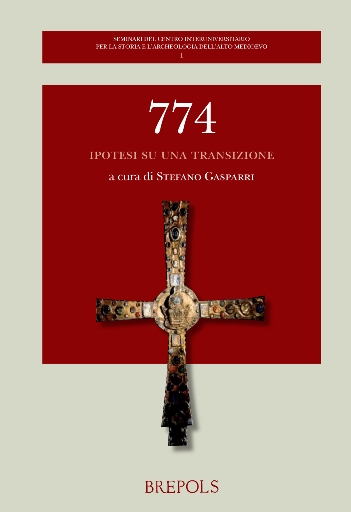
774, ipotesi su una transizione
show More to view fulltext, buy and share links for:774, ipotesi su una transizione show Less to hide fulltext, buy and share links for: 774, ipotesi su una transizioneIn questo volume sono editi gli atti del I seminario organizzatonel 2006 dal Centro interuniversitario per la storia e l’archeologia dell’alto medioevo (SAAME). Al centro del seminario è stato un tema di grande importanza per storia italiana: la conquista franca del regno longobardo e le sue conseguenze in tutti i campi, dai mutamenti politici - indagati soprattutto dal punto di vista della loro rappresentazione - ai mutamenti nell’insediamento rurale e urbano (dalle campagne toscane a capitali come Roma e Ravenna), a quelli nelle attività artistiche (la costruzione di edifici di prestigio) e culturali (epigrafia, documenti, codici, produzione normativa), nella circolazione monetaria (le zecche, i mancosi) e nei flussi commerciali (con in primo piano l’Adriatico). Inoltre si è tentato di inserire la ‘transizione’ italiana, ossia il passaggio della penisola sotto la dominazione carolingia, nell’ambito di un quadro europeo, prendendo in considerazione, con alcuni affondi tematici, la Turingia, la Baviera, l’Austrasia e infine la Spagna, dove è avvenuta un’altra fondamentale transizione, quella tra Visigoti e Musulmani.
Il titolo del libro, che fa riferimento ad una data precisa fornita dalla storia politica, l’anno 774, può apparire paradossale per presentare i risultati di un seminario nel corso del quale sono state interrogate allo stesso modo fonti scritte e fonti archeologiche, e va inteso in senso soprattutto simbolico, come un’ovvia allusione ad un altro anno cardine, il 751, anch’esso oggetto di indagini recenti. Ma al tempo stesso tale riferimento è utile per ribadire l’assoluta necessità di coordinare insieme, ai fini della ricostruzione del passato, i tempi e i risultati della storia politica (in questo caso il passaggio dai Longobardi ai Carolingi), dell’archeologia, della numismatica, della storia della documentazione scritta, della storia dell’arte e di tutte le altre storie.
-
-
-
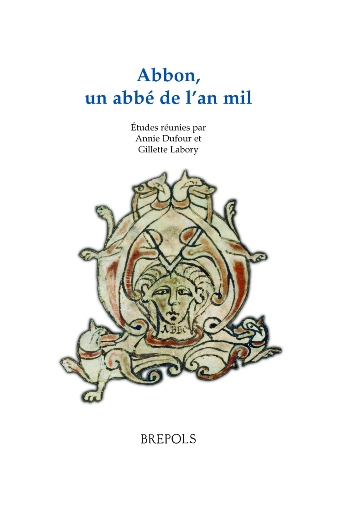
Abbon, un abbé de l’an Mil
show More to view fulltext, buy and share links for:Abbon, un abbé de l’an Mil show Less to hide fulltext, buy and share links for: Abbon, un abbé de l’an MilBien que l’œuvre littéraire et scientifique d’Abbon de Fleury (v. 950-1004) ait été aussi importante que celle de son célèbre contemporain Gerbert (devenu le pape Sylvestre II), l’abbé du monastère fleurisien restait cependant mal connu. Le colloque organisé en 2004 pour célébrer le millénaire de sa mort a voulu donner un souffle nouveau aux études abboniennes. Les contributions, qui s’articulent autour de deux thèmes principaux, vie monastique, religion et culture, abordent la plupart des domaines dans lesquels s’est exercée la compétence d’Abbon: astronomie, comput, musique, droit canon, hagiographie, histoire… Sont également traitées des questions touchant à l’ecclésiologie et à la réforme monastique ou concernant le monastère lui-même et son temporel ou un autre monastère orléanais, Saint-Mesmin de Micy. De ces «éclairages entrecroisés» ressort un portrait renouvelé de ce grand abbé, à la fois homme de science et chercheur d’unité, unité de l’Église, unité de son monastère et de l’ordre bénédictin.
-
-
-
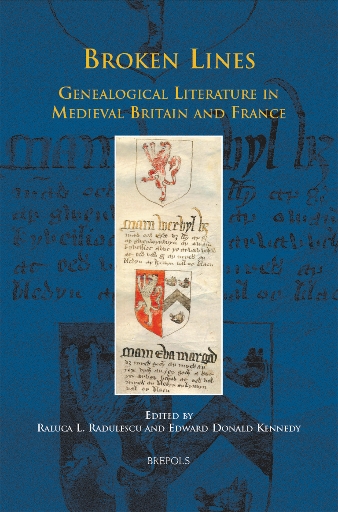
Broken Lines
show More to view fulltext, buy and share links for:Broken Lines show Less to hide fulltext, buy and share links for: Broken LinesThe essays in this important and fascinating collection explore the genealogical literature of late-medieval Britain and France in relation to issues of identity, the transmission of power, and cultural, socio-political, and economic developments. By analyzing the mechanics of cultural and political inheritance and the processes of shaping a sense of identity and descent, the essays in this volume direct the reader towards a complex understanding of genealogical literature and its relationships with other genres, one which will further debate and research in these areas. The present collection presents an interdisciplinary approach to the genealogical literature of the late-medieval period, and brings together specialists in the fields of history, cultural history and literature to raise questions of gender, genre, and theoretical approaches. Broken Lines is also the first book-length study of genealogical literature to date, an exciting intervention into this emerging field of interest.
-
-
-
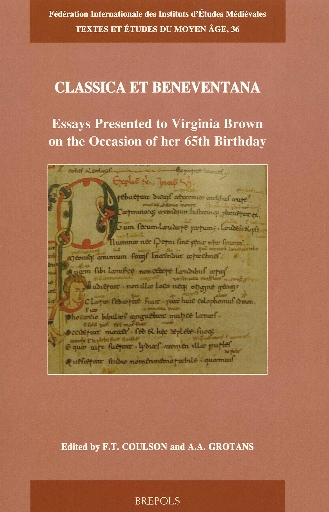
Classica et Beneventana
show More to view fulltext, buy and share links for:Classica et Beneventana show Less to hide fulltext, buy and share links for: Classica et BeneventanaThe Festschrift volume Classica et Beneventana, presented to Virginia Brown on the occasion of her 65th birthday, brings together eighteen insightful new essays by leading scholars devoted to the fields of classical reception and Latin palaeography. The authors investigate a wide-range of topics such as the development and application of the Beneventan script, comparative codicology, use of early liturgical manuscripts, medieval artes and biblical texts and their readers, and the reception and dissemination of classical texts during the Italian Renaissance.
Since 1970, Virginia Brown has been a Senior Research Fellow at the Pontifical Institute of Mediaeval Studies. She is recognized as one of the world’s leading authorities in classical reception and Latin palaeography. Her numerous publications on the Beneventan script have dramatically altered our knowledge of the dissemination of this southern Italian book hand from 800 to 1600. Her editorial work for the Catalogus translationum et commentariorum, as a member of the Editorial Board and since 1986 as Editor-in-Chief, has resulted in several learned volumes tracing the fortuna and study of classical authors from antiquity to the year 1600. As editor of Mediaeval Studies from 1975 to 1988, she single-handedly produced tomes noted for their scholarly rigor and acumen. This collection of essays serves as fitting tribute to a scholar who, via her scholarly research and editorial work, has done so much to advance the fields of palaeography, codicology, and the history of classical scholarship.
-
-
-
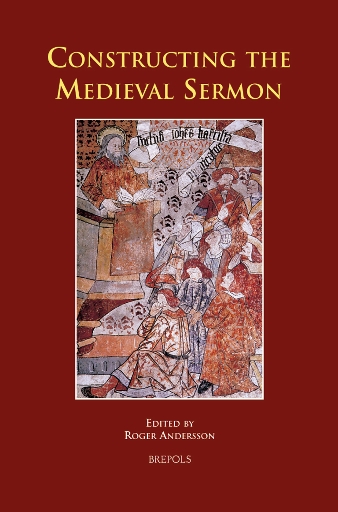
Constructing the Medieval Sermon
show More to view fulltext, buy and share links for:Constructing the Medieval Sermon show Less to hide fulltext, buy and share links for: Constructing the Medieval SermonIn considering the construction of medieval sermons, the term ‘construction’ has many meanings. Those studied here range from questions about sermon composition with the help of artes praedicandi or model collections to a more abstract investigation of the mental construction of the concepts of sermon and preacher. Sermons from a range of European countries, written both in Latin and vernaculars, are subjected to a broad variety of analyses. The approach demonstrates the vitality of this sub-discipline. Most of the essays are more occupied with literary and philological problems than with the religious content of the sermons. While many focus on vernacular sermons, the Latin cultural and literary background is always considered and shows how vernacular preaching was in part based on a more learned Latin culture. The collection testifies both to the increasing esteem of the study of vernacular sermons, and to a revival in the study of all those things contained in a preacher’s ‘workshop’, ranging from rhetorical invention, medieval library holdings and study-aids, through to factors that are crucial for the successful delivery of the sermon, such as the choice of language, mnemonic devices and addressing the audience. The interdisciplinary approach remains ever-present, not only in the diversity of the academic disciplines represented, but also within individual essays. The volume is based on a conference held in Stockholm, 7-9 October 2004.
-
-
-
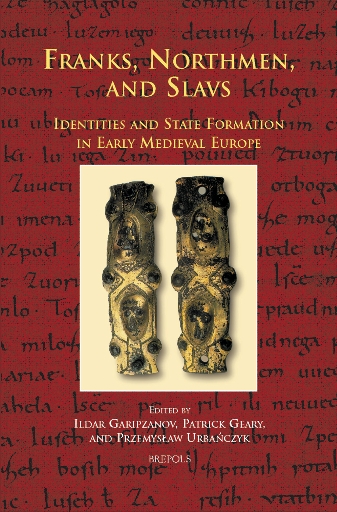
Franks, Northmen, and Slavs
show More to view fulltext, buy and share links for:Franks, Northmen, and Slavs show Less to hide fulltext, buy and share links for: Franks, Northmen, and SlavsIn recent decades, historians attempting to understand the transition from the world of late antiquity with its unitary imperial system to the medieval Europe of separate kingdoms have become increasingly concerned with the role of early medieval gentes, or peoples, in the end of the former and the constitution of the latter.
Eleven specialists examine here the role of ethnic identity in the formation of medieval polities on the periphery of the Frankish world in the eighth through eleventh centuries. In particular, they explore the intertwined issues of ethnic identity and state formation in Scandinavia and in the western and southern Slavic regions, areas in which the new approaches to the history of ethnicity have but little penetrated traditional scholarship. They ask to what extent common identities assisted in the consolidation and creation of early medieval kingdoms and to what extent the formation of these kingdoms created a discourse of common identity as a means to centralization and control. The authors contend that the developments in Scandinavia and in Slavic areas cannot be understood except in dynamic relationship with the process of state formation and group identity within the Frankish kingdoms. This powerful, expansionist society not only interacted and influenced the development of state structures on its northern and eastern borders, but it also provided models of discourse about the relationship between centralizing power and group solidarity. Not that these discourses were simply adopted by the Franks’ neighbours, but rather they became part of the range of possible options selectively adapted to local circumstances.
-
-
-
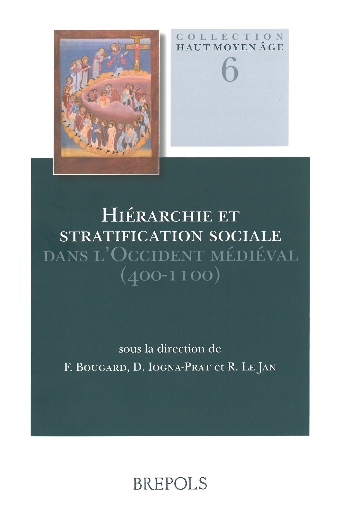
Hiérarchie et stratification sociale dans l’Occident médiéval (400-1100)
show More to view fulltext, buy and share links for:Hiérarchie et stratification sociale dans l’Occident médiéval (400-1100) show Less to hide fulltext, buy and share links for: Hiérarchie et stratification sociale dans l’Occident médiéval (400-1100)Si la notion d’«ordre(s)» est familière aux historiens du Moyen Âge, il est loin d’en être de même pour celle de «hiérarchie». Au reste, le terme n’a pas bonne presse chez les chercheurs en sciences humaines et sociales, qui s’en méfient pour ses relents d’Ancien Régime et préfèrent souvent parler de «stratifications sociales», comme si choisir, distinguer, hiérarchiser les valeurs n’étaient pas dans les mondes du passé comme dans celui d’aujourd’hui à la base même de l’action sociale.
D’origine grecque — hieros (sacré) et archos (fondement, commencement, commandement) — le terme «hiérarchie» est d’un emploi longtemps rare dans la latinité. Les concordances automatisées du latin permettent de savoir avec précision que le succès lexical de hierarchia n’est pas antérieur au tournant des années 800 et qu’il dépend directement de la traduction depuis le grec des écrits du Pseudo-Denys l’Aréopagite, spécialement la Hiérarchie céleste et la Hiérarchie ecclésiastique. Concomitance intéressante, l’adoption généralisée du terme hiérarchie dans l’Occident médiéval, entre le ix e et le xi e siècle, est contemporaine d’une conception de la société rapportée à l’harmonie du cosmos qui fait du monde des hommes un reflet de l’ordonnancement voulu par Dieu — un ordonnancement propre à confondre ecclésial et social ou, dit autrement, à faire d’Église et société deux termes coextensifs. Dans cette logique, puisqu’il ne saurait y avoir de critère laïque d’appartenance aux groupes sociaux, le concept de hiérarchie permet au médiéviste de rendre compte de l’ensemble des processus d’organisation d’une société stratifiée parce qu’aspirée vers le divin. Il permet autant de décrire un jeu de places que de saisir la dynamique de processus à l’œuvre dans la grande fabrique du social.
-
-
-
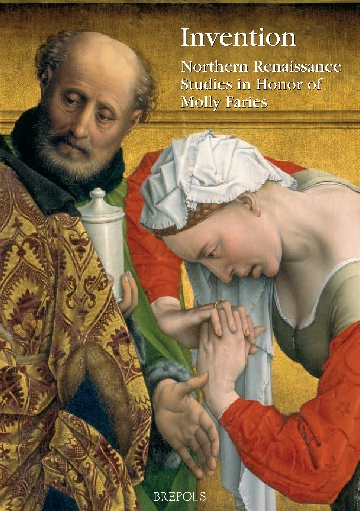
Invention
show More to view fulltext, buy and share links for:Invention show Less to hide fulltext, buy and share links for: InventionElucidating the steps that led to a finished work of art has been one of Molly Faries’ principal concerns in nearly forty years of research and teaching. A pioneer in infrared reflectography, she has demonstrated like no other scholar the importance of technical studies to art history, in the way that they provide insight into an artist’s technique and development, into collaboration within a workshop, and into master-pupil relationships. Molly Faries has taught generations of students and colleagues to view paintings not as static objects but as the results of successive choices.
The volume’s title, Invention: Northern Renaissance Studies in Honor of Molly Faries, evokes Molly’s passion for understanding an artist’s creative process. The term “invention” is here understood in the widest possible sense: How did a work of art come into being? How did an artist react to new stimuli or adapt to a new culture? Was innovation valued above adherence to a local tradition? To what degree could artists shape their patrons’ taste? How did artists transform their own inventions over time and adopt those of others? Was there a concept of invention specific to the Northern Renaissance and how did it differ from ours?
The authors who tackle these and other questions include university professors, curators, conservators, and conservation scientists, all recognized specialists in northern European art of the fifteenth and sixteenth centuries. The artists they discuss are among the greatest painters, manuscript illuminators, printmakers, and sculptors: Johan Maelwael, the Limbourg brothers, Jan van Eyck, Rogier van der Weyden, Hans Memling, Lieven van Lathem, Juan de Flandes, Jean Hey, Albrecht Dürer, Hieronymus Bosch, Master H.L., Jacques Du Broeucq, and Jan Brueghel the Elder.
This book, one of the few devoted specifically to the concept of invention in Northern Renaissance art, is richly illustrated with 32 color plates and 179 black-and-white reproductions; it includes an index.
-
-
-
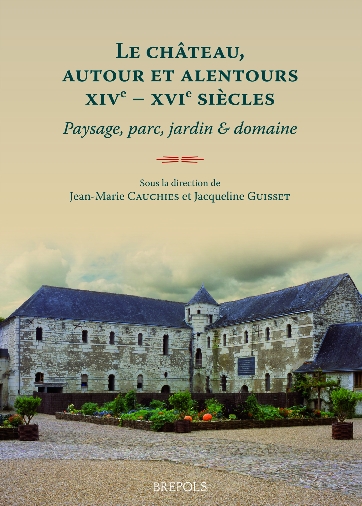
Le château, autour et alentours (XIVe - XVIe siècles). Paysage, parc, jardin & domaine
show More to view fulltext, buy and share links for:Le château, autour et alentours (XIVe - XVIe siècles). Paysage, parc, jardin & domaine show Less to hide fulltext, buy and share links for: Le château, autour et alentours (XIVe - XVIe siècles). Paysage, parc, jardin & domaineUn château, c’est d’abord une bâtisse. Forteresse ou lieu de séjour, dans des fonctions souvent combinées et/ou relayées. Mais c’est aussi un environnement, ce sont des arbres, des eaux, la pêche, la chasse,… La nature et la main de l’homme y ont leur part, l’une dans les paysages, l’autre dans les parcs et jardins. Les abords de la masse de l’édifice sont constellés de bâtiments, d’équipements, de terres d’exploitation qui confèrent au phénomène du «château» sa dimension économique: c’est le domaine. Il y a donc là un faisceau de composantes qui mériteront de capter, à travers textes, images et objets, l’oeil de l’historien, de l’historien de l’art et de l’archéologue.
-
-
-
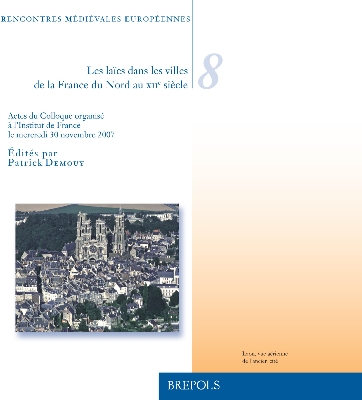
Les laïcs dans les villes de la France du Nord au XIIe siècle
show More to view fulltext, buy and share links for:Les laïcs dans les villes de la France du Nord au XIIe siècle show Less to hide fulltext, buy and share links for: Les laïcs dans les villes de la France du Nord au XIIe siècleLes villes de France du Nord au xii e siècle connaissent de spectaculaires transformations reflétant un dynamisme démographique et économique sans précédent. Leur paysage est bouleversé par les chantiers de constructions tandis que se développent à leurs portes des faubourgs étendus. Ouvertes sur les campagnes qui les approvisionnent en produits et en main d’œuvre, elles voient s’affirmer une société laïque variée et ambitieuse. Ayant obtenu des seigneurs communes et franchises, l’élite des citadins manifeste de réelles compétences juridiques et économiques supposant une éducation élaborée.
Le présent volume tente d’évoquer leurs cadres de vie, quelques aspects de leur mentalité et pose la question de leur formation.
-
-
-
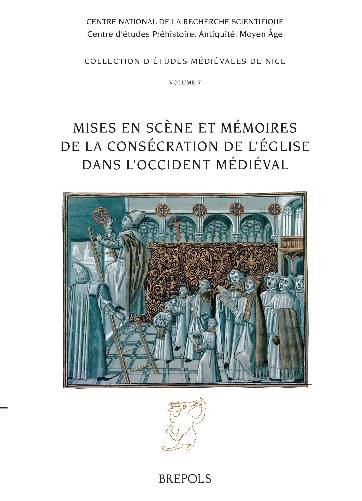
Mises en scène et mémoires de la consécration de l’église dans l’Occident médiéval
show More to view fulltext, buy and share links for:Mises en scène et mémoires de la consécration de l’église dans l’Occident médiéval show Less to hide fulltext, buy and share links for: Mises en scène et mémoires de la consécration de l’église dans l’Occident médiévalLe déroulement de la consécration ou dédicace d’une église est codifié dans l’Église latine aux vii e et viii e siècles pour devenir, au Moyen Âge central, un rituel fastueux. La consécration apparaît alors comme l’acte fondateur d’un nouvel espace-temps polarisé par le bâtiment ecclésial. Les paroles prononcées et les gestes effectués lors du rituel contribuent à manifester cette nouvelle naissance et les transformations qu’elle implique. Les mesures prises pour en conserver le souvenir inscrivent l’événement dans la mémoire de la communauté liée au lieu consacré.
Œuvre commune d’un groupe d’historiens, d’historiens de l’art et d’archéologues médiévistes, le présent ouvrage propose une réflexion sur les implications sociales de la consécration de l’église au Moyen Âge central. Il s’agit tout d’abord de comprendre la dynamique du rituel et ses effets sociaux, en étudiant les déplacements des protagonistes, les gestes des célébrants, tant furtifs (bénédictions, signes de croix, onctions) que durables (marquages au sol ou sur les murs), les paroles prononcées, la musique, les chants et les odeurs qui plongent le rituel dans une atmosphère multi-sensorielle. Il s’agit ensuite d’examiner les conditions de production d’un commentaire normatif et exégétique sur la consécration, tant en amont qu’en aval de la célébration, et de comprendre les liens qui unissent ces différents modes de discours sur le rituel. Il s’agit enfin de comprendre les formes et les effets sociaux des narrations de l’événement-consécration, tant par le verbe (de la notice à la chronique) que par l’inscription monumentale et l’image peinte ou sculptée. Ces trois axes de la réflexion sont envisagés de manière croisée et complémentaire.
Les auteurs ayant contribué à cet ouvrage sont implantés dans des structures universitaires ou de recherche en France, Suisse, Belgique, Canada et États-Unis.
-
-
-
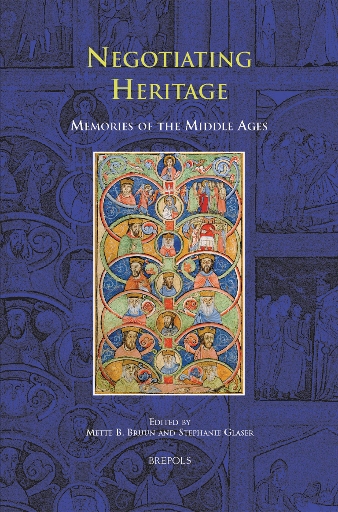
Negotiating Heritage
show More to view fulltext, buy and share links for:Negotiating Heritage show Less to hide fulltext, buy and share links for: Negotiating HeritageA key impulse of cultural transmission is engaging with the past for the benefit of the present. In seventeen essays on subjects that range from Paschasius Radbertus to Orhan Pamuk, the Regularis Concordia to Kurt Weill, and from Augustine to Adorno, Negotiating Heritage examines specific historical case-studies that reveal the appropriation, modification, or repudiation of a legacy. The overall focus of this interdisciplinary volume is memory: medieval conceptions of memory, resonances of the Middle Ages in later periods, and memory as a heuristic methodological device. Through tokens or other vestiges of the past - the physical memorial of a tomb, the ritualized retention of past acts or structures, the reverberations of a doctrinal, literary, musical, or iconographic topos, or the symbolic reminiscences of a past ideal - memory acts as the manifestation of something absent. This anthology studies such tokens in a way that provides a fruitful new perspective for the field of research into memory, and explores the methodological dimension of issues of heritage, genealogy, and tradition. Furthermore, Negotiating Heritage also probes the reception and construction of the Middle Ages in later periods; exploring the shifting territory of the meaning of the medieval itself. In its movement between medievalism and the medieval period, Negotiating Heritage is an important contribution to both established and emerging trends in critical thought.
-
-
-

Parisian Confraternity Drama of the Fourteenth Century
show More to view fulltext, buy and share links for:Parisian Confraternity Drama of the Fourteenth Century show Less to hide fulltext, buy and share links for: Parisian Confraternity Drama of the Fourteenth CenturyParisian Confraternity Drama of the Fourteenth Century is the first volume of studies devoted solely to the Miracles de Nostre Dame par personnages. These anonymous plays, found in a single luxury manuscript, comprise the only major corpus of dramatic works in French that have survived from the fourteenth century. They derive from a rich diversity of sources: narrative miracle accounts, saints’ lives, epic chansons de geste, vernacular romances, and history. Each play is preceded by a richly detailed miniature, some two dozen include a sermon in prose, and each includes at least one rondel to be sung by the cortege accompanying the Virgin. They constitute both a collective demonstration of the fervent late-medieval devotion to the Virgin, and a substantial archive of contemporary insights into the issues of power, authority, and influence that struggled for dominance in fourteenth-century Paris. As this extraordinary collection has, in its entirety, attracted little critical attention to date, this volume will be of significant interest to scholars wishing to explore the plays in their literary context, as well as those interested in medieval drama, the Marian tradition, and the role of confraternities in fourteenth-century French culture.
-
-
-
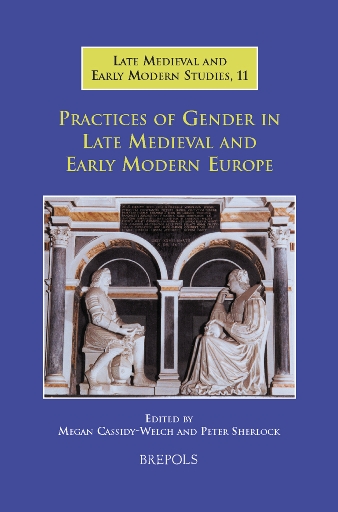
Practices of Gender in Late Medieval and Early Modern Europe
show More to view fulltext, buy and share links for:Practices of Gender in Late Medieval and Early Modern Europe show Less to hide fulltext, buy and share links for: Practices of Gender in Late Medieval and Early Modern EuropeThis collection argues that gender must be considered as both an approach to history, and as a reflection of the deep workings of the lived, historical past. The sixteen original essays explore social and cultural expressions of gender in Europe from the fourteenth to the eighteenth centuries. They examine theories and practices of gender in domestic, religious, and political contexts, including the Reformation, the convent, the workplace, witchcraft, the household, literacy, the arts, intellectual spheres, and cultures of violence and memory. The volume exposes the myriad ways in which gender was actually experienced, together with the strategies used by individual men and women to negotiate resilient patriarchal structures. Overall, the collection opens up new synergies for thinking about gender as a category of historical analysis and as a set of experiences central to late medieval and early modern Europe.
-
-
-
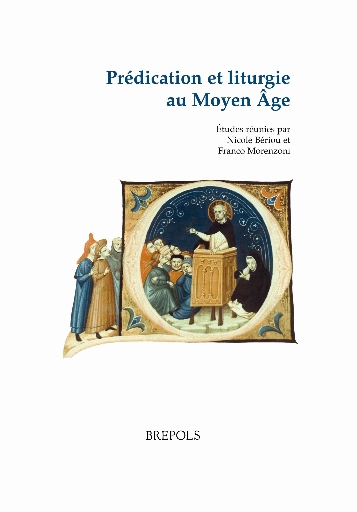
Prédication et liturgie au Moyen Âge
show More to view fulltext, buy and share links for:Prédication et liturgie au Moyen Âge show Less to hide fulltext, buy and share links for: Prédication et liturgie au Moyen ÂgeLa transmission des traces écrites de la prédication médiévale prend habituellement la forme de recueils de sermons ordonnés selon les fêtes du calendrier liturgique. Pour autant, la relation d’intimité entre prédication et liturgie qu’on serait tenté d’en déduire n’est ni nécessaire, ni évidente. La discrétion des liturgistes médiévaux sur les pratiques de prédication l’atteste, et de même, celle des auteurs d’artes predicandi sur la liturgie.
Comment la prédication et la liturgie, ces deux manières complémentaires, mais clairement distinctes, de construire un discours public sur la foi, et de pratiquer la religion, au sein de la société, sous la forme d’actions auxquelles on prête une efficacité symbolique, se sont-elles rejointes, voire mutuellement renforcées au cours de l’histoire de la christianisation? Telle est la question qui sous-tend la quinzaine d’études réunies dans ce volume. Le millénaire médiéval s’y trouve à dessein enchâssé entre la période d’épanouissement de la prédication des Pères, qui est aussi le temps de l’élaboration d’assises durables pour la liturgie, et le moment crucial des remises en question de tous ordres qui, à partir du xvi e siècle, permettent d’observer le temps passé comme dans un miroir. La parole y est surtout donnée aux prédicateurs, en réalité très diserts sur les textes lus et chantés, les gestes, les vêtements, les rites et les usages de la liturgie – en particulier, sur les rituels de consécration ou de dédicace des églises, et sur les processions de la Fête-Dieu. Si les prédicateurs, de la sorte, donnent sens au culte, la liturgie est aussi pour eux un instrument pédagogique mis au service de la mémorisation de leur message, un langage qu’ils s’approprient en recourant à la citation poétique, ou à la transposition métaphorique des mots du rituel, voire une autorité qui leur sert d’argument de persuasion ou, plus rarement, dont ils éprouvent la validité rationnelle. De plus, dès le xiii e siècle, dans les villes, les frères mendiants n’hésitent pas à détacher leurs prises de parole des temps et des lieux ordinaires de la célébration liturgique au profit de la conquête et de la sacralisation d’un temps et d’un espace du quotidien, alors que le théâtre et les livres de lecture s’emparent des techniques du sermon et des ressources de la liturgie, en des formes renouvelées de la pratique pastorale.
-
-
-
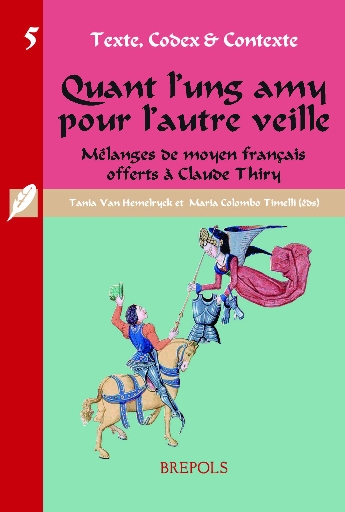
Quant l’ung amy pour l’autre veille
show More to view fulltext, buy and share links for:Quant l’ung amy pour l’autre veille show Less to hide fulltext, buy and share links for: Quant l’ung amy pour l’autre veilleEn hommage à Claude Thiry et dans le but de faire progresser les connaissances dans un domaine dont il est un éminent spécialiste, ce volume réunit une quarantaine d’études toutes centrées sur le moyen français.
En écho à la richesse des travaux du dédicataire, ces contributions se déploient selon six axes: les richesses de la langue, les formes de la prose, la diversité de la production poétique, l’historiographie princière, les œuvres de théâtre, les questions liées à l’édition de textes.
Tant par la variété des sujets traités que par la diversité des approches, ce livre constitue une contribution importante à ce vaste champ de recherche qu’est devenu le français des XIVe-XVIe siècles.
-
-
-
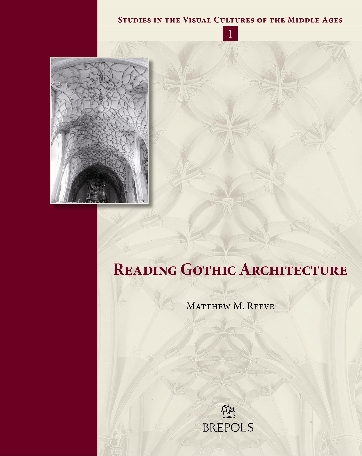
Reading Gothic Architecture
show More to view fulltext, buy and share links for:Reading Gothic Architecture show Less to hide fulltext, buy and share links for: Reading Gothic ArchitectureThe Gothic style is now one of the supreme products of Medieval and Renaissance visual culture. Subject to multiple readings and (re)interpretations from ca. 1500 to the present, Gothic stands as one of two dominant languages of European historical architecture. This volume explores methods of reading and interpreting the Gothic from the twelfth through the sixteenth century. Following the editor’s introduction, it contains ten essays written by leading scholars from Canada, the United States, and Great Britain. In challenging the traditional parameters of Gothic, the papers explore ‘Medieval’ and ‘Renaissance’ manifestations of the Gothic, and they consider material ranging geographically from Ireland to Poland, and from Paris to Sicily. Each paper explores ways in which Gothic was or could be read by the contemporary viewers for which it was designed, and by post-modern commentators. In placing the act of reading at the centre of their investigations, the papers offer significant new insights into the forms and meanings of the Gothic.
-
-
-
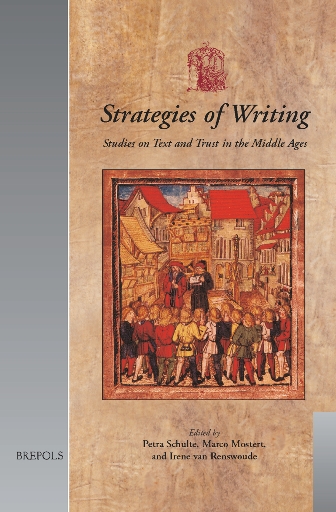
Strategies of Writing
show More to view fulltext, buy and share links for:Strategies of Writing show Less to hide fulltext, buy and share links for: Strategies of WritingTrust is the basis of all social relations. It presupposes the concordance of word and deed. Trust is not created spontaneously, but requires a process of observation and socialization, and thus is culturally determined and subject to change. Writing may engender trust, and trust may be placed in written texts.
The contributions to this volume address the complex relationships between ‘trust’ and ‘writing’ in the Middle Ages. They deal with charters, historiography, letters, political communication, and the possibilities of trust in writing. Some of the questions addressed are: Does writing as a medium engender trust irrespective of the contents of the written text? Was trust in writing dependent on trust in an authority? Was the written form of the text meant to confer trust on its contents? Did rituals take place that were meant to enhance the text’s trustworthiness? Can changes be observed in the strategies of engendering trust? Was trust considered food for reflection in written texts? What was considered to constitute a breach of trust? The volume is dedicated to Michael Clanchy, whose work inspired much of its contents.
-