


EMISCS16

Collection Contents
2 results
-
-
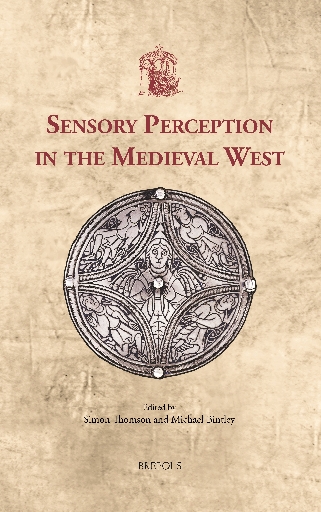
Sensory Perception in the Medieval West
show More to view fulltext, buy and share links for:Sensory Perception in the Medieval West show Less to hide fulltext, buy and share links for: Sensory Perception in the Medieval WestWhat was it like to experience the medieval world through one’s senses? Can we access those past sensory experiences, and use our senses to engage with the medieval world? How do texts, objects, spaces, manuscripts, and language itself explore, define, exploit, and control the senses of those who engage with them?
This collection of essays seeks to explore these challenging questions. To do so is inevitably to take an interdisciplinary and context-focused approach. As a whole, this book develops understanding of how different fields speak to one another when they are focused on human experiences, whether of those who used our sources in the medieval period, or of those who seek to understand and to teach those sources today.
Articles by leading researchers in their respective fields examine topics including: Old English terminology for the senses, effects of the digitisation of manuscripts on scholarship, Anglo-Saxon explorations of non-human senses, scribal sensory engagement with poetry, the control of sound in medieval drama, bird sounds and their implications for Anglo-Saxon sensory perception, how goldwork controls the viewing gaze, legalised sensory impairment, and the exploitation of the senses by poetry, architecture, and cult objects.
-
-
-
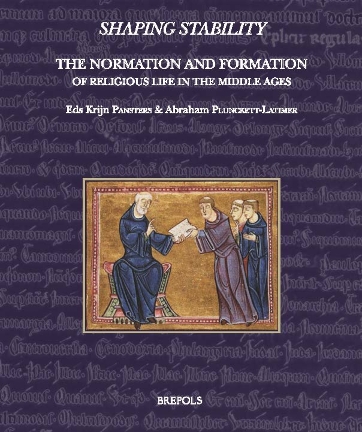
Shaping Stability
show More to view fulltext, buy and share links for:Shaping Stability show Less to hide fulltext, buy and share links for: Shaping StabilityThis volume examines the efforts of medieval religious communities and orders to bring stability to the dynamic complexity of organized religious life. By focusing on legislative structures and normative documents (rules, customaries, constitutions), the authors address not only such matters as the meaning of these texts and the motivations behind them, but also the evolving conditions of their production and use, the internal politics of institutional change, and the reality of “precept not practice.” These papers thus present spiritual principles and social practices in their historical and functional contexts, confront normative programs with formative processes, and explain distinctive modes and models of life within the broader landscape of medieval organized religion..
-