
Full text loading...



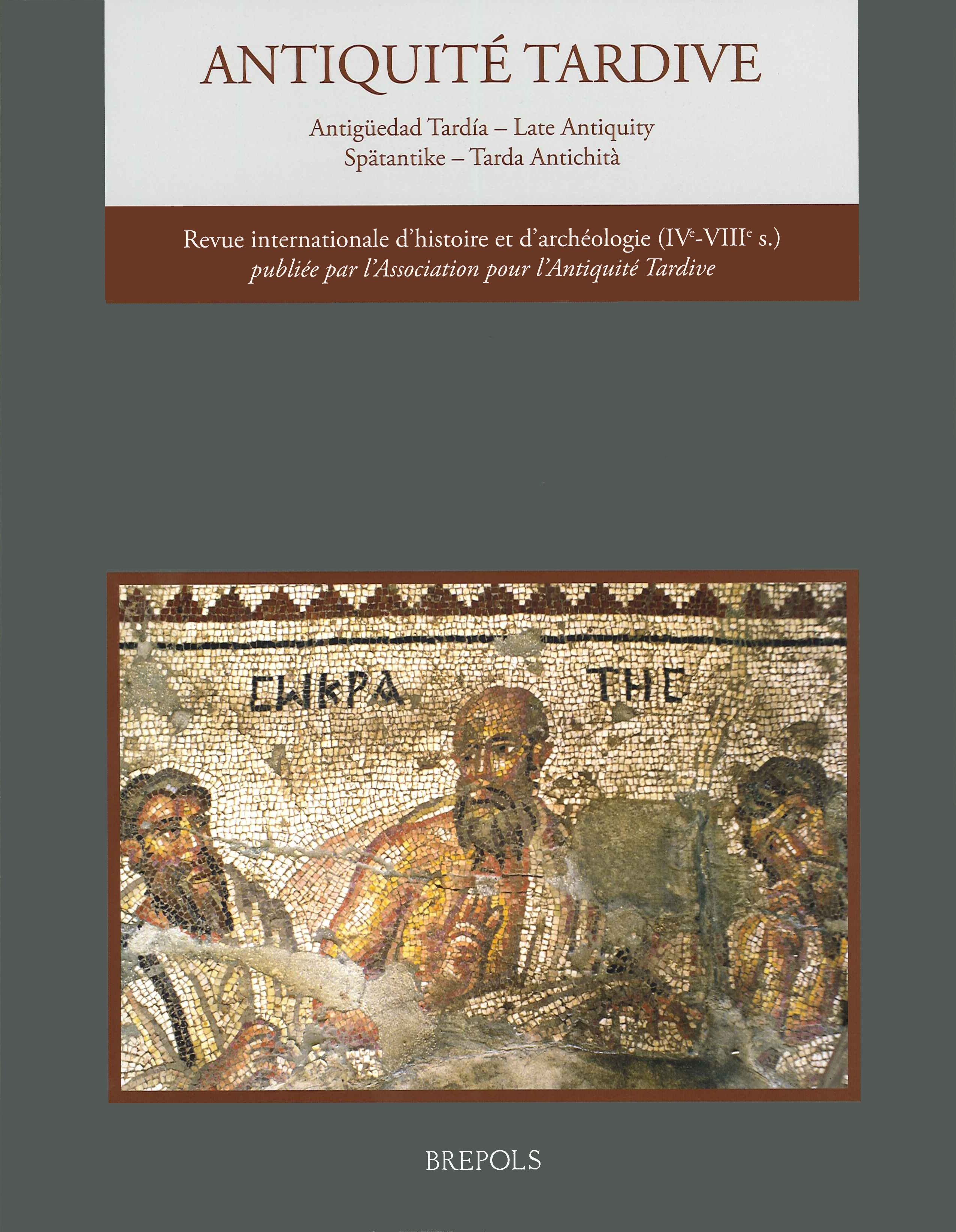
This paper deals with the reading and the reception of Greek epigraphic epigrams in Late Antiquity. Inner features of the texts — repeated allusions to the ‘voices’ of the poems, frequency of dialogic structures —, as well as aspects of the mise en page, combined with literary testimonies, lead to conclude that in Late period also epigraphic epigrams were read aloud, through an ‘oralised’ reading. The high literary language and style of many late epigrams were obviously not accessible to a wider audience: from the point of view of reception, we should distinguish between the cultivated élite, able to properly understand the literary content of the epigrams, and a semiliterate audience, which probably ‘read’ the texts through the intermediation of a lector. The greatest part of the ‘readers’, nevertheless, was aware of the cultural prestige of an inscribed literary poem, even when they could not well grasp all the subtleties of the text. In the last part of the paper, after examining the possible reception of some epigrams in Christian context, I suggest that epigrams on stones played a significant role in assuring the social importance of classical paideia in the Christian world.