
Full text loading...



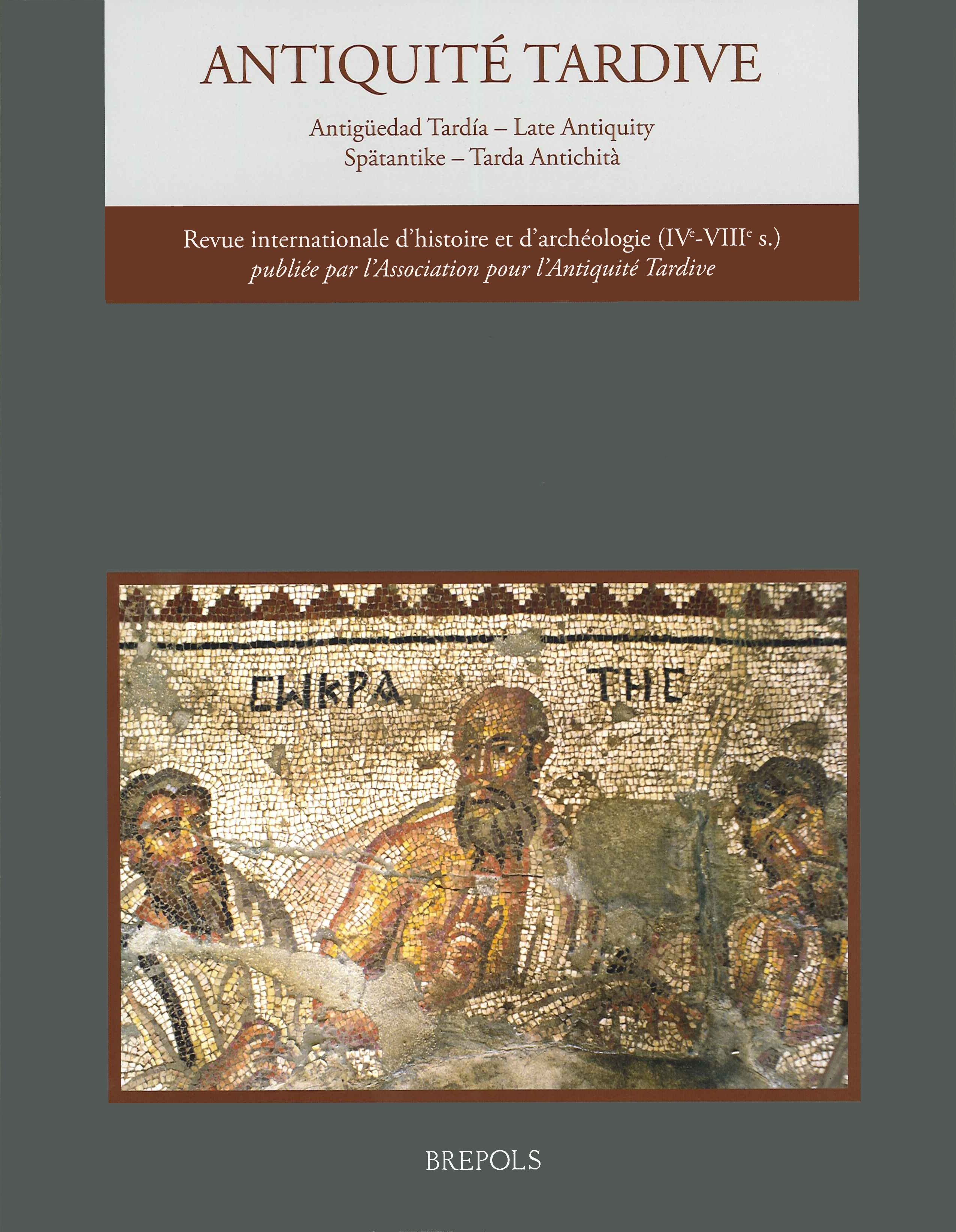
Rather than trying to draw artificially unifying conclusions from such a mutif-faceted conference, it has been choosed to come back to the personal experience of some privileged witnesses, — mainly Libanios, but also the Gallic arstocrats of the fifth century and, as an earlier couterpoint, Galienus. Through their different ways of leading a life with books, it has been tempted to consider from their rational or affective view-point and handling such problems as obtaining books, paying for books, sharing books, living among books or doing without books. The guiding hypothesis was that in the late classic world book was a costly non necessary item with a high subjective and symbolic value, which explains how it economically behaved differently from other artifacts or valuables.