
Full text loading...



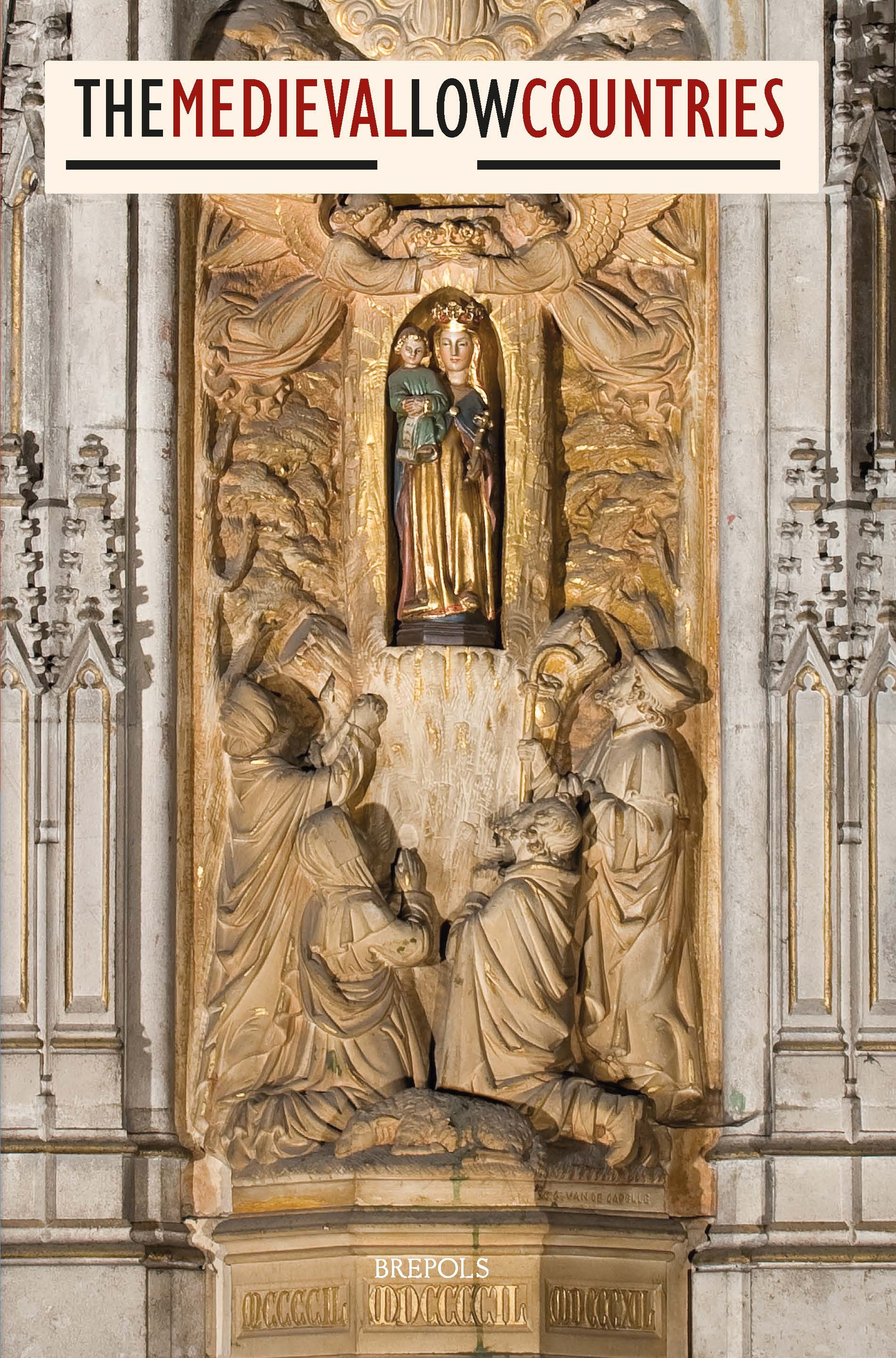
Based on a petition to Pope Clement V dating from 1310, this essay examines the specific way of religious life in the women’s community of Thorn Abbey (Dutch Limburg). Additionally, a recent scholar debate which questions the common distinction between ‘monastery’ and ‘secular Stift’ is taken into account: such an ideal type of distinction is not useful for the early and high medieval period. Until now Thorn Abbey, too, was considered to be a foundation under Benedictine observance which became a secular Stift during the high Middle Ages. In contrast to this assumption, this essay shows that presumably no particular ordo was defined when the community was founded. It was not until the beginning of the late medieval period when the community’s property was clearly divided into possessions of the Abbey and the convent’s goods. This differentiation shows an advanced dissolution of the vita communis. However, for a long period of time, a profound uncertainty of their own status seems to have affected the community’s life. Therefore the members of the community addressed themselves to the Pope aiming at a canonical approval of their status. This goal was not achieved until the end of the fifteenth century, but from that moment, the ideal of their community’s life, created in the petition of 1310, remained unchanged.
Article metrics loading...
Full text loading...