
Full text loading...



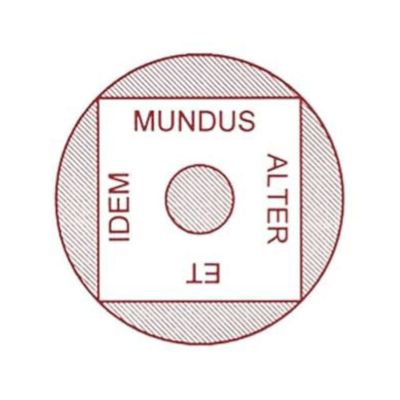
Jacob Balde’s four books of Lyrica constitute, at the formal level, a perfect imitation of Horace’s Carmina. More deeply, however, they can be read as a kind of Christian anti-Horace. To begin with, Balde provides no pendant to Horace’s dedicatory ode to Maecenas and in fact dedicates his odes to nobody at all. Instead, the first three of them, taken together, might appear to be a subtle homage to the ideals of life in religious orders. Lyrica 1,1 presents a nobleman who prefers a modest life gardening to election as king. Lyrica 1,2 addresses obedience to one’s teacher. Lyrica 1,3 celebrates the ‘constantia’ of Thomas More who rejected his wife and daughter out of steadfastness to his ideals. These are precisely the principles of regular religious life: poverty, obedience, and celibacy. Each of them, in Balde’s view, grants freedom from earthly bonds, material needs, obligations to family and subjection to secular power. He who has been freed of these ties has no need for a patron like Maecenas. Despite all this, Balde does provide a dedicatory ode for his Lyrica – but at the end, rather than the beginning, of the first book. There, in the first of his Marian odes (Lyrica 1,43), Balde casts the Virgin herself in the role of the Horatian Maecenas. Nevertheless, through the course of a whole book of more than forty odes, he has acted to this point as a free poet without any patron.