


Medieval Narratives in Transmission

Traumas of 1066 in the Literatures of England, Normandy, and Scandinavia
1066 is one of the most well-known dates in English history: but how far do we understand the mental and emotional lives of those who experienced it? In just over a month England was rocked by two separate invasions multiple pitched battles and the deaths of thousands. The repercussions of these traumatic events would echo through the history and literature of northern Europe for centuries to come.
Drawing on studies of trauma and cultural memory this book examines the cultural repercussions of the year 1066 in medieval England Normandy and Scandinavia. It explores how writers in all three regions celebrated their common heritage and mourned the wars that brought them into conflict. Bringing together texts from an array of languages genres and cultural traditions this study examines the strategies medieval authors employed to work through the traumas of 1066 narrating its events and experiences in different forms. It explores the ways in which history and memory interacted through multiple generations of writers and readers and reveals how the field of trauma studies can help us better understand the mental and emotional lives of medieval people.

Medieval Stories and Storytelling
Multimedia and Multi-Temporal Perspectives
The shaping and sharing of narrative has always been key to the negotiation and recreation of reality for individuals and cultural groups. Some stories indeed seem to possess a life of their own: claiming a peculiar agency and taking on distinct voices which speak across time and space. How for example do objects manuscripts and other artefacts communicate alternative or complementary narratives that transcend textual and linguistic boundaries? How are stories created reshaped and re-experienced and how do these shifting contexts and media change meaning?
This volume of essays explores these questions about meaning and identity in a range of ways. As a collection it demonstrates the importance of interdisciplinary and context-focused enquiry when approaching key issues of activity and identity in the medieval period. Ultimately the process of making meaning through shaping narrative is shown to be as vital and varied in the medieval world as it is today.
With a wide range of different disciplinary approaches from leading scholars in their respective fields chapters include considerations of art architecture metalwork linguistics and literature. Alongside examinations of medieval cultural productions are explorations of the representation and adaptation of medieval storytelling in graphic novels classroom teaching and computer gaming. This volume thus offers an interdisciplinary exploration of how stories from across the medieval world were shaped transformed and transmitted.
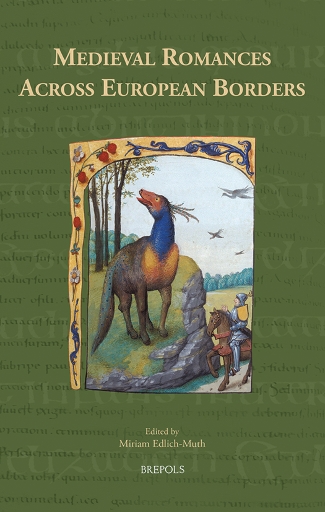
Medieval Romances Across European Borders
They were the bestsellers of their time; in the late medieval period a number of shorter romances and tales such as Floire et Blancheflor Partonopeus de Blois Valentine and Orson and many others enjoyed striking popularity across different regions of Europe. In this volume scholars from across Europe and beyond examine the processes by which medieval romances were adapted across regional and national borders. By considering how the content form and broader contextualisation of individual romances were altered by the transition from one region to another the chapters variously address the role translators narrators editors and compilers played in adapting the tales to different cultural and codicological settings. In this context they discuss not only the shifting plotlines of the tales but also the points at which the generic features of the texts shift in response to changing cultural codes. In doing so they raise broader questions concerning the links between genre manuscript form cultural assimilation and the popularity of certain romance texts in different cultural communities.