
Full text loading...





The study of the historical-liturgical context of the Bible: A bridge between ‘East’ and ‘West’?, Page 1 of 1
< Previous page | Next page > /docserver/preview/fulltext/10.1484/M.CBM-SUBSIDIA-EB.6.09070802050003050408090501/M.CBM.1.101387-1.gif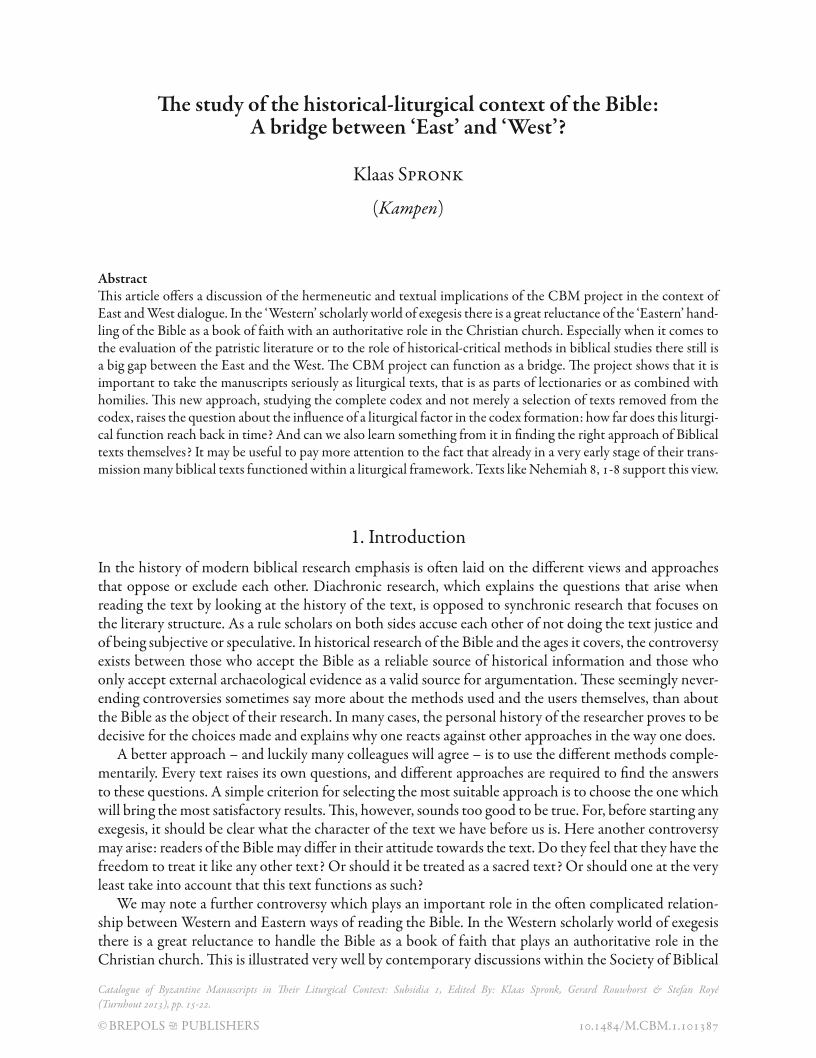
[
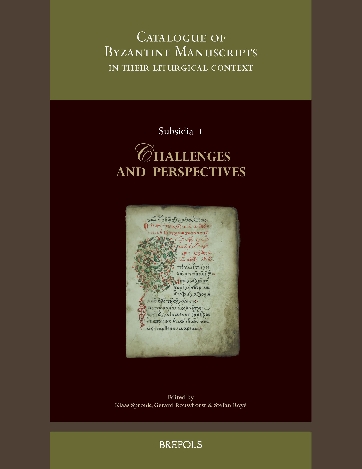
The world of Byzantine manuscripts is fascinating but also confusing. Although they play an important part in modern studies on the history of Christian liturgy and on the textual history of the Bible, a clear overview of the vast amount of these manuscripts in their many different forms is lacking. A new approach in their cataloguing is called for. The present volume brings together a number of specialists in the field of Byzantine, liturgical and Biblical studies with the aim to develop a new methodology for codicological research of the Byzantine manuscripts, taking seriously the original environment of the integral codices in the monasteries and the churches in which they were manufactured and functioned.
Prof. dr. Klaas Spronk is Head of the Research Department Sources of the Protestant Theological University (PThU), location Amsterdam, and chairman of the CBM Academic Board.
Prof. dr. Gerard Rouwhorst is Professor of Liturgical History at the Tilburg School of Catholic Theology and member of the Department of Biblical Sciences and Church History of that institution. He is member of the CBM Academic Board.
Dr. Stefan Royé is member of the Research Department Sources of the Protestant Theological University (PThU), location Amsterdam, and CBM programme coordinator and secretary of the Academic Board.
,This article offers a discussion of the hermeneutic and textual implications of the CBM project in the context of East and West dialogue. In the ‘Western’ scholarly world of exegesis there is a great reluctance of the ‘Eastern’ handling of the Bible as a book of faith with an authoritative role in the Christian church. Especially when it comes to the evaluation of the patristic literature or to the role of historical-critical methods in biblical studies there still is a big gap between the East and the West. The CBM project can function as a bridge. The project shows that it is important to take the manuscripts seriously as liturgical texts, that is as parts of lectionaries or as combined with homilies. This new approach, studying the complete codex and not merely a selection of texts removed from the codex, raises the question about the influence of a liturgical factor in the codex formation: how far does this liturgical function reach back in time? And can we also learn something from it in finding the right approach of Biblical texts themselves? It may be useful to pay more attention to the fact that already in a very early stage of their transmission many biblical texts functioned within a liturgical framework. Texts like Nehemiah 8, 1-8 support this view.
]
Full text loading...