


oa Investigating CERN’s Science Diplomacy in the Midst of the Cold War. The Case of the CERN–Serpukhov Collaboration *

- By: Grigoris Panoutsopoulos
- Publication: The Missing Interaction: Science and Diplomacy in the Early Cold War , pp 105-132
- Publisher: Brepols
- Publication Date: January 2025
- DOI: https://doi.org/10.1484/M.SD-EB.5.150712


Investigating CERN’s Science Diplomacy in the Midst of the Cold War. The Case of the CERN–Serpukhov Collaboration * , Page 1 of 1
< Previous page | Next page > /docserver/preview/fulltext/10.1484/M.SD-EB.5.141727/M.SD-EB.5.150712-1.gif
Abstract
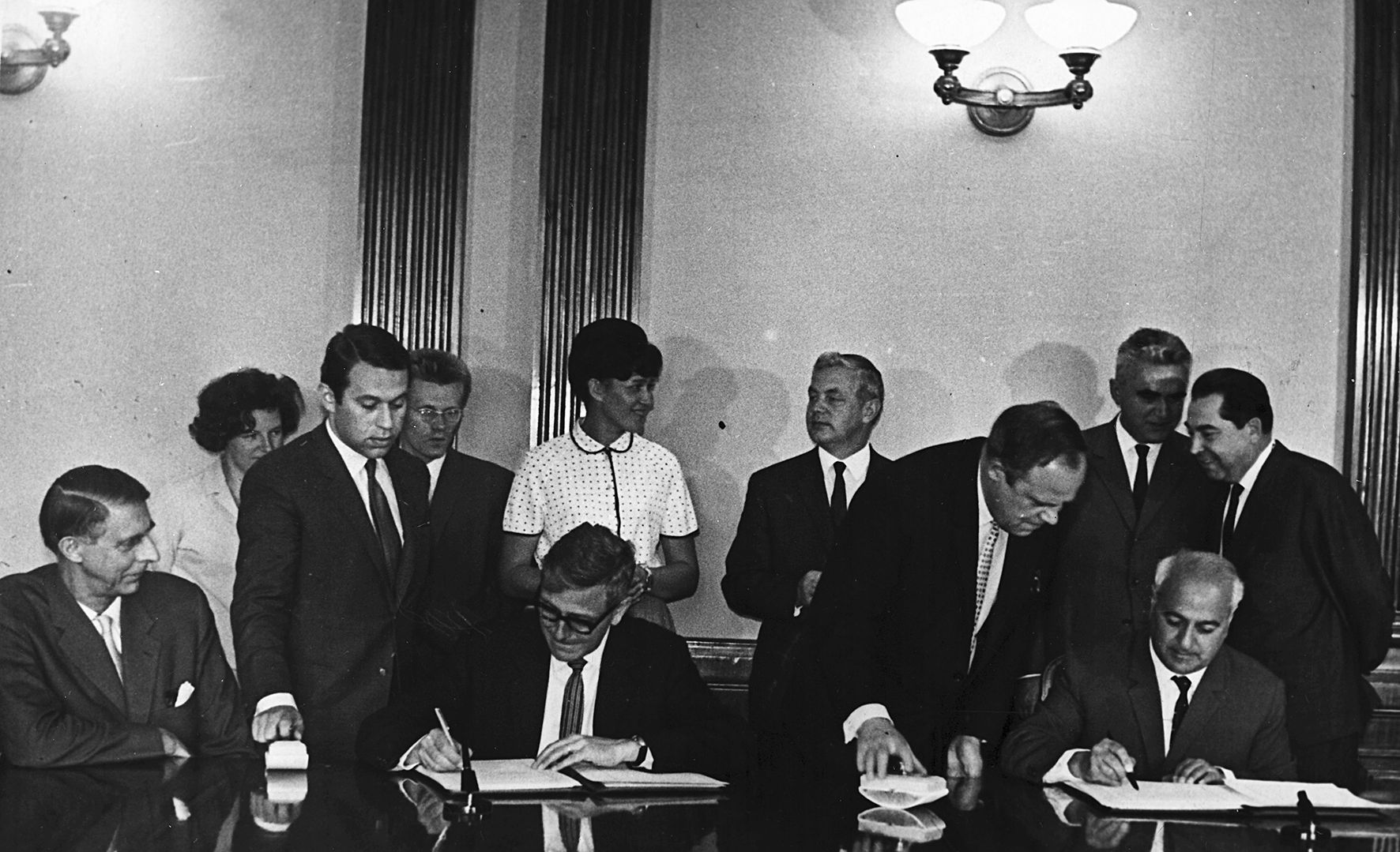
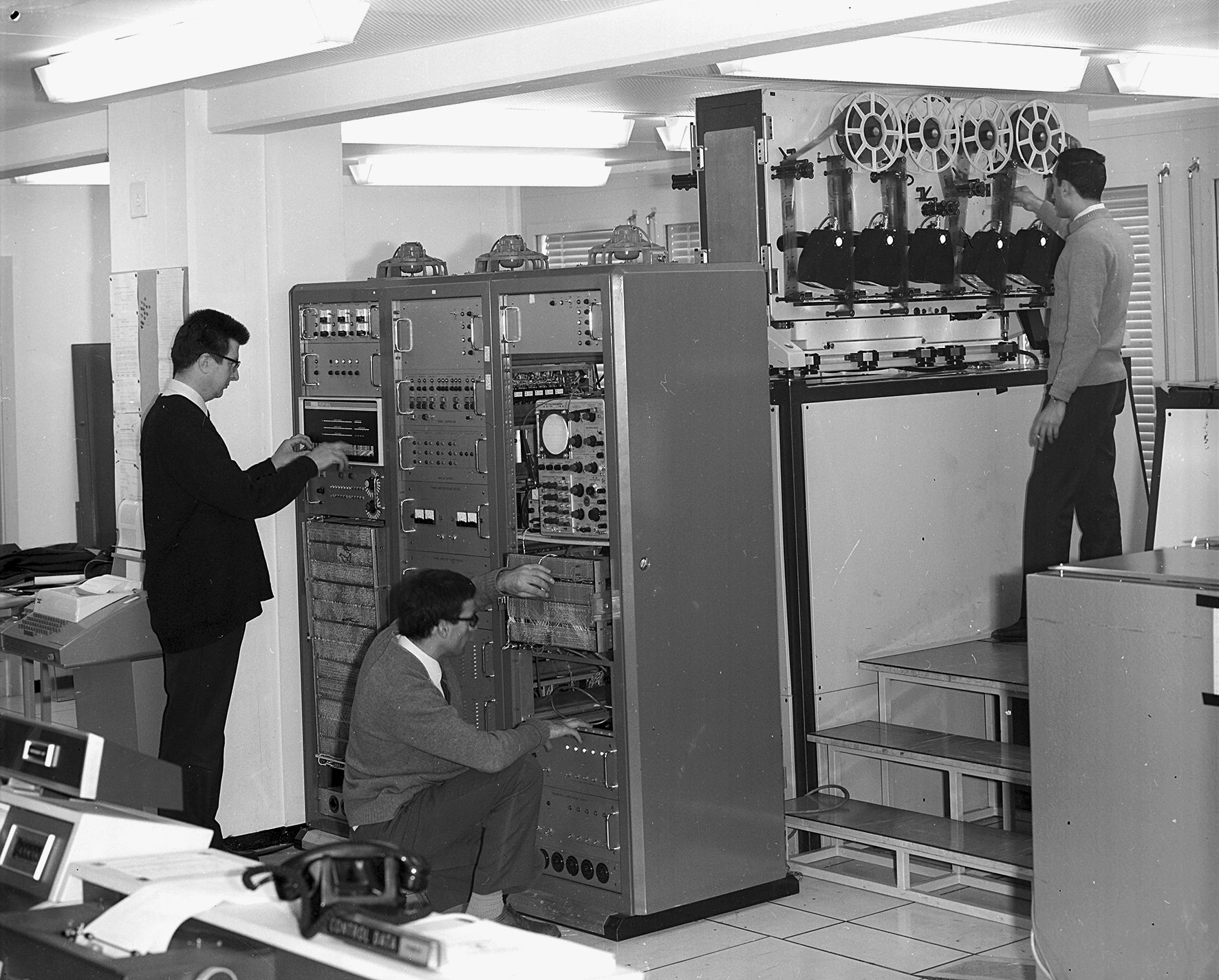
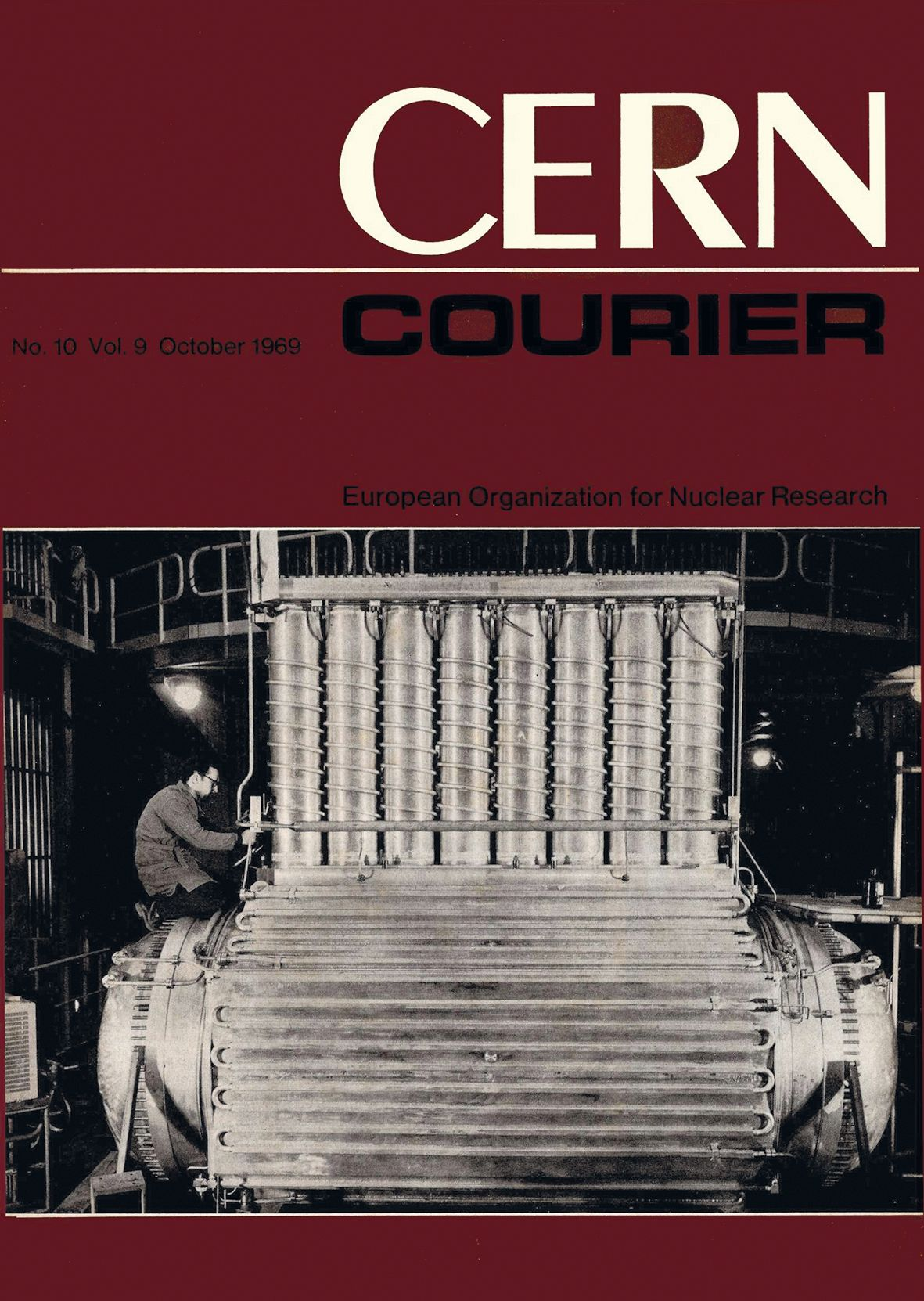
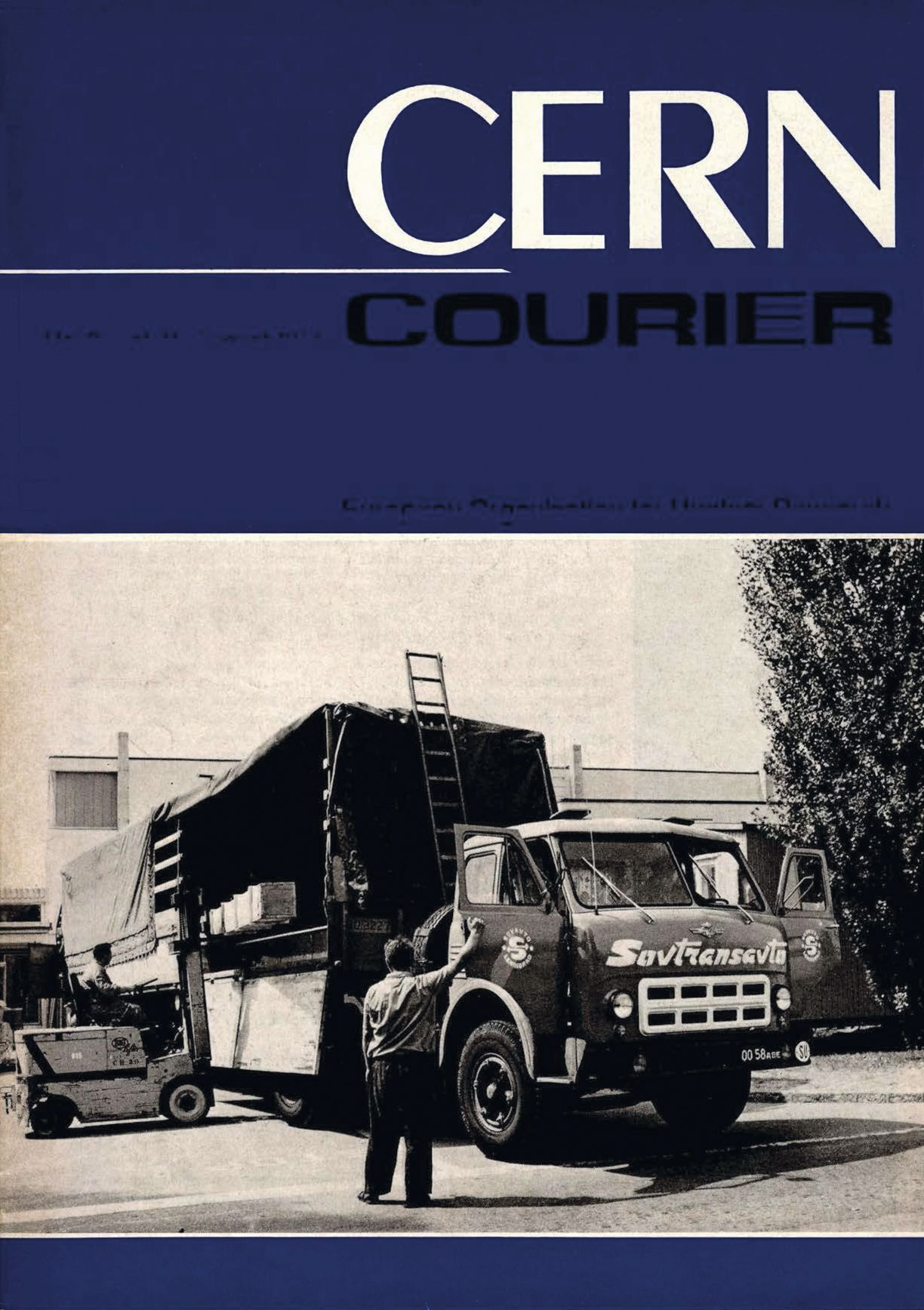
For all that has been written about the Conseil Européen pour la Recherche Nucléaire (CERN), including its important political and diplomatic role, less attention has been paid to its material aspects. This chapter highlights the pivotal importance of this material dimension to the formation of the organization’s worldwide networks. It emphasizes too how CERN has been shaped by technology transfer and the circulation of instruments, innovations and artefacts. To this end, the chapter uses the CERN–Serpukhov collaboration as a case study to illuminate the material dimension of CERN’s place and role in Cold War diplomacy, including its scientists. During the 1960s, Western Europe was both scientifically and politically seeking to move beyond the influence of the United States and to become an independent force in the Cold War. This would also enable the region to forge détente with the Soviet Union. In this geopolitical context, spearheaded by the French, the CERN–Serpukhov collaboration involved scientific, technological, diplomatic, financial, and industrial dimensions. It centred on a powerful particle accelerator — the U-70 Synchrotron, located at the Soviet Institute for High Energy Physics in Serpukhov — which enabled research into high-energy particles. The analysis focuses on two different technical systems which formed part of the U-70 Synchrotron set-up and which travelled from Europe to the Soviet Union and were used as assets in diplomacy between governments, scientific organizations, and intelligence agencies. The first system was the gigantic ‘Mirabelle’ bubble chamber, which was constructed in the French nuclear laboratory of Saclay and then transported piece by piece to Serpukhov. Second, were the computers of the British manufacturer ICL, which afforded prime opportunities for increased economic cooperation and trade flows between Western Europe, especially the UK, and the Soviet Union. These computers became a source of serious friction between the US and the UK, an episode which involved of the CIA and the CoCom, and highlights the sensitivities surrounding East–West technology transfer at CERN during the Cold War.

Full text loading...
Figures
-
From This Site
/content/books/10.1484/M.SD-EB.5.150712dcterms_title,dcterms_subject,pub_serialIdent,pub_author,pub_keyword-contentType:Contributor -contentType:Concept -contentType:Institution105