Full text loading...



Cooperation, or Control? Scientist-Diplomats, the IAEA, and the Global Nuclear Order * , Page 1 of 1
< Previous page | Next page > /docserver/preview/fulltext/10.1484/M.SD-EB.5.141727/M.SD-EB.5.150718-1.gif
Abstract
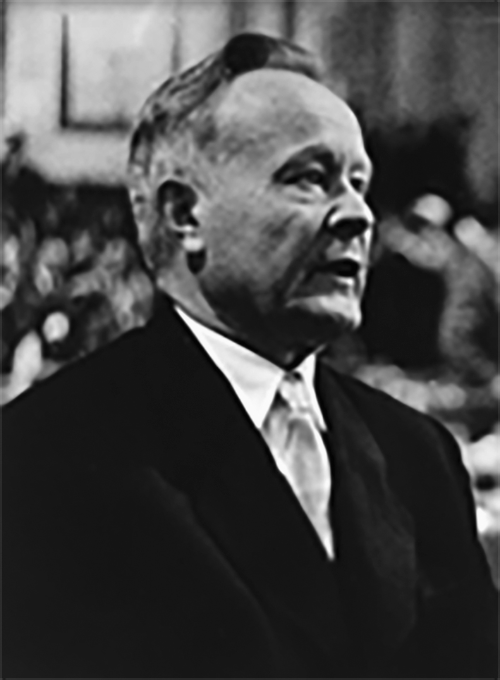
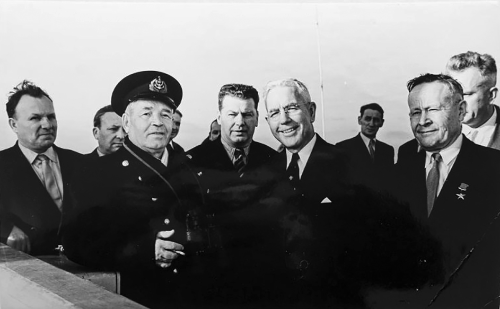
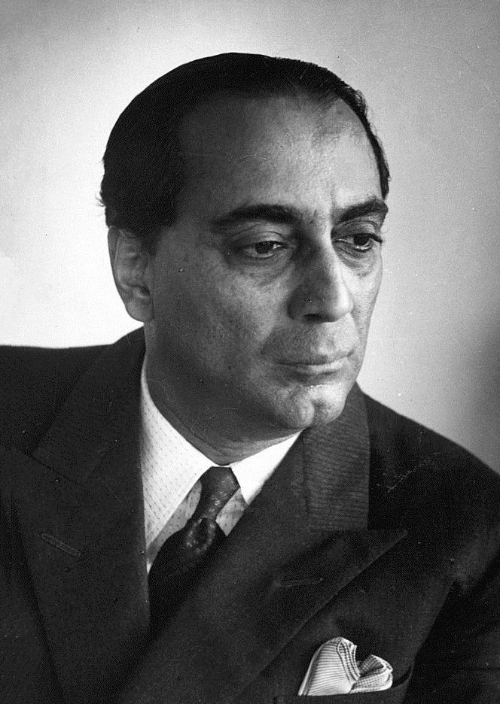
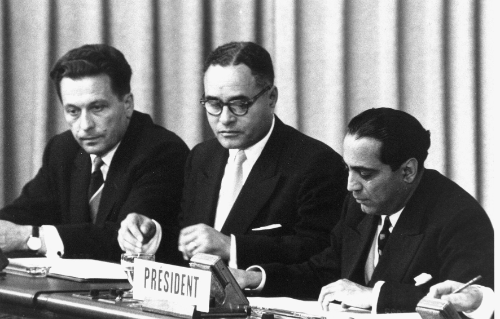
This paper critically examines the case of three prominent scientist-diplomats to elucidate the functional aspects of post-World War II nuclear science diplomacy. The paper biographically maps the rise of these three scientist-diplomats, namely, Homi J. Bhabha from India, Bertrand Goldschmidt from France, and Vasily S. Emelyanov from the Soviet Union, in post-WWII nuclear diplomacy and their role in shaping global atomic energy governance. Their technical expertise and bearings of national styles profoundly influenced their approach to nuclear scientific cooperation. The science diplomats, we show, became instrumental in setting the norms of scientific cooperation as they forged a common diplomatic understanding of crucial scientific and technological matters based on varying ideological and geostrategic considerations. The three scientist-diplomats constantly negotiated the domestic and international spheres using their specialized knowledge and positioning to shape necessary techno-political outcomes. The three scientist-diplomats, in turn, reveal the character of scientific cooperation that is innately political with diverse ideational and material underpinnings.
Full text loading...