


oa Bears bring spring: An anthropological view on the role of the bear in middle European winter feasts
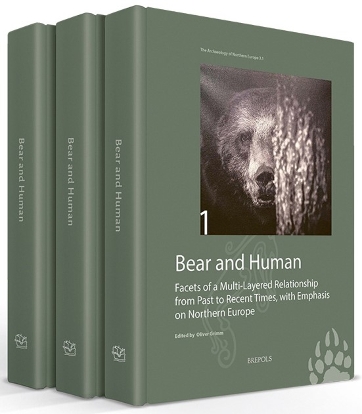
- Authors: Jet Bakels and Anne Marie Boer
- Publication: Bear and Human , pp 1147-1158
- Publisher: Brepols
- Publication Date: January 2023
- DOI: https://doi.org/10.1484/M.TANE-EB.5.134383


Bears bring spring: An anthropological view on the role of the bear in middle European winter feasts, Page 1 of 1
< Previous page | Next page > /docserver/preview/fulltext/10.1484/M.TANE-EB.5.133678/M.TANE-EB.5.134383-1.gif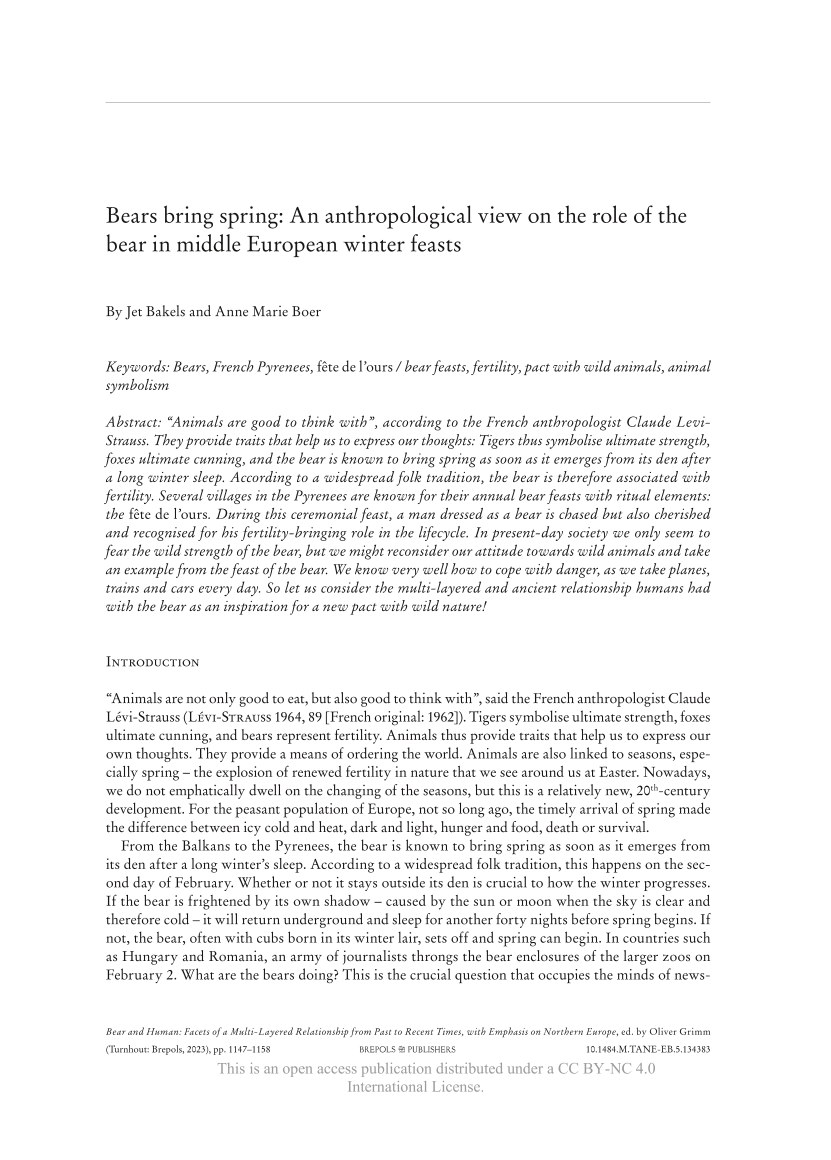
“Animals are good to think with”, according to the French anthropologist Claude Levi- Strauss. They provide traits that help us to express our thoughts: Tigers thus symbolise ultimate strength, foxes ultimate cunning, and the bear is known to bring spring as soon as it emerges from its den after a long winter sleep. According to a widespread folk tradition, the bear is therefore associated with fertility. Several villages in the Pyrenees are known for their annual bear feasts with ritual elements: the fête de l’ours. During this ceremonial feast, a man dressed as a bear is chased but also cherished and recognised for his fertility-bringing role in the lifecycle. In present-day society we only seem to fear the wild strength of the bear, but we might reconsider our attitude towards wild animals and take an example from the feast of the bear. We know very well how to cope with danger, as we take planes, trains and cars every day. So let us consider the multi-layered and ancient relationship humans had with the bear as an inspiration for a new pact with wild nature!

Full text loading...
-
From This Site
/content/books/10.1484/M.TANE-EB.5.134383dcterms_title,dcterms_subject,pub_serialIdent,pub_author,pub_keyword-contentType:Contributor -contentType:Concept -contentType:Institution105