


oa Illegitimate ‘Dutch’ Gold Ducats in the Russian Empire
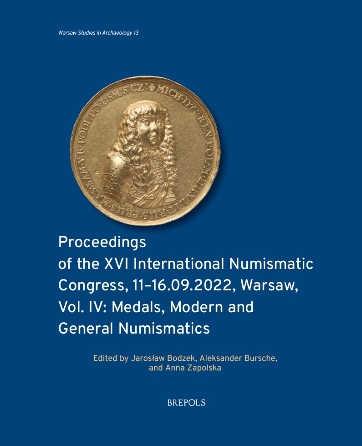
- By: Ivan Sintchouk
- Publication: Proceedings of the XVI International Numismatic Congress, 11–16.09.2022, Warsaw, Vol. iv: Medals, Modern and General Numismatics , pp 109-115
- Publisher: Brepols
- Publication Date: January 2025
- DOI: https://doi.org/10.1484/M.WSA-EB.5.145469


Illegitimate ‘Dutch’ Gold Ducats in the Russian Empire, Page 1 of 1
< Previous page | Next page > /docserver/preview/fulltext/10.1484/M.WSA-EB.5.143657/M.WSA-EB.5.145469-1.gif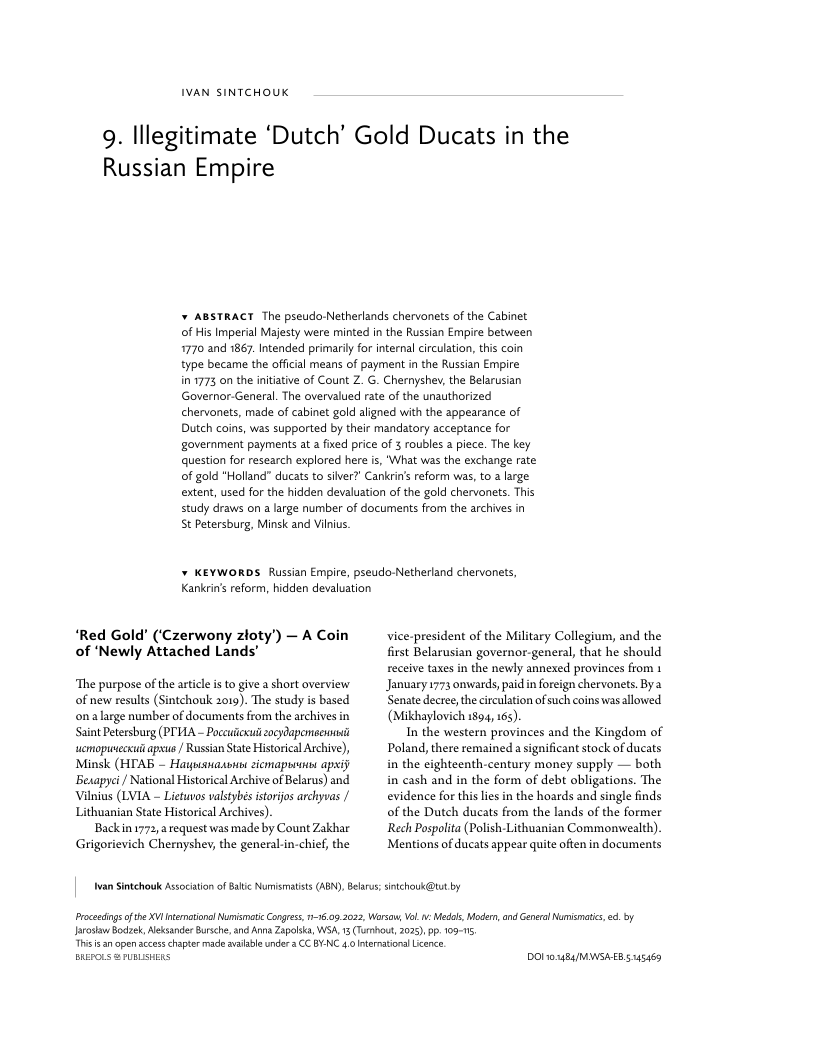
The pseudo-Netherlands chervonets of the Cabinet of His Imperial Majesty were minted in the Russian Empire between 1770 and 1867. Intended primarily for internal circulation, this coin type became the official means of payment in the Russian Empire in 1773 on the initiative of Count Z. G. Chernyshev, the Belarusian Governor-General. The overvalued rate of the unauthorized chervonets, made of cabinet gold aligned with the appearance of Dutch coins, was supported by their mandatory acceptance for government payments at a fixed price of 3 roubles a piece. The key question for research explored here is, ‘What was the exchange rate of gold “Holland” ducats to silver?’ Cankrin’s reform was, to a large extent, used for the hidden devaluation of the gold chervonets. This study draws on a large number of documents from the archives in St Petersburg, Minsk and Vilnius.

Full text loading...
-
From This Site
/content/books/10.1484/M.WSA-EB.5.145469dcterms_title,dcterms_subject,pub_serialIdent,pub_author,pub_keyword-contentType:Contributor -contentType:Concept -contentType:Institution105