


BOB2021MIOT

Collection Contents
2 results
-
-
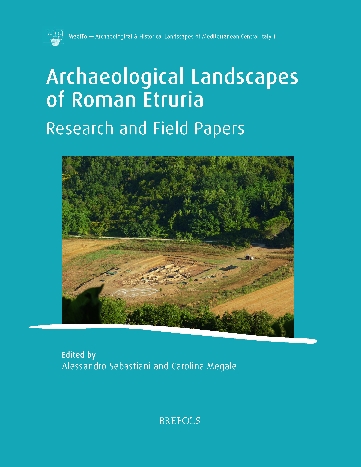
Archaeological Landscapes of Roman Etruria
show More to view fulltext, buy and share links for:Archaeological Landscapes of Roman Etruria show Less to hide fulltext, buy and share links for: Archaeological Landscapes of Roman EtruriaThis volume, the first in a new series dedicated to the archaeological and historical landscapes of central Mediterranean Italy, aims to offer a fresh and dynamic new approach to our understanding of central-southern maritime Tuscany during the Roman period. Drawing on research that was initially presented at the first International Mediterranean Tuscan Conference (MediTo) held in Paganico (Grosseto, Italy) in June 2018, and supported by invited papers from other experts in the field, this collection of essays offers the most up-to-date research into Roman and Late Antique landscapes within Tuscany and its broader Mediterranean context, as well as the political, economic, and social networks that developed in this area during the Classical Period. Ultimately, what emerges from this in-depth study of river valleys, urban centres, and coastal settlements is an understanding of a dynamic Roman territory of cities and villages, villas and sanctuaries, minor sites, and manufacturing districts in which the local population fought to establish and maintain connections with the wider Mediterranean.
-
-
-
Authority Revisited: Towards Thomas More and Erasmus in 1516
show More to view fulltext, buy and share links for:Authority Revisited: Towards Thomas More and Erasmus in 1516 show Less to hide fulltext, buy and share links for: Authority Revisited: Towards Thomas More and Erasmus in 1516In the year 1516, two crucial texts for the cultural history of the West saw the light: Desiderius Erasmus’ Nouum Instrumentum and Thomas More’s Utopia. Both of these works dealt freely with authoritative sources of Western civilization and opened new pathways of thought on the eve of far-reaching religious and political changes.
This book volume deals with aspects of the content, reception and influence of Nouum Instrumentum and Utopia in the (Early) Modern Era, while also focusing upon the sources they used and critically adopted. The overall approach is that both texts have contributed dramatically to the rise of (early) modern Western thought and have influenced the next generations in their literary, philosophical and theological works. This volume, multidisciplinary in scope, brings together contributions from the fields of bible exegesis, theology, philosophy, philology and history.
-