
Full text loading...



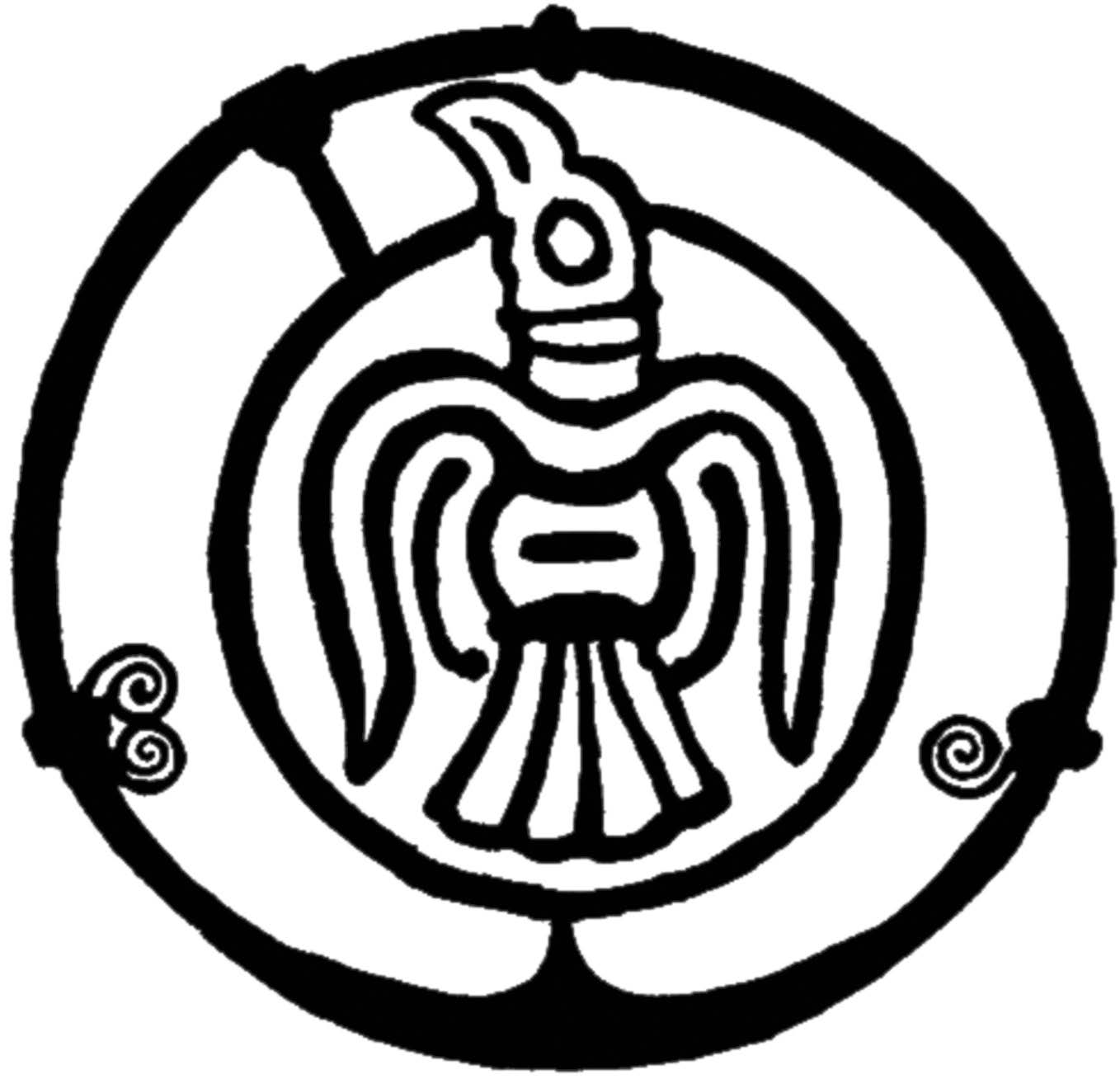
The formulaic expression Þōrr vīgi appears on four rune-stone memorials spread across Denmark and southern Sweden, and another seven inscribed rune-stones from the same area similarly feature hammers - that is, symbols of Þórr. Amulets in the shape of small hammers are also well enough known from other Viking Age contexts, and Þórr’s name similarly appears in several runic charms, at least one of which is clearly an apotropaic expression. Þórr and his hammer are also associated with blessings in Gylfaginning and Þrymskviða. But Old Norse vigja has traditionally been assumed to represent a rather different notion of ‘consecration’ than the manner in which it seems to be reflected in such contexts; the inherited Germanic root *weih-/ weig- is related to Latin victima ‘victim, sacrifice’ - its primary meaning is not ‘bless’. Although used in later Christian contexts in a similar sense to consecratio, a closer investigation of the Old Germanic semantics of blessing and hallowing suggests a rather different understanding of vigja applied when this action was associated with Þórr and his iconic hammer.