


Aesthetics of Protestantism in Northern Europe

Forgotten Roots of the Nordic Welfare State in Protestant Cultures
The Nordic welfare state of the 20th century has been hailed around the world as a model of how to build democratic and egalitarian societies. It has often been described as a project of social democracy often following a narrative of secularization and rationalization of society. However some of the most important actors and ideas of the "Scandinavian Sonderweg" had their roots in Protestant often Pietist and revivalist milieus that dreamed of creating an egalitarian community. The present volume explores these often forgotten roots in several case studies of phenomena from the seventeenth to the twenty-first century focusing primarily on questioning the function of aesthetics in the creation of the welfare state model. We argue that aesthetics and what Friedrich Schiller called aesthetic education played an important unifying role for Nordic societies. These aesthetics were shaped by Protestant ideas and practices. Through references to the then widespread circulation of educational texts based on Luther's catechism the later pietistic catechism of Erik Pontoppidan Nordic hymnbooks and practices such as communal singing and preaching in church church coffee reading circles and conventicle meetings a common aesthetic language emerged that unified different social groups and their competing goals and claims. Civic actors and movements learned specific ways to engage in society to develop practices of internalizing responsibility (self)critique and accountability and to communicate and develop a more democratic modern civic sphere. We therefore propose to look at this history from the perspective of a historically changing aesthetic as an integrating principle for understanding the political social cultural economic and many other aspects of the Nordic welfare state.
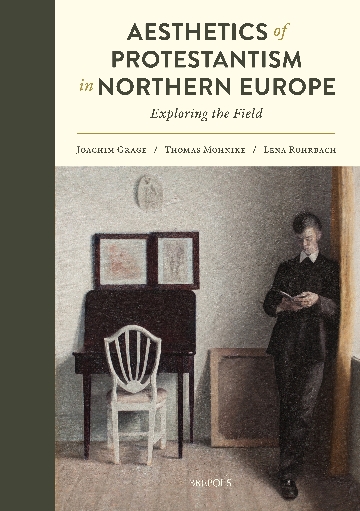
Aesthetics of Protestantism in Northern Europe
Exploring the field
This book explores the aesthetic consequences of Protestantism in Scandinavia. Fourteen case studies from the sixteenth to the twenty-first century discuss five abstract and trans-historical principles that characterize Scandinavian aesthetics and that arguably derive from Protestant thinking and practice namely: simplicity logocentrism tension between pronounced individualism and collectivism relatedness to the world and ethics. The contributions address the peculiar aesthetics of Scandinavian print literature architecture film and opera and reflect on the influence of Protestant traditions on the establishment of genres and writing practices. This volume is the first in a new series that will focus on the aesthetics of Protestantism in Scandinavia both theoretically and through exemplary individual analyses.