


Comparative Perspectives on Medieval History
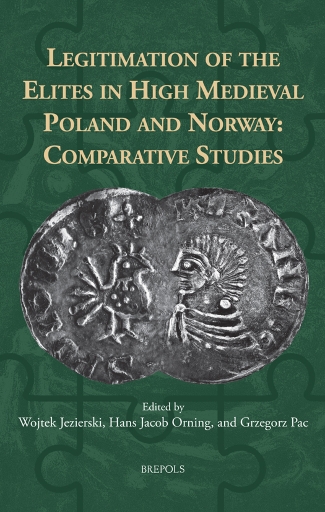
Legitimation of the Elites in High Medieval Poland and Norway
Comparative Studies
Between the years 1000 and 1300 the two developing polities of Norway and Poland often followed similar trends. Both realms were located on what was considered the periphery of Europe both joined Latin Christendom — and with it the wider sphere of European cultural influence — at the turn of the first millennium and both by the end of the thirteenth century had largely coalesced as stable kingdoms. Yet while the histories of these two countries have long been studied along national lines it remains rarer for them to be considered outside of their traditional geographical context and studied via comparison with events elsewhere.
This innovative volume seeks to explore the means and uses of symbolic power that were employed by religiopolitical elites in order to assert their legitimacy and dominance by taking an explicitly comparative approach and dual perspective on these two polities. What stories did elites tell themselves and others about their deservedness to rule what spaces and objects did they utilize in order to project their elevated status and how did struggle and rivalry form part of their societal dominance? Formed from chapters co-written by experts in Polish and Norwegian history this unique volume not only reflects on the similarities and differences between events in these two polities but also more broadly offers conceptual tools and comparative frameworks that can enhance our wider understanding of the conditions and factors that shaped religiopolitical behaviour on the peripheries.
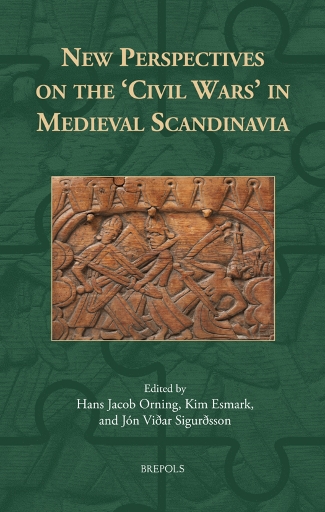
New Perspectives on the ‘Civil Wars’ in Medieval Scandinavia
In the twelfth and thirteenth centuries Scandinavia was rocked by an ongoing period of ‘civil war’ conflicts traditionally characterized by medieval historians as internal struggles that took place in the context of predominantly national state-centred political and constitutional frameworks. This volume however aims to overturn these established narratives with carefully curated essays written by experts in the field offering a new pan-Scandinavian perspective on the period in question that emphasizes the importance of fluid often overlapping social networks permeable borders between realms and constant underlying hostilities between rival groups. Through detailed examinations of pivotal moments in Danish Norwegian and Swedish history together with analyses of topographical patterns gender issues diplomacy and three contributions that draw parallels within similar conflicts outside of Scandinavia this book provides an important corrective to teleological narratives of the medieval ‘civil wars’ as a necessary stage on the route to state formation and modernity.

The Cult of Saints and Legitimization of Elite Power in East Central and Northern Europe up to 1300
While Northern and East Central Europe are often considered to have been peripheral parts of medieval Latin Christendom they nevertheless embraced many of the same cultural impulses found in more central areas. Key among these was the way in which social elites in the first centuries after the introduction of Christianity recognized the potential to exploit the cult of saints as a way of legitimizing their own social standing. Taking this thematic focus as its starting point this volume explores the intersection of religion power and the reception and development of new impulses from abroad within Northern and East Central Europe. It does so by comparing and contrasting cults that emerged locally with cults that were imported to the region. Through this comparative overview the chapters of this volume not only contribute to a more nuanced understanding of these outlying regions but also shed new light on Latin Christian Europe as a whole.