


Environmental Histories of the North Atlantic World
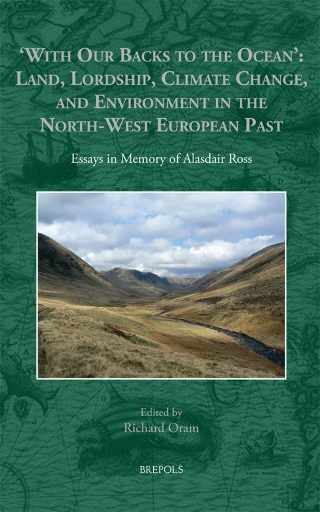
‘With Our Backs to the Ocean’: Land, Lordship, Climate Change, and Environment in the North-West European Past
Essays in Memory of Alasdair Ross
This collection of ten essays celebrates the life and career of Dr Alasdair Ross one of Britain’s foremost environmental historians who died in 2017. Inspired by Ross’ own research interests the chapters gathered here explore interlinked themes of land management and property rights terrestrial and aquatic resource exploitation mortality crises and environmental change viewed largely through the lens of the Scottish experience within the broader context of the eastern North Atlantic region and covering a chronology that spans from the sixth century ce up to the present. Including a previously unpublished paper by Ross himself which overturns long-held perceptions of fiscal regimes in medieval Scotland the contributors present radically revisionist or wholly new analyses of key documents and datasets mostly through applying an interdisciplinary ‘environmental turn’ to primary record and narrative sources or advancing new methodological approaches to systems analysis. From saintly interactions with nature to monastic exploitation of natural resources charter records of land-ownership to the physicality of the landscapes recorded on parchment and the human cost of subsistence and mortality crises these papers humanize the discourse around historical climate and environmental change.
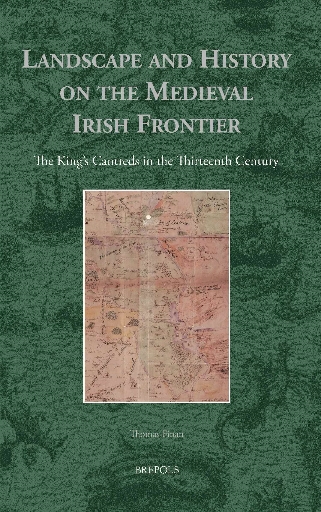
Landscape and History on the Medieval Irish Frontier
The King’s Cantreds in the Thirteenth Century
This work offers a new and innovative insight into the history of thirteenth-century Ireland by exploring the interplay between Gaelic lords Anglo-Norman lords and the medieval environmental landscape that connected them. Focusing on the king’s cantreds of Roscommon a space that was both the homeland of the O’Conor royal authority from the eighth century and a defined holding of the English kings from the early thirteenth century the book explores the frontier landscape as an active player in its own right within Irish history and discusses the way that both Gaels and Anglo-Normans interacted with and were in turn influenced by this environment. This unique approach to Irish history enables the author to step away from the traditional view of a dyadic relationship between Gaelic and Anglo-Norman lords and instead demonstrate that not only did both sides alter and change the environment around them according to their perceptions of their enemies and the threat posed by the land but that the landscape itself was to play a significant role in shaping and influencing the identities and destiny of its inhabitants.