


MediTo - Archaeological and Historical Landscapes of Mediterranean Central Italy
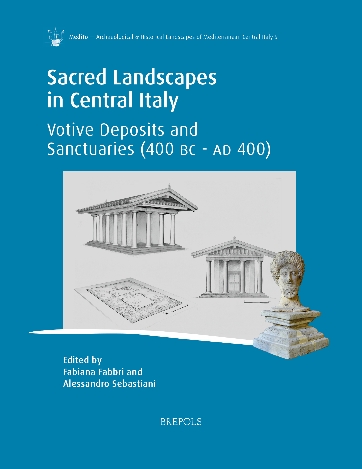
Sacred Landscapes in Central Italy
Votive Deposits and Sanctuaries (400 bc – ad 400)
Veneration of the supernatural was in ancient times interwoven into the fabric of the surrounding landscape. Caves rivers lakes mountains and water springs all formed conduits for a relationship between divinity and nature and sanctuaries were established as dedicated sites of worship. Taking Central Italy as its main focus this volume unravels layers of history and archaeology in order to shed light on the religious practices sacred sites and profound connections that have long existed between landscapes and religious places in this region. Through a synthesis of archaeological evidence and scholarly analysis the chapters gathered here unveil the significance of temples sanctuaries ex-votos religious productions and ritual spaces and provide a comprehensive understanding of how Etruscan and Roman societies engaged with their sacred surroundings. The result is an important reassessment of the religious dimensions that helped to shape the antique landscape of Central Italy.
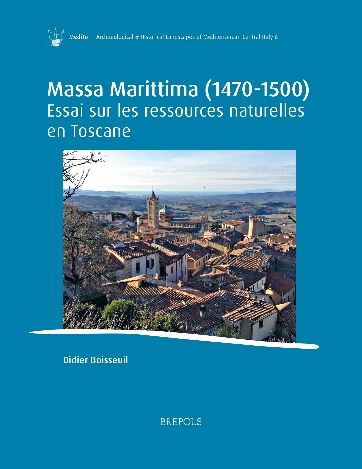
Massa Marittima (1470-1500)
Essai sur les ressources naturelles en Toscane
Cet ouvrage vise à explorer les modalités d’exploitation des ressources naturelles dans la Maremme siennoise – autour de la ville de Massa Marittima – à la fin du Moyen Âge. La séquence chronologique resserrée permet d’embrasser une ample documentation (urbaine notariée) provenant de différents fonds archivistiques ou des données archéologiques et d’étudier ensemble un large panel d’activités rurales artisanales et industrielles qui jusqu’alors n’avaient pas toutes été analysées ensemble. La période retenue (1470-1500) correspond à un moment de basculement marqué notamment par la reprise de la production métallurgique par l’essor de la production d’alun et par des bouleversements politiques majeurs qui affectent l’État siennois (avec notamment la mise en place à partir de 1487 d’un régime oligarchique). Les ressources sont au coeur des relations nouvelles qui se nouent entre les Massétans et désormais les élites siennoises qui entendent tirer profit de nouvelles richesses. L’ouvrage entend proposer un aperçu des modifications sociales politiques et environnementales qui confèrent un destin singulier à la Maremme.
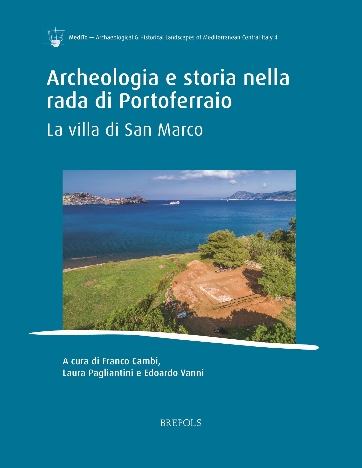
Archeologia e storia nella rada di Portoferraio
La villa di San Marco
Il libro raccoglie una serie di contributi che scaturiscono dallo scavo e dallo studio della villa romana di San Marco sull’isola d’Elba dei suoi reperti e del suo contesto storico ed ambientale. I ritrovamenti archeologici sono pertinenti un periodo molto ristretto di vita dell’insediamento all’incirca tra il II secolo a.C e il II secolo d.C. quando la villa fu verosimilmente distrutta da un’incendio. Tale drammatico evento ha permesso la conservazione straordinaria di una serie di reperti organici (come la travatura di un solaio) attraverso i quali è stato possibile procedere ad una ricostruzione dettagliata della planimetria e degli elevati dell’edificio. Lo studio poi delle incredibili decorazioni pittoriche insieme ad i ritrovamenti epigrafici hanno permesso di attribuire la villa ad una delle proprietà dell’importante famiglia senatoria dei Valerii.
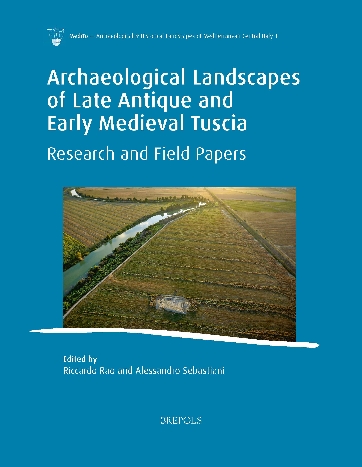
Archaeological Landscapes of Late Antique and Early Medieval Tuscia
Research and Field Papers
This volume the third in the series MediTo investigates the changing landscapes of Tuscany during Late Antiquity and the Early Middle Ages. Through a selection of thematic case studies presented initially during the second International workshop held in Paganico (Grosseto Italy) in June 2019 and here further developed the volume explores the concepts of settlement economic and societal changes in both Tuscany and its broader Mediterranean context over the course of several centuries. Together the contributions gathered here showcase how cities and rural settlements when studied in their archaeological and historical context shed light on a dynamic landscape in which natural resources played a crucial role in defining the success or later abandonment of sites.
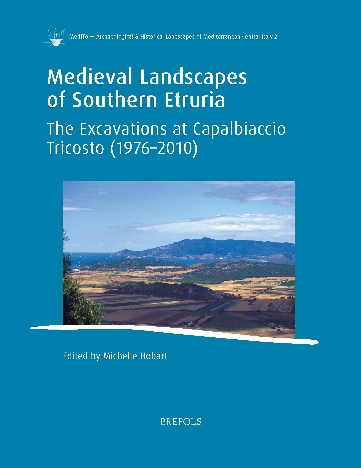
Medieval Landscapes of Southern Etruria
The Excavations at Capalbiaccio (1976–2010)
The fortified hilltop town of Capalbiaccio is a lost Etruscan settlement a site that developed out of prehistory to become an important colony and grain provider for the Roman Empire before being sacrificed to medieval intrigue and conquest by the Republic of Siena. The site together with the castle of Tricosto was first excavated forty-five years ago but the results were never published. Then in recent years archaeologist Michelle Hobart was invited to explore the area with a new team and employ the latest techniques of remote sensing to explore the landscape and fortifications. The results of both explorations are presented here for the first time in this volume which combines the invasive and non-invasive approaches of two generations of archaeologists to reveal what attracted settlers to this site from the inhabitants of the late Bronze Age through to the most important families of medieval Tuscany. This book employs the best of the latest geophysical techniques and time-tested approaches to ground the history of Capalbiaccio and to narrate how the fate of this small village was inextricably linked to regional and national networks as control of the territory and the settlement’s reason for being evolved over time.
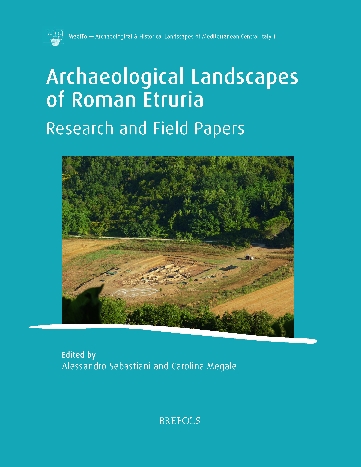
Archaeological Landscapes of Roman Etruria
Research and Field Papers
This volume the first in a new series dedicated to the archaeological and historical landscapes of central Mediterranean Italy aims to offer a fresh and dynamic new approach to our understanding of central-southern maritime Tuscany during the Roman period. Drawing on research that was initially presented at the first International Mediterranean Tuscan Conference (MediTo) held in Paganico (Grosseto Italy) in June 2018 and supported by invited papers from other experts in the field this collection of essays offers the most up-to-date research into Roman and Late Antique landscapes within Tuscany and its broader Mediterranean context as well as the political economic and social networks that developed in this area during the Classical Period. Ultimately what emerges from this in-depth study of river valleys urban centres and coastal settlements is an understanding of a dynamic Roman territory of cities and villages villas and sanctuaries minor sites and manufacturing districts in which the local population fought to establish and maintain connections with the wider Mediterranean.