


The North Atlantic World
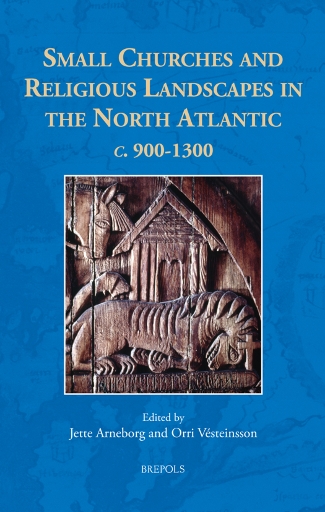
Small Churches and Religious Landscapes in the North Atlantic c. 900–1300
In recent years archaeologists working at Norse sites across the North Atlantic have excavated a number of very small churches with cemeteries often associated with individual farms. Such sites seem to be a characteristic feature of early ecclesiastical establishments in Norse settlements around the North Atlantic and they stand in marked contrast to church sites elsewhere in Europe. But what was the reason behind this phenomenon?
From Greenland to Denmark and from Ireland to the Hebrides Iceland and Norway this volume presents a much-needed overview of small church studies from around the North Atlantic. The chapters gathered here discuss the different types of evidence for small churches and early ecclesiastical landscapes review existing debates and develop a synthesis that places the small churches in a broader context. Ultimately despite the varied types of data at play the contributions to this volume combine to offer a more coherent picture of the small church phenomenon pointing to a church that was able to answer the needs of a newly converted population despite the lack of an established infrastructure and throwing new light on how people lived and worshipped in an environment of dispersed settlements.
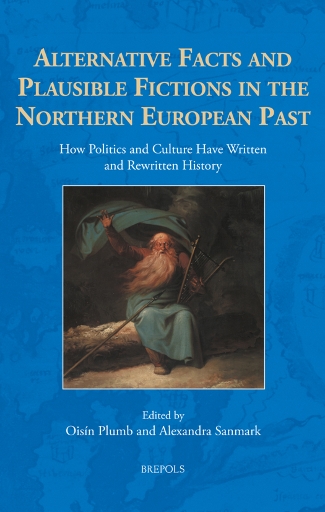
Alternative Facts and Plausible Fictions in the Northern European Past
How Politics and Culture Have Written and Rewritten History
The use of the past for contemporary purposes has been a feature of historical and archaeological investigation from ancient times. This ‘politicization of the past’ is often associated with at best an inadvertent detachment from an objective use of evidence and at worst its wilful misuse. Such use of the past is perhaps most evident in the construction of narratives of nations and ethnic groups — particularly in relation to origins or the perceived ‘golden ages’ of peoples.
This book seeks to assess the role played by different ideologies in the shaping of the past from early times up until the present day in the interpretation of the history and archaeology of Northern Europe whether in Northern Europe itself or further afield. It also considers how those who research interpret and present the Northern European past should respond to such uses. The chapters drawn together here explore key questions asking how contemporary ideologies of identity have shaped the past what measures should be taken to discourage an inaccurate understanding of the past and if scholars should draw on the past in order to counter racism and xenophobia or if this can itself lead to potentially dangerous misunderstandings of history.
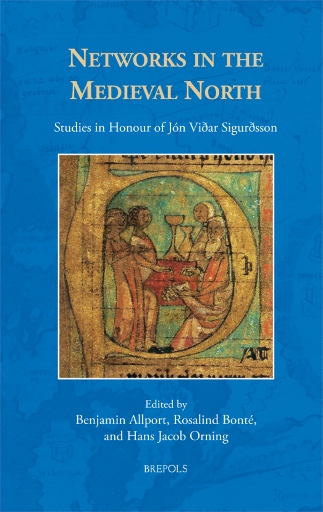
Networks in the Medieval North
Studies in Honour of Jón Viðar Sigurðsson
By the late thirteenth century Norgesveldet - the Norwegian realm - stretched far beyond its core in western Scandinavia. At its height in 1264 Norgesveldet connected Norse speakers in tributary territories ranging from the Irish Sea to Orkney and across the Atlantic to the Faroes Iceland and Greenland. But what held this disparate realm together? What were the dynamics of power between the men and women of the governing and elite classes of Norgesveldet? And what roles did different bodies play at different levels of society in creating and maintaining these networks - from kings and bishops to scribes and scholars traders and law-makers?
This volume aims to expand on and further recent important research into connections between Norway and the wider Norse North Atlantic from the eleventh century during which the Norwegian kingdom began to emerge through to the fourteenth-century decline of Norgesveldet with the creation of the Kalmar Union. Each chapter addresses a different facet of the Norgesveldet networks building a complex picture of both their function and their evolving nature. Taking as its inspiration the research and career of its honorand Jón Viðar Sigurðsson the volume explores medieval Norway and its wider connections using three key frameworks - sociopolitical networks legal and material networks and literary networks - with the aim of shedding new light on the people and processes of this North Atlantic polity.
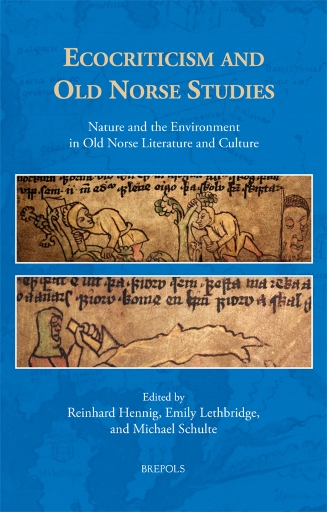
Ecocriticism and Old Norse Studies
Nature and the Environment in Old Norse Literature and Culture
Ecocriticism and Old Norse Studies is the first anthology to combine environmental humanities approaches and the study of premodern Nordic literature and culture. The chapters gathered here present innovative research based on the most recent developments within ecologically informed literary and cultural studies. Covering a wide variety of sources the volume provides new insights into the Old Norse environmental imagination showing how premodern texts relate to nature and the environment - both the real-world environments of the Viking Age and Middle Ages and the fantastic environments of some parts of saga literature. Collectively the contributions shed new light on the role of cultural contacts textual traditions and intertextuality in the shaping of Old Norse perceptions and representations of nature and the environment as well as on the modern reception and (mis-)use of these ideas. The volume moreover has a contemporary relevance inviting readers to consider the lessons that can be learned from how people perceived their environments and interacted with them in the past as we face environmental crises in our own times.
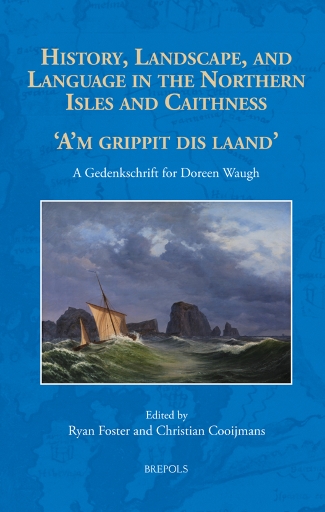
History, Landscape, and Language in the Northern Isles and Caithness
‘A’m grippit dis laand’. A Gedenkschrift for Doreen Waugh
Doreen Waugh was a native Shetlander and a well-renowned scholar of Old Norse and Gaelic place-names in Northern Scotland and the Northern Isles. Not only did Waugh’s research significantly advance scholarly understanding of the ‘Viking’ settlement of the North Atlantic her generosity with both her time and knowledge inspired and motivated a wide range of scholars from a variety of disciplines from archaeology and history to historical geography linguistics and place-name studies.
Based on - and written in tribute to - Waugh’s work this interdisciplinary volume draws together essays covering Northern Scotland the Northern Isles and beyond both during and after the early medieval period. The contributions gathered here draw on Waugh’s wider-ranging research interests to offer a range of novel insights into the many communities cultures and customs that have characterized and connected the Northern Isles and their North Atlantic neighbours.

Crossing Disciplinary Boundaries in Studies of the Viking Age
What happens when scholars cross outside the perceived ‘boundaries’ of their discipline? What problems arise when a scholar trained in one field employs materials or methodologies from an adjacent subject area engaging with new sources research methodologies and traditions and how can such issues be resolved? Taking as its starting point the increasing shift towards interdisciplinarity seen within Viking-age studies this collection of essays aims to explore the benefits and pitfalls that can arise from crossing disciplinary borders in this area and to gain new knowledge about how to address issues that have occurred in previous examples of interdisciplinary combinations. The volume draws together contributions from authors in different disciplines among them philology history archaeology literary studies folklore studies and history of religion in order to hold a constructive and multi-perspective discussion on the benefits and issues arising from interdisciplinary research in studies of the Viking Age. Together these chapters aim to bridge the gap that often exists between scholars from adjacent fields of research and in doing so to stimulate the trend in interdisciplinary approaches to research that can improve our understanding of the past.
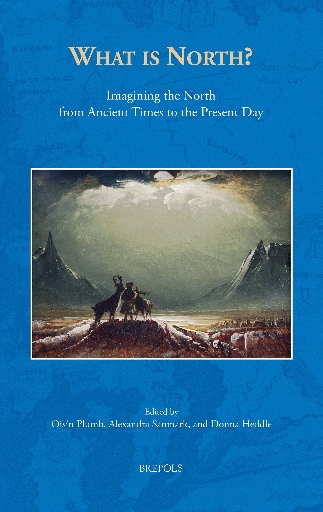
What is North?
Imagining the North from Ancient Times to the Present Day
The British Isles Scandinavia Iceland Greenland and Eastern Canada alongside many small islands form a broken bridge across the northern extremities of the Atlantic Ocean. This ‘North Atlantic World’ is a heterogeneous but culturally intertwined area ideally suited to the fostering of an interest in all things northern by its people. For the storytellers and writers of the past each more northerly land was far enough away that it could seem fabulous and even otherworldly while still being just close enough for myths and travellers’ tales to accrue. This book charts attitudes to the North in the North Atlantic World from the time of the earliest extant sources until the present day. The varied papers within consider a number of key questions which have arisen repeatedly over the centuries: ‘where is the North located?’ ‘what are its characteristics?’ and ‘who or what lives there?’. They do so from many angles considering numerous locations and an immense span of time. All are united by their engagement with the North Atlantic World’s relationship with the North.
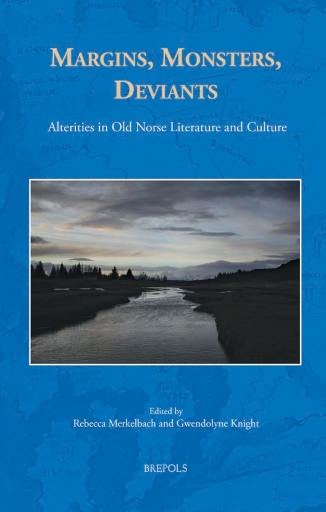
Margins, Monsters, Deviants
Alterities in Old Norse Literature and Culture
Medieval Icelandic literature has often been reduced to the supposedly realist Íslendingasögur and their main protagonists at the expense of other genres and characters. Indeed such a focus obscures and erases the importance of those beings and narratives that move on the margins of mainstream culture - whether socially ethnically ontologically or textually. This volume aims to offer a new perspective on a variety of theoretical and comparative approaches to explore depictions of alterity monstrosity and deviation. Engaging with the interplay of genre character text and culture and exploring questions of behavioural socio-cultural and textual alterity these contributions examine subjects ranging from the study of fragmented and ‘Othered’ saga narratives to attitudes towards foreign people and lands and alterities in mythological and legendary texts. Together the papers effectively challenge long-held perceptions about the lack of ambiguity in medieval Icelandic literature and offer a far more nuanced understanding of the importance of the ‘Other’ in that society.
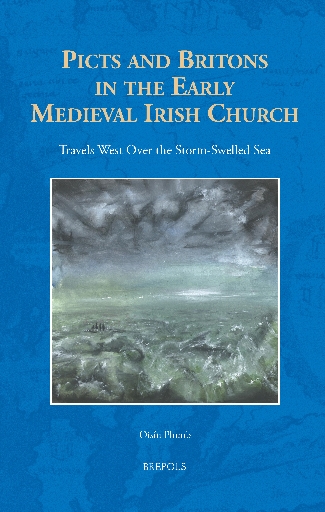
Picts and Britons in the Early Medieval Irish Church
Travels West Over the Storm-Swelled Sea
Between the fifth and ninth centuries AD the peoples of Britain Ireland and their surrounding islands were constantly interacting - sharing cultures and ideas that shaped and reshaped their communities and the way they lived. The influence of religious figures from Ireland on the development of the Church in Britain was profound and the fame of monasteries such as Iona which they established remains to this day. Yet with the exception of St Patrick far less attention has been paid to the role of the Britons and Picts who travelled west into Ireland despite their equally significant impact.This book aims to redress the balance by offering a detailed exploration of the evidence for British and Pictish men and women in the early medieval Irish Church and asking what we can piece together of their lives from the often fragmentary sources. It also considers the ways in which writers of later ages viewed these migrants and examines how the shaping of the ‘migration narrative’ throughout the centuries had a major effect on the way that the earliest centuries of the church came to be viewed in later years in both Scotland and Ireland. In doing so this volume offers important new insights into our understanding of the relationships between Britain and Ireland in this period.