


The Numismatic Studies
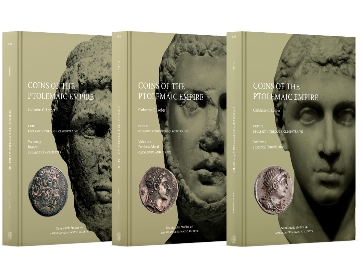
Coins of the Ptolemaic Empire, Part 2: Ptolemy V through Cleopatra VII
Volume 1: Historical Introduction, Volume 2: Catalogue of Precious-Metal Coins, Volume 3: Catalogue of Bronze Coins
Thirty years in the making Coins of the Ptolemaic Empire Part II by Catharine C. Lorber is the long-anticipated second half of the Coins of the Ptolemaic Empire (CPE) project featuring the coins struck by Ptolemy V–Cleopatra VII. As with Part 1 Lorber essentially rewrites the sections on these rulers in J. N. Svoronos’ classic but now much out-of-date Ta Nomismata tou Kratous ton Ptolemaion (1904). The body of coinage catalogued by Svoronos is enlarged by hundreds of additional emissions in precious metal and bronze recorded from subsequent scholarship from hoards from commercial sources and from private collections. Lorber’s attributions dates and interpretations rest on numismatic research conducted after Svoronos or on the latest archaeological and hoard information. She also provides extensive historical and numismatic introductions that give the coins deeper context and meaning.

Scythians and Greeks on the Western Black Sea
The Coinage of the Kings of Scythia Minor in Dobruja, 218/212-110 bce
The Scythians have fascinated investigators since the time of Herodotus. This study examines the bronze and silver coinage of the kingdom of Scythia Minor in Dobruja at the mouth of the Danube River a Scythian successor state that emerged in the second century bce after the breakup of Scythia Magna. It is based on a corpus of over 1500 coins more than ever before and draws upon scholarship in nine languages including hard-to-find sources from Bulgaria Romania USSR Ukraine and Russia. The much-debated chronology of the six kings of Scythia Minor (Kanites Tanousas Charaspes Ailis Sariakes and Akrosas) is determined through literary evidence inscriptions die linkage shared monograms coin hoards and counterstamps. Metrological analysis distinguishes four denominations plus the alterations and debasements of the weight standard during the troubled reigns of Ailis and Sariakes. Fifteen counterstamps that appear on Scythian coins are attributed to the local Greek poleis of Callatis Tomis Istros and Dionysopolis. An inventory of four hoards and 47 findspots of single coins identifies the mint site Dionysopolis. The volume concludes with a catalog of 63 major coin types and 15 counterstamps plus bibliography and index.
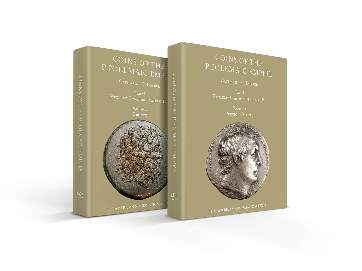
Coins of the Ptolemaic Empire, Part I: Ptolemy I through Ptolemy IV
Volume 1: Precious Metal, Volume 2: Bronze
Coins of the Ptolemaic Empire Part 1 Volumes 1 and 2 (Precious Metal and Bronze) by Catharine Lorber is the massive long-anticipated catalogue of coins struck by the first four Ptolemaic kings. It essentially rewrites the sections on these rulers in J. N. Svoronos’ classic but now much out of date Ta Nomismata tou Kratous ton Ptolemaion (1904). The body of coinage catalogued by Svoronos is enlarged by more than 300 further emissions in precious metal and more than 180 emissions in bronze recorded from subsequent scholarship from hoards from commercial sources and from private collections and constituting about a third of the total catalogue entries. Lorber’s attributions dates and interpretations rest on numismatic research since Svoronos or on the latest archaeological and hoard information. She also provides extensive historical and numismatic introductions that give the coins deeper context and meaning. The coinage of Ptolemies I through IV is supplemented by a few issues possibly attributable to Cleomenes of Naucratis the predecessor of Ptolemy I in Egypt as well as by coinages of Ptolemy Ceraunus Magas and Ptolemy of Telmessus members of the Lagid dynasty ruling their own kingdoms outside of Egypt.