


Nubia
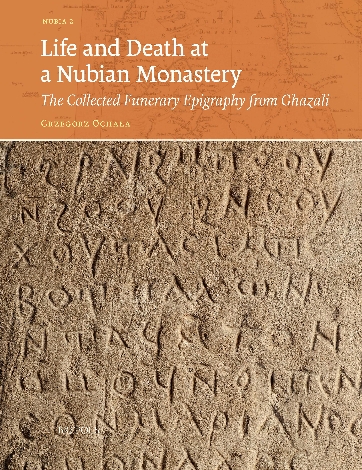
Life and Death at a Nubian Monastery
The Collected Funerary Epigraphy from Ghazali (I. Ghazali)
The Christian monastery of Ghazali located in Wadi Abu Dom in northern Sudan is one of the most famous archaeological sites within the country. Built by the Makurians in the seventh century AD it flourished until its abandonment in the thirteenth century and its picturesque ruins became a popular tourist attraction in the nineteenth and twentieth centuries. During the period of the monastery’s activity it was an important religious centre a place where monks lived worshipped died and left important information about their lives buried in the archaeological record.
This volume offers a catalogue and in-depth analysis of over two hundred funerary epigraphy monuments inscribed in Greek and Coptic onto stone stelae and terracotta plaques that have been uncovered at Ghazali and that bear an important witness to life and death at the site. The meticulous epigraphic and philological work presented here is combined with a detailed discussion of the ensemble including their archaeological context material aspects language use and formulary. The analysis of onomastic practices and the monastic hierarchy supplements the picture and brings to the fore both individual persons and the community responsible for the production of these texts.
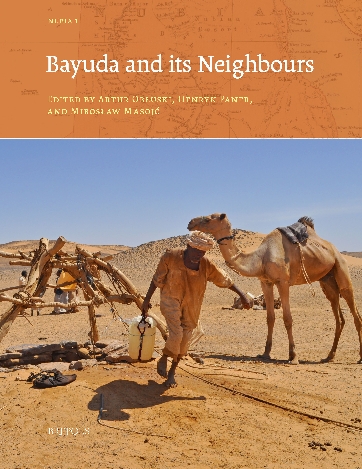
Bayuda and its Neighbours
The Bayuda although an arid desert located in modern-day Sudan has nonetheless been inhabited farmed worshipped in and fought over by humans from the Palaeolithic onwards. Yet despite the longevity of its human occupation the region has only in recent years become the focus of more intensive scholarly research. This volume the first in a series dedicated to exploring the archaeology and history of Northeast Africa aims to build on this trend by drawing together the very latest archaeological research and data and shedding light on how the Bayuda Desert and its environs were transformed into a cultural landscape. The contributions gathered here introduce examine and (re)assess a number of important issues many of which are new in the archaeology of Nubia as well as considering them against a broader comparative background. From climate change over the past millennia - and its far-reaching consequences in the present - through to an examination of the cultural influences of the Kingdom of Kerma and from analysis of funeral rites through to interpretations of rock art forgotten trade routes and the commerce in cattle and slaves this insightful volume offers a wealth of new information into the history of ancient Nubia.