


Women and Gender in the Arts
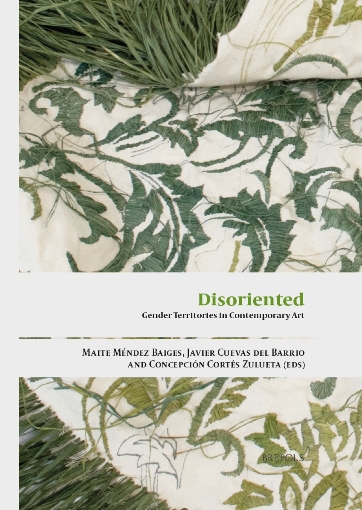
Disoriented
Gender Territories in Contemporary Art
'Desnortar' or disoriented means to lose the north or the sense of direction to disorient. In Disoriented a collective book from a gender perspective we consciously seek to lose both the geographical north and the north of the contemporary art canon. We aim to rethink and disrupt from feminist LGTBQ+ and postcolonial approaches the coordinates that have articulated the discourses on the art history and art system along the 20th and 21st centuries. Coordinates that define how these artistic practices and systems of modernity and the contemporary are understood the cardinal directions and main conceptual issues or which artists are relevant or expendable according to the narratives of avant-garde and contemporary art history. It is crucial to reinterpret and disorientate to disnorth and thereby shatter these references to overcome the gaps that prevent the emergence of alternative knowledges. To address questions or artists often perceived as peripheral to a grand historical narrative we propose an intersection of modern and contemporary art history gender feminist queer and postcolonial approaches and transnational interrelations. This intersectionality allows us to actively lose the north of the canon and to direct our gaze towards subjects outside the usual centres of legitimation. Mostly we attend to women artists to peripheral geographical centres to subaltern collectives or to practices or materials regularly considered of little artistic interest. All of the above critiques how conventional discourses have excluded some collectives or certain artistic proposals and the resistances that have emerged against them.
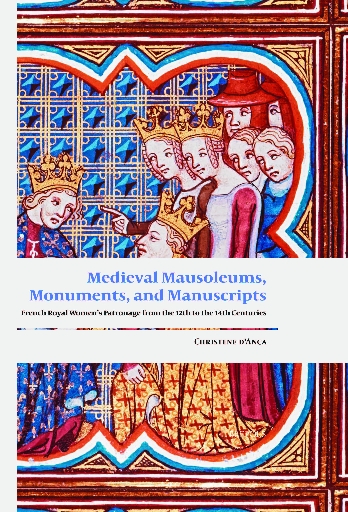
Medieval Mausoleums, Monuments, and Manuscripts
French Royal Women’s Patronage from the Twelfth to the Fourteenth Centuries
Medieval Mausoleums Monuments and Manuscripts: Royal Women’s Patronage from the Twelfth to the Fourteenth Centuries explores the manuscripts monuments and other memorabilia associated with the artistic patronage of Eleanor of Aquitaine (1122-1204) her daughters Marie de Champagne (1145-98) and Matilda of Saxony (1156-98) as well as works generated by three queens of France Marie de Brabant (1254-1322) Jeanne d’Évreux (1310-71) and Blanche de Navarre (1330-98). Through this study the shift in women’s artistic patronage over the centuries may be brought to light as well as its evolution evincing how each generation built upon the previous one.
Further despite the assorted shapes these women’s efforts embodied ranging from manuscripts to stained glass windows from funerary plaques paintings jewels and linens to monuments mausoleums and endowments of institutions including a variety of other forms these women were notably unified in that their greatest output tellingly occurred during precarious points in their lives that threatened their positions such as the potential political turmoil associated with the deaths of husbands or children. At these times their participation in acts of patronage solidified their places at court in society and within cultural memory while doubling as assertions of their political power and lineage. Thus testaments manuscript books monuments and memorials were not only a declaration or signs of one’s possessions but also sites and documents that continued the politicking of the deceased.
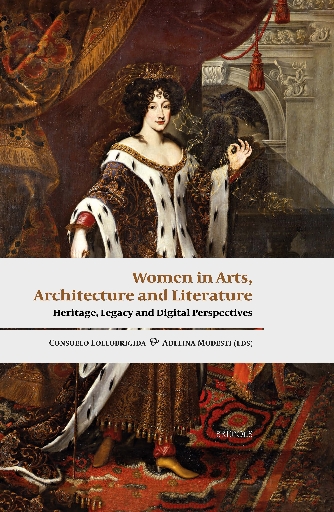
Women in Arts, Architecture and Literature: Heritage, Legacy and Digital Perspectives
Proceedings of the First Annual International Women in the Arts Conference Rome, 20–22 October 2021
In the last few decades the study of women in the arts has largely increased in terms of scholars involved in research and investigation with the reception of the outcomes especially acknowledged by museums which are dedicating part of their mission to organizing exhibitions and/or acquiring the works of women. The Annual International Women in Arts Conference seeks to advance contemporary discussions on how female creativity has helped shape European culture in its heterogeneity since the Middle Ages. This volume collects the proceedings of the first conference organised in Rome in October 2021. It focuses on the role of women in literature art and architecture. Throughout history these domains were often seen as very masculine. Yet there have been many women who have made their mark as writers illuminators artists and architects or have played a decisive role as patrons and supporters in these arts. This collection of essays aims to bring these women to the fore and sheds a new light on the heritage and legacy of women in the creative arts and architecture from the Middle Ages until the 20th century.