


Women of the Past
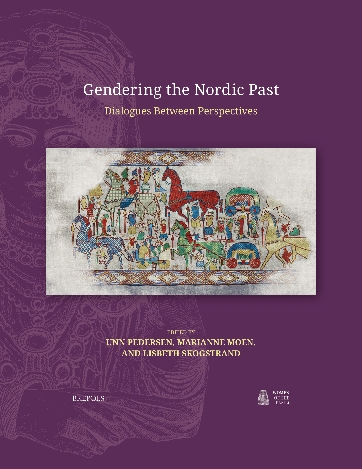
Gendering the Nordic Past
Dialogues between Perspectives
The idea of the Nordic nations as champions of gender equality is firmly rooted in today’s perceptions of society. But how does such a modern comprehension influence our views of history? Does our understanding of gender impact on how we see the past? And do the ways in which we gender the past have an effect on our present identities?
From the Stone Age to the Early Modern period and from warriors and queens to households and burials this groundbreaking volume draws together research conducted as part of the project Gendering the Nordic Past an inter-Nordic collaboration aimed at (re)evaluating and revitalizing the field of gender studies in the region. The chapters gathered in this volume contributed by archaeologists and historians theologians art historians and specialists in gender studies aim to offer novel perspectives on the ways in which we gender the past. While many of the chapters focus explicitly on the Nordic countries comparisons are also drawn with other regions in order to provide both internal and external views on the role of the collective past in present Nordic identities. The result presented here is an essential dialogue into the importance of gender in creating and maintaining past identities as well as a new understanding of how the identities that we construct for the past can relate to heritage narratives.
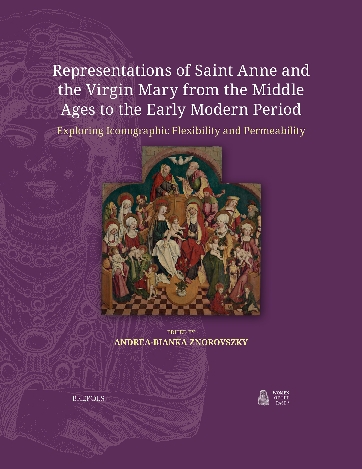
Representations of Saint Anne and the Virgin Mary from the Middle Ages to the Early Modern Period
Exploring Iconographic Flexibility and Permeability
Between the thirteenth and the sixteenth centuries the cult of the Virgin Mary underwent significant changes a shift clearly revealed by an increase in artistic representations of Mary as well as a flourishing devotional literature in her honour written in both Latin and the vernacular. One aspect of this change was a broader attention to Mary’s genealogical line and in particular to her relationship with St Anne. The result was not only a renewed focus on the vita Annae but also a significant overlap in how these two women were represented juxtaposed and perceived.
This volume traces the often significant iconographic flexibility in terms of both how the Virgin Mary and Saint Anne were presented and perceived and what can be termed a permeability between visual representations of the two saints. Focusing on the multiple readings layers of meaning and the visual interplay between the vita Mariae and the vita Annae the chapters gathered here explore the overlap and influence between different iconographic motifs and how these were used to advance political religious and social ideologies at the time of their creation as well as exploring representations across a range of different media from sculptures and frescoes to panel paintings and manuscript illuminations.
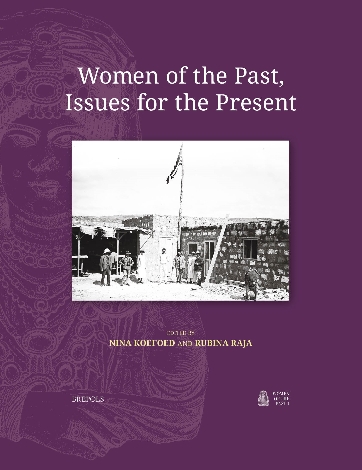
Women of the Past, Issues for the Present
The roles played by women in history and even the very idea of what it is to be female have always been in flux changing over centuries between cultures and in response to diverse social and economic parameters. Even today women’s roles and women’s rights continue to face changes and pressures. In establishing the series Women of the Past: Testimonies from Archaeology and History the ambition is to build on the profound theoretical and empirical developments that have taken place over the last fifty years of gender-focused research and to explore them in a contemporary context.
The aim of this series is to shed light on not just the outstanding and extraordinary women who were trendsetters of their time but also the not quite so outstanding women often overshadowed by outstanding men and the ordinary women those who simply went about their everyday life and kept their world turning in their own quiet way. This edited volume Women of the Past Issues for the Present is the inaugural volume of the series and shows the wide span of the series chronologically geographically and socially in terms of the research presented. From Roman slaves to Viking women and from medieval wet-nurses to the nineteenth-century wives who supported their archaeologist husbands on excavation this groundbreaking volume opens a new vista in our understanding of the past.
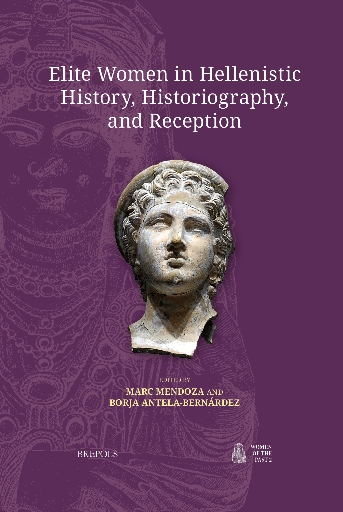
Elite Women in Hellenistic History, Historiography, and Reception
The Hellenistic world with its many new cultural trends and traditions has often proved a challenging period for scholars. In the wake of changing political religious cultural economic and social conceptions and practices gender roles and notions also underwent significant change leading to the emergence of strong female figures. Up to now however no major encompassing research work on elite Hellenistic women has been published. This volume aims to fill this historiographical gap by gathering together contributions covering a wide range of geographical chronological and cultural backgrounds. While mostly focused on royal women the chapters included here also seek to provide readers with an accurate and diverse description of the female experience in the Hellenistic period. The contributors to this book both renowned scholars and new voices in the discipline together advocate for a fresh approach that goes beyond the often problematic approaches of earlier historiography and provides a new understanding of elite women in the period.