


oa The Bone Dolls from Dura-Europos: Embodying Childhood Experience
- By: Juliet Samson-Conlon
- Publication: Dura-Europos: Past, Present, Future , pp 120-128
- Publisher: Brepols
- Publication Date: January 2025
- DOI: https://doi.org/10.1484/M.SCA-EB.5.144236


The Bone Dolls from Dura-Europos: Embodying Childhood Experience, Page 1 of 1
< Previous page | Next page > /docserver/preview/fulltext/10.1484/M.SCA-EB.5.143377/M.SCA-EB.5.144236-1.gif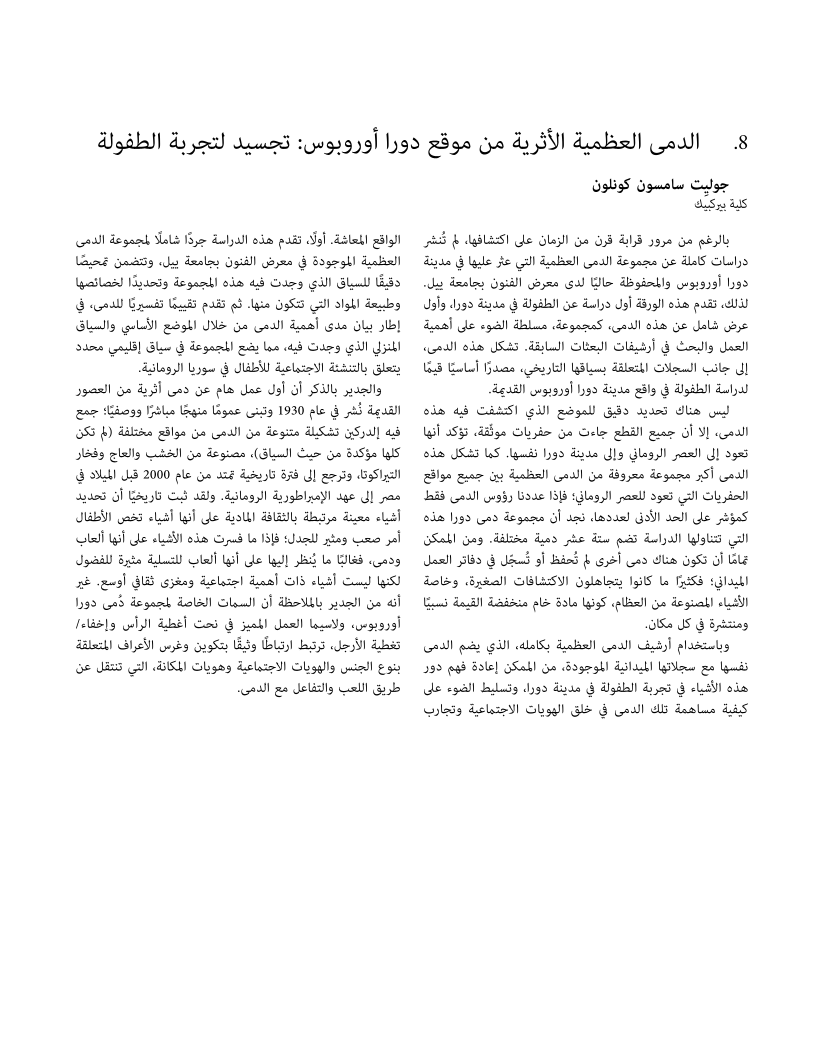
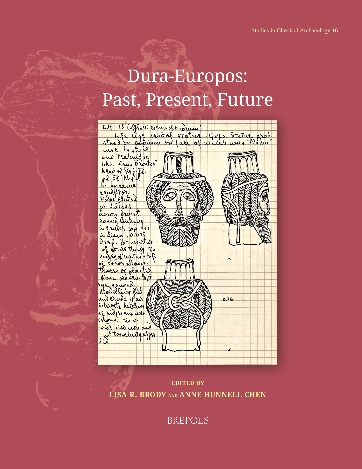
This paper will introduce the corpus of Roman-period carved bone dolls from the site of Dura-Europos and examine the ways in which the dolls were entangled in the creation of social identities and embodied experiences. These dolls are a particularly valuable primary source for ancient childhood because they form the largest known collection of contextually secure bone dolls from any Roman era site. The dolls, excavated by the Yale-French Academy team but never fully published, as well as the extant records relating to them, are currently stored at The Yale University Art Gallery in New Haven, Connecticut. A close examination of these dolls and the related contextual records shows how these dolls participated in childhood experience, acting as playthings which could inculcate and construct gender, social and status identities at Dura.

Full text loading...
-
From This Site
/content/books/10.1484/M.SCA-EB.5.144236dcterms_title,dcterms_subject,pub_serialIdent,pub_author,pub_keyword-contentType:Contributor -contentType:Concept -contentType:Institution105