


oa La censure théâtrale dans l’Espagne de la période moderne (xvii e ‑xviii e siècles)

- By: María Luisa Lobato1
-
View Affiliations Hide Affiliations1 Université de [email protected] ORCID 0000-0002-4951-1309
- Publication: Les (r)évolutions dans le théâtre européen (xvii e-xviii e siècles) , pp 101-126
- Publisher: Brepols
- Publication Date: January 2025
- DOI: https://doi.org/10.1484/M.ECCS-EB.5.149921


La censure théâtrale dans l’Espagne de la période moderne (xvii e ‑xviii e siècles), Page 1 of 1
< Previous page | Next page > /docserver/preview/fulltext/10.1484/M.ECCS-EB.5.138015/M.ECCS-EB.5.149921-1.gif
[Theatrical Censorship in Modern Spain (17th-18th centuries)]
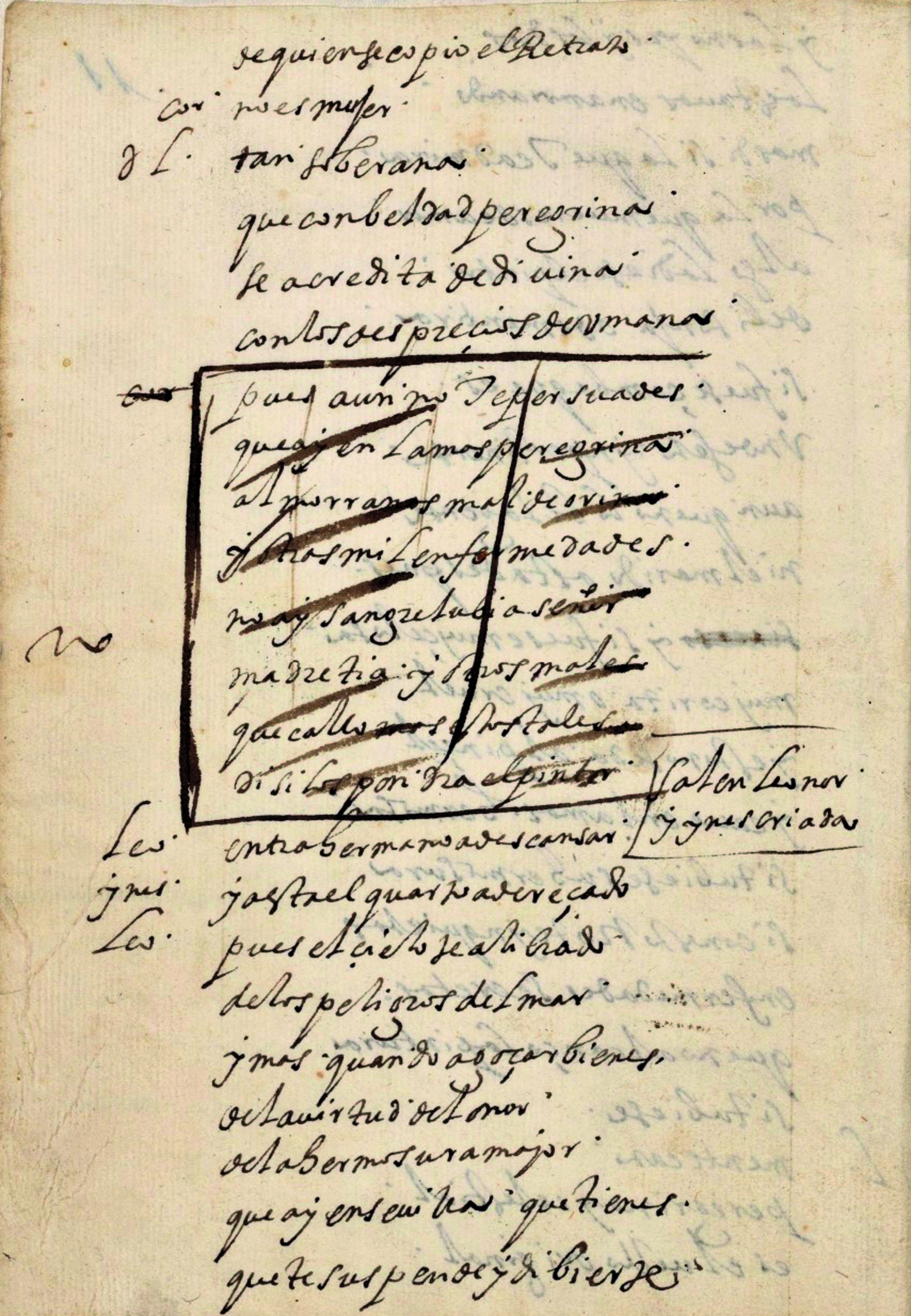
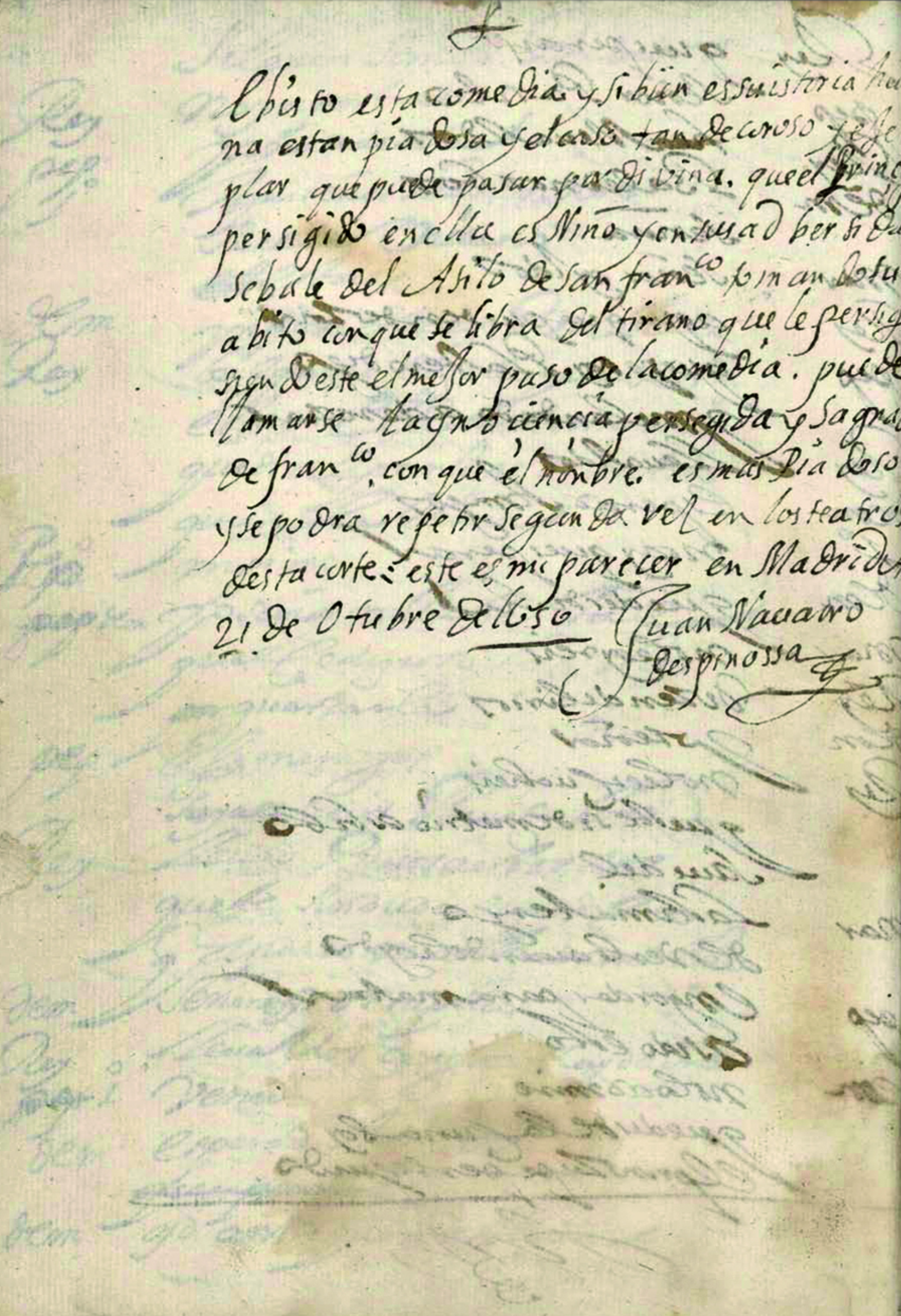
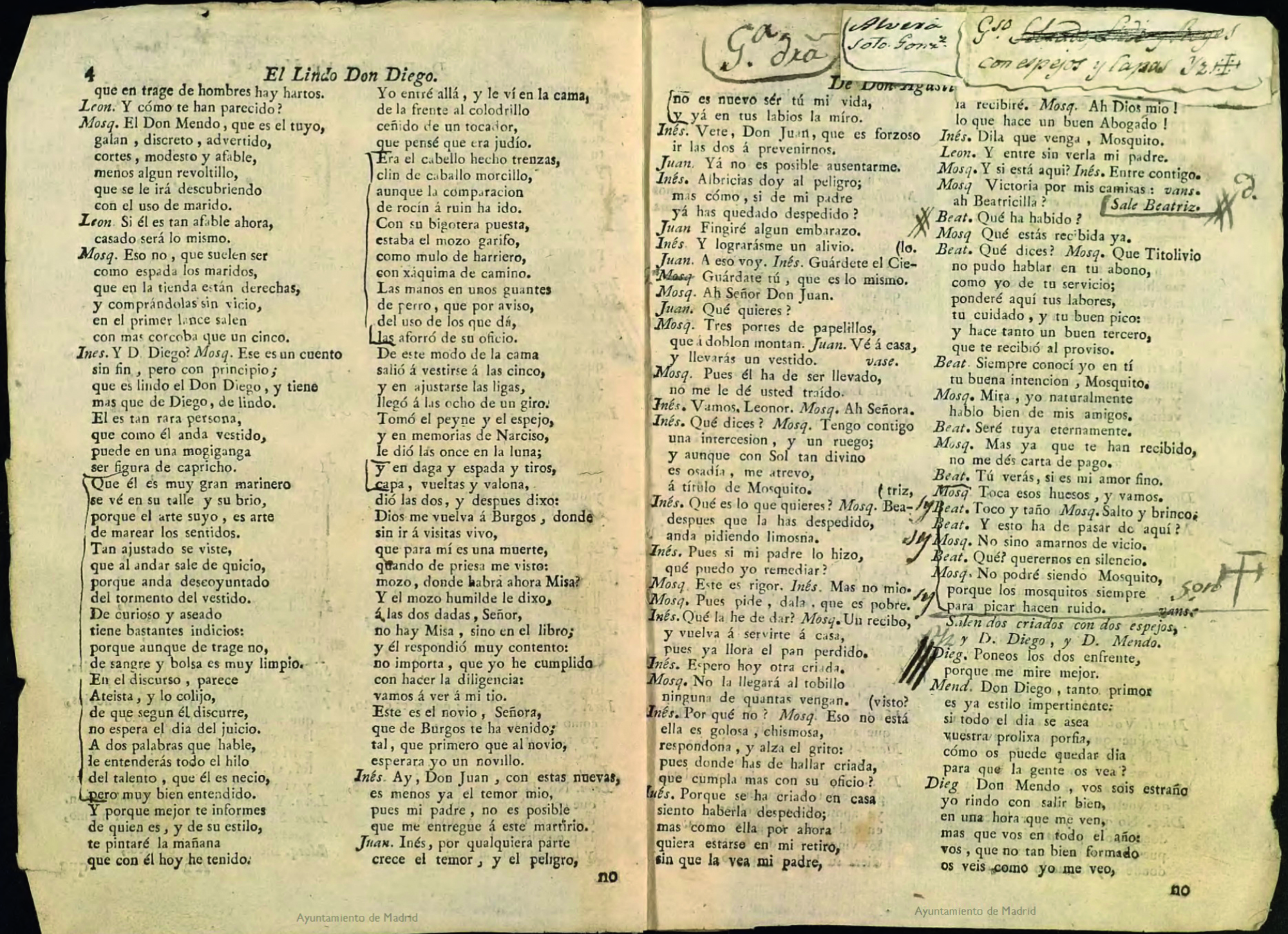
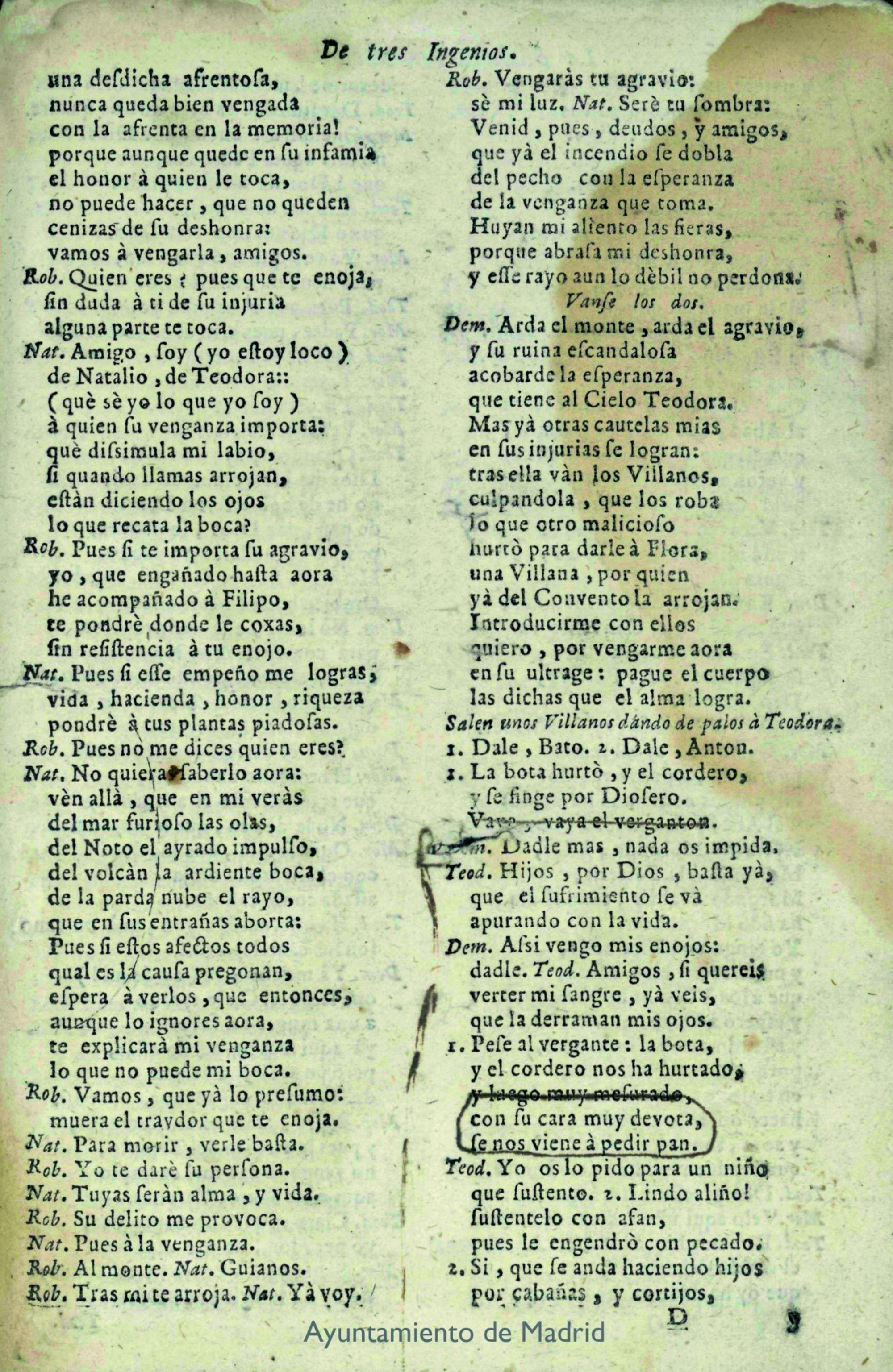
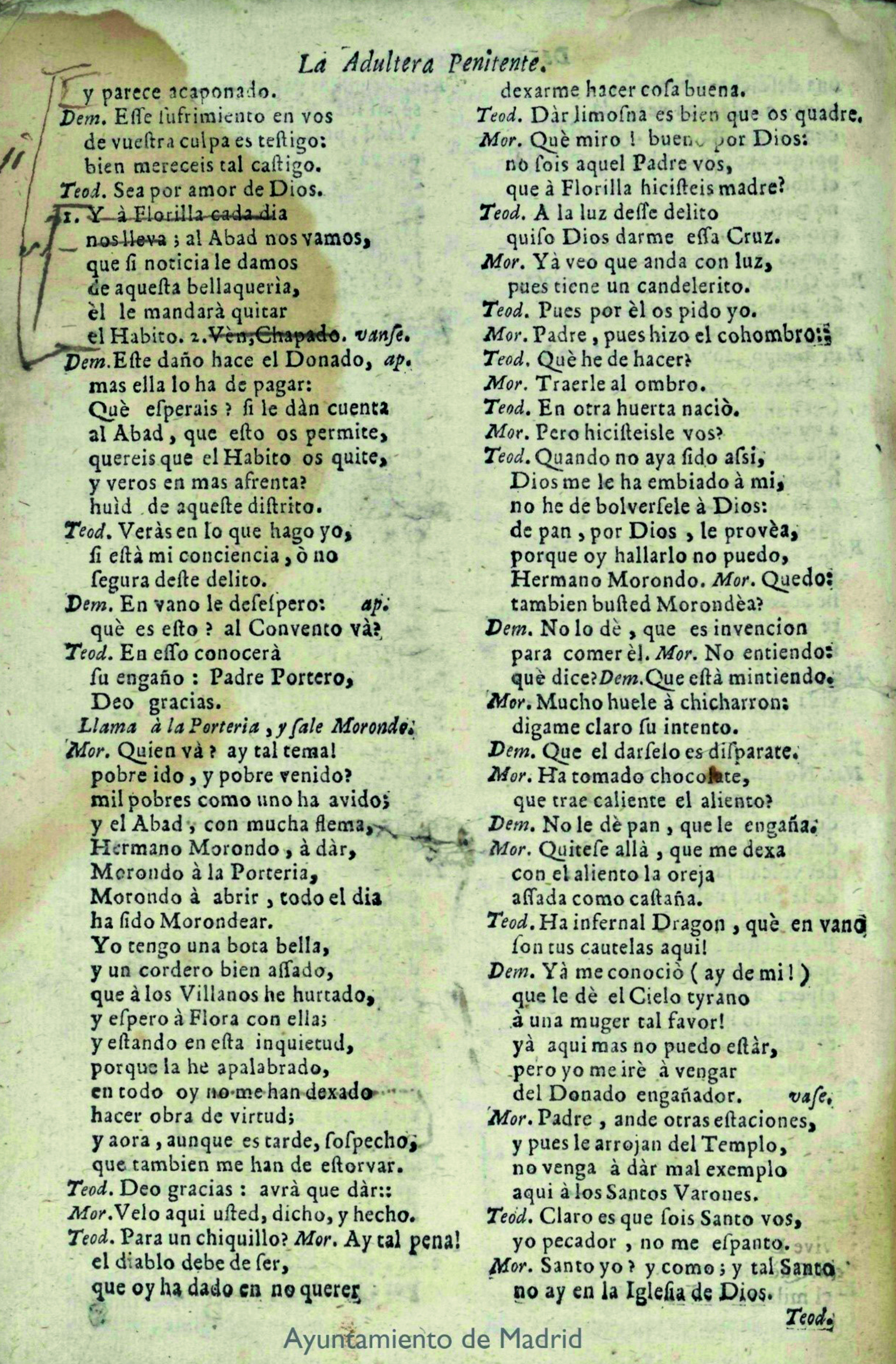
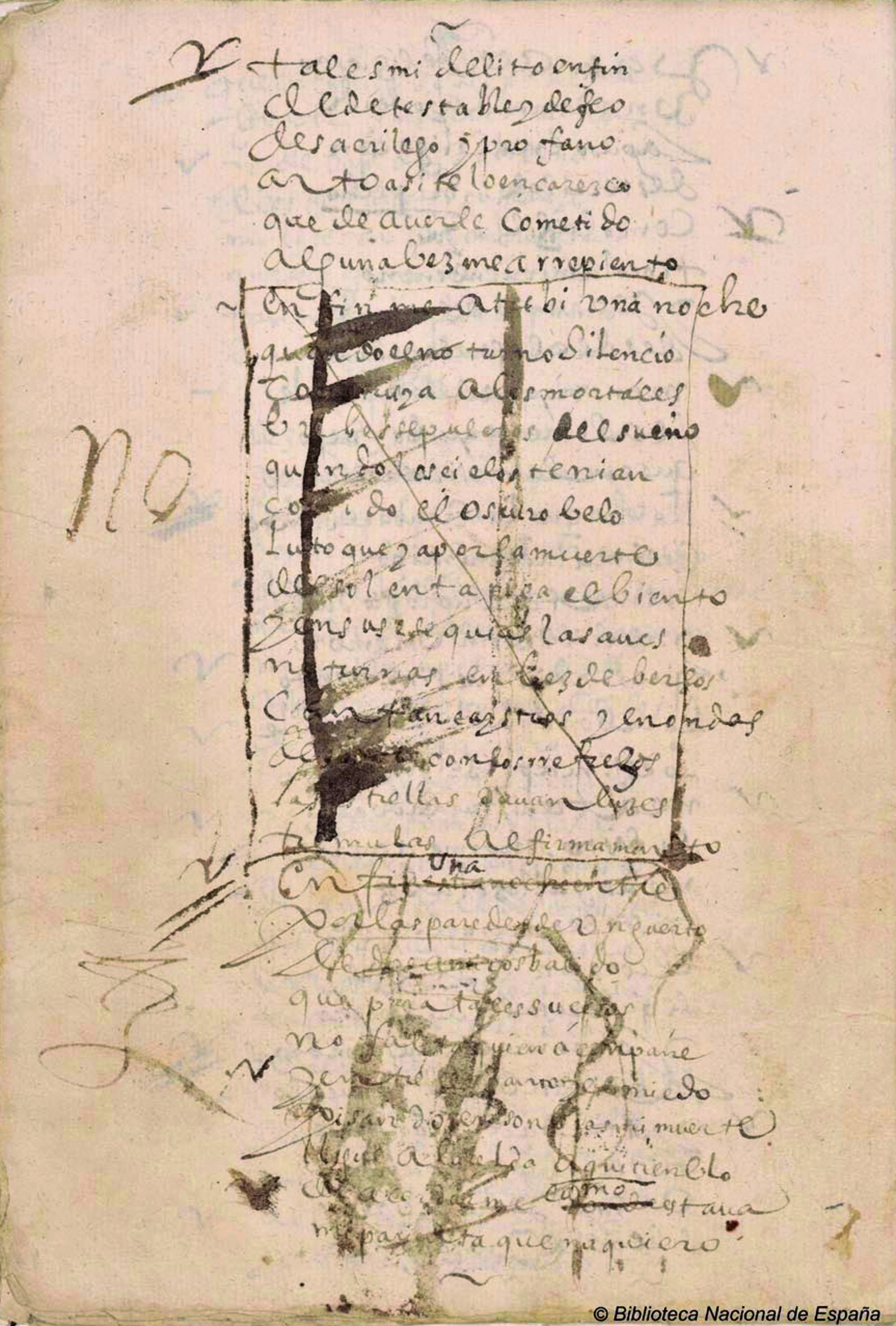
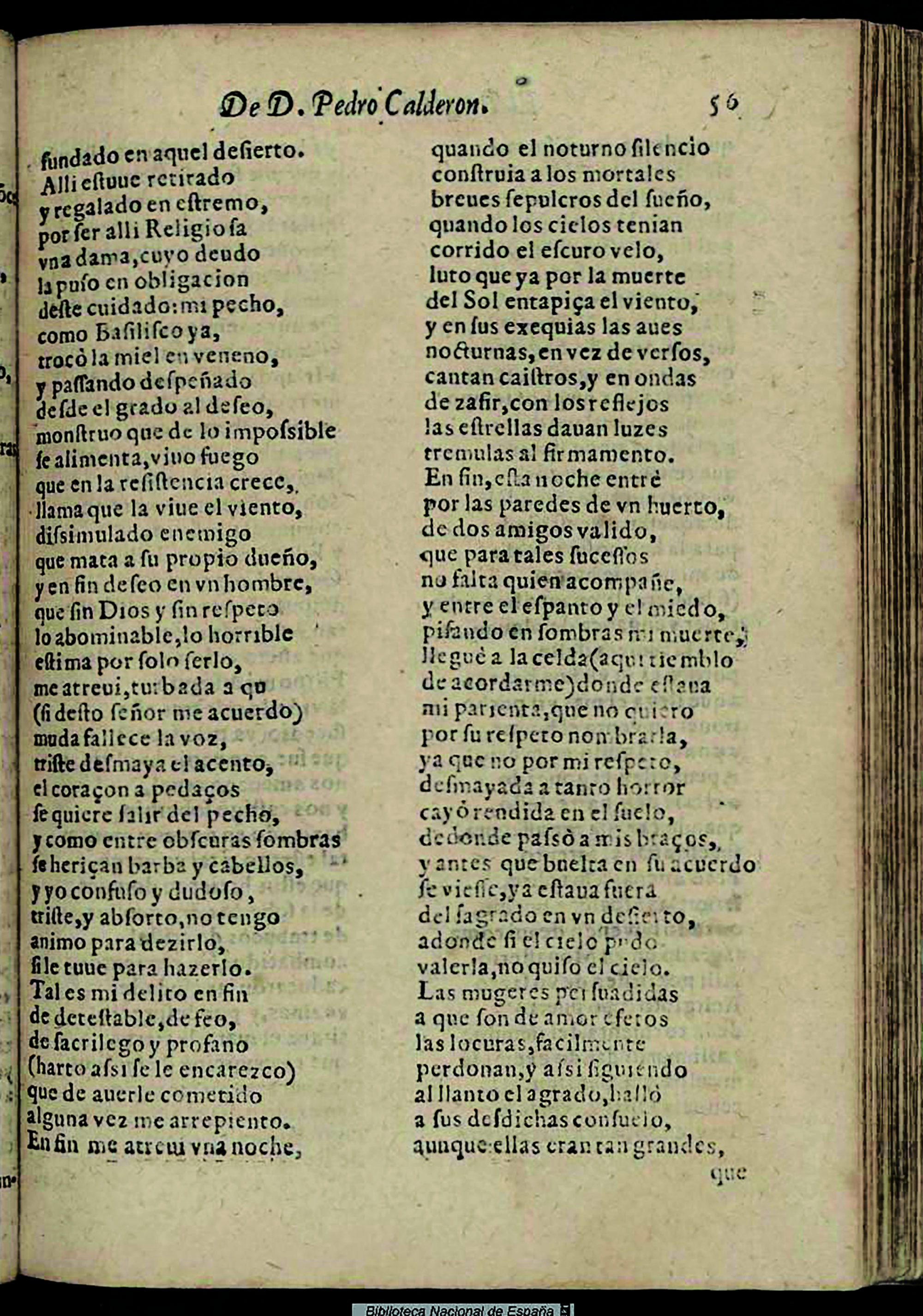
The 17th, 18th and 19th centuries saw important manuscript and printed transmission of the theatre of the Spanish Golden Age. The testimonies of many textual witnesses have been preserved, some with very interesting features: marks and notes written in the margin or between the lines, indicating additions, deletions and even changes in content. Verifying these features opens questions about the possible author and the purposes of these changes. One of the reasons for the changes was to adapt the texts to the prevailing ethics, with this intervention of censors taking place before or during performances, as well as in the passage of the text to the printing press. Even so, the apparently free the circulation of manuscripts and printed matter with censorship marks intact is surprising. Some censored manuscripts went to the printers but the censor’s notes were not taken into account. The printed texts preserve the censored passages as if nothing had happened. Could it be that censorship in this period was quite random? We believe that this was indeed the case. It is likely that there were no established norms for censorship, so the individual discernment of censors prevailed. It would have been impossible to establish consistent rules about what could or could not be performed or published for the vast corpus of almost ten thousand Golden Age plays. In most cases, censors marked the elimination of brief passages, expressions and specific terms that seemed inappropriate. Only on rare occasions was a complete work censored.

Full text loading...
Figures
-
From This Site
/content/books/10.1484/M.ECCS-EB.5.149921dcterms_title,dcterms_subject,pub_serialIdent,pub_author,pub_keyword-contentType:Contributor -contentType:Concept -contentType:Institution105