


oa Bjørnestad, Bjørnbåsen, and Godfardalen: Bear/human relations as referred to in place names from southwestern Norway
- By: Inge Særheim
- Publication: Bear and Human , pp 903-920
- Publisher: Brepols
- Publication Date: January 2023
- DOI: https://doi.org/10.1484/M.TANE-EB.5.134370


Bjørnestad, Bjørnbåsen, and Godfardalen: Bear/human relations as referred to in place names from southwestern Norway, Page 1 of 1
< Previous page | Next page > /docserver/preview/fulltext/10.1484/M.TANE-EB.5.133678/M.TANE-EB.5.134370-1.gif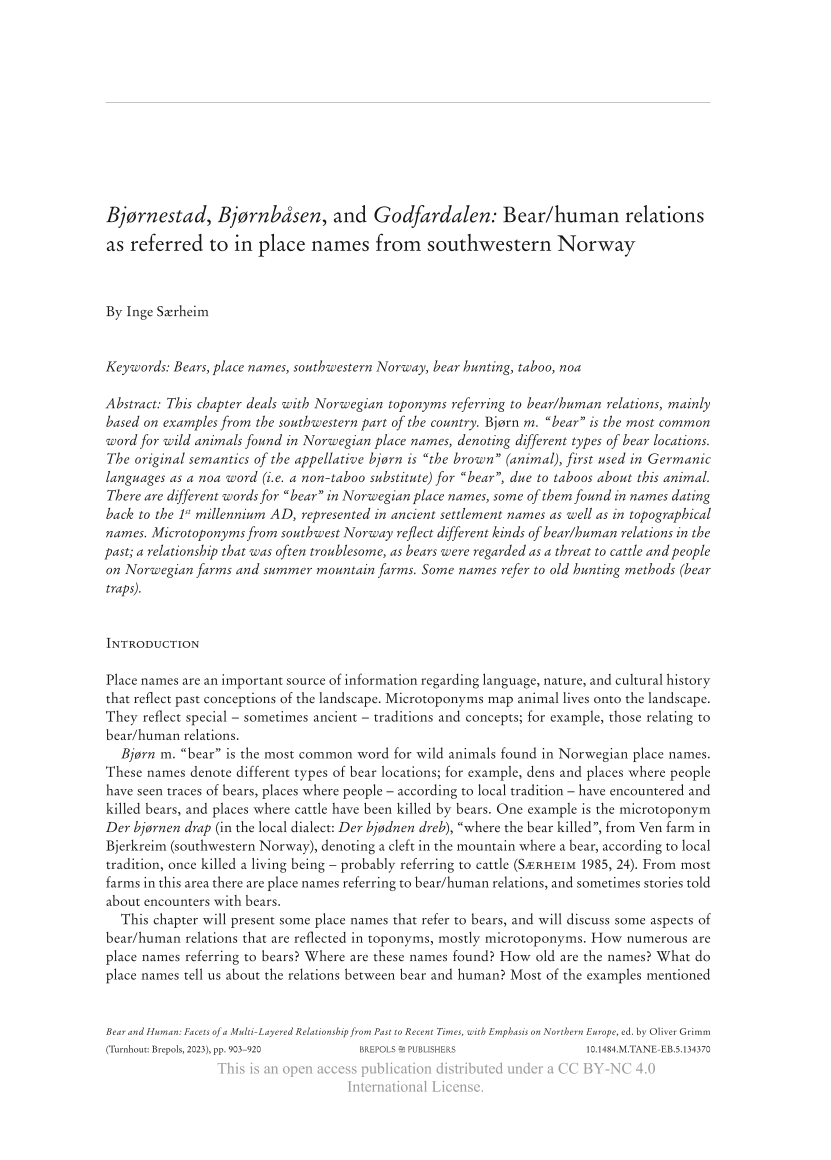
This chapter deals with Norwegian toponyms referring to bear/human relations, mainly based on examples from the southwestern part of the country. Bjørn m. “bear” is the most common word for wild animals found in Norwegian place names, denoting different types of bear locations. The original semantics of the appellative bjørn is “the brown” (animal), first used in Germanic languages as a noa word (i.e. a non-taboo substitute) for “bear”, due to taboos about this animal. There are different words for “bear” in Norwegian place names, some of them found in names dating back to the 1st millennium AD, represented in ancient settlement names as well as in topographical names. Microtoponyms from southwest Norway reflect different kinds of bear/human relations in the past; a relationship that was often troublesome, as bears were regarded as a threat to cattle and people on Norwegian farms and summer mountain farms. Some names refer to old hunting methods (bear traps).

Full text loading...
-
From This Site
/content/books/10.1484/M.TANE-EB.5.134370dcterms_title,dcterms_subject,pub_serialIdent,pub_author,pub_keyword-contentType:Contributor -contentType:Concept -contentType:Institution105