


oa The role of bears in the Late Bronze and Early Iron Ages in southern Germany, with a focus on the Hallstatt period
- By: Melanie Augstein
- Publication: Bear and Human , pp 1065-1090
- Publisher: Brepols
- Publication Date: January 2023
- DOI: https://doi.org/10.1484/M.TANE-EB.5.134378


The role of bears in the Late Bronze and Early Iron Ages in southern Germany, with a focus on the Hallstatt period, Page 1 of 1
< Previous page | Next page > /docserver/preview/fulltext/10.1484/M.TANE-EB.5.133678/M.TANE-EB.5.134378-1.gif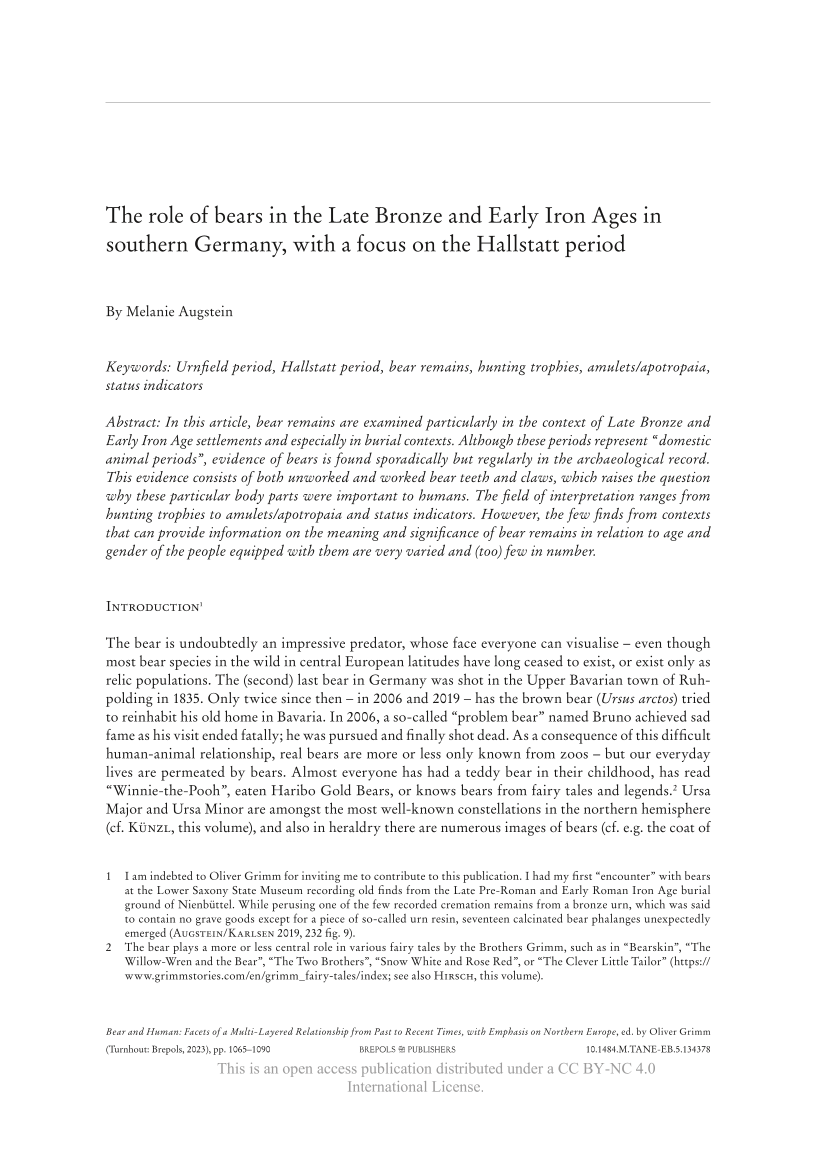
In this article, bear remains are examined particularly in the context of Late Bronze and Early Iron Age settlements and especially in burial contexts. Although these periods represent “domestic animal periods”, evidence of bears is found sporadically but regularly in the archaeological record. This evidence consists of both unworked and worked bear teeth and claws, which raises the question why these particular body parts were important to humans. The field of interpretation ranges from hunting trophies to amulets/apotropaia and status indicators. However, the few finds from contexts that can provide information on the meaning and significance of bear remains in relation to age and gender of the people equipped with them are very varied and (too) few in number.

Full text loading...
-
From This Site
/content/books/10.1484/M.TANE-EB.5.134378dcterms_title,dcterms_subject,pub_serialIdent,pub_author,pub_keyword-contentType:Contributor -contentType:Concept -contentType:Institution105