


oa Medaillen für den Österreichischen Kaiser Ferdinand I. (reg. 1835–1848). Konzeption, Stellenwert und Funktion
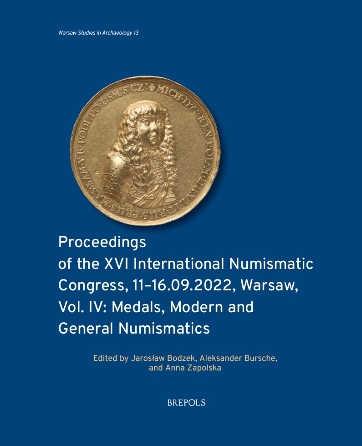
- By: Andrea Mayr
- Publication: Proceedings of the XVI International Numismatic Congress, 11–16.09.2022, Warsaw, Vol. iv: Medals, Modern and General Numismatics , pp 213-221
- Publisher: Brepols
- Publication Date: January 2025
- DOI: https://doi.org/10.1484/M.WSA-EB.5.145481


Medaillen für den Österreichischen Kaiser Ferdinand I. (reg. 1835–1848). Konzeption, Stellenwert und Funktion, Page 1 of 1
< Previous page | Next page > /docserver/preview/fulltext/10.1484/M.WSA-EB.5.143657/M.WSA-EB.5.145481-1.gif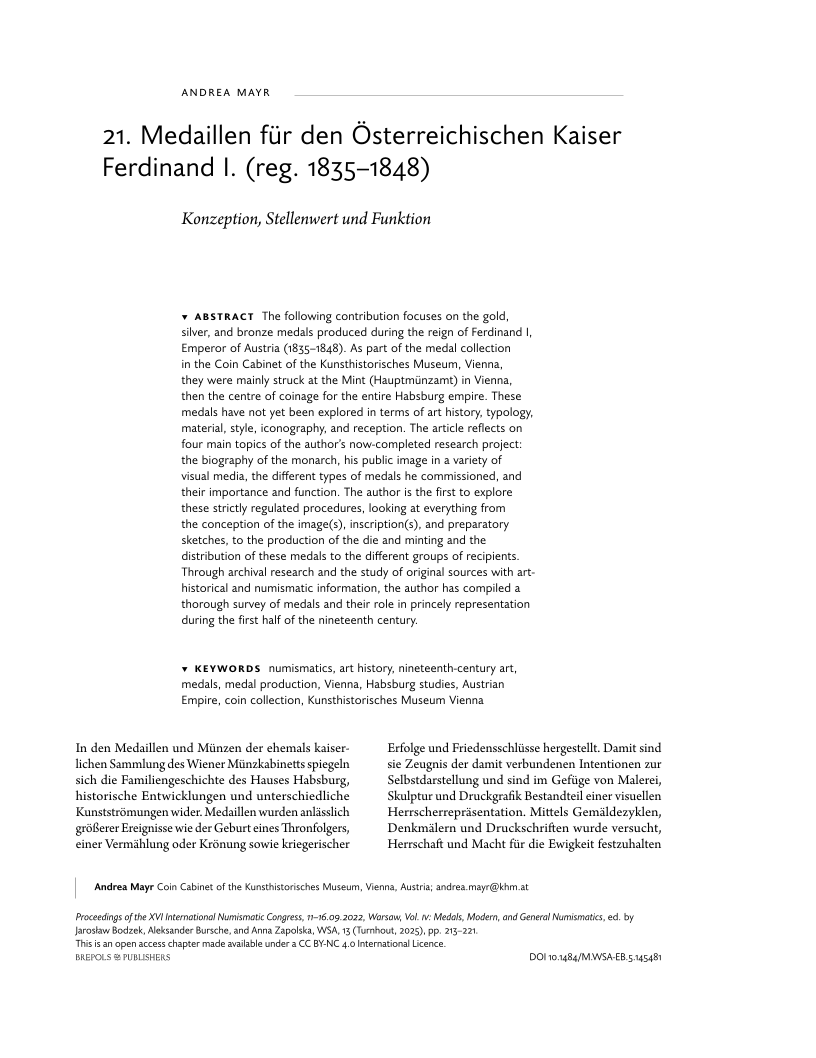
The following contribution focuses on the gold, silver, and bronze medals produced during the reign of Ferdinand I, Emperor of Austria (1835–1848). As part of the medal collection in the Coin Cabinet of the Kunsthistorisches Museum, Vienna, they were mainly struck at the Mint (Hauptmünzamt) in Vienna, then the centre of coinage for the entire Habsburg empire. These medals have not yet been explored in terms of art history, typology, material, style, iconography, and reception. The article reflects on four main topics of the author’s now-completed research project: the biography of the monarch, his public image in a variety of visual media, the different types of medals he commissioned, and their importance and function. The author is the first to explore these strictly regulated procedures, looking at everything from the conception of the image(s), inscription(s), and preparatory sketches, to the production of the die and minting and the distribution of these medals to the different groups of recipients. Through archival research and the study of original sources with art-historical and numismatic information, the author has compiled a thorough survey of medals and their role in princely representation during the first half of the nineteenth century.

Full text loading...
-
From This Site
/content/books/10.1484/M.WSA-EB.5.145481dcterms_title,dcterms_subject,pub_serialIdent,pub_author,pub_keyword-contentType:Contributor -contentType:Concept -contentType:Institution105