
Full text loading...



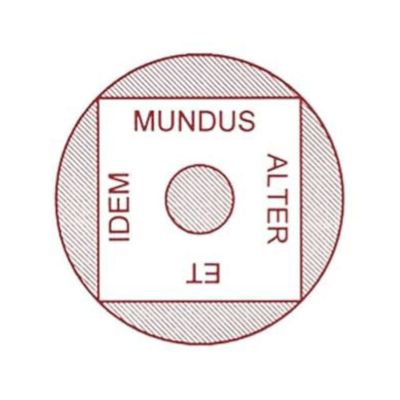
Leonhartus Albertus, a Czech poet of the age of Rudolph II, touches upon the Long Turkish War in three poems published in his Epigrammata (1603). Two of them are addressed to Albertus’ cousin Caspar Prellius. One of the poems is a typical propempticon offered to Prellius, who is about to depart for the front in Hungary – the verses show the author's humanist education. The other poem – a moral exemplum – gives a jocular warning to the addressee against prostitutes. The third poem discussed is an ecphrasis addressed to the utraquist priest Zacharias Bruncvik, showing the saga-hero of the same name (Bruncvik) as the ideal of a christian soldier fighting against the muslim enemy, who is symbolized by a dragon-devil. The hero is clothed in allegorical terms, a depiction which probably is influenced by Hrabanus Maurus’ work De laudibus sanctae crucis. Although the manuscript of De laudibus sanctae crucis from the abbey of Fulda (Vatican City, Reg. Lat. 124) was ordered in 1599 by Rudolph II and copied at Prague in 1600 (Paris, Bibliotheque de l’Arsenal, cod. 472), Albertus more likely knew the early print, edited by Jacob Wimpfeling in 1503, since he lacked close contacts to the imperial court. The lost original given to Zacharias Bruncvik presumably contained illustrations supporting the text.