


East Central Europe, 476–1795 AD/CE
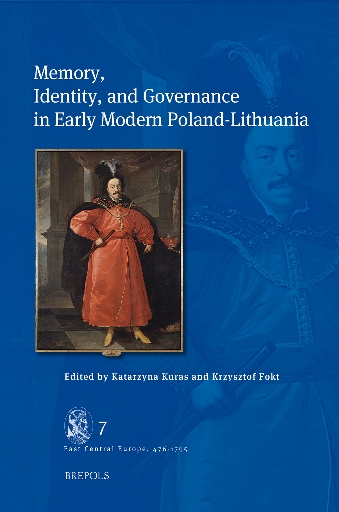
Memory, Identity, and Governance in Early Modern Poland‑Lithuania
In the early modern period Poland–Lithuania stood as a realm where the echoes of a storied past intertwined with the ambitions of a dynamic present. This volume illuminates how its diverse populace navigated the complexities of their shared heritage weaving tradition with innovation to craft a uniquely multi-layered identity. The essays presented here examine the dual nature of historical inheritance in this vast polity. On the one hand the past served as a treasure trove of enduring ideas compelling narratives and time-tested practices that enriched cultural and political life. On the other it posed formidable challenges requiring creative adaptation to meet the demands of changing times. By exploring established narratives performative traditions and historical frameworks the contributors uncover the intricate ways in which memory influenced decision-making and societal evolution. They reveal how the past was neither static nor simply an obstacle but was an active force that shaped contemporary aspirations and inspired visions of the future. Through the lenses of rulers nobles intellectuals and commoners this collection offers fresh perspectives on how the people of Poland–Lithuania harnessed the power of history to craft a legacy that transcended their era. Essential reading for scholars and enthusiasts alike this work examines the enduring dialogue between memory and identity in one of Europe’s most compelling early modern states.
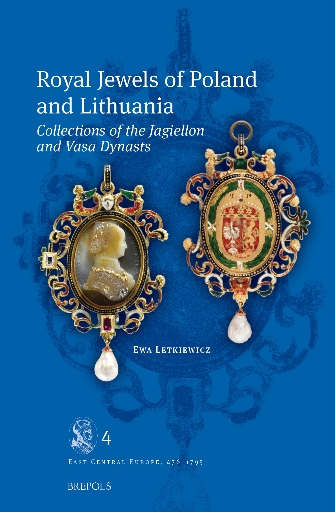
Royal Jewels of Poland and Lithuania
Collections of the Jagiellon and Vasa Dynasts
This volume delves into the rich histories of the Jagiellon and Vasa dynasties shedding light on the profound interplay between jewellery and socio-political forces. Readers are invited into an era where jewellery bore multifaceted significance from symbolising power and piety to facilitating economic engagements. The royal perception of value extended beyond traditional treasures with a keen interest in animal-derived artefacts. These unconventional items such as elk hooves or eagle stones were highly esteemed reflecting both luxury’s diverse nature and the era’s cultural and mystical beliefs. Rather than merely cataloguing these artefacts this study animates them intertwining narratives of monarchs nobles craftsmen and the lands from which these treasures emerged. It delves into a world where a gem’s glint signifies might gold hints at empires’ expanse and a narwhal’s horn could determine kingdoms’ destinies. Jewellery has long held a central position in history particularly among the elite. These pieces were not simply decorative; they conveyed prestige societal position and authority. They symbolised both worldly and spiritual prominence enriched with a complex symbolism. Beyond showcasing wealth jewellery played crucial roles in diplomacy and politics. What meanings did these unique gems carry for their initial owners? This book uncovers the tales magnetism and mystery surrounding these jewellery collections. It paints a picture where jewellery transcends mere ornamentation serving as a powerful testament to influence devotion and grandeur.
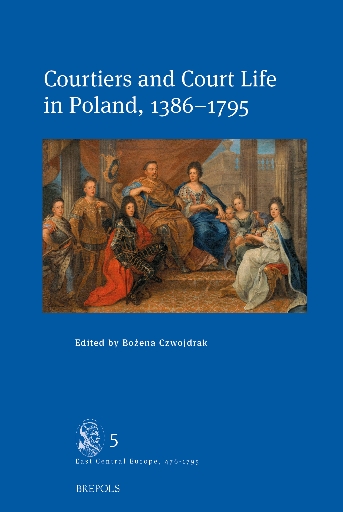
Courtiers and Court Life in Poland, 1386–1795
This collection of studies explores the complexities of the royal courts of Poland from the late medieval period to the cusp of modernity. Drawing on pioneering research and primary sources the volume authors dissect the multifaceted roles and dynamics of courtiers positioning them within the broader socio-political and cultural paradigms of their time. From the distinct cultural imprints of the Jagiellon dynasty to the challenges faced by monarchs elected during the eighteenth century each study within this collection provides a rigorous examination of courtly structures influences and transformations.
The volume examines the symbiotic relationships between courtiers and monarchs the changing ideals of courtly service and the impact of both domestic traditions and foreign influences on the Polish courts. It offers invaluable insights for scholars of court culture bringing to the world stage evidence from the archives of Poland and seeking to understand the evolution of court life and its implications for the broader historical narratives of Poland throughout the entire existence of this composite monarchy.
East Central Europe and Ireland
Political, Economic, and Social Interconnections, 1000–1850
This book explores the broad scope of political economic and social aspects of relations between Central Europe (focused on Poland and the lands of the Czechs) and Ireland. Taking a longitudinal approach this study charts the interaction between the western and the central-eastern peripheries of Europe from the Middle Ages to the period after the Third Partition of Poland-Lithuania in 1795. The authors examine how the relationship between the geographically opposite ends of Europe evolved. Shaped by the shifts of ‘political tectonic plates’ they argue that the evolution can be described in general terms: from a largely unidirectional to an interconnected chain of events. This book demonstrates similarities and analyses differences in a complex yet unexplored past of the three emergent nations; nations which in the public perception were overshadowed by their mighty neighbours for far too long.
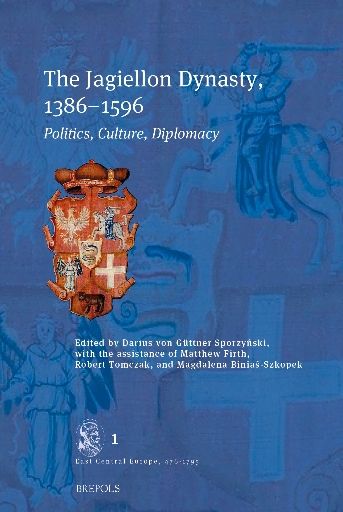
The Jagiellon Dynasty, 1386‑1596
Politics, Culture, Diplomacy
The volume offers a re-examination of the rise of the Jagiellon dynasty in medieval and early modern Central Europe. Originating in Lithuania and extending its dominion to Poland Hungary and Bohemia the Jagiellon dynasty has left an enduring legacy in European history. This collection of studies presents the Jagiellons as rulers with dynamic and negotiated authority. It begins with the dynasty’s origins and its dynastic union with Poland milestones that have shaped the political and cultural trajectory of the dynasty’s reign. The volume places significant emphasis on the role of royal consorts thereby broadening traditional gender-focused perspectives. Far from being mere accessories queens had a considerable influence on governance economic matters and diplomacy. The cultural impact of Jagiellon rule is analysed through interactions with humanists and the intellectual milieu of the court. The performative aspects of Jagiellon power including the use of words gestures and even intentional silences are examined as powerful tools of articulation. Emotional factors that influence governance and intricate dynastic relationships are explored revealing how political decisions especially constitutional reforms are made more rapidly when faced with perceived dynastic vulnerabilities. In Poland the rise of parliamentary institutions under the earlier Jagiellon monarchs epitomises the concept of negotiated authority underscoring the growing political role of the nobility. This volume thus provides a multi-faceted and nuanced understanding of the Jagiellon dynasty’s legacy in political cultural and gender-related spheres enhancing understanding of European history.
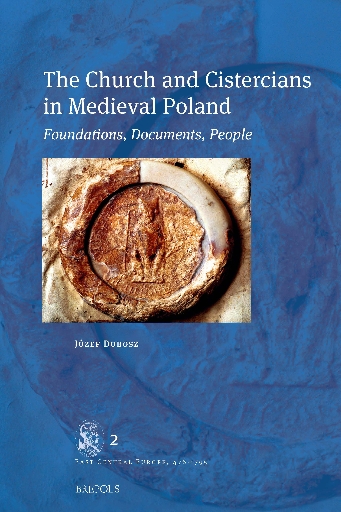
The Church and Cistercians in Medieval Poland
Foundations, Documents, People
In this volume the research of Józef Dobosz one of Poland’s leading historians of the Middle Ages is made accessible in English for the first time. It brings together nineteen studies focused on the role of the Church the Cistercian Order and other religious institutions in the history of the Piast realm from which Poland emerged. The introduction offers a broad outline of the first two centuries of the rule of the Piast dynasty after the Baptism of Poland in 966 until the fragmentation of the Piast patrimony during the twelfth century. The subsequent essays examine the circumstances of the foundation of Poland’s leading Cistercian monasteries in Sulejów Jędrzejów Wąchock Owińska and Łekno. The author analyses the means of their establishment evaluates the existing sources and places these within the context of the Piast dynasty’s economic political and social policies.
The studies offer an in-depth analysis of the motivations of the leading dynasts magnates and prelates in supporting the mission of the Church in Poland and enabling further embedding of Christianity across all strata of the society. The author examines the oldest Polish documents related to Cistercian monasteries and canons regular (in particular foundation charters) including early medieval charter forgeries. The volume’s key conclusions about the impact of Christianity on nascent Poland are based on a detailed examination of medieval charters the role of scriptoria identities of significant people of the Church and the wider historical record.