


Memory, Identity, and Governance in Early Modern Poland‑Lithuania
Abstract
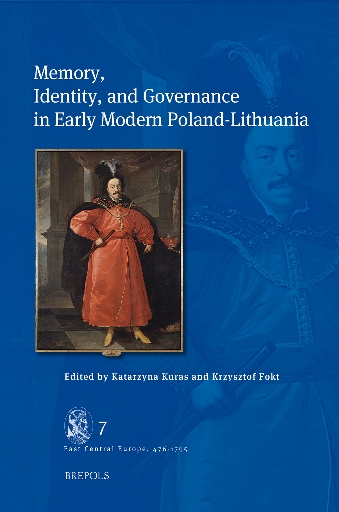
In the early modern period, Poland–Lithuania stood as a realm where the echoes of a storied past intertwined with the ambitions of a dynamic present. This volume illuminates how its diverse populace navigated the complexities of their shared heritage, weaving tradition with innovation to craft a uniquely multi-layered identity. The essays presented here examine the dual nature of historical inheritance in this vast polity. On the one hand, the past served as a treasure trove of enduring ideas, compelling narratives, and time-tested practices that enriched cultural and political life. On the other, it posed formidable challenges, requiring creative adaptation to meet the demands of changing times. By exploring established narratives, performative traditions, and historical frameworks, the contributors uncover the intricate ways in which memory influenced decision-making and societal evolution. They reveal how the past was neither static nor simply an obstacle, but was an active force that shaped contemporary aspirations and inspired visions of the future. Through the lenses of rulers, nobles, intellectuals, and commoners, this collection offers fresh perspectives on how the people of Poland–Lithuania harnessed the power of history to craft a legacy that transcended their era. Essential reading for scholars and enthusiasts alike, this work examines the enduring dialogue between memory and identity in one of Europe’s most compelling early modern states.
