


Medieval and Early Modern Europe and the World
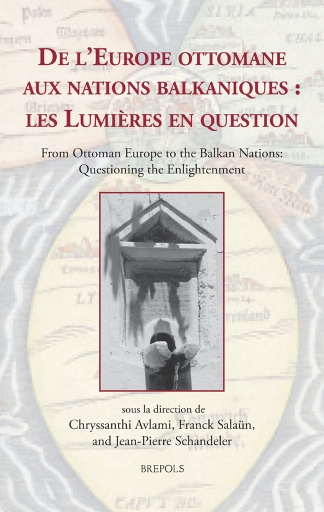
De l’Europe ottomane aux nations balkaniques : les Lumières en question
From Ottoman Europe to the Balkan Nations: Questioning the Enlightenment
The Enlightenment has often been used as a fundamental reference point for understanding the evolution of societies. Nevertheless the broad nature of this term hides great inequalities between different historiographical traditions with some countries considered to have ‘ownership’ of this intellectual and cultural current which arose in the eighteenth century while other lands have been considered at best peripheral or at worst have been wholly disregarded. This is particularly true of the Ottoman Empire and of the Balkan states founded in the first decades of the nineteenth century which have often been studied only through their relationship with France Great Britain and German. This however is not sufficient for understanding how these countries entered modernity. The studies gathered in this book seek to question the invention of the National Enlightenment the history of representations of the European Enlightenment and their variations in Balkan space and time and the phenomena of acculturation and rejection that can be identified in the histories of these lands in order to offer new insights into the contradictory aspirations of nations that have often been torn between several different models of society.
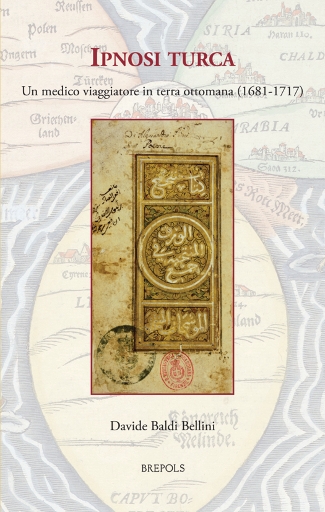
Ipnosi turca
Un medico viaggiatore in terra ottomana (1681-1717)
Le lettere del medico fiorentino Alessandro Pini (1653-1717) e il suo trattato De moribus Turcarum fanno emergere un’immagine avvincente del popolo egiziano e della cultura ottomana. Ciò che Pini ha osservato in Egitto e nel mondo ottomano rivela una straordinaria dimensione mediterranea di commistione culturale fatta di scambi e di incontri scaturiti dalle necessità lavorative e anche dalla semplice quotidianità. Oltre alla missione scientifica ufficiale egli doveva svolgere un’intrigante attività spionistica per Cosimo III Granduca di Toscana in cui si rivelò poi fallimentare. Amareggiato e osteggiato per l’insuccesso passò poi alle dipendenze della Repubblica di Venezia e dimorò per vari anni a Istanbul e in Morea dove senza pregiudizi e con ampiezza di vedute osservò le tradizioni e i costumi dei popoli che incontrava. Decise dunque consapevolmente di scrivere l’esaltazione di un mondo che l’Occidente vedeva come il suo alter ego negativo. Sebbene fosse stato imprigionato nella sua società di adozione Pini rimase affascinato forse anche ipnotizzato da quello stesso mondo che lo aveva variamente premiato e frustrato sia nel suo lavoro ufficiale che nel suo incarico segreto.
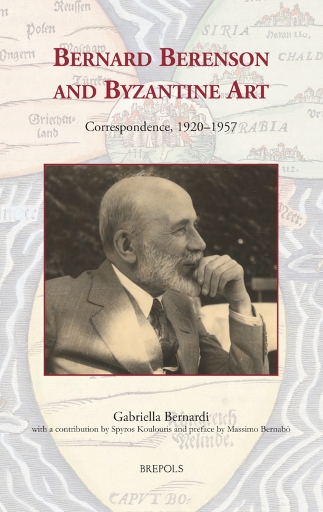
Bernard Berenson and Byzantine Art
Correspondence, 1920–1957
The American art historian Bernard Berenson born in 1865 is famous for his pioneering studies of the Italian Renaissance but his work on Byzantine art remains less well-known and less studied. Yet his passion for studies of Byzantium - dubbed the ‘Byzantine infection’ - played a major role throughout Berenson’s life and in the 1920s he began work on a magnum opus on this topic that was sadly never completed. This volume aims to illuminate and revisit Berenson’s approach to Byzantium and the art of the Christian East through an exploration and analysis of the correspondence travel notes and photo archive that Berenson built up over his lifetime and that taken together clearly points to an explicit recognition by Berenson of the importance of Byzantine art in the Latin Middle Ages. Drawing together Berenson’s correspondence with art historians collectors and scholars from across Europe the US and the Near East together with an overview of his numerous photography campaigns the book is able to open a new window into Byzantine art historiography from the 1920s to the 1950s. In doing so it sheds light onto a period in which important discoveries and extensive restoration campaigns were carried out such as those of the mosaics of Hagia Sophia and Kariye Camii in Istanbul as well as of the Basilica of San Marco in Venice and its decoration.
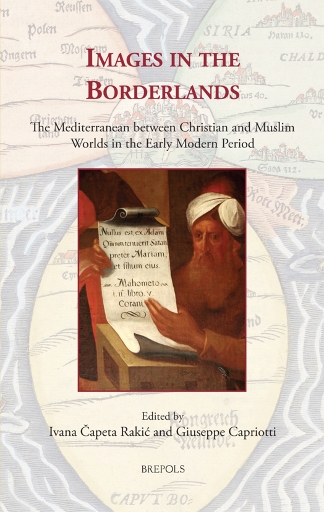
Images in the Borderlands
The Mediterranean between Christian and Muslim Worlds in the Early Modern Period
This volume offers a unique exploration into the cultural history of the Mediterranean in the Early Modern Period by examining the region through the prism of Christian-Muslim encounters and conflicts and the way in which such relationships were represented in art works from the time. Taking images from the period as its starting point this interdisciplinary work draws together contributors from fields as varied as cultural history art history archaeology and the political sciences in order to reconstruct the history of a region that was often construed in the Early Modern period as a ‘borderland’ between religions. From discussions of borders as both physical construction and mental construct in the Mediterranean to case studies exploring the Battle of Lepanto and from analyses of art work produced from the fifteenth to eighteenth centuries to a consideration of the influence of the Ottoman Empire in the Mediterranean Basin the chapters gathered together in this insightful volume provide a new approach to our understanding of Early Modern Mediterranean history.