


The Septuagint in its Ancient Context
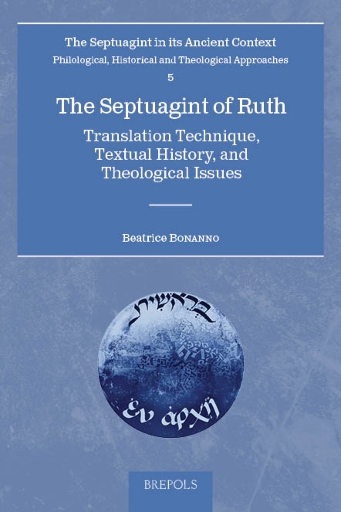
The Septuagint of Ruth
Translation Technique, Textual History, and Theological Issues
For many years the Septuagint of Ruth (LXX-Ruth) has been considered a literal translation. Several authors have emphasized the similarities between the Greek text and the Masoretic Text while others have also noted the divergences. In the wake of this second stream this book seeks to answer the crucial question: How can we nuance the definition of “literalism” for LXX-Ruth and which innovations and specifics can be detected in this text? A fresh analysis of the Greek rendering of the Hebrew proper names toponyms hapax legomena as well as legal aspects makes it possible to develop new perspectives on the translation technique of LXX-Ruth and to highlight several characteristics of this text. This volume moreover extends the discussion by including the analysis of the theological accents of LXX-Ruth and an up-to-date presentation of its textual history including the fragments of the book in the Dead Sea Scrolls. Overall this volume enhances our understanding of the linguistic and literary background of the LXX as well as its specific features.

The Concept of Space in the Book of Judith
A Contribution to the Narrative Analysis of Old Testament Texts
In the last decade biblical exegesis has gradually taken into consideration the so-called “spatial turn.” However the literary concept of space and its narrative analysis have found less interest than the study of space as a social and cultural phenomenon. This obvious gap in biblical research has become the impulse for the present work dedicated to the book of Judith. Its aim is on the one hand to present the narrative analysis of space as a still-developing field in non-biblical literature and on the other to show how this promising approach can be developed in biblical studies.
In particular this monograph provides the narrative analysis and interpretation of space in the book of Judith in response. The first part of the study offers a synthetic overview of perceptions concepts and theories of space from antiquity to contemporary research and of the theoretical approaches to space in the Old Testament. The main part is dedicated to the analysis of space on the micro and macro levels of the Judith story through the application of Katrin Dennerlein’s narratological theory of space. Thus it can be demonstrated to what extent an in-depth analysis of the notion of space can contribute to better understand its thematic and symbolic dimension in the narrative its function of characterising persons and actions its role as a structuring element in the story and last but not least as a vehicle for an ideological and theological message.
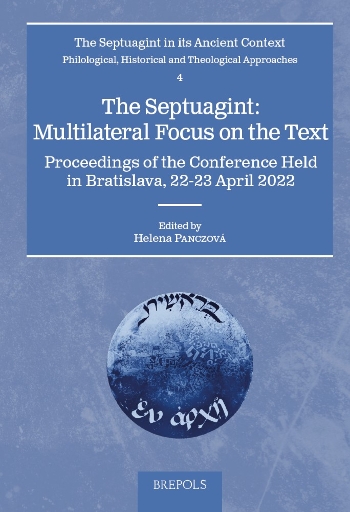
The Septuagint: Multilateral Focus on the Text
Proceedings of the Conference Held in Bratislava, 22–23 April 2022
The phenomenon of the Septuagint is a matter of interest for several areas of research – not only for Old Testament scholars but also for researchers of Hellenistic Judaism patristic exegesis translation theory and practice and others. What they all have in common is the text of the Septuagint. Unfortunately the research is often so compartmentalized that scholars do not know about each other’s work and cannot profit from it. The aim of the conference “The Septuagint: Multilateral Focus on the Text” was to bring together scholars studying the text of the Septuagint in its various aspects: its reconstruction peculiarities of language and lexical semantics in their relationship with the Semitic background and within the Greek-speaking world whether Jewish or Christian. These different approaches to the same matter are bound to lead to mutual enrichment.
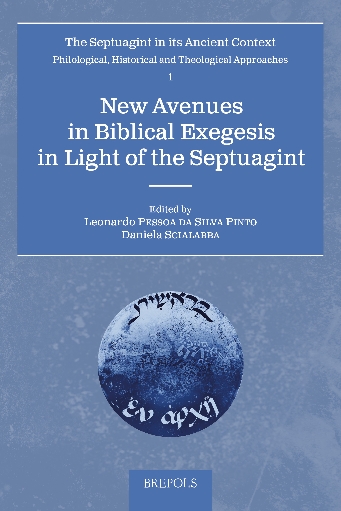
New Avenues in Biblical Exegesis in Light of the Septuagint
The detailed study of the Septuagint opens new avenues of interpretation of the biblical text and enables new advancements in exegetical studies. The Greek version can be studied through several different approaches and the application of exegetical methods old and new contributes to a better understanding of numerous literary historical and theological aspects of the Bible. The present volume collects the contributions written by renowned scholars who address the issue of the role and impact of Septuagint studies on biblical exegesis and theology. The papers range from more methodological discussions to exegetical studies applying various approaches to the Septuagint text. The wide variety of methods applied reveals numerous aspects of the Septuagint and the biblical text in general such as their composition history textual transmission literary scope and shape theology. The diversity of methods and analyses of the Septuagint represented in this book have nevertheless a common denominator: Biblical exegesis would benefit greatly from a deeper knowledge of the Septuagint.
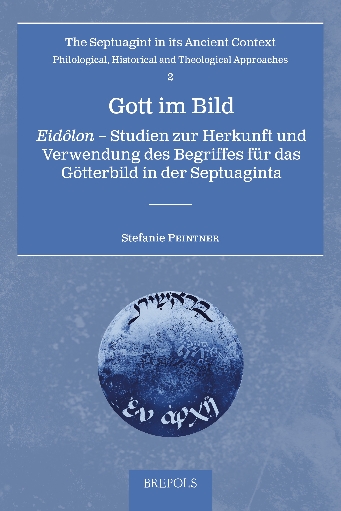
Gott im Bild
Eidôlon – Studien zur Herkunft und Verwendung des Begriffes für das Götterbild in der Septuaginta
In the present day the term ‘idol’ is often associated with a personality cult but it still contains traces of its ancient meaning namely above all the idea of worship. But this exactly creates a problem for the faith in God attested in the Old Testament. Worship and imagery obviously contradict the Old Testament commandment of worshipping the God of Israel without any image. This study fills a gap in the research in theological and religious studies by systematically exploring the various uses and connotations of the term eidôlon. The starting point is an examination of the use of eidôlon in Greek literature and in Egyptian sources from the Hellenistic period. The main part of the work is devoted to the various connotations of the term that later find their way into the Septuagint the Greek Bible. There as well as in later Jewish-Hellenistic literature eidôlon becomes the terminus technicus for the pictorial representation of deities.