


Art History (Outside a Series)
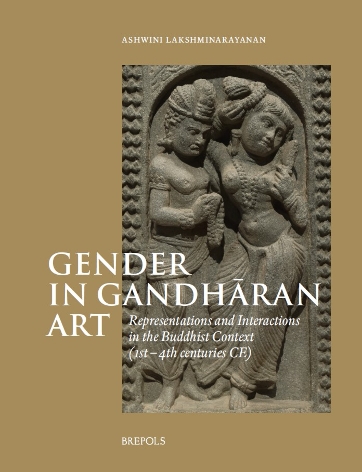
Gender in Gandhāran Art
Representations and Interactions in the Buddhist Context (1st – 4th centuries CE)
Gandhāran art developed around the first century BCE till the fourth century CE in parts of present-day Afghanistan and Pakistan and has been the focus of intense scholarly debates in both Classical and South Asian Studies for many decades. In this book Ashwini Lakshminarayan offers for the first time a specialized study on gender using Gandharan material culture and convincingly proposes new readings of visual culture beyond Eurocentric and postcolonial interpretations.
This book sets the stage with a detailed overview of the contexts in which Gandhāran art was located in Buddhist sites by analysing the gendered use of space and the gender and activities of donors and administrators. At its core the book gives prominence to the stone reliefs of Gandhāra and examines how male and female bodies are represented how they interact and how gender symbolised ideals and values.
With an important comparative overview of the Gandhāran artistic production and new illustrations this work is indispensable for all those interested in the study of gender in ancient art the interaction between Graeco-Roman and Indic cultures and the development of the early Buddhist artistic tradition in South and Central Asia that also shaped Buddhist visual culture eastwards in China.
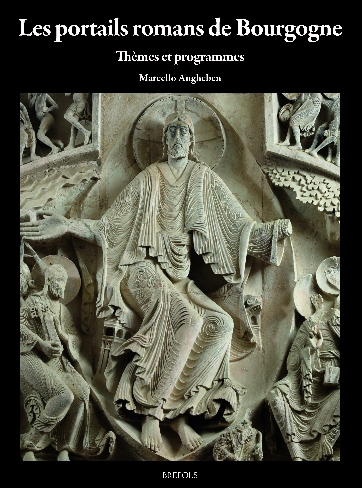
Les portails romans de Bourgogne
Thèmes et programmes
Dans le domaine de la sculpture romane la Bourgogne est incontestablement l’une des terres les plus fécondes avec des centaines de chapiteaux et une cinquantaine de portails historiés. L’iconographie de ces portails n’a pourtant jamais fait l’objet d’une étude d’ensemble. Cet ouvrage vient donc combler cette lacune à travers une démarche originale consistant à étudier séparément les thèmes et les programmes. Cette méthode qui a déjà montré sa pertinence dans l’analyse des chapiteaux romans de Bourgogne permet de comprendre les programmes les plus rudimentaires à travers ceux qui intègrent des composantes iconiques plus explicites et tenter ainsi de dégager les sens génériques partagés par la totalité ou la majorité des œuvres appartenant à la même série. Il est alors plus aisé de dégager dans un second temps les significations plus spécifiques des programmes à travers une approche monographique.
Le premier chapitre de l’ouvrage consacré à la genèse et au développement des portails romans de Bourgogne vise à les situer dans leur contexte chronologique et artistique. Les chapitres centraux qui constituent le cœur de l’étude traitent des thèmes principaux en les confrontant aux textes à la tradition iconographique et au contexte historique et culturel pour pouvoir déterminer le plus précisément possible la part de leur vaste champ sémantique privilégiée par les concepteurs : l’Ascension et les théophanies dérivées de l’Ascension le Jugement dernier la Pentecôte de Vézelay et la Vierge à l’Enfant. Le sixième et dernier chapitre aborde chaque portail du corpus dans l’ordre alphabétique en reprenant brièvement les conclusions issues des chapitres précédents et en approfondissant les traits originaux des programmes. Cet ouvrage offre ainsi pour la première fois un panorama exhaustif et une étude approfondie de l’iconographie des portails romans de Bourgogne.
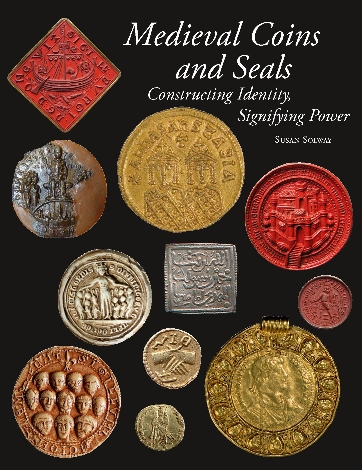
Medieval Coins and Seals: Constructing Identity, Signifying Power
Medieval Coins and Seals: Constructing Identity Signifying Power showcases these objects as intrinsic and highly significant aspects of medieval visual culture and contributes to an understanding of the many ways in which they functioned as conveyors of meaning in Western European Islamic and Byzantine cultures from the fifth to the fifteenth century. The essays presented here by art historians numismatists sigillographers and historians on a wide variety of coins and seals afford fresh insight into these tantalizing relics of medieval art and the vibrant cultural roles they played at the time of their creation. Through their images and inscriptions they conveyed complex cultural attitudes by means of sophisticated visual strategies carefully constructed to further the subjective agendas of rulers and − in the case of seals − of aristocrats ordinary individuals towns corporations and government officials. The messages conveyed by these tightly controlled objects were above all ones of authority identity and legitimacy with goals or subtexts that included the politics of self- presentation; the construction of personal civic national and cultural identity; the advertisement of dynastic succession; and much more. As forceful modes of visual discourse designed to carry calculated at times propagandistic communications to broadly dispersed audiences coins and seals actively served during these centuries as sociocultural agents that helped mold public opinion (as they had in antiquity) and thereby shaped the medieval world.
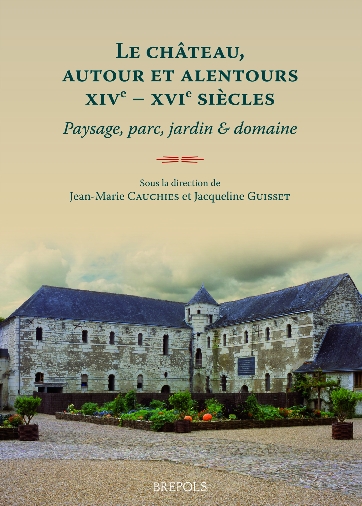
Le château, autour et alentours (XIVe - XVIe siècles). Paysage, parc, jardin & domaine
Un château c’est d’abord une bâtisse. Forteresse ou lieu de séjour dans des fonctions souvent combinées et/ou relayées. Mais c’est aussi un environnement ce sont des arbres des eaux la pêche la chasse… La nature et la main de l’homme y ont leur part l’une dans les paysages l’autre dans les parcs et jardins. Les abords de la masse de l’édifice sont constellés de bâtiments d’équipements de terres d’exploitation qui confèrent au phénomène du «château» sa dimension économique: c’est le domaine. Il y a donc là un faisceau de composantes qui mériteront de capter à travers textes images et objets l’oeil de l’historien de l’historien de l’art et de l’archéologue.
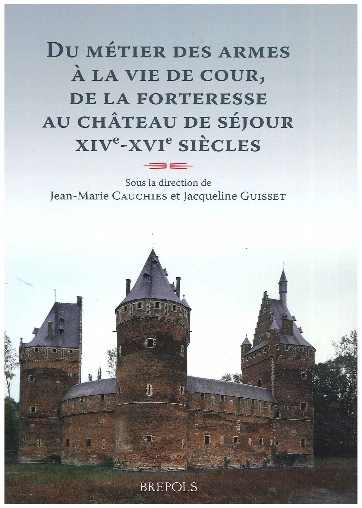
Du métier des armes à la vie de cour, de la forteresse au château de séjour : XIVe-XVIe siècles
Ce premier colloque au château fort d’Écaussinnes-Lalaing était consacré à l’étude des transformations de l’architecture extérieure et intérieure des forteresses pendant cette période cruciale où l’évolution des armes à feu rendit obsolètes les anciens systèmes de défense. Un constat général de la forme des tours de défense précède l’examen des premières modifications des traditionnelles archères au profit de l’usage des canons. Le Hainaut joue un rôle politique important durant cette période et beaucoup de petits et grands seigneurs se font bâtir des résidences et places fortes. D’un panorama global à l’approche de cas précis tels ceux de Beersel Écaussinnes-Lalaing et Écaussinnes-d’Enghien le parcours est riche d’interrogations et de recherches nouvelles. Lalaing Croÿ Egmond proches du pouvoir voyagent et content leurs découvertes des aménagements d’autres castels. Entraînés sur les routes de France d’utiles comparaisons avec les châteaux de Ravel et de Tarascon ont pu être tentées quant à leur structure mais aussi quant à leurs décorations peintes ou à la fonction des cheminées. L’appartenance à ces grandes familles impose une approche héraldique ou de la carrière de chefs de guerre célèbres tels Florent d’Egmond et Adrien de Croÿ. L’érudition de l’époque ne manque pas à l’appel avec l’examen de la bibliothèque d’un fonctionnaire bourguignon. Costumes et parures sont également à l’honneur avec un examen du récit d’Olivier de La Marche ou des bijoux de la société dijonnaise. Enfin l’étude de l’inscription de l’un des plus célèbres monuments funéraires de l’époque celui de Philippe Pot permet de retracer l’ensemble d’une carrière ainsi que les motivations et l’acte politique post mortem de ce personnage emblématique.
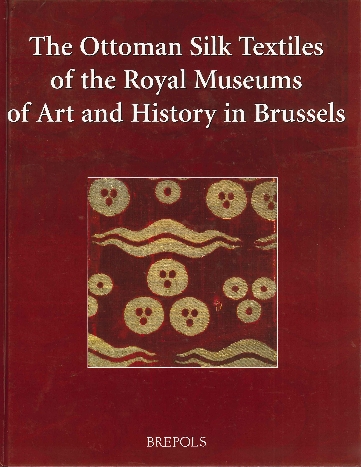
The Ottoman Silk Textiles of the Royal Museum of Art and History in Brussels
The Royal Museums of Art and History in Brussels commonly known as the Cinquantenaire possess a collection of about 1200 pieces of Islamic Art (not including some 1.000 potsherds from Fustat in Egypt). They originate from countries located between Spain and India and date from the 7th to the beginning of the 20th century. The emphasis is on silk textiles. This we owe to Isabella Errera (Florence 1869 - Brussels 1929) who collected published and eventually donated or bequeathed no less than 764 textiles to the museum about three hundred of which are Islamic. The 43 Ottoman items in this collection form the subject of this study.
Except two for which we cannot be certain these Ottoman textiles were woven in the major metropolitan weaving centres of the Ottoman Empire namely Bursa Istanbul and their surroundings. They all date from the period between the second half of the 15th and the early 19th century. Two types of weaves are represented: velvets and kemha or lampas fabrics. One of the velvets of which the collection numbers 25 examples is an important çatma probably the earliest preserved in the world. Six kemha or lampas fabrics of which we possess 16 specimens bear inscriptions; the others are decorated with various patterns. The third main type of Ottoman weave the serâser or cloth of gold and silver which is rare in Western collections is not represented. Finally the collection contains two silks in a distinctive weave an extended tabby of which one is a military banner. Although these fall slightly outside of the otherwise homogeneous group they where included in this study because they were definitely produced within the Ottoman realm.
This catalogue is the result of a collaboration between different specialists. The technological study of the textiles was executed by Daniël De Jonghe textile engineer and Chris Verhecken-Lammens both independent scientific collaborators at the Royal Museums of Art and History. Mieke Van Raemdonck curator of the Islamic Collection and editor of the present publication described the textiles and traced their origin. For the natural dye analysis and conservation treatment the museum appealed to the Royal Institute for the Cultural Heritage located in the same Cinquantenaire-complex. The study and report of the natural dyes were performed by Ina Vanden Berghe textile engineer and Dr Jan Wouters chemist Head of the Laboratory of Materials and Techniques with the practical assistance of Marie-Christine Maquoi lab technician. The conservation treatment took place under the responsibility of Vera Vereecken Head of the Textile workshop who also wrote the reports and comments on this aspect.
The aim of this catalogue is to present a status quaestionis of knowledge that was gathered the past ten years regarding this group of silks and to put it at the disposal of other museum curators and researchers. Since the scrutiny of the weaving technology and of the natural dyes can lead to a better understanding of the silk industry special focus is laid on these aspects. They may indeed yield concrete information allowing us to delimit groups of textiles and - why not - workshops and production centres.