


The Year 1300 and the Creation of a new European Architecture
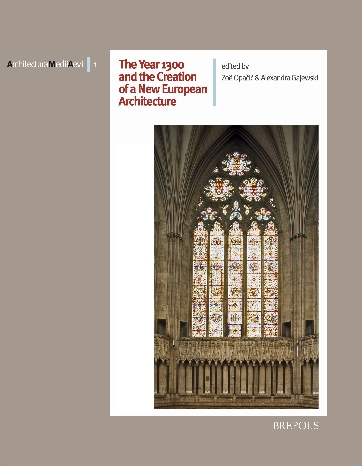
Abstract
The theme of the book is the origin of Late Gothic architecture in Europe around the year 1300. It was then that Gothic ecclesiastical architecture graduated from a largely French into a wholly European phenomenon with new centres of art production (Cologne, Florence, York, Prague, Kraków) and newly-empowered institutions: kings, the higher nobility, towns and friars. Profound changes in spiritual and devotional life had a lasting effect on the relationship between architecture and liturgy. In short, architecture around 1300 became at once more cosmopolitan and more heterogeneous.
The book addresses these radical changes on their own terms-as an international phenomenon. By bringing together specialists in art, architecture and liturgy from many parts of Europe and from the USA it aims to employ their separate expertise, and to integrate each into a broader European perspective.
Dr Zoë Opačić is lecturer in the history and theory of architecture at Birkbeck College, University of London. She specialises in the field of late medieval architecture and art, particularly in Central Europe.
Dr Alexandra Gajewski is a Visiting Assistant Professor at the University of Michigan, Ann Arbor and a Fellow of the Society of Antiquaries, London. She works on Burgundian Gothic architecture and on Cistercian art in medieval France and the Empire.
