


Between Near East and Eurasian Nomads
Representation of Local Elites in the Lori Berd Necropolis during the First Half of the First Millennium bc
Abstract
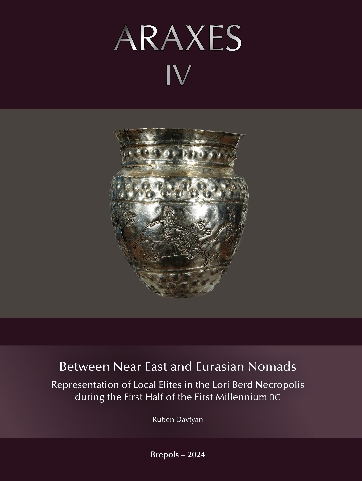
The site of Lori Berd, located in northern Armenia, is home to an extraordinary necropolis that once housed the dead of the local elite during a period that spanned from 2200 to 400 BC. Influenced both by Urartian conquests from the south and by invasions from the Eurasian nomadic tribes from the north, the people of this region buried their dead with prestigious artefacts, complex customs, and a particular reverence shown during the later stages of the Early and Middle Iron Ages (1000–550 BC). This volume offers a detailed account of the archaeological significance of the site, providing detailed accounts of thirty-one tombs, the majority of which have never before been comprehensively published, and seeking to set Lori Berd in its broader historical and material context. Through this approach, the book offers a comprehensive exploration of the Iron Age in the South Caucasus, unravelling the interconnected themes of wealth, power, and cultural expressions.
