


The Theatre of the Body
Staging Death and Embodying Life in Early-Modern London
Abstract
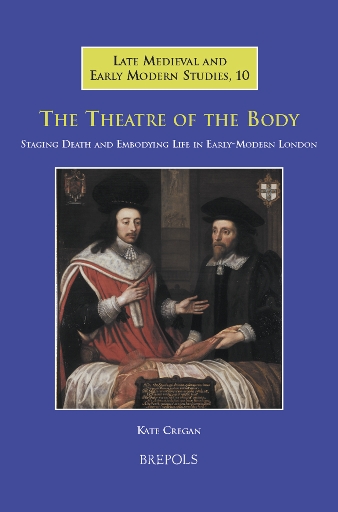
This study is a threefold investigation of understandings of embodiment - as displayed in the playhouses, courthouses, and anatomy theatres of London between 1540 and 1696. These dates mark the waxing and waning of the Worshipful Company of Barber-Surgeons’ domination of the practice of dissection in London. In 1540 Henry VIII gave them his approval and encouragement but by 1696 Edward Ravenscroft’s The Anatomist: Or the Sham Doctor staged their loss of power. This loss of power, the book contends, is symptomatic of a major shift in the concept of embodiment. The book explains the changing understanding of the human body throughout this period by analysis of the interplay between the texts used in and the material practices of three specific public sites: the public playhouses, the Sessions House, and the Anatomy Theatre of the Worshipful Company of Barber-Surgeons of London. Using an approach which combines the socially textured understandings of fields of practice found in Bourdieu with the interpretations of progression across time found in Elias and Foucault, The Theatre of the Body demonstrates how the three fields of drama, law, and medicine are intimately inter-connected in that process.
In presenting this analysis, the author argues that the quality of embodiment begins to shift during this period from the mid-sixteenth century and throughout the course of the seventeenth century. In this shift one can observe how the earlier, ‘traditional’ interpretation of embodiment is intensified and resolidified into the beginnings of the medicalized ‘modern’ body.
